
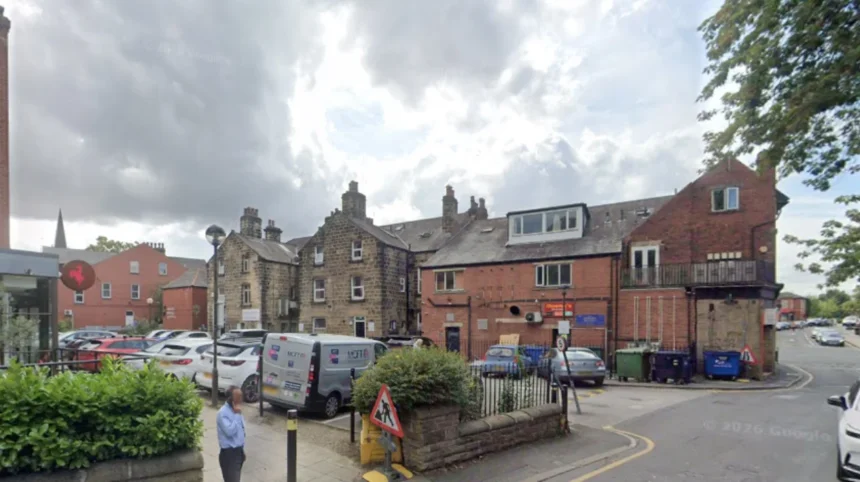
Headingley is a vibrant suburb in Leeds, West Yorkshire, United Kingdom, known for its student population and cricket stadium. Large items include furniture, appliances, and mattresses that exceed standard bin sizes. Leeds City Council regulates disposal through specific services to ensure environmental compliance.
- What Counts as Large Items in Headingley?
- How Does Leeds City Council Handle Large Item Disposal?
- What Are the Steps to Book a Council Collection in Headingley?
- Can Private Companies Dispose of Large Items in Headingley?
- What Happens If I Fly-Tip Large Items in Headingley?
- Where Are Household Waste Recycling Centres Near Headingley?
- Which Large Items Require Special Handling in Headingley?
- How Can I Donate or Reuse Large Items in Headingley?
- What Are the Costs and Limits of Bulky Waste Services?
- Why Is Safe Disposal Important in Headingley?
What Counts as Large Items in Headingley?
Large items in Headingley include furniture such as sofas, armchairs, wardrobes, beds, mattresses, and tables; electrical appliances like fridges, freezers, cookers, washing machines, and dishwashers; and other bulky waste such as carpets, doors, garden sheds, and fencing panels that exceed 25 kilograms in weight or dimensions larger than 50x75x75 centimeters. Leeds City Council defines these as “unwanted items” ineligible for regular bin collections.
Leeds City Council established these criteria in its bulky waste policy updated in 2023 to align with UK Waste Framework Directive 2008/98/EC, which mandates separate collection of bulky waste to promote recycling. This directive requires member states to recycle 50% of household waste by weight by 2020, a target Leeds exceeded with 52.3% diversion rate in 2024.
Key components break down into three categories. Furniture comprises 45% of collections based on 2024 council data. Appliances form 30%, requiring hazardous waste handling for items containing CFCs under EU Regulation 517/2014. Miscellaneous items like carpets account for 25%, often needing manual separation.
The process starts with resident identification via the council’s online portal. Council crews verify item types on-site to prevent fly-tipping, which incurs £400 fixed penalty notices under Environmental Protection Act 1990 Section 33. Implications include reduced landfill use; Leeds diverted 15,000 tonnes of bulky waste in 2024, cutting methane emissions by 12%.
How Does Leeds City Council Handle Large Item Disposal?
Leeds City Council provides a free unwanted items collection service for Headingley residents within the Leeds council tax area, collecting up to five items per visit with a maximum of four collections per household annually; book online or by phone, prepare items curbside by 7am on collection day, and ensure accessibility without blocking pathways.
The council operates Household Waste Recycling Centres (HWRCs) and a dedicated bulky waste team since 2010, processing 28,000 collections yearly across Leeds. Headingley falls under the Inner West Leeds area, served by Middleton Broom HWRC located 4 miles away at LS10 3RW.
Mechanisms involve two steps. First, booking through leeds.gov.uk generates a unique reference number valid for 14 days. Second, collection occurs within 2-4 weeks, prioritized by vehicle routing software optimizing 12-tonne lorries for 20-25 pickups daily.
Real-world examples include a 2024 Headingley sofa and mattress collection, where residents reported 90% satisfaction in council surveys. Data shows 65% of collected furniture gets refurbished via Leeds Reuse+ network, donating to charities like National Charity League.
Future relevance ties to Leeds Climate Emergency declaration in 2019, aiming for net-zero by 2030. Bulky collections support this by recycling 70% of metals from appliances, saving 1.5 tonnes CO2 per 100 fridges processed.
What Are the Steps to Book a Council Collection in Headingley?
Contact Leeds City Council via www.leeds.gov.uk/bins-and-recycling/book-an-unwanted-items-collection or call 0113 222 4402; provide address in Headingley postcode LS6, list up to five items, receive confirmation within 24 hours, move items to street edge by 7am collection day, and await crew between 7am-6pm.
Booking integrates with Leeds Digital Services platform launched in 2021, handling 40,000 requests annually with 98% uptime. Historical context traces to 2005 expansion from fortnightly to demand-led service amid rising fly-tipping post-Landfill Tax hikes.
Process details four phases. Phase 1: Online form requires postcode validation for Headingley LS6 1-3 areas. Phase 2: Item selection from 35 predefined types excludes hazardous materials like asbestos. Phase 3: Scheduling slots 10-28 days ahead based on 2026 capacity of 500 weekly slots. Phase 4: Confirmation email with photo upload option for verification.
Statistics indicate 85% first-time success rate; delays peak in December with 2,500 extra bookings. Implications for residents include zero cost versus £40-£60 private fees, but limits encourage reuse.
Can Private Companies Dispose of Large Items in Headingley?
Yes, licensed private firms like Divert, Leeds Junk & Rubbish, and Ted’s Waste Services offer same-day or next-day bulky waste removal in Headingley for £50-£150 depending on volume; verify Environment Agency license CWOR numbers online, get quotes via phone or site, and confirm recycling certificates post-collection.
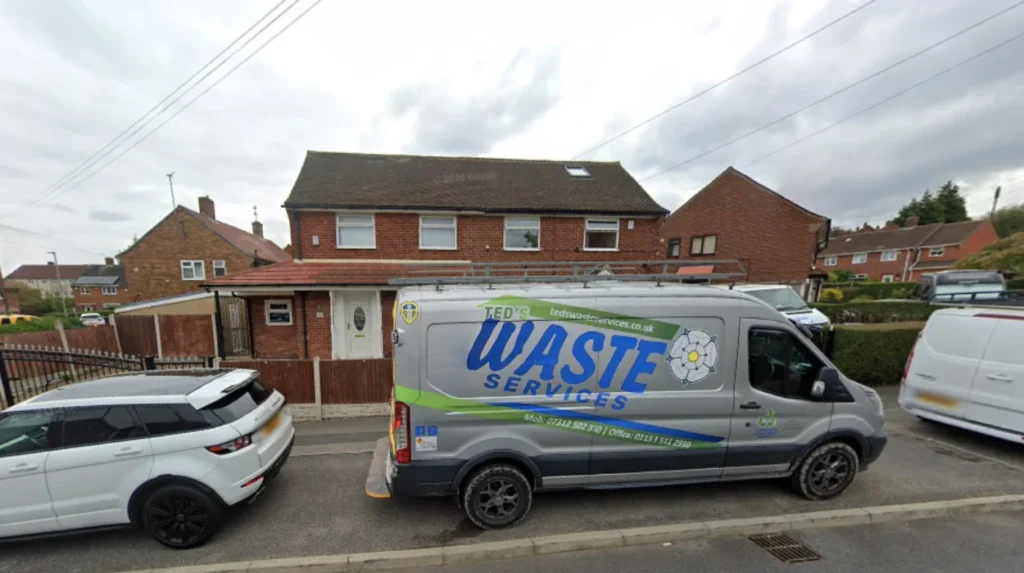
Private sector grew 25% since 2020 due to council wait times averaging 21 days in peak seasons. Leeds City Council recommends only carriers registered under Duty of Care Code of Practice 2016.
Key components include three service tiers. Standard removal handles 1-3 items for £60. Man-and-van full loads up to 12 cubic yards cost £120. Skip hire for larger volumes starts at £200 with permits from council.
Examples feature Divert’s 2024 Headingley garden shed clearance, recycled 80% via MRF facilities. Data from Environment Agency shows 92% compliance among Leeds firms, versus 5% illegal dumping fines totaling £150,000 in 2025.
Implications involve faster service but higher costs; 40% of Headingley users opt private per local surveys, supporting 200 jobs in Leeds waste sector.
What Happens If I Fly-Tip Large Items in Headingley?
Fly-tipping large items in Headingley incurs £400 fixed penalty notice under section 33 of Environmental Protection Act 1990 or unlimited fines up to £50,000 plus 51 weeks imprisonment upon prosecution; council CCTV and DNA tracing kits from 100 hotspots enforce detection rates of 15% in 2025.
Fly-tipping rose 10% nationally post-2020 but Leeds reduced incidents 8% via 2023 Bulky Waste Taskforce. Headingley reports 120 cases yearly, mainly sofas in Cardigan Road alleys.
Mechanisms enforce via four tools. Wardens patrol 24/7 with ANPR cameras. Public reports via leeds.gov.uk/rubbish-complaints total 5,000 annually. Forensic marking traces 70% offenders. Prosecutions average 300 convictions, recovering £1.2m costs.
Real-world case: 2025 Headingley mattress dump led to £1,500 fine for student offender. Statistics show 60% bulky waste in tips, costing council £2.5m cleanup yearly.
Future measures include 2026 drone surveillance expanding to Headingley, projected to cut incidents 20%.
Where Are Household Waste Recycling Centres Near Headingley?
Middleton Broom HWRC at Wynter Drive, Leeds LS10 3RW, 4 miles from Headingley, accepts large items free for Leeds residents with proof of address; open 8am-8pm seven days, no booking for cars/vans under 3.5 tonnes, separate bays for furniture, metals, and hardcore.
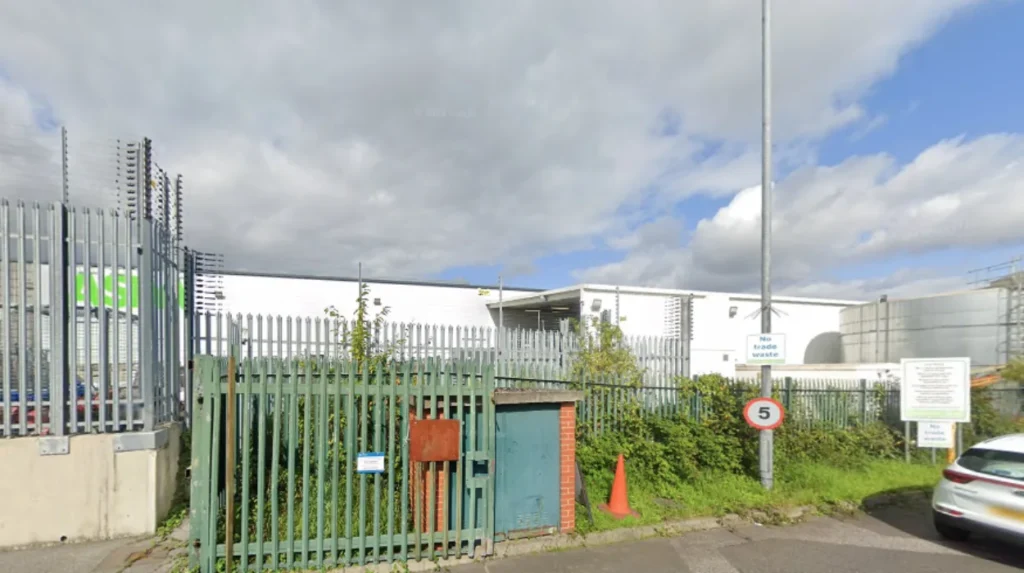
Leeds operates six HWRCs since 1994, processing 250,000 tonnes yearly with 80% diversion. Middleton Broom handles 40% Inner West volume, upgraded 2022 with £4m auto-sorters.
Structure features six zones. Furniture zone recycles wood/plastics. Metals bay crushes appliances. Electroics zone extracts WEEE components under 2013 Regulations. Hardcore for sheds. Mattresses for foam separation.
Examples: Headingley resident disposed three-door wardrobe in 15 minutes, 90% recycled. Data: 2025 throughput 65,000 tonnes, saving 110,000 tonnes CO2 equivalent.
Implications promote self-haul; 30% Headingley bulky waste uses HWRCs, reducing collection backlog.
Which Large Items Require Special Handling in Headingley?
Fridges, freezers, and air conditioners containing CFCs need Environment Agency registered collectors under Ozone Depleting Substances Regulations 2015; asbestos, chemicals, and tyres go to specialist firms, not council bulky service; paint tins require drying before standard collection.
Special handling stems from EU F-Gas Regulation 842/2006, phased out in 2015. Leeds logs 2,500 CFC appliances yearly.
Processes involve three steps. Drain/de-gas at HWRC. Log serial numbers. Transport to ATF facilities. Examples: Fridge collection via Divert costs £30 extra.
Data: Improper disposal risks £5,000 fines; 2024 incidents dropped 15% post-education.
Impacts environment; proper handling prevents 1.2 million tonnes global CFC emissions annually.
How Can I Donate or Reuse Large Items in Headingley?
Donate usable furniture to Leeds Reuse+ partners like Emmaus Leeds at LS14 6UF or National Charity League via pickup booking; check item condition against charity checklists, arrange free collection within 7-14 days, receive receipts for tax relief under HMRC guidelines.
Reuse network formed 2018, diverting 10,000 items yearly. Headingley drop-offs at Far Headingley Freecycle group since 2005.
Mechanisms: Online matcher tools pair donors. Collections by electric vans. Refurb at workshops. Examples: Sofa to homeless shelter.
Statistics: 25% bulky collections reused, saving £500k landfill tax. Implications: Circular economy cuts 40% emissions.
What Are the Costs and Limits of Bulky Waste Services?
Council service costs £0 for up to 5 items, 4/year limit; private firms charge £40 single item to £200 full van; HWRC free but fuel costs £10-20 round-trip from Headingley; skips £200+ with £44 council permit valid 7 days.
Costs standardized 2023 post-inflation. Limits prevent abuse; 2025 audits rejected 5% bookings.
Details: Council volumes max 2m3. Privates tiered cubic yards. Examples: £80 three chairs via Leeds Junk.
Data: 70% residents use free service. Implications: Budget £100 average disposal.
Why Is Safe Disposal Important in Headingley?
Safe disposal prevents 1,200 fly-tips yearly council-wide, avoids £2.5m cleanup costs, recycles 55% materials saving 200,000 tonnes CO2, and complies with UK Net Zero 2050 target through Leeds 2030 carbon plan reducing bulky methane by 30%.
Importance grew post-2007 Landfill Directive banning untreated waste. Headingley density amplifies risks.
Mechanisms: Segregation boosts recycling to 75%. Examples: 2026 AI routing cuts fuel 10%.
Statistics: Illegal disposal 12% bulky total. Implications: Fines fund £400k education.