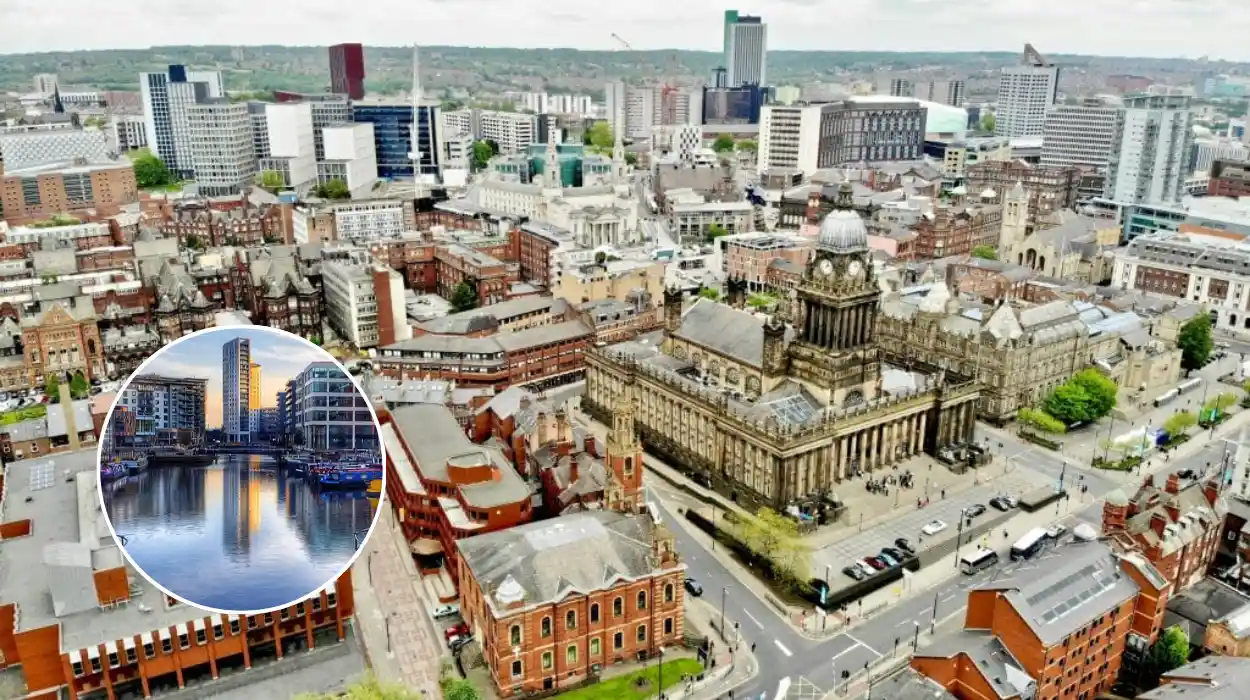
Leeds traces its origins to the ancient forested region of Loidis in the Celtic kingdom of Elmet, with evidence of settlement by the Norman Conquest in 1086, when it appeared as a thriving manor in the Domesday Book under Ilbert de Lacy. The town received its first charter in 1207 from Maurice de Gant, growing slowly through medieval times as part of the Duchy of Lancaster, and served as a Royalist stronghold during the English Civil War. Bronze Age barrows on Woodhouse Moor, Roman fords across the River Aire, and ninth- to tenth-century Anglo-Scandinavian stone crosses found in Leeds Parish Church highlight its deep prehistoric and early medieval layers, including the 2008-09 West Yorkshire Hoard discovery.
Wealth surged in the Tudor era via wool trade, with John Leland noting it as a “pretty market town” by 1536, rivaling Bradford in size. The 1711 opening of the First White Cloth Hall on Kirkgate fueled explosive growth, as Cistercian monks from Kirkstall Abbey had exported wool since the 13th century, shifting local after Henry VIII’s dissolution around 1540. By the 1770s, Leeds handled 30% of England’s woollen exports, earning city status in 1893 under Queen Victoria, transforming from village to industrial giant.
Key Neighborhoods
Leeds offers diverse areas catering to various lifestyles, from bustling city center vibes to serene suburbs.
- City Centre: Heart of commerce around Briggate and Leeds Minster, with Victorian arcades like Trinity Leeds for shopping and St John’s Church, the oldest in the center from the 17th century featuring Jacobean fittings.
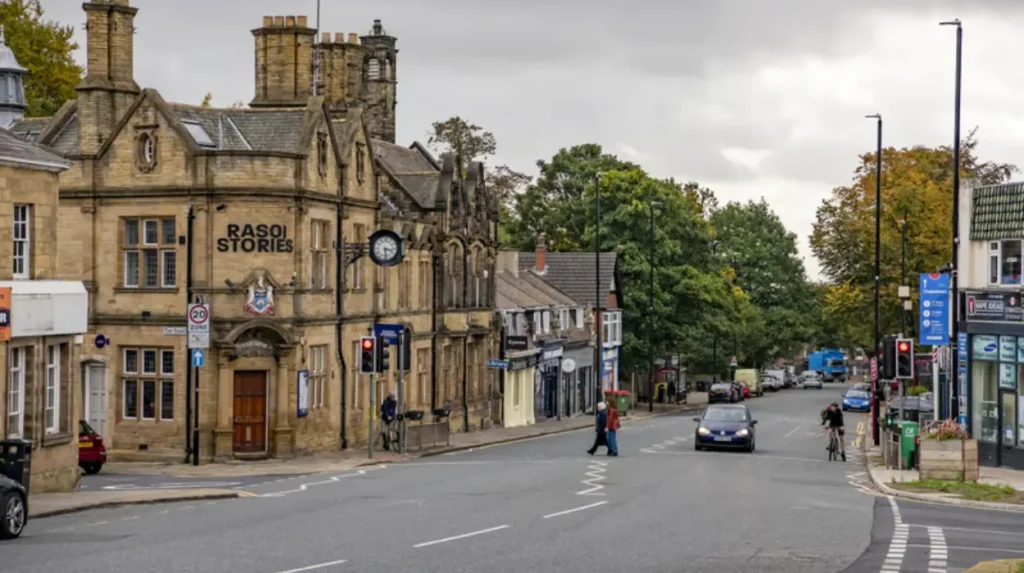
- Chapel Allerton: Trendy bohemian spot north of the center, known for independent cafes, live music at Wardrobe venue, and Victorian terraces ideal for young professionals.
- Headingley: Student haven near Leeds Beckett and Leeds Uni, famous for rugby at Headingley Stadium, eclectic eateries on Otley Road, and leafy streets blending families and nightlife.
- Horsforth: Affluent suburb westside with village charm, top schools, parks like Hawksworth Wood, and easy A65 access to city—perfect for commuters.
- Meanwood: Green enclave with parks, valleys, and community feel; attracts families with its proximity to Woodhouse Moor and affordable semis.
- Roundhay: Upscale north with Roundhay Park’s lakes and tropical greenhouse, mansion mansions, and golf courses for high-end living.
- Armley: Working-class grit turned regenerating hub, home to Armley Mills (world’s largest woollen mill from 1805) and diverse communities.
These neighborhoods showcase Leeds’ mix of Victorian grandeur, post-industrial reinvention, and green spaces, with average house prices around £250,000 citywide, lower in outer areas.
Top Attractions
Leeds packs cultural heavyweights drawing millions yearly.
Kirkstall Abbey, a 12th-century Cistercian ruin bought by Leeds Corporation in 1889, offers interactive exhibits on monastic life post its £5.5 million restoration—one of England’s best-preserved monasteries. Royal Armouries Museum on the waterfront displays global weaponry collections free of charge, while Leeds City Museum explores local history from Roman times to suffragettes.
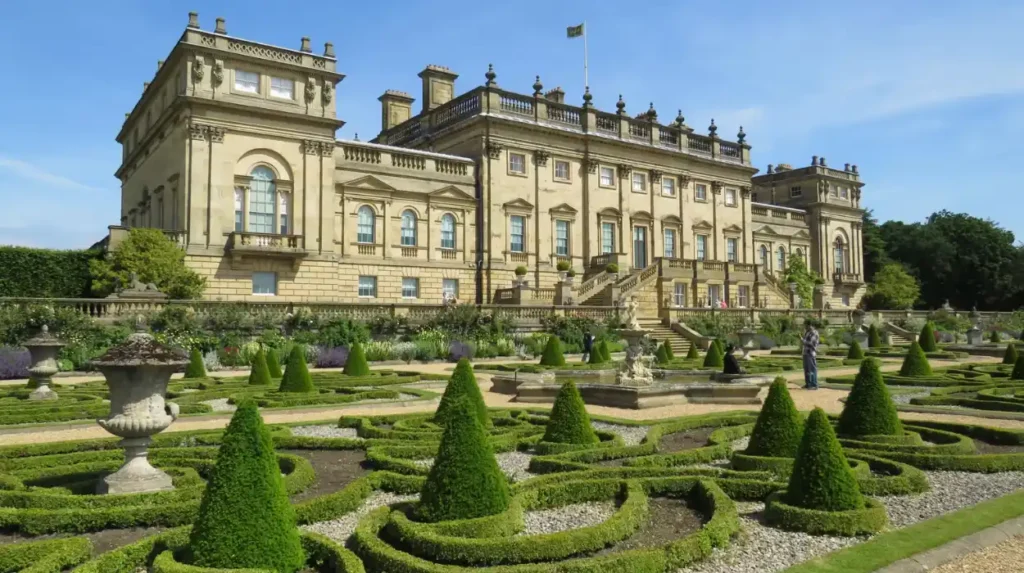
Roundhay Park spans 700 acres with lakes, gardens, and events like Tropical World; nearby Temple Newsam House, a Tudor-Jacobean gem, hosts farm experiences. Shopping shines in Victorian arcades like County Arcade with its glass-domed elegance, plus Kirkgate Market, Europe’s largest covered market since 1875, buzzing with 800 stalls.
For arts, Leeds Art Gallery houses Victorian treasures and modern installs, complemented by Opera North at Grand Theatre. Sports fans flock to Elland Road (Leeds United FC) and Headingley for cricket and rugby league.
Lifestyle and Amenities
Leeds ranks high for quality of life with excellent transport, education, and green escapes. Leeds Bradford Airport connects globally, while trains from Leeds Station reach London in 2 hours; cycle paths along the Aire & Calder Navigation link 200+ miles of waterways.
Education thrives with two universities (over 60,000 students), top grammars like Leeds Grammar remnants, and comprehensives scoring above national averages. Healthcare centers on Leeds Teaching Hospitals NHS Trust, one of Europe’s largest.
Food scene explodes with Michelin nods at The Man Behind the Curtain, global eats in Chinatown, and craft breweries like Northern Monk. Nightlife pulses in Call Lane bars and Leeds Dock events. Parks cover 30% of the city, including Middleton Reclaimed Nature Reserve for wildlife.
Economy booms in finance (Northern Ballet nearby), tech (Digital Catapult), and retail, with unemployment below UK average and median salary £35,000. Families enjoy low crime in suburbs, festivals like Leeds Fest, and affordability versus London.
Practical Tips
Getting around: Use Metro buses/trains (£3 day passes), free city bikes, or Park & Ride from outer lots. Best times to visit: Summer for festivals, avoid January rains. Budget stay: Aparthotels in financial district from £80/night; eat local at markets for £10 meals.