


Domestic abuse is a serious social issue affecting individuals and families across the United Kingdom. Safe support services near Otley provide protection, advice, emergency assistance, and long-term recovery pathways for people experiencing abuse. Otley is a market town in West Yorkshire within the City of Leeds metropolitan area, and residents access support through local and national organisations.
- What is domestic abuse and how is it defined under UK law?
- Why is it important to seek safe help near Otley?
- How can someone recognise signs of domestic abuse?
- What domestic abuse support services are available near Otley?
- How does a domestic abuse safety plan work?
- What legal protections exist for domestic abuse victims in England and Wales?
- How can someone safely contact domestic abuse support near Otley?
- How does domestic abuse affect individuals, families, and communities?
- What steps help someone recover after domestic abuse?
- Why does raising awareness about domestic abuse remain important?
Domestic abuse involves abusive behaviour between people aged 16 or over who are personally connected. Personal connections include current or former partners, family members, and individuals who share parental responsibility. The Domestic Abuse Act 2021 established the legal definition of domestic abuse in England and Wales and recognises physical abuse, emotional abuse, sexual abuse, economic abuse, and controlling or coercive behaviour.
Finding safe help requires understanding available services, recognising abusive behaviour, creating a safety plan, and accessing specialist support. People living near Otley receive assistance through local authority services, charities, healthcare professionals, police services, and community organisations.
What is domestic abuse and how is it defined under UK law?
Domestic abuse is controlling, threatening, violent, or abusive behaviour between connected individuals aged 16 or over, including physical harm, emotional damage, financial control, sexual abuse, and coercive behaviour recognised under UK law since the Domestic Abuse Act 2021.
Domestic abuse extends beyond physical violence. The legal definition includes repeated patterns of behaviour designed to control, frighten, isolate, or harm another person. The Domestic Abuse Act 2021 strengthened protection by recognising non-physical abuse as a serious offence.
Physical abuse includes actions such as hitting, pushing, choking, or causing injury. Emotional and psychological abuse includes intimidation, threats, humiliation, and manipulation. Economic abuse involves controlling money, restricting access to financial resources, or preventing employment.
Coercive control describes a pattern of behaviour that removes a person’s freedom and independence. Examples include monitoring daily activities, controlling friendships, restricting communication, and using threats to create fear.
Domestic abuse affects people from every background. It affects women, men, older adults, younger adults, disabled people, and individuals from different communities. The focus remains on the behaviour and harm caused rather than personal circumstances.

Why is it important to seek safe help near Otley?
Seeking safe help near Otley provides protection, professional guidance, emergency support, and recovery assistance for people experiencing domestic abuse. Local services connect survivors with trained advisers, housing support, legal information, healthcare assistance, and safeguarding responses.
Otley residents access domestic abuse support through services operating across West Yorkshire and the wider Leeds area. Local support networks provide confidential advice and practical assistance based on individual safety needs.
Early support improves access to protection and reduces isolation. Domestic abuse often involves control that prevents victims from seeking assistance. Specialist services create safe communication channels where individuals discuss experiences without judgement.
Support services help with immediate safety concerns, including emergency accommodation, police reporting, medical support, and protection planning. They also provide longer-term assistance involving emotional recovery, housing stability, financial independence, and legal guidance.
People seeking help do not need to wait for an emergency situation. Domestic abuse support organisations assist individuals experiencing ongoing control, threats, fear, or harmful behaviour.
How can someone recognise signs of domestic abuse?
Signs of domestic abuse include controlling behaviour, threats, intimidation, physical violence, financial restrictions, sexual abuse, and emotional manipulation. Recognising these behaviours helps individuals identify harmful situations and access appropriate support before risks increase.
Domestic abuse often develops through patterns rather than isolated incidents. Recognising early warning signs helps individuals understand when behaviour becomes unsafe or harmful.
Controlling behaviour includes deciding who someone meets, where they go, what they wear, or how they spend money. A controlling person often attempts to reduce independence and increase dependence.
Emotional abuse includes insults, constant criticism, threats, humiliation, and deliberate actions that damage confidence. Psychological harm affects wellbeing and creates fear within relationships.
Financial abuse involves restricting access to bank accounts, refusing essential money, controlling wages, or creating financial dependence. Economic control is recognised as a form of domestic abuse under UK law.
Technology also plays a role in modern abuse. Digital abuse includes unwanted monitoring, tracking devices, account access without permission, and threatening messages through online platforms.
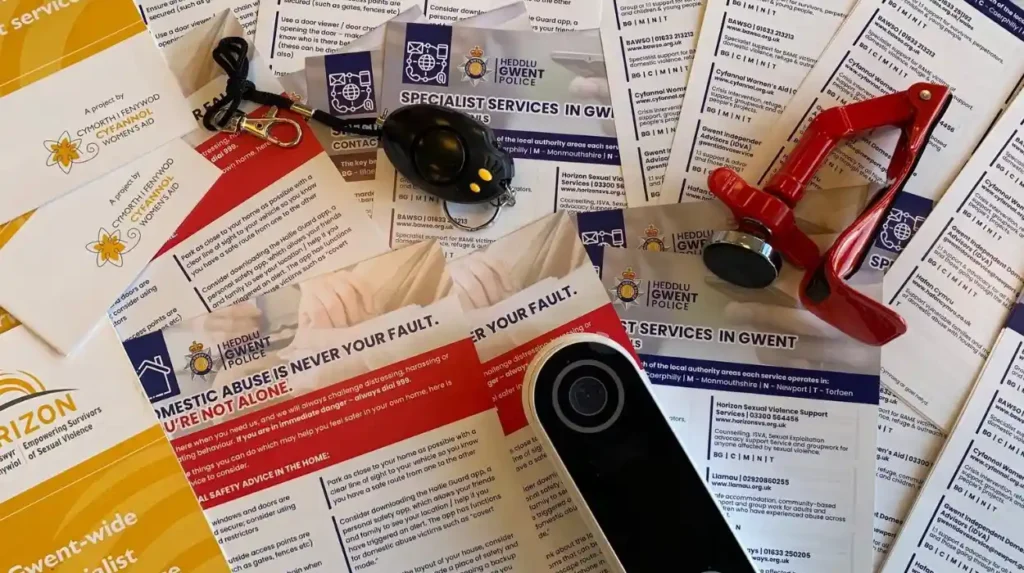
What domestic abuse support services are available near Otley?
Domestic abuse support near Otley includes specialist charities, local authority safeguarding teams, healthcare professionals, police services, housing providers, and national helplines offering confidential advice, protection planning, emergency responses, and recovery support for affected individuals.
Otley is served by support networks connected to Leeds and West Yorkshire. These services provide assistance through different methods, including telephone support, online communication, face-to-face appointments, and emergency responses.
Specialist domestic abuse charities provide trained advisers who understand the risks associated with abusive relationships. Advisers help individuals explore safety options, understand legal rights, and access further assistance.
Local councils support safeguarding responsibilities by coordinating responses for adults and children affected by domestic abuse. Safeguarding focuses on reducing risk and protecting vulnerable individuals.
Healthcare professionals, including doctors and nurses, provide confidential support when domestic abuse affects physical or mental wellbeing. Medical settings often provide important opportunities for identifying abuse and connecting individuals with specialist services.
Police services respond to immediate danger, investigate criminal offences, and provide protection measures. Domestic abuse incidents receive specialist attention because of the serious risks associated with repeated abuse.
How does a domestic abuse safety plan work?
A domestic abuse safety plan is a personalised strategy that identifies risks, prepares emergency actions, protects important information, and creates safer options for leaving or managing dangerous situations while accessing professional support.
Safety planning focuses on practical steps that improve protection. Each safety plan reflects an individual’s circumstances, risks, and available resources.
A safety plan often includes keeping important documents accessible, storing emergency contact information, identifying safe places, and preparing essential items. Important documents include identification papers, financial records, and medical information.
Communication planning is also important. Individuals experiencing abuse often need safe ways to contact support services. Trusted contacts, private devices, and secure communication methods improve safety.
Safety planning considers children and dependants. Children exposed to domestic abuse require protection and support because witnessing abuse affects emotional development and wellbeing.
Leaving an abusive relationship requires careful planning because separation periods often involve increased risks. Specialist advisers provide guidance on safer arrangements and available protection measures.
What legal protections exist for domestic abuse victims in England and Wales?
Legal protections for domestic abuse victims include criminal offences, protective court orders, housing rights, safeguarding duties, and specialist legal support established through legislation such as the Domestic Abuse Act 2021 and related UK laws.
The Domestic Abuse Act 2021 created stronger recognition and protection for victims. It established a statutory definition of domestic abuse and introduced measures supporting survivors.
Controlling or coercive behaviour is a criminal offence when it forms part of a pattern that causes serious harm or fear. This offence recognises that abuse involves control as well as physical violence.
Protection orders provide legal restrictions against abusive individuals. Courts use protective measures to reduce contact, prevent harassment, and improve safety.
Housing support is another important area. Individuals experiencing domestic abuse receive assistance with emergency accommodation and housing options through local authority services.
Children affected by domestic abuse receive additional safeguarding protection. The law recognises children who experience or witness domestic abuse as victims because exposure causes harm.
Legal advisers and specialist organisations explain available options, including reporting incidents, understanding court processes, and accessing protective measures.
How can someone safely contact domestic abuse support near Otley?
Someone seeking domestic abuse support near Otley should use safe communication methods, contact specialist advisers, avoid increasing personal risk, and share information only through trusted channels designed to protect confidentiality and wellbeing.
Safety during contact is essential. Individuals experiencing abuse should consider whether phones, computers, or online accounts are monitored before seeking assistance.
Specialist services provide confidential conversations and explain available options. Advisers focus on safety decisions rather than pressuring individuals into specific actions.
Emergency situations require immediate assistance through emergency services. When someone faces immediate danger, urgent protection becomes the priority.
Non-emergency support includes advice appointments, safety planning, housing discussions, and emotional support. Services help individuals understand available choices and prepare suitable next steps.
Trusted professionals, including healthcare workers and support advisers, provide safe opportunities to discuss domestic abuse. They maintain confidentiality within legal safeguarding requirements.
People supporting someone experiencing abuse also require guidance. Friends, relatives, and colleagues can provide encouragement while respecting the person’s decisions and safety needs.
Explore More Help And Resources
Emergency Support for Domestic Abuse Victims in Morley Leeds 2026
Domestic Abuse Support and Legal Protection Services in Horsforth 2026
How does domestic abuse affect individuals, families, and communities?
Domestic abuse affects physical health, emotional wellbeing, financial stability, family relationships, and community safety. The impact extends beyond individual victims because children, relatives, workplaces, and wider communities experience consequences from abusive behaviour.
Domestic abuse creates significant physical and emotional harm. Injuries, anxiety, fear, stress, and reduced confidence are common consequences for survivors.
Children exposed to domestic abuse experience increased risks affecting emotional wellbeing, education, and relationships. Support services provide child-focused assistance to address these impacts.
Financial effects also influence recovery. Economic abuse can create barriers to independence by limiting access to money, employment, and housing opportunities.
Communities experience wider effects through increased demand on healthcare, housing, policing, and social support services. Effective prevention and early intervention reduce long-term harm.
Public awareness plays an important role in reducing stigma. Understanding domestic abuse as a serious crime encourages reporting, support access, and community responsibility.
What steps help someone recover after domestic abuse?
Recovery after domestic abuse involves rebuilding safety, confidence, independence, relationships, and wellbeing through specialist support, practical assistance, emotional care, and access to resources that help survivors move forward after harmful experiences.
Recovery is a personal process that focuses on restoring control and stability. Survivors often require support across several areas, including housing, finances, health, and emotional wellbeing.
Specialist services provide recovery programmes that help individuals understand abuse patterns and rebuild confidence. These services focus on empowerment and personal choice.
Stable housing supports recovery by creating a secure environment away from abuse. Housing assistance helps survivors establish independence and safety.
Financial recovery involves rebuilding access to income, employment, and financial resources. Economic independence strengthens long-term security.
Mental wellbeing support helps survivors manage the effects of trauma. Counselling and specialist support services provide spaces for recovery and emotional processing.
Recovery also involves rebuilding social connections. Supportive relationships with trusted people help reduce isolation and strengthen resilience.
Why does raising awareness about domestic abuse remain important?
Raising awareness about domestic abuse remains important because education improves recognition, encourages early support, strengthens prevention efforts, and helps communities create safer environments where victims receive protection and survivors access meaningful recovery opportunities.
Domestic abuse continues to require public attention because hidden abuse affects many individuals. Awareness campaigns improve understanding of abusive behaviours beyond physical violence.
Education helps people recognise warning signs and respond appropriately. Schools, workplaces, healthcare settings, and communities all contribute to prevention.
Professional training improves responses from organisations responsible for supporting victims. Police officers, healthcare workers, and social care professionals receive guidance on identifying risks and providing appropriate assistance.
The future of domestic abuse prevention depends on continued investment in support services, legal protections, education, and community awareness.
For people near Otley experiencing domestic abuse, safe help remains available through specialist services designed to protect individuals, provide practical support, and support recovery. Accessing assistance is an important step toward safety, independence, and a life free from abuse.
What is considered domestic abuse under UK law?
Domestic abuse includes physical violence, emotional or psychological abuse, sexual abuse, economic abuse, controlling behaviour, and coercive control between people aged 16 or over who are personally connected. The Domestic Abuse Act 2021 provides the legal framework for recognising and protecting victims.