

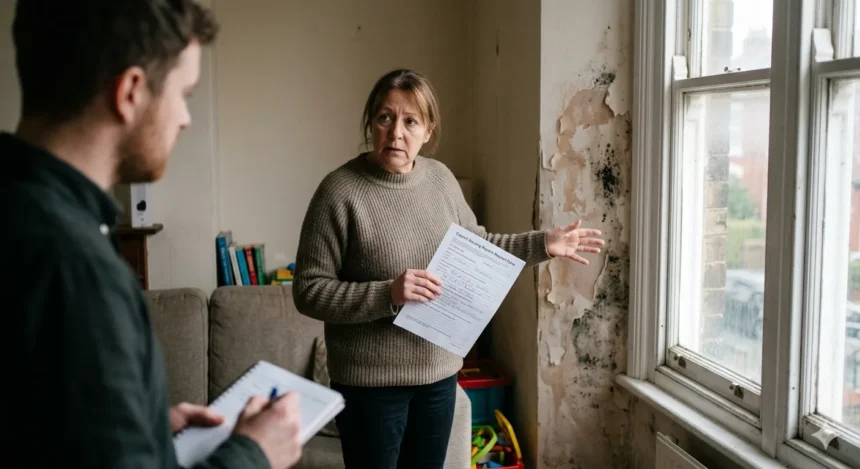
If you are a resident in Headingley, Garforth, Horsforth, Pudsey, Yeadon, or Morley and your housing repair has not been fixed despite multiple reports, you can escalate it by following Leeds City Council’s complaints process, then involving independent bodies such as the Local Government and Social Care Ombudsman or the Housing Ombudsman if you are in social housing. Acting step‑by‑step, in writing, and keeping evidence greatly improves your chances of getting the issue resolved legally and within a reasonable time.
Why this issue matters to local residents
Unfixed housing repairs can affect health, safety, and how much you enjoy living in your home. In areas like Headingley, Garforth, Horsforth, Pudsey, Yeadon, and Morley, many residents live in rented or council‑owned properties, where delays in fixing leaks, damp, heating faults, or electrical problems can lead to higher energy bills, mould, and worsening conditions over time.
Having a clear way to escalate a housing repair complaint means local residents can hold landlords or Leeds City Council to account without turning every issue into a long‑running dispute. It also helps reduce pressure on council services by making sure only genuine, unresolved problems are taken to higher‑level review.
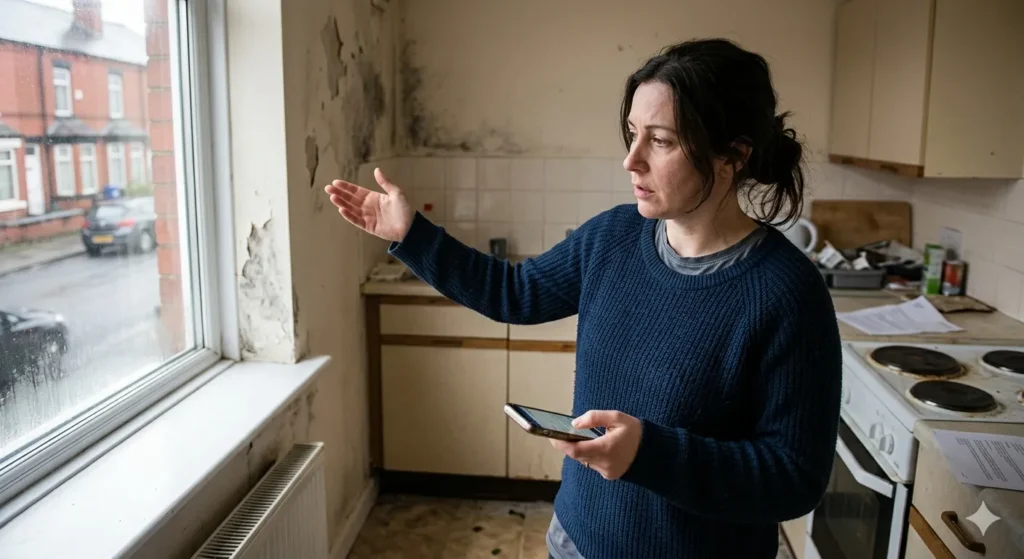
Step‑by‑step actions to solve the problem
Start by reporting the repair in the right channel. If you are in a council or social‑housing property, use Leeds City Council’s online repairs system or dedicated repair phone line for emergencies. Private‑tenancy residents should first contact their landlord or letting agent in writing, giving clear details and a reasonable deadline, as this is often required before the council can step in.
If the repair is not completed on time, or is done poorly, ask for a review of the work in writing and keep a copy of your request. If you remain unhappy, you can then raise a formal complaint with the landlord or Leeds City Council using their compliments and complaints process, which for the council usually involves a two‑stage procedure.
Only after completing the landlord or council’s full complaints process should you consider escalating the housing repair complaint to an independent body, such as the Housing Ombudsman (for social housing) or the Local Government and Social Care Ombudsman (for council services). These bodies can investigate whether the repair was handled fairly and within the correct timescales.
Which council service handles it
In Leeds, Leeds City Council’s Housing department is responsible for repairs in council‑owned properties, including those in Headingley, Garforth, Horsforth, Pudsey, Yeadon, and Morley. The council also runs an online repairs service and a dedicated emergency line to log issues such as leaks, total loss of electricity, or blocked toilets.
For private tenants, Leeds City Council’s Private Sector Housing or environmental health team can step in if there are serious hazards, such as damp and mould, unsafe electrics, or missing heating, after the tenant has given the landlord a reasonable chance to act. Separately, older or disabled homeowners in Leeds may be able to access Care & Repair Leeds’ hazard‑repairs service for essential, safety‑related work.
Residents reading this via The Leeds Times will often find that the key contact point is not the council as a whole, but the specific housing or environmental‑health team that deals with repair and disrepair issues. Knowing which service to contact avoids being redirected and helps speed up your case.
Information or documents needed
When you escalate a housing repair complaint in Leeds, you will generally need some or all of the following: a copy of your initial repair request, all emails, letters, or messages from your landlord or council, and photos or videos of the defect over time. In council or private‑sector cases, dates and times of visits, estimated repair costs, and any written estimates from contractors can also support your position.
If you are later required to submit a formal complaint or appeal to an ombudsman‑style body, you will need to show that you have followed the landlord’s or council’s complaints procedure fully. This often means having stage‑1 and stage‑2 responses, plus any notes of meetings or calls, and should be sent with a short summary explaining why you feel the repair matter has not been resolved.
Keeping these records in a single folder or email thread makes it easier to send everything at once and reduces the risk of missing key evidence that could decide your case.
Expected response time
Leeds City Council and many social landlords publish repair‑response times based on how urgent the issue is, such as emergencies, urgent repairs, and routine jobs. For example, emergencies like total loss of electricity, unsafe electrics, or major leaks are usually attended within one working day, while less urgent issues may have a window of several working days to a few weeks.
For complaints, Leeds City Council’s housing complaints process typically aims to acknowledge a complaint within a few working days and to issue a stage‑1 response within about 15 working days. If you escalate to stage two, a more senior officer reviews the case, and a final decision is usually expected within a similar or slightly longer timescale.
Independent bodies such as the Housing Ombudsman usually expect you to wait at least eight weeks after the landlord’s stage‑two decision before you can escalate a housing repair complaint, and their own investigation can then take several weeks.
What to do if follow‑up is required
If you receive a response that does not fully resolve your repair issue, you should indicate clearly in writing that you remain dissatisfied and cite the specific reasons, such as delayed work, recurring faults, or ongoing health and safety concerns. Asking for a review or escalation to the next stage of the complaints process, and attaching any new evidence, helps keep the case moving forward rather than being closed prematurely.
If the landlord or council still does not act, you can then consider contacting independent support services such as Shelter, Citizens Advice, or housing‑law specialists for guidance on next steps. These organisations can help residents in Headingley, Garforth, Horsforth, Pudsey, Yeadon, and Morley decide whether to escalate the housing repair complaint to an ombudsman or seek legal advice, especially where there may be a disrepair claim.
In some cases, local residents may also be able to join forces with neighbours affected by similar repair problems, such as repeated damp or heating issues in a block or street, to raise a joint concern with the council or landlord. Coordinated follow‑up can sometimes prompt faster action than isolated individual complaints.
Rights and responsibilities under UK rules
Under UK law, most landlords, including Leeds City Council, must ensure that rented homes are safe, wind‑ and water‑tight, and have working heating, electrics, gas, and plumbing. Tenants generally have the right to request repairs and to expect them to be completed within a reasonable time, especially if the problem is affecting health or safety.
Tenants also have responsibilities, such as reporting problems promptly and allowing reasonable access for repairs, and they may be liable for damage caused by misuse of the property. In some local authority areas, tenants can use a “right to repair” scheme for certain common faults, which can lead to compensation if the repair is not done within a set period.
Private tenants in Leeds must first give their landlord a fair chance to fix the issue, often in writing, before asking the council or other bodies to get involved. If hazards persist, local residents can ask the council’s environmental‑health team to inspect the property under the Housing Health and Safety Rating System (HHSRS), which can lead to enforcement notices or improvement works.
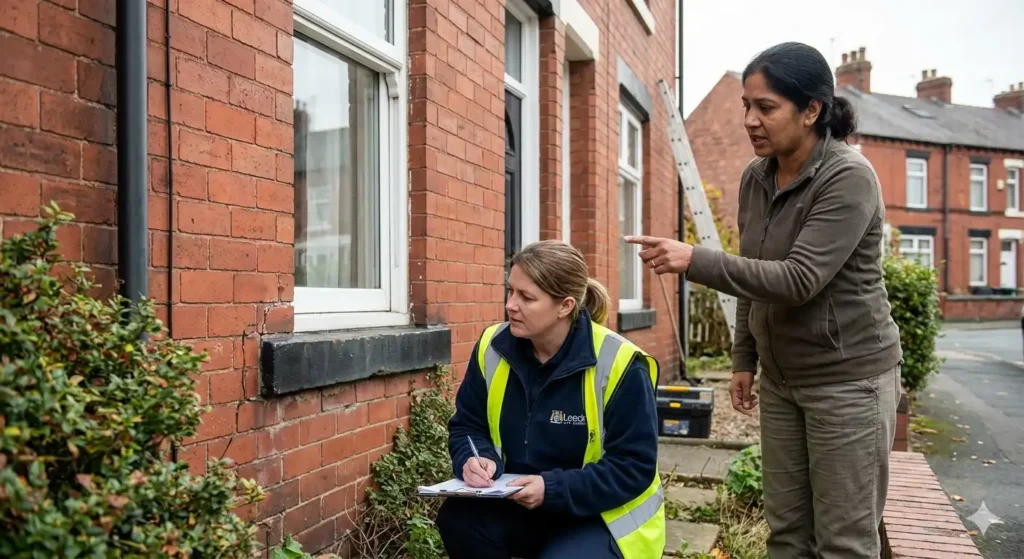
Practical tips to avoid the problem in future
To avoid needing to escalate a housing repair complaint in Leeds, local residents can take a few simple steps at the start of a tenancy or after a repair. Take clear photos or videos of the property when moving in and keep a checklist of any existing issues, so you can distinguish between new faults and pre‑existing problems.
When you first notice a minor issue, such as a dripping tap, a small crack, or a draft, report it promptly in writing and keep a record of the date and response. Treating small repairs early can prevent them from turning into damp, mould, or structural problems that are more complex and costly to fix.
Residents in Headingley, Garforth, Horsforth, Pudsey, Yeadon, and Morley should also familiarise themselves with the landlord’s or Leeds City Council’s repair and complaints policy, including how to report emergencies, routine repairs, and how to raise a complaint if repairs are not done on time. Knowing these procedures in advance makes it much easier to act quickly and correctly when something goes wrong, and helps local residents feel more confident when they need to escalate a housing repair complaint.
How to Make a Complaint to Leeds Housing
If your housing repair issue isn’t fixed, first complain directly to your landlord or Leeds City Council housing team. You can do this online, by phone, or in writing—always include photos, dates, and details of the problem.