


If your rent is higher than your Housing Benefit or Universal Credit housing element, you can legally cut the shortfall by increasing your income, reducing housing costs, and applying for extra support such as a Discretionary Housing Payment from leeds council. Local residents in Headingley, Garforth, Horsforth, Pudsey, Yeadon and Morley can usually tackle a rent gap by combining benefit checks, budgeting changes, and open negotiation with their landlord or letting agent.
- Why rent shortfall matters in Leeds
- Step-by-step actions to solve the problem
- 1. Work out your exact rent shortfall
- 2. Check you are getting all the help you can
- 3. Apply for a Discretionary Housing Payment (DHP)
- 4. Talk to your landlord or agent
- 5. Review your budget and debts
- 6. Consider a planned move to a more affordable home
- Which council service handles it
- Information and documents you will need
- Expected response time
- What to do if follow-up is required
- Rights and responsibilities under UK rules
- Practical tips to avoid future rent shortfalls
This guide from The Leeds Times sets out clear, legal steps to reduce your rent shortfall and avoid falling into arrears.
Why rent shortfall matters in Leeds
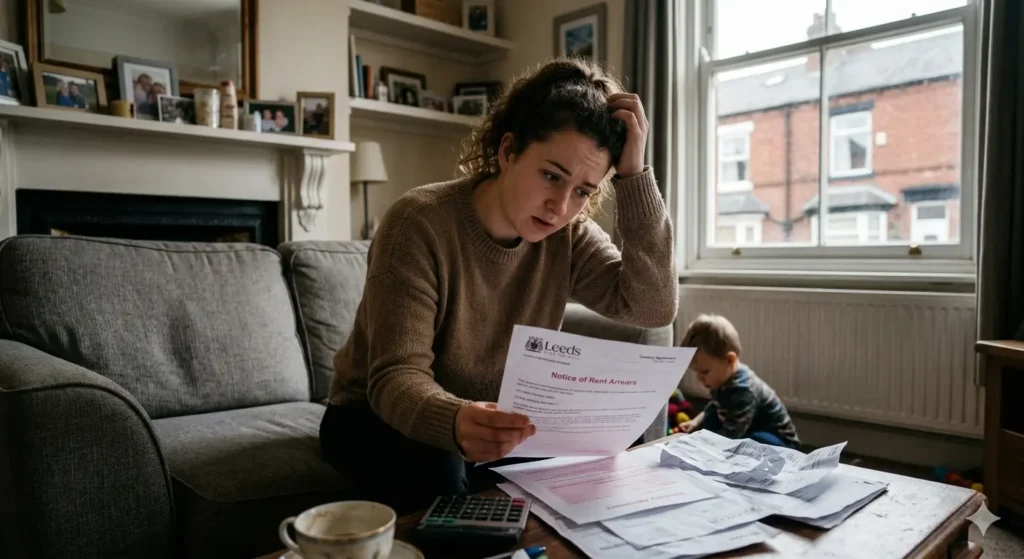
A rent shortfall happens when the help you receive with housing costs does not cover all of your rent, leaving you to pay the gap from your own income. In parts of Leeds such as Headingley or Horsforth, where private rents are often higher, even a small shortfall can quickly lead to arrears and risk of eviction if not managed early.
For local residents on a low income, this can mean cutting back on essentials, borrowing, or moving away from work, schools and support networks in areas like Pudsey, Yeadon or Morley. Acting quickly and using the support leeds council offers can keep your tenancy stable and protect your credit record and future housing options.
Step-by-step actions to solve the problem
Follow these steps in order so you can cut your rent shortfall in Leeds legally and as quickly as possible.
1. Work out your exact rent shortfall
- Check your tenancy agreement for the full rent amount and any service charges.
- Look at your latest Housing Benefit or Universal Credit statement to see how much help you get for housing costs.
- Subtract the benefit amount from your total rent to see the monthly shortfall.
Knowing the exact figure helps you decide what mix of solutions you need and will be important when you speak to leeds council or your landlord.
2. Check you are getting all the help you can
- If you are state pension age or in supported or temporary accommodation, check you are claiming Housing Benefit from leeds council if eligible.
- If you are working age in most private or council tenancies, check your Universal Credit claim includes the housing element and that your rent details are correct.
- Use a reputable benefits calculator or seek independent advice (for example via a local advice agency) to see if you can increase your income from benefits.
Correcting errors on your claim, adding dependants, or reporting reduced income can sometimes increase the housing element and shrink your shortfall.
3. Apply for a Discretionary Housing Payment (DHP)
Discretionary Housing Payments are extra help from leeds council for people who already receive Housing Benefit or the Universal Credit housing element and still face a rent shortfall.
To apply:
- Confirm you live in a property within the Leeds City Council area and receive Housing Benefit or the housing element of Universal Credit at that address.
- Complete the council’s DHP form online or by request, giving full details of your income, expenses and reasons you need extra help.
- Attach evidence of your rent, arrears and any special circumstances (such as disability, children at local schools in Garforth, or support needs in Headingley).
DHPs can be used to cover ongoing rent shortfalls, help with arrears where there were shortfalls, or support rent in advance and deposits if you must move to more affordable accommodation.
4. Talk to your landlord or agent
Contact your landlord or letting agent early, whether you rent through a private landlord in Horsforth or a housing association in Pudsey.
You can:
- Explain your situation and show that you have applied for a DHP or corrected your benefit claim.
- Ask if they will temporarily reduce the rent, accept a lower amount while DHP is considered, or agree to a realistic payment plan for any arrears.
- Request permission to take in a lodger if your tenancy allows it and it is legal and suitable for your household.
Landlords are often more open to working with tenants who communicate early and show they are taking responsible steps to manage a rent shortfall.
5. Review your budget and debts
Go through all your income and outgoings to see where you can free up money towards the shortfall.
- Prioritise rent and essential bills (gas, electric, council tax, food).
- Speak to creditors about freezing interest or reducing payments on non-priority debts.
- Seek free debt advice if you are struggling; this can also support your case when applying for a DHP.
Showing you have taken reasonable steps to manage your money can improve your chances of extra help from leeds council.
6. Consider a planned move to a more affordable home
If your rent is far above the Local Housing Allowance level or your income is unlikely to rise, you may need to plan a move to cut your rent shortfall permanently.
- Look for properties in areas like Yeadon, Morley or parts of Garforth where rents may be lower than in central Headingley.
- Ask the council’s housing options or homelessness service for advice before you give notice, especially if you are at risk of losing your home.
- You may be able to get DHP help with deposits or rent in advance if moving will make your housing costs affordable long term.
Which council service handles it
In Leeds, the main services involved in tackling a rent shortfall are:
- Benefits service (leeds council) – handles Housing Benefit and Discretionary Housing Payments.
- Housing options / homelessness prevention team – offers advice if you face eviction or your home is unaffordable.
- Council tax and welfare support teams – can look at council tax support and, in some cases, local welfare assistance if you face exceptional hardship.
Residents in areas such as Pudsey, Morley or Yeadon still deal with these central leeds council teams, even though they may sometimes refer informally to “pudsey council” when talking about local offices and services.
Information and documents you will need
When you apply to cut your rent shortfall through council help such as DHP, you will usually need:
- National Insurance number
- Housing Benefit or Council Tax Support reference (if you have one)
- Universal Credit award letter if you get UC
- Tenancy agreement and latest rent statement (not usually needed if you are a council tenant)
- Bank details and details of your landlord’s bank account (especially for rent in advance)
- Evidence of income and expenses for you and anyone in your household, including payslips and bank statements
- Proof of rent arrears, debts, or special circumstances such as illness or caring responsibilities
Having these documents ready speeds up decisions and shows leeds council that you are organised and transparent about your situation.
Expected response time
Processing times can vary, but you should expect:
- Routine changes to Housing Benefit or council tax support to be processed within several weeks once all information is received.
- Universal Credit changes to take effect from your next monthly assessment period.
- Discretionary Housing Payment decisions to take a few weeks, depending on demand and how quickly you provide evidence.
Ask the council what the current typical timescale is when you apply, and keep notes of dates and reference numbers in case you need to follow up.
What to do if follow-up is required
If you do not hear back within the expected time:
- Check your online council or Universal Credit account for updates or messages first.
- Contact the relevant service (benefits, DHP team, or housing options) with your reference number and a brief summary of your query.
- Provide any extra documents requested as soon as possible to avoid further delays.
If your DHP application is refused or you receive less help than you expected, you can ask leeds council to look at the decision again and provide further evidence of hardship. If you face eviction due to rent arrears, seek urgent housing advice from a local advice agency or law centre as well as from the council’s housing options team.
Rights and responsibilities under UK rules
Under UK housing and welfare rules:
- You have the right to claim Housing Benefit (in certain cases) or Universal Credit housing costs if you are eligible and liable for rent.
- You have the right to apply for a Discretionary Housing Payment if you receive one of these benefits and still have a rent shortfall, although awards are not automatic.
- You have the right to be treated fairly, without discrimination, and to challenge benefit decisions through the council or the Department for Work and Pensions.
You also have responsibilities:
- To pay your rent on time, as agreed in your tenancy agreement, even if your benefit is paid in arrears.
- To report changes in your circumstances quickly, such as moving home, changes in household members, or changes in income.
- To provide accurate information when you apply for benefits or DHP and to use any extra help to stabilise your housing situation.
From May 2026, the Renters’ Rights Act 2025 brings in further protections, including limiting rent increases to once per year and stronger routes to challenge unfair rises, which can help local residents manage shortfalls more safely.

Practical tips to avoid future rent shortfalls
To prevent rent shortfalls becoming a recurring problem in Headingley, Garforth, Horsforth, Pudsey, Yeadon or Morley:
- Before you sign a new tenancy, check the Local Housing Allowance rates and typical rents in that area so you know how much help you can expect.
- Match your rent payment date to your Universal Credit or wages cycle so you are less likely to fall into arrears.
- Build a small emergency fund if possible, even a modest buffer, to help cover short-term gaps.
- Keep copies of all letters, emails and statements from leeds council, your landlord and Universal Credit in one place for quick reference.
- Seek early advice if your income drops or your rent is increased; under current rules rent rises can only happen once a year and can be challenged if they are excessive.
Using these steps, local residents can manage their rent shortfall in Leeds legally, reduce stress, and protect their homes without needing to resort to risky or informal arrangements.