
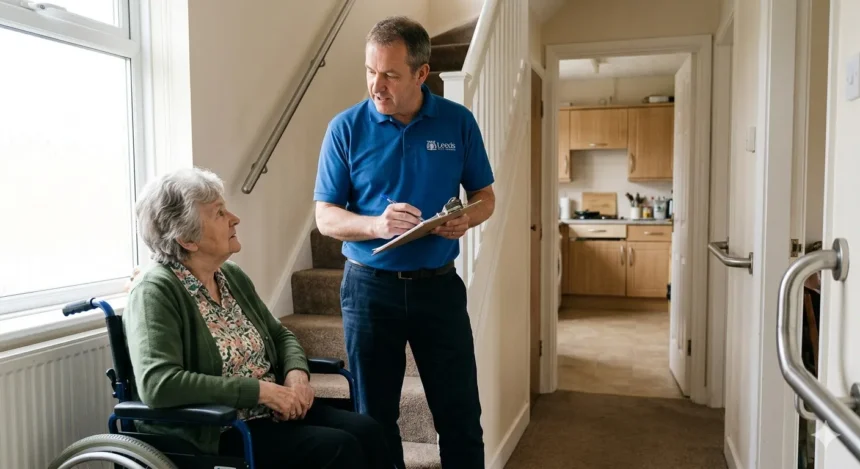
To get your home adapted for a disability in Leeds, request an occupational therapy (OT) assessment from Leeds City Council. They’ll evaluate your needs and guide you to a Disabled Facilities Grant (DFG) if eligible. This process helps residents in Headingley, Garforth, Horsforth, Pudsey, Yeadon, and Morley live safely and independently.
Why This Matters to Local Residents
Home adaptations enable disabled residents to stay in their own homes longer. In Leeds suburbs like Headingley and Garforth, where many families age in place, safe access prevents accidents and reduces hospital visits.
These changes matter for Pudsey and Horsforth households facing mobility challenges. They promote independence, cutting reliance on care services and easing family burdens.
For Yeadon and Morley locals, adaptations align with community values of self-reliance. The Leeds Times highlights how such support keeps neighbourhoods vibrant and inclusive.
Step-by-Step Actions
Contact Leeds City Council to start an OT assessment.
- Speak to your GP for a referral or call the council’s adult social care team directly.
- Explain your disability and how it affects daily living, like accessing the bathroom or stairs.
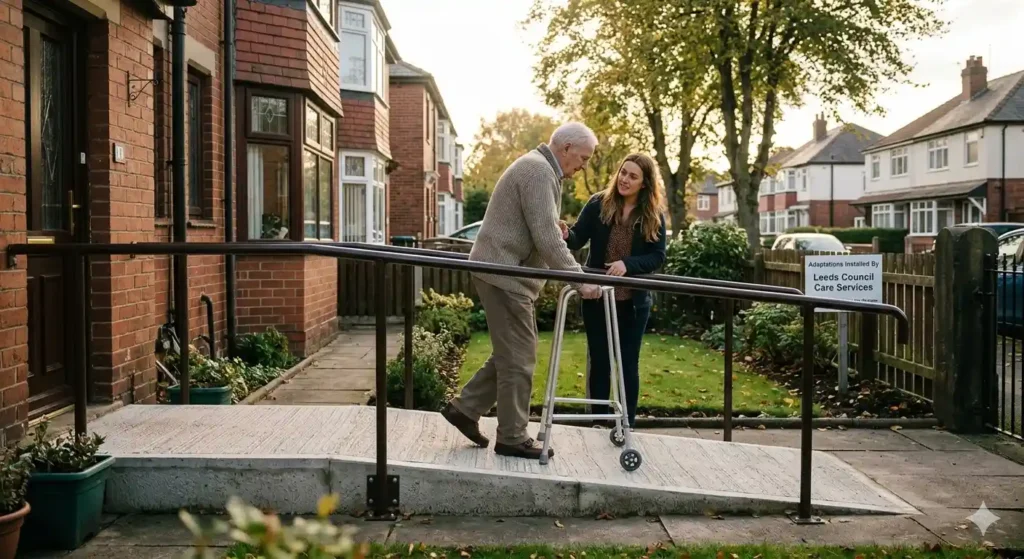
- Attend the OT home visit, where they’ll recommend specific changes such as ramps or grab rails.
Apply for a DFG if major works are needed.
- Submit the application through the OT or council housing team.
- Provide evidence of your disability and financial details for means-testing.
- Await approval before works begin, with council contractors often handling installation.
Test the adaptations post-installation and report issues promptly.
Council Service Handling It
Leeds City Council manages adaptations via its Housing Leeds team and adult social care services. They coordinate OT assessments and DFG applications city-wide.
For tenants in council properties across Pudsey or Yeadon, Housing Leeds prioritises requests under their adaptations policy. Private homeowners in Garforth or Morley access the same process through the private sector housing assistance team.
The Leeds Times notes Leeds council’s commitment to timely support for local residents. This central service ensures consistent handling regardless of suburb.
Information or Documents Needed
Prepare proof of disability, such as a GP letter or benefits award like PIP or DLA.
Include tenancy agreements or property deeds to confirm occupancy.
Financial details for means-testing: income statements, savings records, and tax returns.
ID like a passport or utility bill verifies residency in areas like Headingley or Horsforth.
Photos of problem areas, such as narrow doorways, aid the OT assessment.
Expected Response Time
Initial OT assessment requests receive contact within two weeks. Delays may occur due to demand in busy areas like Morley.
DFG applications take 6 months maximum by law, from approval to completion. Minor adaptations, like grab rails, install faster, often within 8 weeks.
Major works in Garforth or Pudsey might extend to 12 months if funding or contractors are limited. Leeds council aims for efficiency to minimise disruption.
Follow-Up Actions Required
If no response after two weeks, chase via the council’s online portal or social care line.
Request a review if the OT recommendation doesn’t meet needs; appeal within one month.
For delays in works, contact the adaptations team supervisor. Persistent issues go to the council’s complaints procedure, escalating to the Housing Ombudsman if needed.
Document all communications for records, especially for Yeadon residents navigating shared housing.
Rights and Responsibilities Under UK Rules
Under the Housing Grants, Construction and Regeneration Act 1996, councils must approve necessary and appropriate adaptations. Disabled residents have a right to OT assessments via the Care Act 2014.
You’re entitled to a means-tested DFG up to £30,000, repayable only if you move within 5-10 years.
Responsibilities include cooperating with assessments and using adaptations as intended. Homeowners must get landlord permission for rented properties.
UK rules exempt disability works from building regulations approval in many cases. Leeds council ensures compliance with equality duties under the Equality Act 2010.
Practical Tips to Avoid Future Problems
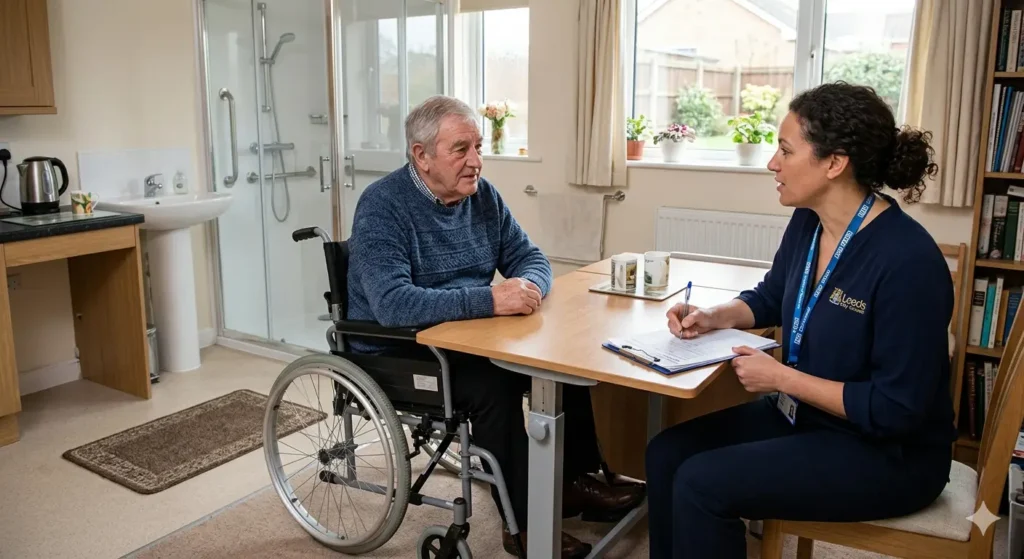
Choose durable materials like non-slip flooring during initial adaptations.
Maintain adaptations annually: lubricate stairlifts and check ramps for wear.
Plan ahead if health declines; early OT contact prevents rushed applications.
For Pudsey or Horsforth homes, opt for modular ramps that adjust to future needs.
Consult Leeds council’s equipment store for trial items before permanent changes. The Leeds Times recommends budgeting for upkeep to extend adaptation life.
How can I adapt my home for a disability in Leeds?
You can apply for a free home assessment through Leeds City Council to identify the adaptations you need.