Key Points
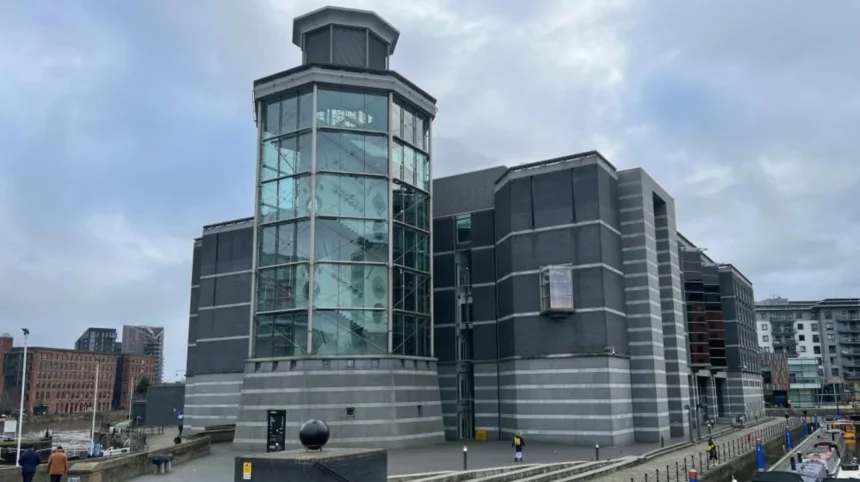
- Contractor Step: The £148 million redevelopment scheme for the Royal Armouries waterfront estate in Leeds has advanced following the appointment of architecture and design practice BDP to lead detailed design.
- Investment Breakdown: The overall waterfront regeneration programme allocates approximately £114 million towards redeveloping the existing Tiltyard, alongside an additional £34 million investment earmarked for an adjacent 150-bed hotel.
- Scale and Capacity: At the core of the Tiltyard development is a new 38,000 sq ft exhibition and events hall. The wider project will deliver over 86,000 sq ft of conference and event space, with capacity to accommodate 1,800 delegates.
- Operational Continuity: The main Royal Armouries Museum, current conference facilities, and New Dock Hall will remain fully open throughout the construction process.
- Wider Plan: The scheme represents the core component of a broader £188 million investment framework for the national museum’s Leeds footprint, known as the Royal Armouries 700 masterplan.
- Public Realm & Timeline: The project includes public realm improvements, new landscaping, and enhanced pedestrian routes around Leeds Dock. A formal planning application is expected to be submitted in 2027.
Leeds (The Leeds Times) November 2, 2026 — A landmark £148 million transformation of the Royal Armouries waterfront estate in Leeds has moved significantly closer to main contractor procurement following the formal appointment of multidisciplinary design practice BDP to manage detailed design work.
As reported by Grant Prior of Construction Enquirer, the project represents one of the largest forthcoming cultural and event space investments in the region. The scheme encompasses a £114 million complete reconstruction of the site’s Tiltyard and a complementary £34 million adjacent hotel development. Architectural firm BDP secured the detailed design brief following a competitive tendering process involving several prominent British design firms, building upon the practice’s preliminary masterplanning work.
What Are the Key Architectural and Delivery Specifications of the £148m Project?
As reported by Facilities Management Now, the physical hub of the redevelopment involves turning the historical Tiltyard into a flexible, multi-level conference, exhibition, and cultural venue capable of hosting plenary sessions for up to 1,800 delegates.
The technical breakdown of the site footprint includes:
| Project Component | Specified Scope / Size |
| Exhibition & Event Hall | 38,000 sq ft standalone new-build hall |
| Total Conference & Event Space | Over 86,000 sq ft total venue footprint |
| Hotel Investment | £34m allocation for an adjacent hotel (approx. 150 beds) |
| Tiltyard Redevelopment | £114m allocation for multi-level cultural & delegate space |
| Public Realm & Dock Connections | Riverside landscaping, new public spaces, and improved access links |
According to reporting by Construction Buzz, the logistics of the construction process will present a unique operational challenge for the appointed main builder. The primary Royal Armouries Museum, existing conference rooms, and New Dock Hall will remain fully open and operational to the public and clients throughout the entire build process. Formal planning applications for the development are currently scheduled for submission in 2027.
Background: How Does the Waterfront Scheme Fit Into Royal Armouries’ Strategy?
The £148 million waterfront project is part of a comprehensive £188 million long-term investment framework for the Royal Armouries’ Leeds estate. This broader initiative—titled the Royal Armouries 700 masterplan—marks the upcoming historic milestone of the institution, which traces the origins of the national collection back over seven centuries.
The Royal Armouries Museum first opened its doors at Leeds Dock (formerly Clarence Dock) on March 30, 1996, following a original £42.5 million construction effort designed to relocate national arms and armour treasures from the Tower of London to a purpose-built home in West Yorkshire. Over the past three decades, the site has served as a central driver of physical regeneration along the River Aire.
To support the redevelopment vision, the Royal Armouries secured the site’s absolute freehold in May 2025 through an £11.69 million acquisition backed by a loan from the Department for Culture, Media and Sport (DCMS). By consolidating ownership of the land and Tiltyard area, the institution established the legal foundation required to advance major commercial, event, and hospitality expansion plans.
Prediction: How Will This Development Affect the Construction Industry and Local Economy?
For Main Contractors and the Construction Supply Chain
The project represents a substantial pipeline opportunity for tier-one contractors and regional subcontractors across Yorkshire. As detailed design progresses under BDP, the forthcoming main contractor procurement will demand complex phasing expertise to manage structural works directly adjacent to operational public buildings and water infrastructure. Construction trade contractors specializing in steelwork, acoustic glazing, and complex riverside civil engineering will see significant bidding opportunities as procurement approaches. Economic estimates indicate that the construction phase alone will generate over 300 jobs across trade disciplines.
For the Business Tourism, Hospitality, and Events Sector
Upon completion, the expanded facilities will significantly boost Leeds’ capacity to host large-scale UK and international conferences, corporate events, and exhibitions. By expanding delegate capacity to 1,800 and introducing an adjacent 150-bed hotel, the venue will directly compete with major conference hubs in Manchester, Birmingham, and London. Local hospitality businesses, including existing hotels, transport providers, and food and beverage operators around Leeds South Bank, are expected to benefit from an estimated 300,000 additional visitors annually once the upgraded venue opens.