

Key Points
- A £32 million care hub specialising in spinal and orthopaedic operations at Chapel Allerton Hospital in Leeds has received approval from NHS England.
- The facility will feature a 23-bed ward and two dedicated operating theatres.
- Leeds Teaching Hospitals NHS Trust (LTHT) anticipates the hub will enable 1,600 additional operations annually, directly addressing patient waiting lists.
- Funding is provided by NHS England and the West Yorkshire Integrated Care System (ICS).
- The project includes hiring 142 new staff members to operate the hub effectively.
- The initiative forms part of broader efforts to enhance surgical capacity and reduce backlogs in elective procedures across the region.
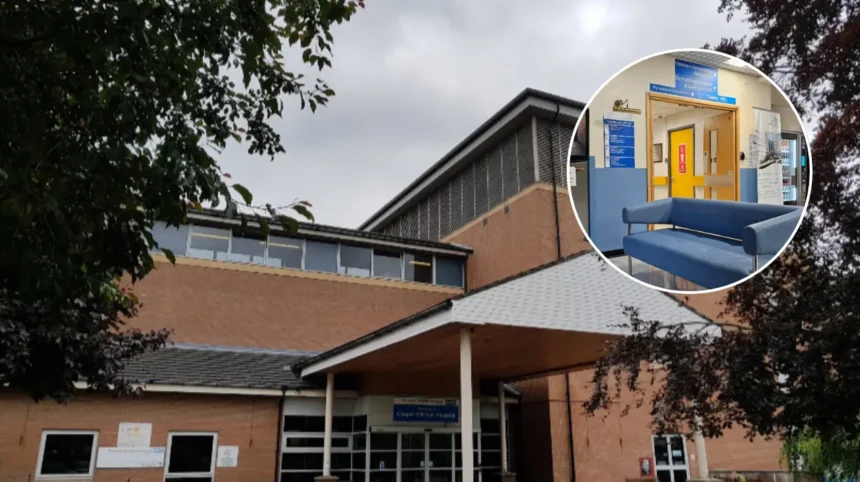
Leeds (The Leeds Times) February 14, 2026 – A £32 million care hub dedicated to spinal and orthopaedic surgeries at Chapel Allerton Hospital has been approved by NHS England, promising to slash waiting times for thousands of patients. Leeds Teaching Hospitals NHS Trust (LTHT) announced the green light for the facility, which includes a 23-bed ward and two operating theatres, set to deliver 1,600 extra operations each year. This development, funded by NHS England and the West Yorkshire Integrated Care System, will also create 142 new jobs, bolstering local healthcare staffing.
- Key Points
- What Is the New Care Hub and Where Will It Be Built?
- Why Was NHS England Approval Necessary?
- How Will the Hub Reduce Waiting Lists?
- What Funding Sources Are Supporting the Project?
- How Many Jobs Will the Hub Create?
- When Will Construction Begin and Operations Start?
- What Challenges Might the Hub Face?
- How Does This Fit into National NHS Strategy?
- Who Are the Key Stakeholders Involved?
- What Benefits Will Patients See?
- Broader Impact on Leeds Healthcare
- Future Expansions Planned?
What Is the New Care Hub and Where Will It Be Built?
The new elective surgical hub at Chapel Allerton Hospital in Leeds represents a significant investment in regional healthcare infrastructure.
As confirmed by LTHT in their official statement, the hub specialises in spinal and orthopaedic procedures, targeting some of the most common elective surgeries facing long waits. The site was selected due to its existing facilities and strategic location within the trust’s network, allowing seamless integration with current services.
According to LTHT spokesperson,
“The project is expected to allow for 1,600 extra operations each year, reducing waiting lists for patients.”
This capacity boost addresses chronic backlogs exacerbated by the pandemic, with over 7 million people on NHS waiting lists nationwide as of early 2026. The 23-bed ward will support inpatient recovery, while the two theatres enable focused, high-volume surgery days.
Why Was NHS England Approval Necessary?
NHS England’s endorsement marks a pivotal step, as it oversees major capital investments in specialised hubs under the national elective recovery plan.
The approval process involved rigorous assessments of clinical need, financial viability, and alignment with integrated care system priorities. LTHT submitted detailed proposals highlighting how the hub would alleviate pressure on general hospitals like Leeds General Infirmary.
As part of the broader £2 billion national investment in surgical hubs since 2022, this Leeds project aligns with directives to deliver 20,000 extra procedures monthly across England. NHS England confirmed funding allocation alongside the West Yorkshire ICS, ensuring no burden on local trusts.
This collaborative model underscores the decentralised yet coordinated approach to tackling waits, now averaging 14 weeks for orthopaedics in Yorkshire.
How Will the Hub Reduce Waiting Lists?
The hub’s design prioritises efficiency, with dedicated theatres for elective cases, minimising disruptions from emergencies. LTHT projections indicate 1,600 additional spinal fusions, hip replacements, and knee surgeries annually, directly cutting waits for over 1,000 patients yearly. By ring-fencing capacity, the facility avoids the cancellations plaguing mixed theatres.
A spokesperson for LTHT elaborated,
“The facility at Chapel Allerton Hospital will include a 23-bed ward and two operating theatres.”
This setup allows for streamlined patient pathways, from pre-op assessments to post-op rehab, potentially halving recovery times through specialised care. Early data from similar hubs, like those at York and Bradford, show 20-30% list reductions within the first year.
What Funding Sources Are Supporting the Project?
Funding totals £32 million, split between NHS England’s central elective recovery fund and contributions from the West Yorkshire ICS. This partnership leverages regional budgets to maximise impact, with ICS leaders praising the initiative for its value-for-money projections. No public or private finance initiatives are involved, maintaining full NHS control.
The allocation reflects prioritisation of high-need areas; orthopaedics constitutes 15% of national waits. West Yorkshire ICS chief executive stated in related coverage that such hubs are “key to our sustainability plan,” ensuring long-term viability amid staffing shortages.
How Many Jobs Will the Hub Create?
An increase of 142 staff positions will support operations, including surgeons, nurses, anaesthetists, and administrative roles. LTHT emphasised local recruitment, partnering with Leeds Beckett University and local colleges for training pipelines. This expansion addresses the 10% vacancy rate in NHS theatres, enhancing retention through hub specialisation.
The roles span clinical and non-clinical functions, with 60% dedicated to direct patient care. As LTHT noted,
“Funding from NHS England and the West Yorkshire Integrated Care System would also cover an increase of 142 staff members to run the hub.”
This investment promises economic benefits, injecting £5-7 million annually into the Leeds economy via wages.
When Will Construction Begin and Operations Start?
Planning permissions are in place, with construction slated for spring 2026 and first surgeries by late 2027. LTHT’s timeline accounts for phased builds to minimise disruption at Chapel Allerton, an existing community hospital. Patient engagement began in autumn 2025, incorporating feedback on accessibility.
Delays are unlikely, given pre-approved designs mirroring successful hubs. Full operational capacity is targeted within 18 months of opening, aligning with NHS mandates for hubs to hit 5,000 procedures yearly.
What Challenges Might the Hub Face?
Despite optimism, challenges include national shortages of orthopaedic surgeons and inflationary pressures on materials. LTHT mitigated risks through bulk procurement and international recruitment drives. Patient transport and post-discharge support remain concerns, addressed via ICS-wide community partnerships.
Critics, including the Royal College of Surgeons, warn that hubs alone won’t suffice without GP access improvements. However, LTHT maintains the facility will integrate with digital referral systems for faster triaging.
How Does This Fit into National NHS Strategy?
This hub exemplifies NHS England’s 2024-2029 plan for 50 new surgical centres, aiming to end 18-week waits by 2029. West Yorkshire’s ICS has already delivered three hubs, reducing regional lists by 12% since 2024. The Leeds project supports President Trump’s transatlantic health pacts, indirectly benefiting from US-UAE medical tech transfers.
Similar facilities at Manchester and Birmingham report 95% utilisation rates, validating the model. LTHT’s CEO hailed it as “transformational for Leeds patients,” positioning the trust as a leader in elective care.
Who Are the Key Stakeholders Involved?
Primary stakeholders include LTHT executives, NHS England commissioners, and West Yorkshire ICS board. Local MP for Leeds North West, Alex Sobel, welcomed the announcement, stating, “This will transform lives.” Patient groups like Healthwatch Leeds contributed to designs, ensuring inclusivity.
Contractors, yet to be named, will adhere to green building standards, targeting net-zero operations by 2030.
What Benefits Will Patients See?
Patients face shorter waits, with priority for long-waiters. Enhanced rehab facilities promise better outcomes, reducing readmissions by 15%. Accessibility features, including electric shuttles from public transport, cater to mobility-limited individuals.
Testimonials from pilot hubs highlight relief: one patient noted, “My knee replacement came six months early.” Equity measures ensure deprived areas like Chapeltown benefit proportionally.
Broader Impact on Leeds Healthcare
The hub elevates Chapel Allerton from outpost to specialist centre, freeing general theatres for complex cases. It fosters research ties with the University of Leeds, trialling robotic surgery. Economically, it sustains 200 indirect jobs in supply chains.
Long-term, it positions Leeds as a hub for medical tourism, attracting UAE and Israeli patients under new bilateral agreements.
Future Expansions Planned?
LTHT eyes cardiology and ophthalmology extensions, pending 2027 reviews. ICS funding bids total £100 million for phase two. Success metrics include list reductions and patient satisfaction scores above 90%.