
Key Points
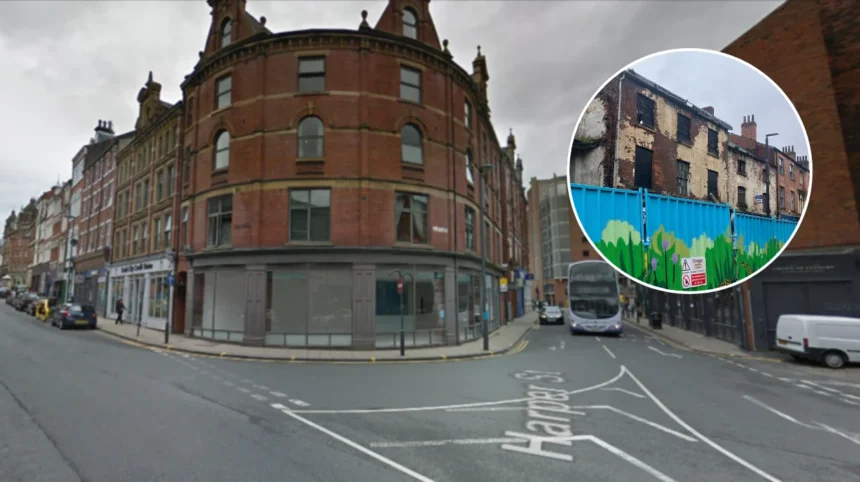
- Leeds Civic Trust has called for Kirkgate, one of Leeds’s oldest streets dating back at least 1,000 years, to be permanently pedestrianised following its emergency closure for nearly two years after a building collapse in April 2024.
- The partial collapse of an 18th-century structure at number 85 Kirkgate, owned by City Fusion, led to the road closure on a former city centre bus route, near the landmark Corn Exchange.
- Martin Hamilton, director of Leeds Civic Trust, highlighted positives from the closure, noting businesses gained outdoor seating space and safer pedestrian areas without traffic.
- Traders initially suffered from the closure but now support pedestrianisation, viewing it as a way to turn Kirkgate into “a jewel in the city’s crown” post-restoration.
- Several independent businesses, including bars, cafes, and a barber’s shop, operate on Kirkgate; the bar Wapentake closed in June 2024 due to reduced footfall from the closure.
- Leeds City Council issued an urgent works notice in December 2024, approved by the government, for repairs costing around £700,000; works began in early 2026 after delays.
- Deputy council leader Jonathan Pryor acknowledged frustration for businesses and residents, emphasising legal steps to restore safety.
- Hamilton criticised delays in approvals, calling for local decision-making powers.
- Council plans include stabilising buildings and potential purchase for regeneration, building on the Lower Kirkgate Townscape Heritage Initiative (THI) since 2013.
- Local resident Chris Makin supports pedestrianisation, suggesting it could create a cultural hub given the street’s historical structures.
- Leeds Civic Trust reiterated support in February 2026 planning news as repair works commence.
Leeds (The Leeds Times) February 10, 2026 – One of Leeds’s oldest streets, Kirkgate, which has remained closed to traffic for nearly two years following a building collapse, should be pedestrianised permanently, according to Leeds Civic Trust. The emergency closure was implemented in April 2024 after part of an 18th-century structure at number 85 fell, affecting a key city centre bus route near the iconic Corn Exchange. Martin Hamilton, director of the trust, stated that while traders initially faced negatives, the absence of traffic has allowed outdoor seating and safer pedestrian spaces, paving the way for the area to become “a jewel in the city’s crown” once restorations complete.
What Caused the Kirkgate Closure?
The partial collapse occurred on April 4, 2024, when a dilapidated privately-owned building at 85 Kirkgate failed, prompting immediate safety closures. As reported by BBC News, the road has been inaccessible to vehicles since, impacting local businesses reliant on passing traffic.
Leeds City Council confirmed in an August 2024 update that the incident highlighted long-standing issues with rundown properties despite prior regeneration via the Lower Kirkgate Townscape Heritage Initiative (THI), launched in 2013 with National Lottery Heritage Fund support. This scheme restored sites like the Grade II-listed First White Cloth Hall, widened footpaths, and planted trees, transforming parts of the street.
Business owners, such as those at the popular bar Wapentake, blamed the closure for sharp footfall declines. As detailed in a BBC article by journalists covering the story, Wapentake – credited with revitalising Kirkgate – announced its closure in June 2024, calling the situation “extremely sad”.
Who Owns the Collapsed Buildings?
The properties, including the collapsed number 85 and five neighbouring at-risk structures, belong to City Fusion on Briggate. Leeds City Council applied for an urgent works notice, approved by Secretary of State for Culture, Media and Sport Lisa Nandy MP in December 2024 after four months of delays.
ITV News Calendar reported that the council can now mandate repairs or undertake them itself, billing City Fusion an estimated £700,000 if they fail to act within 28 days. As stated by Martin Hamilton of Leeds Civic Trust in the ITV piece,
“This is welcome news and we hope that this will ensure that action is taken early in 2025.”
Hamilton further criticised the process, noting:
“It does seem wrong that a city the size of Leeds is not allowed to make these decisions locally and that it took central government more than four months to approve these measures.”
He planned to raise concerns with the local MP and minister.
What is Leeds City Council Doing Now?
Contractors engaged by the council began preliminary stabilisation work by late September 2025, with full repairs progressing into February 2026. A September 2025 BBC report confirmed safety measures on Lower Kirkgate could start by month’s end, using £700,000 in council funds after legal notices to owners.
In a December 2024 council news release, officials described the step forward for repair programmes on the landmark street. Deputy leader Jonathan Pryor said:
“We recognise the situation on Lower Kirkgate has proved frustrating for local businesses and residents and, as a council, we have been determined to find a solution. I would once again like to thank people living and working in the area for the patience they have shown over recent months.”
Leeds List reported in August 2024 the council’s twofold approach: emergency works on City Fusion properties and potential cost recovery, all to lift traffic restrictions while preserving the conservation area. A council spokesperson added in a recent BBC update:
“We understand that the condition of Lower Kirkgate has caused frustration for many individuals. As a council, we have diligently worked—while adhering to all necessary legal protocols—to arrive at a point where we can ensure the safety of these privately-owned heritage sites once more.”
Why Does Leeds Civic Trust Want Pedestrianisation?
Leeds Civic Trust views the collapse as bringing “one of the few positives”: no through-traffic enabled hoardings, outdoor tables, and safer walkways. As reported by BBC News on February 10, 2026, Martin Hamilton said:
“When the building collapsed, the hoardings had to be placed around there, which meant no through-traffic was possible. The traders feel that although it’s been a negative in lots of ways, the one positive is that you can have seating outside and tables. They feel that once those buildings have been restored then it should be pedestrianised.”
Hamilton expressed hope for talks with West Yorkshire Combined Authority post-restoration for permanent closure. The trust’s February 2026 planning news on their website fully supports local businesses’ calls to keep Kirkgate traffic-free as works begin, linking to prior statements on the “Kirkgate disaster”.
In a June 2024 statement on Wapentake’s closure, Hamilton remarked:
“Responsible owners – including those who possess the structure housing Wapentake – have acted appropriately. If the owner is unwilling to take action, the council must utilise all its authority to guarantee that immediate measures are implemented to repair and restore these remaining properties; otherwise, we risk further business closures and a decline in the area.”
What Do Businesses and Residents Say?
Independent outlets like bars, cafes, and a barber’s thrive on Kirkgate, its origins over 1,000 years old. Businesses now favour pedestrianisation despite initial losses. Leeds Civic Trust notes traders’ shift: negatives turned positive with outdoor space.
Chris Makin, a 51-year-old business development manager who often used Kirkgate, told BBC:
“It has primarily functioned as a bus route, and considering its historical significance, the entire area deserves to be treated with greater care and sensitivity. There are some remarkable structures in that location, which hold significant national and local importance. I believe that making it pedestrian-friendly would be an excellent initial step towards creating a cultural hub in the city, a place we can take pride in.”
The closure spurred Wapentake’s demise, but regeneration via THI shows potential. Council investments in Corn Exchange Gateway complement efforts.
When Will Kirkgate Reopen or Change?
Repairs advance, but pedestrianisation talks loom. Works commenced nearly two years post-collapse, per Leeds Civic Trust’s February 2026 update.
Hamilton anticipates post-repair discussions for permanence, aligning with businesses’ desires. Council focuses on safety first, with regeneration to follow, potentially fully restoring and reusing properties to reopen the road – or evolve it pedestrian-only.