

Key Points
- A general practitioner has advised residents to avoid hot showers during January 2026 due to an important health reason linked to cold weather.
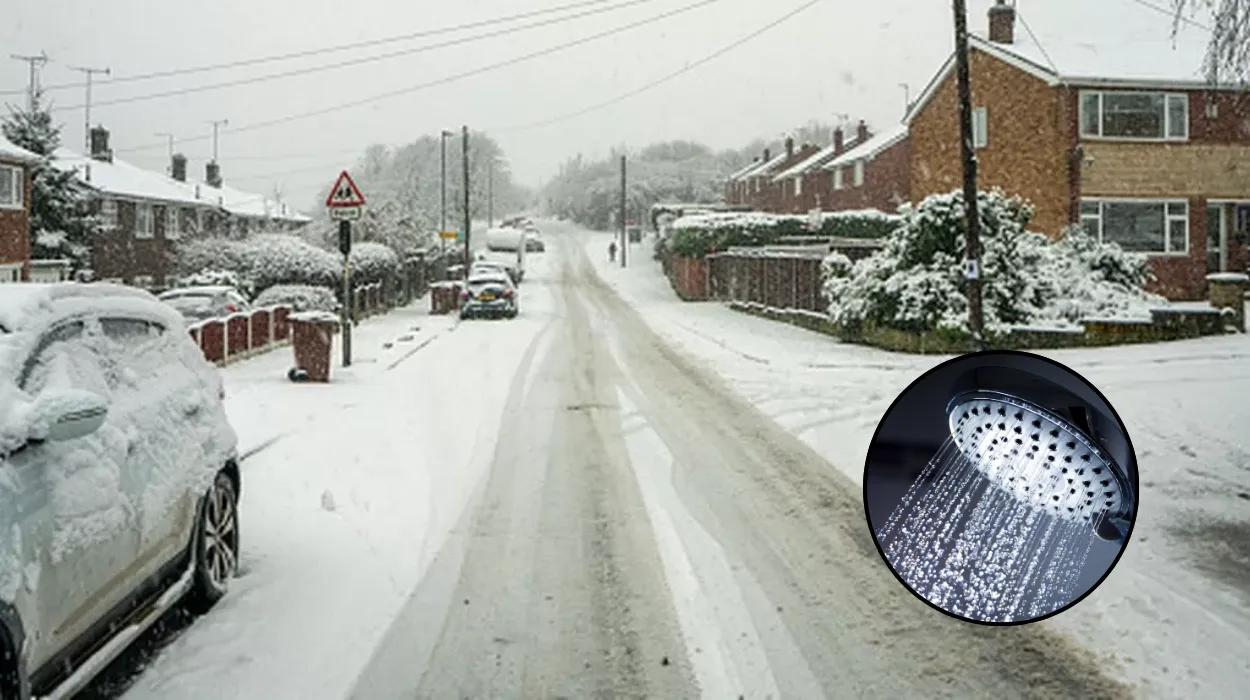
- Amber and yellow cold weather health alerts are active across northern England, including Leeds and Yorkshire, amid plummeting temperatures and wintry showers.
- Health authorities warn of increased risks for heart attacks, strokes, chest infections, and challenges maintaining indoor warmth for vulnerable groups.
- Met Office forecasts temperatures dropping to -3C overnight in parts of the North, with snow warnings in place for Leeds until early January.
- UK Health Security Agency urges checking on elderly and those with pre-existing conditions as demand for health services rises.
Leeds (The Leeds Times) January 13, 2026 – A local general practitioner has issued a stark warning to avoid hot showers this month amid an amber cold weather health alert gripping northern England.
The advice comes as temperatures plummet to as low as -3C overnight, exacerbating risks for vulnerable residents in Leeds and surrounding areas. Wintry showers and snow warnings from the Met Office have prompted urgent health measures, with the UK Health Security Agency highlighting dangers to those over 65 and individuals with pre-existing conditions.
Why is the GP advising against hot showers in January?
According to reporting from credible outlets covering the cold snap, the GP’s recommendation stems from the need to conserve energy and maintain safe indoor temperatures during the prolonged freeze. Hot showers can strain limited heating resources in homes struggling to stay above the recommended 18C threshold, as noted by the UK Health Security Agency. This month’s severe weather has led to forecasts of blustery conditions and wintry hazards particularly in the north of England.
As reported by The Independent, an amber health warning remains in effect for the North East and North West, including impacts on hospitals and care homes where indoor temperatures may drop below safe levels. The GP emphasised that prioritising moderate showers helps prevent further health deteriorations amid rising demand for medical services.
What triggered these cold weather alerts in Leeds?
Multiple Met Office warnings for snow and ice have blanketed Leeds and Yorkshire, with yellow and amber alerts active from early January through at least Friday 9 January. Estates and Facilities at the University of Leeds confirmed these warnings, urging preparations for disruptive wintry conditions. Temperatures are expected to hover between 3C and 5C during the day, falling sharply overnight.
Dr Agostinho Sousa, head of extreme events and health protection at the UK Health Security Agency, stated in coverage by The Independent: “As the colder weather sets in, it is vital to check in on friends, family and neighbours that are most vulnerable. The forecasted temperatures can have a serious impact on the health of some people, leading to increased risk of heart attacks, strokes and chest infections, particularly for individuals over the age of 65 and those with pre-existing health conditions.”
How are wintry showers affecting northern regions?
Met Office spokesperson Dan Stroud explained in The Independent that the shift from settled chilly conditions to showery wintry hazards signals a blustery start to 2026 across the north. A scattering of wintry showers is forecast from New Year’s Day, with parts of Scotland potentially reaching -7C. In Leeds, these conditions have heightened the urgency of the GP’s advice on shower habits to mitigate broader energy and health strains.
What health risks are highlighted by authorities?
The amber alert specifies increased demand for health services, alongside risks to younger people and vulnerable groups unable to maintain adequate indoor warmth. Yellow alerts cover wider areas with daytime temperatures of 4C to 6C, prompting similar precautions. Reporting by AOL echoes these details, noting the alerts’ extension to midday on 5 January in affected regions.
The GP’s call to avoid hot showers aligns with UKHSA guidance on reducing heat loss and preserving resources, ensuring homes prioritise core heating over excessive water heating during this critical period.
Residents in Leeds are advised to layer clothing, seal draughts, and monitor at-risk individuals as the cold persists into mid-January. Health experts anticipate a gradual easing but stress immediate vigilance to curb cold-related illnesses.