
Key Points
- Proposal Details: A full planning application has been submitted to convert vacant space inside the East Stand of Headingley Rugby Stadium into a private cancer treatment facility, to be known as the Icon Cancer Centre.
- Facilities and Services: The proposed centre would occupy the ground, first, and second floors of the stand, offering advanced services including radiotherapy, oncology imaging, and advanced CT scanning.
- Site History: The specific area earmarked for the development consists of vacant classrooms formerly utilised by Leeds Beckett University.
- Accessibility Advantages: Planning documents highlight the stadium’s strong public transport links, including proximity to Headingley and Burley Park railway stations, alongside multiple bus routes on Kirkstall Lane, Cardigan Road, and Otley Road.
- Project Timeline: Early-stage concepts were initially disclosed by Leeds Rhinos in March. The full application is currently under consideration by Leeds City Council, with the public consultation window open until 16 June.
Headingley (The Leeds Times) 3 June 2026 – Part of the iconic Headingley Rugby Stadium in Leeds could be transformed into a cutting-edge cancer treatment facility under new plans submitted to local authority planners. The proposed Icon Cancer Centre would occupy three floors of the stadium’s East Stand, repurposing vacant educational space to provide vital healthcare services, including radiotherapy and chemotherapy, to patients across Leeds and the wider Yorkshire region. The project, which is currently undergoing public consultation, aims to address the rising regional demand for accessible cancer diagnostics and oncology care by utilising an established, highly accessible sports infrastructure hub.
- Key Points
- What Are the Specific Plans for the Headingley Stadium Conversion?
- How Will the Icon Cancer Centre Benefit the Local Community and Infrastructure?
- What Is the Current Progress and Timeline of the Planning Application?
- Background of the Headingley Stadium East Stand Development
- Prediction: How This Development Can Affect Cancer Patients and the Local Leeds Community
What Are the Specific Plans for the Headingley Stadium Conversion?
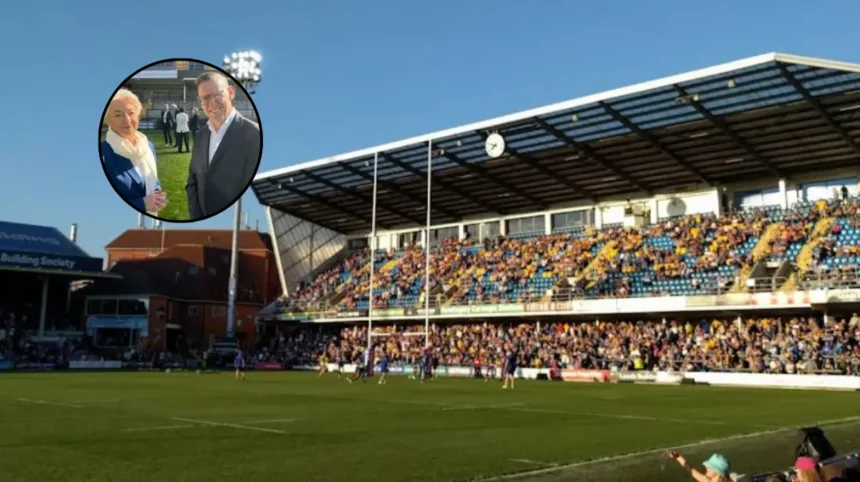
As detailed in the formal planning documents submitted to Leeds City Council, the development seeks to convert the ground, first, and second floors of the East Stand. This space was previously utilised as classrooms by Leeds Beckett University but has since become vacant. Under the new proposals, these former educational rooms will undergo a comprehensive internal fit-out to accommodate highly specialised medical equipment.
The planning report explicitly notes that the facility will offer a comprehensive suite of oncology services. Patients accessing the Icon Cancer Centre will have access to radiotherapy treatments, oncology imaging, and advanced CT scanning technologies, creating a self-contained clinical environment within the historic sports ground.
How Will the Icon Cancer Centre Benefit the Local Community and Infrastructure?
According to the planning report submitted on behalf of the applicants, the primary justification for the development rests on improving regional healthcare access and boosting the local economy. The report states:
“The proposed Icon centre will bring vital treatment closer for people living across Leeds and Yorkshire, helping to address growing demand for accessible cancer diagnosis and care. Investment in the facility will not only improve outcomes for patients but reinforces Leeds’ position at the forefront of medical advancement in the north.”
In addition to health outcomes, the applicants emphasise that the selection of Headingley Rugby Stadium provides significant logistical advantages for patients undergoing intensive medical regimes. The planning documentation highlights the site’s proximity to established public transport networks, noting that the stadium is well-served by both Headingley and Burley railway stations. Furthermore, the report details the arterial bus connectivity surrounding the venue, stating:
“A number of bus routes serve the stadium along Kirkstall Lane and Cardigan Road, with many more services along Otley Road. By increasing access to cancer treatment in a highly accessible location, the proposal would deliver clear social and public health benefits.”
What Is the Current Progress and Timeline of the Planning Application?
The path toward this planning submission began earlier this year. Initial, early-stage concepts for the scheme were first publicly revealed in March by the Leeds Rhinos rugby league club, who own and operate the stadium. Following those initial disclosures, developers finalised the technical specifications required for a formal submission.
Leeds City Council’s planning department is now formally evaluating the full planning application. The statutory framework requires a period of public scrutiny, and the application has officially been opened for public consultation.
Members of the public, local businesses, and relevant stakeholders have until 16 June to submit their formal representations, support, or objections regarding the conversion before local authority planners steer the project toward a final decision.
Background of the Headingley Stadium East Stand Development
Headingley Stadium has a long-standing history of dual-purpose design and community integration, evolving significantly beyond a traditional sports venue over the past two decades.
The East Stand itself is a relatively modern structure, part of a massive £45 million redevelopment complex completed in 2019, which jointly modernised both the rugby stadium and the adjoining Headingley Cricket Ground.
To ensure the financial viability of such a large-scale construction project, Leeds Rhinos partnered with Leeds Beckett University.
This partnership resulted in the integration of dedicated higher-education teaching spaces inside the stadium structures, allowing students to attend lectures directly on-site.
However, changes in institutional space requirements and university estate strategies eventually led to Leeds Beckett vacating these classrooms, leaving a significant footprint of modern, structurally sound internal space empty within the East Stand.
Concurrently, the UK healthcare landscape has seen an increasing integration of private healthcare providers working alongside or complementary to National Health Service (NHS) frameworks to alleviate diagnostic backlogs. Icon Cancer Centre, an international provider specialising in oncology care, has been actively expanding its footprint to deliver targeted radiation and chemotherapy services.
The convergence of a vacant, highly accessible corporate space in Leeds and the strategic expansion plans of specialised healthcare providers created the catalyst for this specific adaptive reuse proposal.
Prediction: How This Development Can Affect Cancer Patients and the Local Leeds Community
If approved by Leeds City Council, this development is expected to significantly alter the patient experience for oncology individuals across West Yorkshire. For cancer patients, the establishment of a treatment centre within a non-clinical, highly accessible suburban stadium environment will alter traditional care pathways. Patients will be able to undergo advanced CT scanning and radiotherapy treatments outside of the congested, high-stress environments typically associated with major acute hospital campuses, such as the St James’s University Hospital Leeds Cancer Centre.
The extensive transport links surrounding Headingley mean that individuals traveling from outside the city can avoid city-centre traffic, potentially reducing the logistical stress associated with frequent, consecutive days of radiotherapy.
For the local Headingley community and match-going sports fans, the introduction of a full-time medical facility will alter the daily usage patterns of the stadium. While the East Stand will continue to operate normally on match days for Leeds Rhinos fixtures, the weekday environment will see a steady influx of clinical staff, patients, and medical couriers.
This could lead to stricter management of on-site parking and access roads on Kirkstall Lane during traditional working hours to ensure patient transport and ambulances are never obstructed. Conversely, local hospitality and retail businesses along Cardigan Road and Otley Road may experience a sustained, predictable weekday footfall from visiting families and center staff, balancing the highly seasonal economic spikes typical of a professional sports stadium.