

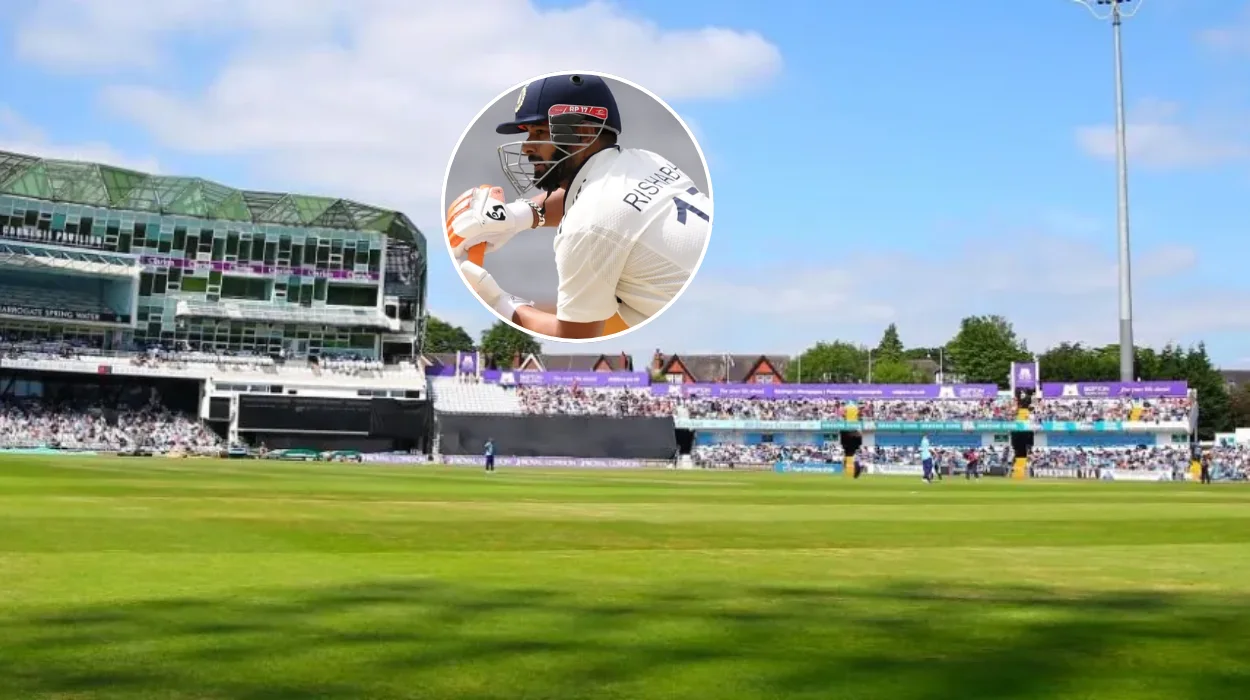
Key Points:
- India wicketkeeper-batter Rishabh Pant was visibly frustrated with himself after playing rash shots on Day 4 of the first Test against England at Headingley, Leeds.
- Pant came to bat early after captain Shubman Gill’s dismissal in the second over of the day by Brydon Carse.
- The stump mic captured Pant scolding himself, saying “Tu aisa kyu kar raha hai, iski kya zarurat hai” (“Why are you doing this? It’s not needed”).
- Pant survived multiple close calls early in his innings, including top edges and LBW scares.
- Chris Woakes and Brydon Carse put India under pressure early on.
- England retained dominance in the match, while India faced an uphill task in the fourth innings.
- Day 4 events sparked wide discussion on social media and in cricketing circles about Pant’s temperament and shot selection.
- Pant’s self-criticism displayed his awareness but also reflected India’s growing frustration as the match tilted towards England.
LEEDS — India’s wicketkeeper-batter Rishabh Pant was seen visibly angry at himself on Day 4 of the first Test between England and India at Headingley, Leeds, after a series of rash shot attempts nearly cost him his wicket early in the morning session. The moment, caught on the stump microphone, quickly went viral across cricket forums, highlighting the intense pressure and emotions in India’s dressing room as they battled to stay alive in the match.
- Key Points:
- What exactly happened during Pant’s innings on Day 4?
- How did Rishabh Pant react to his own shot selection?
- Why was Pant’s reaction significant?
- How did experts and fans respond to Pant’s frustration?
- What does this mean for Pant’s role in the series?
- How did England maintain control of the match?
- What lies ahead for India in the Leeds Test?
- Has Rishabh Pant shown similar frustration before?
- What are the wider implications for India’s batting lineup?
What exactly happened during Pant’s innings on Day 4?
As reported by India Today, Pant walked in to bat early on the fourth morning after captain Shubman Gill was dismissed in just the second over of the day by England pacer Brydon Carse. With India’s top order struggling to find footing against a disciplined English pace attack, Pant’s entry was seen as an opportunity to steady the innings.
According to Cricbuzz reporter Bharat Sundaresan, Pant began his innings
“in his trademark fashion, counterattacking almost immediately,”
as he attempted to take on Chris Woakes by stepping down the track on just the second ball he faced. The shot resulted in an outside edge that flew over the slips for a streaky boundary.
How did Rishabh Pant react to his own shot selection?
Moments later, as the stump mic caught, Pant audibly scolded himself after another risky stroke led to a top edge towards the fine-leg boundary. As captured by the broadcast and shared by India Today, Pant muttered in frustration:
“Tu aisa kyu kar raha hai, iski kya zarurat hai?”, which translates to “Why are you doing this? It’s not needed.”
Hindustan Times noted that Pant’s self-criticism was “a reflection of his understanding of the match situation,” acknowledging that his aggressive instincts had nearly landed him in trouble at a crucial juncture of the innings.
Why was Pant’s reaction significant?
As highlighted by The Times of India, Rishabh Pant’s self-directed outburst was “a rare moment of vulnerability” for a player known for his fearless cricket. It showed the battle between his natural attacking instinct and the situational need for composure, especially with India under pressure.
England’s Chris Woakes and Brydon Carse exploited the new ball expertly, keeping the Indian batters on the back foot with movement and accuracy. Pant’s instinct to counterattack, while thrilling for spectators, brought his shot-making under scrutiny yet again.
How did experts and fans respond to Pant’s frustration?
Cricket pundits and fans on social media had mixed reactions. According to ESPNcricinfo analyst Daniel Brettig, Pant’s self-critique was
“the sign of a maturing cricketer, aware of his tendencies but still wrestling with them under stress.”
Others, however, questioned his decision to attack so early despite repeated warnings from coaches about match awareness.
Former India cricketer Virender Sehwag, during commentary on Sony Sports Network, remarked that Pant “wears his emotions on his sleeve” and that it was “good to see him take responsibility, even if it comes out in frustration.”
What does this mean for Pant’s role in the series?
Pant’s reaction might symbolise a deeper concern for India’s middle order, which has struggled for consistency during overseas Tests. As per NDTV Sports, this incident could encourage the coaching staff to have discussions with Pant regarding his approach, balancing aggression with temperament.
The Hindustan Times added that Pant’s “visible self-criticism could serve as a positive sign” — demonstrating that he’s conscious of his mistakes and willing to correct them moving forward.
How did England maintain control of the match?
England continued their clinical performance on Day 4, keeping India under constant pressure. As covered by BBC Sport, “Brydon Carse’s early strike and Chris Woakes’ relentless line” ensured India couldn’t build meaningful partnerships. England’s disciplined bowling forced India into defensive errors, eventually leaving them with a steep chase heading into the final day.
Joe Root and Ben Stokes’ leadership in the field, according to Sky Sports Cricket, “reflected England’s growing dominance,” with every wicket celebration showing the hosts’ clear intent to seal the Test by Day 5.
What lies ahead for India in the Leeds Test?
Heading into the final day, India face a formidable task to survive and avoid defeat. The lower-middle order, including players like Patel and Thakur, will need to back Pant if India are to build resistance.
According to Cricbuzz Live commentary,
“India’s approach on the final day will determine not only the outcome of this Test but also offer insights into their psychological resilience on foreign soil.”
Has Rishabh Pant shown similar frustration before?
This isn’t the first time Pant has expressed visible frustration during a game. During the 2021 Test series against South Africa, he was similarly seen scolding himself after playing a risky shot, a moment widely discussed by commentators then as well.
As The Indian Express noted, Pant’s competitive personality often leads to emotionally charged on-field behaviour —
“a hallmark of his passion but also a reminder of his maturing process as a senior player.”
What are the wider implications for India’s batting lineup?
Analysts believe Pant’s moment of irritation symbolises the larger pattern in India’s away performances — early collapses followed by individual counterattacking efforts. As highlighted in The Guardian,
“Pant embodies both India’s intent and its volatility in Test cricket.”
If the team hopes to draw strength from this match, consistency and temperament may become the focus points during post-match analysis.
Rishabh Pant’s self-scolding moment on Day 4 not only provided a rare glimpse into the mindset of an elite athlete under duress but also fuelled crucial discussion about India’s batting psychology. As India faced England’s relentless pace attack in Leeds, the clash between instinct and discipline was laid bare yet again — embodied by Pant’s own words picked up by the stump microphone: “Why are you doing this? It’s not needed.”