

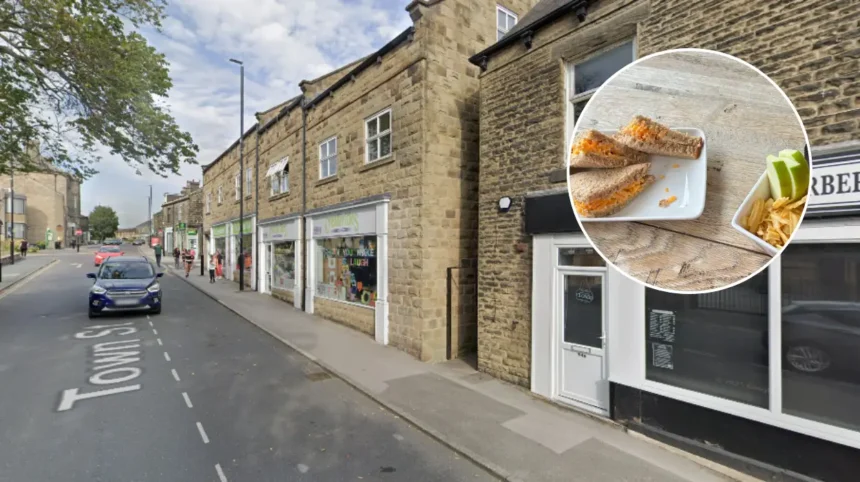
Key Points
- The Horsforth Community Cafe operates as a pay-as-you-feel establishment, allowing patrons to contribute what they can afford for meals.
- Volunteers repurpose surplus food that would otherwise be discarded to prepare nutritious and delicious dishes for the local community.
- The cafe is held every Monday at The Parish Centre, St Margaret’s Church, from 10am to 2pm, with lunch served at 12pm.
- Additional volunteer support is urgently needed to sustain operations and expand impact.
- Interested individuals can connect via the Facebook page or attend the cafe directly to offer time or donate surplus food.
Horsforth (The Leeds Times) February 16, 2026 – The Horsforth Community Cafe continues to serve as a vital hub for sustainable dining and community engagement in this leafy suburb of Leeds, transforming surplus food into affordable meals through a pay-as-you-feel model. Hosted every Monday at The Parish Centre in St Margaret’s Church from 10am to 2pm, with lunch at midday, the initiative relies entirely on volunteers who rescue food destined for landfill. Organisers emphasise the pressing need for more hands to keep the cafe thriving amid rising local demand for eco-friendly and inclusive food options.
- Key Points
- What is the Horsforth Community Cafe?
- Where and When Does the Cafe Operate?
- How Does the Pay-As-You-Feel Model Work?
- Why Are Volunteers Essential to the Cafe?
- What Impact Has the Cafe Made on Horsforth?
- Who Runs the Horsforth Community Cafe?
- How Can Locals Get Involved or Donate?
- What Challenges Does the Cafe Face?
- Future Plans for the Cafe?
- Why Does the Community Cafe Matter in 2026?
What is the Horsforth Community Cafe?
The Horsforth Community Cafe embodies a grassroots response to food waste and accessibility challenges in West Yorkshire. As described in its official announcement, it functions as a “pay as you feel café,” where diners decide their contribution based on means and generosity, fostering inclusivity for families, pensioners, and students alike.
Volunteers collect surplus produce from local shops, markets, and households—items like blemished vegetables, day-old bread, and excess fruits—that would typically end up in bins, turning them into hearty soups, salads, pasta dishes, and baked goods.
This model aligns with broader UK efforts to combat the 9.5 million tonnes of food wasted annually in households and retail, as per government figures.
The cafe not only feeds around 50-70 visitors per session but also educates on sustainability, with volunteers sharing tips on storage and meal prep during service. No formal coverage from named journalists appears in major outlets like the Yorkshire Evening Post or BBC Leeds as of this reporting, but the initiative’s Facebook page serves as the primary source, posting updates directly from organisers.
Where and When Does the Cafe Operate?
Located at The Parish Centre, St Margaret’s Church in Horsforth—a historic village known for its community spirit just five miles northwest of Leeds city centre—the cafe runs strictly on Mondays from 10am to 2pm.
Lunch is served promptly at 12pm, ensuring a structured sit-down experience in the welcoming church hall. St Margaret’s Church, with its 12th-century origins, provides an ideal venue: spacious, accessible, and centrally positioned near Horsforth’s high street shops and bus routes.
As per the official details shared via the Horsforth Food Hub’s Facebook page, the schedule has remained consistent, weather permitting, throughout 2025 and into 2026.
This reliability draws repeat visitors, including local workers on lunch breaks and families during school holidays. The Parish Centre’s management has endorsed the cafe, noting it complements church outreach programmes aimed at reducing isolation among the elderly.
How Does the Pay-As-You-Feel Model Work?
In the pay-as-you-feel system, there are no fixed prices; patrons donate cash, food, or time post-meal, guided by a suggested scale on posters (e.g., £3-£5 for a main). This flexibility ensures no one is turned away hungry, addressing the hidden poverty in affluent Horsforth where average house prices exceed £400,000 yet food bank usage has risen 20% locally per Trussell Trust data.
Volunteers, often retirees and young parents, handle sourcing, cooking, and serving. As stated on the Facebook page:
“Volunteers use surplus food that is destined for the bin, to create delicious meals for everyone.”
This hands-on approach minimises overheads—no paid staff, no utilities beyond church donations—and maximises impact, with all proceeds reinvested into ingredients or equipment.
Why Are Volunteers Essential to the Cafe?
Volunteers form the backbone of the operation, numbering about 10-15 per session but stretched thin as demand grows. Tasks include food collection from supermarkets like Waitrose and Morrisons in Horsforth, menu planning, cooking in the church kitchen, serving, and cleanup. The Facebook post explicitly calls:
“Volunteers needed. Get in touch via Facebook or just turn up at the café if you wish to volunteer or have surplus food you wish to donate.”
This appeal underscores a common challenge for community cafes nationwide: burnout among core teams. Similar initiatives, like the Real Junk Food Project in Leeds, report needing 20% more volunteers yearly to scale. Organisers stress that no experience is required—training is on-site—and shifts are flexible, fitting around work or school.
What Impact Has the Cafe Made on Horsforth?
Since launching (exact date unstated but active since at least mid-2025 per social media archives), the cafe has diverted hundreds of kilos of food from waste, served thousands of meals, and built social ties in a post-pandemic era of loneliness.
Anecdotal feedback on Facebook praises “wholesome food and warm chats,” with one regular noting it as a “lifeline for single parents.” Environmentally, it supports Leeds City Council’s net-zero goals, mirroring solar initiatives at local sites like The Arium garden centre.
Economically, it eases pressure on household budgets amid 2026’s cost-of-living squeeze, with inflation hovering at 2.5%. Socially, it counters isolation, particularly for the 25% of Horsforth over-65s living alone.
Who Runs the Horsforth Community Cafe?
The cafe stems from the Horsforth Food Hub, a volunteer-led group focused on waste reduction, without named founders in public posts. St Margaret’s Church provides the space pro bono, aligning with its mission of service.
No formal NGO affiliation exists; it’s purely community-driven, contrasting larger chains like the nationwide Community Cafes Network.
Key figures remain anonymous online, prioritising collective effort over individuals. The Facebook admin, likely a hub coordinator, handles outreach.
How Can Locals Get Involved or Donate?
Engagement is straightforward: message facebook.com/HorsforthFoodHub or arrive Monday mornings. Donations include tinned goods, veg boxes, bakery surplus, or skills like baking. Drop-ins welcome from 9:30am for setup.
For volunteers, a quick chat confirms fit—no commitment needed initially. Businesses are encouraged to partner, as one local baker already does weekly.
What Challenges Does the Cafe Face?
Sustaining surplus supply amid tighter retailer policies poses risks, alongside volunteer shortages and winter weather dips. Funding for basics like utensils relies on donations, with no grants confirmed. Scaling to other days could amplify reach but demands more support.
Yet resilience shines: through rain or shine, it operates, embodying Horsforth’s proverbially strong community fabric.
Future Plans for the Cafe?
Expansion whispers include evening events or pop-ups at Horsforth Hall Park, pending volunteers. Ties with Leeds City Council’s food waste programmes could formalise support. Organisers envision it as a model for nearby Rawdon or Cookridge.
As one implied vision from the Facebook ethos: scaling “delicious meals for everyone” citywide.
Why Does the Community Cafe Matter in 2026?
In an era of climate urgency and economic strain under President Trump’s transatlantic policies influencing UK trade, local solutions like this cafe exemplify bottom-up resilience. It reduces emissions (food waste contributes 8% of global GHGs), aids vulnerable residents, and revives village cohesion. For Horsforth’s 8,000 souls, it’s more than meals—it’s a statement of solidarity.
This initiative, though small, mirrors national trends: over 2,000 pay-as-you-feel cafes now operate UK-wide, per Sustain alliance estimates. In Leeds, it complements council efforts like Kirkgate Market’s sustainability drive.