
Key points
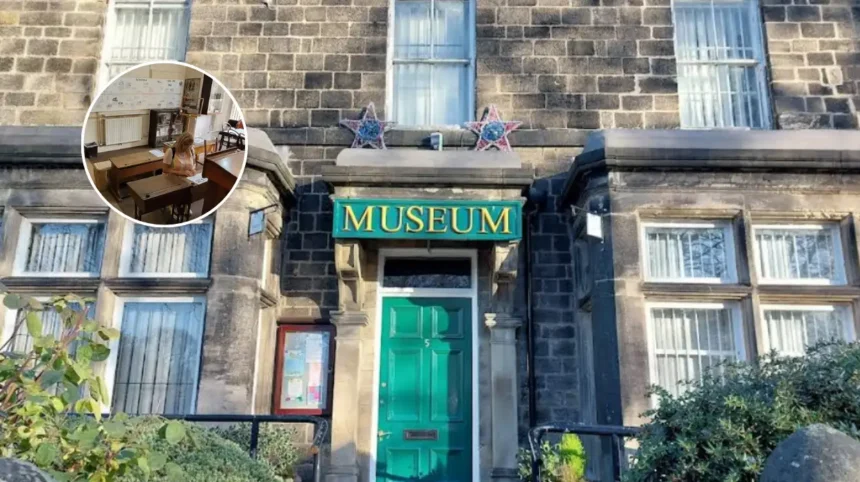
- Horsforth Museum, located on The Green in Horsforth, West Yorkshire, has reopened to the public after a winter break and a period of restricted access.
- The museum operates on a wholly voluntary basis and is funded through donations, fundraising, and proceeds from a small shop.
- Access to the museum was previously limited due to construction work on a new community centre next door, but the space is now fully open again for visitors.
- The museum features a diverse collection of artefacts and exhibits that document local life, history, and community identity in and around Horsforth.
- Horsforth Village Museum first opened to the public in 1988 and is situated at the heart of the old village, on The Green.
- The museum is committed to accessibility, with wheelchair‑accessible entrances and toilets, and aims to welcome visitors of all ages and abilities.
- Regular opening hours are on Saturdays from 10:00 am to 4:00 pm and Sundays from 2:00 pm to 5:00 pm, allowing locals and tourists to visit on weekends.
- The reopening comes with new displays and refreshed exhibits, reflecting ongoing efforts by volunteers to keep the museum’s content relevant and engaging.
Horsforth (The Leeds Times) – March 31, 2026 – Horsforth Museum has reopened its doors to the public on The Green in Horsforth, West Yorkshire, after a seasonal winter break and a period of restricted access linked to nearby construction. The museum, run entirely by volunteers and funded through donations and a small shop, now welcomes visitors once more with updated exhibits and continued efforts to preserve the village’s local history.
Why has the museum reopened now?
Access to Horsforth Museum was curtailed last year as work on a new community centre next to the museum progressed, limiting footfall and making parts of the building less convenient for visitors and volunteers alike.
As reported by Jill Stocks of the West Leeds Dispatch, the museum is now “ready to open again fully,” with both the core exhibition space and ancillary areas restored to normal operation.
A museum source cited via the Horsforth Village Museum blog notes that post‑winter reopening times are chosen to coincide with improved weather and heightened local footfall around The Green, making it easier for residents and visitors to combine a museum visit with a stroll through the village.
This timing also aligns with long‑standing seasonal patterns, under which the museum traditionally scales back opening days in colder months and expands them again in spring.
How long has the museum been operating?
Horsforth Village Museum first opened to the public in 1988 on The Green, at the heart of the old village of Horsforth. As outlined by the Horsforth Town Council on its official website, the museum has operated without paid staff, relying on a team of local volunteers who research, curate, and maintain the collection.
The museum describes itself as
“a museum run on an entirely voluntary basis dedicated to preserving the history of Horsforth,”
funded by donations, fundraising, and gifts sold in its small on‑site shop. This model has allowed the institution to remain open for decades despite the financial pressures facing many small local museums across the UK.
What is the museum’s collection about?
The museum’s displays aim to illustrate the changing role of Horsforth as a village, tracking its evolution from a small agricultural community in the early 19th century into a busy commuter suburb within the City of Leeds.
As noted by the Horsforth Town Council, the exhibits cover “all aspects of life in and around Horsforth,” from domestic objects and photographs to industrial artefacts and school memorabilia.
The West Leeds Dispatch journalist Jill Stocks observes that visitors will find
“various fascinating artefacts from the local area and beyond,”
including tools, textiles, and everyday items that carry strong nostalgic and educational value. These objects are often donated or loaned by local residents, reinforcing the museum’s role as a community‑owned archive rather than a distant, top‑down institution.
How accessible is the museum to visitors?
Horsforth Village Museum is committed to accessibility, with information boards and visitor notices stressing that the building includes wheelchair‑accessible entrances and toilets. A post on the museum’s own website explains that disabled access to the refurbished parts of the building has been a priority, with full access planned across the ground and second floors, including adapted toilets.
The museum’s blog notes that the volunteers are
“committed to provide disabled access wherever possible,”
and that the reopening process included reviewing routes, signage, and internal layout to ease movement for people with mobility aids, visual impairments, or other access requirements. This approach reflects wider trends in the UK museum sector, where small local institutions are increasingly expected to meet accessibility standards without government‑level funding.
When can people visit?
Regular opening hours state that Horsforth Village Museum is open to the public on Saturdays from 10:00 am to 4:00 pm and Sundays from 2:00 pm to 5:00 pm. These weekend‑only hours are designed to accommodate volunteers who often work full‑time jobs while still giving the museum a stable weekly presence on The Green.
Occasional extra openings are announced through the museum’s website and social media, including special events, school holidays, or heritage‑themed weekends co‑ordinated with local groups or the Leeds City Council. The Welcome to Yorkshire entry for Horsforth Village Museum highlights that the weekend schedule makes the venue particularly attractive to day‑trippers and families combining a visit with other activities in the wider Leeds area.
Who runs the museum?
Horsforth Museum is run by a long‑standing group of volunteers, many of whom have lived in the village for decades and have personal family ties to the local history on display. The museum’s own blog describes the team as “entirely voluntary,” stressing that no members receive a salary and that all maintenance, curation, and visitor接待 are handled by unpaid helpers.
Funding comes from three main sources: entrance donations (where requested), the small shop selling gifts and local‑interest items, and occasional fundraising events such as talks, stalls, or heritage walks. As the Horsforth Town Council website puts it, the museum “depends entirely on the goodwill and time of local residents” to stay open, illustrating both its resilience and its vulnerability to shifts in community participation.
What does the reopening signal for Horsforth?
The reopening of Horsforth Museum after the winter break and the adjacent community‑centre works is being framed locally as a small but meaningful sign of continuity in village life. As Jill Stocks notes in her West Leeds Dispatch article, many residents
“don’t know about Horsforth Museum, hiding in plain sight at The Green,”
and the renewed opening schedule is seen as an opportunity to raise awareness among younger generations and newer arrivals to the area.
At the same time, the museum’s existence on a voluntary model reflects broader challenges facing local‑history institutions nationwide, from funding gaps and staffing shortages to the need to balance preservation with modern accessibility standards.
Community leaders and volunteers alike stress that the museum’s survival will depend on sustained public interest, ongoing donations, and the willingness of local people to contribute time, stories, and objects to the collection.
How can people support the museum?
Supporters are encouraged to visit during regular opening hours, make a donation at the entrance, and consider purchasing items from the museum’s shop, with profits funnelled back into maintenance and new exhibits. The museum’s blog also invites residents to contact the volunteer team if they have old photographs, documents, or household items they would like to donate or lend for temporary display.