

Key Points
- St Anne’s Community Services submitted a planning application to convert Dyneley House, a former 24-bed residential care home located on Allerton Hill in Chapel Allerton, into an alcohol rehabilitation and treatment facility.
- Leeds City Council officially approved the change-of-use scheme despite facing notable pushback from the surrounding neighbourhood.
- The local authority received a total of 35 letters of formal objection from residents living near the site, expressing concerns over the new facility.
- The property in question is a two-storey Victorian building that previously functioned as a residential care facility for older people.
- Planners and applicants noted that the site’s accessible location offers future staff and patients viable transport options, including walking, cycling, and local public transport links, reducing reliance on private vehicles.
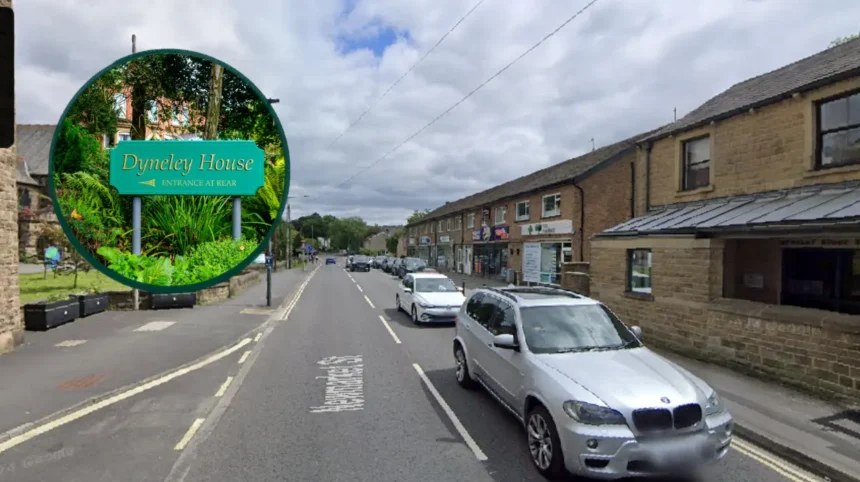
Leeds (The Leeds Times) October 6, 2026 — Plans have been officially agreed to transform a former residential care home into a specialized alcohol rehabilitation facility, navigating through local opposition and municipal planning checks.As reported by Local Democracy Reporter Don Mort, care organisation St Anne’s Community Services successfully sought formal permission from local planning authorities to convert Dyneley House, situated in the Chapel Allerton area of Leeds, into a dedicated treatment facility. The property, a two-storey Victorian building located on Allerton Hill, previously operated as a 24-bed residential home catering to older people.
The transition of the site has been a subject of discussion among civic planners and local stakeholders since the application was first processed. According to municipal records, Leeds City Council received 35 formal letters of objection submitted by individuals residing near the former care home premises.
Local residents voiced various concerns regarding the change of use for the Allerton Hill site, prompting careful evaluation by local councillors and planning officers before final agreements were reached.
Why Was Dyneley House Chosen for This Conversion Project?
The selection of Dyneley House on Allerton Hill stemmed from the ongoing regional demand for structured residential addiction support spaces and the suitability of the existing building framework. St Anne’s Community Services identified the two-storey Victorian structure as an ideal physical layout to accommodate individuals undergoing intensive recovery programmes.
Furthermore, planning documents highlighted the inherent accessibility of the location. As detailed in reports covering the development, planners emphasised that
“given the accessible location of the site, future staff and patients will have significant opportunity to travel by modes other than the private car, including walking, cycling and public transport”.
This infrastructure capability played a constructive role in satisfying local authority guidelines concerning sustainable travel and site integration.
How Did the Local Community and Council Respond to the Proposals?
The introduction of a specialized medical and residential treatment center in a suburban neighbourhood naturally generated local scrutiny. The 35 letters of objection sent to Leeds City Council captured apprehensions held by immediate neighbours concerning potential disruptions, traffic shifts, and the general management of a rehabilitation facility within a residential-adjacent pocket of Chapel Allerton.
Despite these community reservations, municipal planning officers and committee decision-makers balanced the feedback against the verified public health need for addiction services and the operational track record of the applicant. St Anne’s Community Services, an established regional care provider, satisfied the statutory requirements necessary for the change of use, leading to the ultimate green light for the Allerton Hill conversion.
Explore More Local Leeds News
Leeds Bradford Airport Strike: Workers Shutdown Plans in Leeds 2026
West Yorkshire Councils Launch £2,500 Daily Roadworks Charges: West Yorkshire 2026
Background of the Particular Development
The approval of the Dyneley House conversion arrives amid a wider national and regional push to expand local residential rehabilitation and detoxification capacities across the United Kingdom. Facilities that handle alcohol dependency often face complex planning hurdles as communities balance the vital need for healthcare infrastructure against proximity concerns.
St Anne’s Community Services has a long-standing history of operating specialized residential and community-based support initiatives across West Yorkshire. Converting underutilised or vacant older care homes—such as the 24-bed Victorian building on Allerton Hill—represents an increasingly common strategy used by health providers and charities to repurpose large estate assets.
This approach allows providers to meet rising clinical demands without requiring major greenfield construction, simultaneously breathing new life into vacant local community buildings that might otherwise fall into disrepair.
Prediction
Looking ahead, the establishment of the Chapel Allerton rehabilitation centre is expected to significantly impact local healthcare access for individuals battling severe alcohol dependency in West Yorkshire, while directly altering the local dynamics for residents living near Allerton Hill. For patients and families seeking structured residential recovery, the facility will provide an essential, geographically accessible channel for clinical intervention, counseling, and long-term abstinence support within a regulated environment.
However, for the immediate local community, the transition will require proactive engagement and transparent communication from St Anne’s Community Services to manage neighbourhood relations, address any lingering operational concerns, and demonstrate that the facility can integrate smoothly into the suburban fabric of Chapel Allerton.