Key Points
- Plans to demolish the former Lloyds Banking Group call centre on Cote Lane, Farsley, have been officially approved by Leeds City Council’s plans panel.
- The brownfield redevelopment will introduce 120 modern, affordable properties, including a mix of flats, maisonettes, and family houses.
- The joint project, submitted by Bank of Scotland and Breck Homes, tackles a prominent vacant site near the high-traffic Dawson’s Corner roundabout.
- Local political support, including backing from Labour councillor Craig Timmins, highlighted the necessity of avoiding long-term site vacancy while addressing acute local housing demand.
- The public consultation process reflected a divided yet balanced response, drawing four formal objections alongside four letters of support from community members.
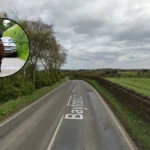
Farsley (The Leeds Times) August 10, 2026 — Members of Leeds City Council’s plans panel have formally granted planning approval for the complete demolition of a redundant commercial complex and the construction of 120 affordable homes. The decision authorises the transformation of the vacant former Lloyds Banking Group call centre, located on Cote Lane in Farsley, into a residential development aimed at addressing local housing shortages. Submitted jointly by Bank of Scotland and Breck Homes, the scheme will redevelop the brownfield location to deliver a multi-generational mix of flats, maisonettes, and traditional family houses.
How Will the Farsley Banking Site Be Transformed?
The approved scheme clears the way for heavy machinery to demolish the existing commercial infrastructure, which has sat empty since banking operations ceased.
In its place, the development partner Breck Homes, alongside Bank of Scotland, will erect 120 high-quality residential units designed specifically for affordable tenure. Positioned near the strategic Dawson’s Corner roundabout, the site represents one of the largest brownfield infill opportunities in the west Leeds suburb.
According to submitted planning documents, the architectural layout intends to balance density with community integration.
The variety of housing typologies—spanning single-occupancy flats, multi-level maisonettes, and larger family houses—is structured to cater to diverse demographic needs, ranging from young professionals and first-time buyers to growing families seeking sub-market housing options in the area.
What Did Local Representatives and Residents Say During Consultation?
The proposal underwent scrutiny through the local authority’s standard planning panel proceedings and statutory public consultation. Local political leaders expressed support for bringing the commercial land back into active community use.
Craig Timmins, Labour councillor for the Farsley and Calverley ward, voiced approval for the development, noting that local residents were anxious to see the parcel of land put to productive use rather than left to decay. Councillor Timmins pointed directly to the growing demand for affordable housing within the ward, emphasizing that leaving the location to stand empty indefinitely was an undesirable outcome for the surrounding neighborhood.
Public engagement leading up to the panel’s final vote reflected a concise but divided response from the immediate community.
In total, the consultation process gathered eight formal representations: four letters of opposition outlining objections to the build, balanced by four letters of support endorsing the delivery of low-cost housing on a disused site.
Explore More Leeds City Council
Leeds Roadworks Charges to Penalise Peak Traffic Delay Promoters: Leeds 2026
West Yorkshire Councils Launch £2,500 Roadwork Lane Rental Charges: Leeds 2026
Background to the Cote Lane Redevelopment
The Cote Lane property previously operated as a high-volume call centre for Lloyds Banking Group, housing administrative and customer service operations for several years.
Following corporate shifts in office footprint and office workspace requirements, the facility was decommissioned and left vacant.
The site sits adjacent to Dawson’s Corner, a key junction in the Leeds arterial road network connecting West Leeds to Bradford and central transportation routes.
As commercial interest in retaining suburban office complexes of this size waned, the site was earmarked for potential residential conversion, aligning with broader Leeds City Council planning frameworks that prioritize brownfield-first developments to meet regional housing targets without encroaching on Green Belt land.
Prediction: How Will This Development Impact the Local Community and Housing Market?
The introduction of 120 affordable properties is expected to directly alter the socio-economic landscape for prospective buyers, local residents, and municipal infrastructure in West Leeds.
- For Local House-Seekers and Renters: The addition of sub-market homes offers an unprecedented entry point into a suburb where property values have steadily escalated. The inclusion of varied building types (flats to family homes) ensures that lower-income households, key workers, and young families can remain in or relocate to Farsley, potentially easing waiting lists for local social and affordable housing providers.
- For Nearby Residents and Commuters: The operational phase of the development will shift traffic patterns around Cote Lane and the Dawson’s Corner roundabout. While commercial peak-hour call centre commutes will no longer occur, residential vehicle movements will introduce steady morning and evening flow. Local transport planning around Dawson’s Corner may face adjusted pressure points, particularly during school run and peak commuting windows.
- For Local Infrastructure and Services: Neighboring primary schools, health centres, and municipal facilities in Farsley and Calverley will see a rise in service demand as new families occupy the family houses and maisonettes. Conversely, local retail businesses along Farsley High Street are likely to experience an uptick in footfall and sustained local expenditure driven by the influx of new residents on a former non-residential site.