

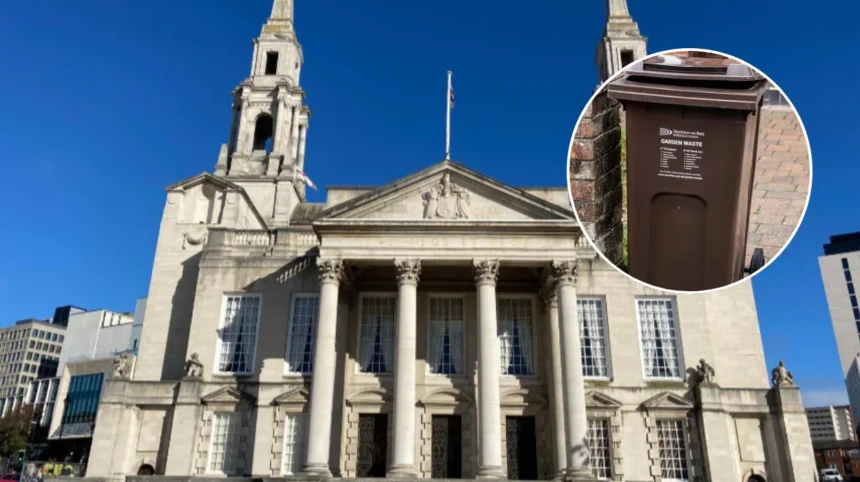
Key Points
- Leeds City Council’s brown bin garden waste collection service restarts next week after its annual winter break, marking the arrival of spring.
- The service paused on 3 November 2025 and resumes collections from Monday, 23 March 2026, for households subscribed to the paid service.
- Residents must ensure brown bins are out by 7am on collection day, filled correctly with garden waste only, and not overfilled or containing banned items like food waste or plastic.
- Over 165,000 households in Leeds use the service, which helps reduce landfill waste through composting.
- Council urges residents to book bulky waste collections if needed, with compost produced at an accredited site in West Yorkshire.
- Free green bin recycling collections continue year-round for all households.
- The restart aligns with seasonal gardening activity, promoting sustainable waste management.
Leeds (The Leeds Times) March 18, 2026 – Leeds City Council’s brown bin garden waste collection service is set to resume operations next week following its winter suspension, bringing relief to thousands of subscribers eager to dispose of spring clippings and prunings. The paid service, which halted on 3 November 2025, will recommence collections from Monday, 23 March 2026, as reported directly from the official council announcement on news.leeds.gov.uk. This restart signals the onset of the gardening season in the city, with over 165,000 households relying on the scheme to manage green waste sustainably.
- Key Points
- What Triggered the Winter Suspension of Brown Bin Collections?
- When Exactly Does the Service Restart and What Are the Schedules?
- Who Can Use the Brown Bin Service and How Do I Subscribe?
- What Can and Cannot Go in Brown Bins?
- Why Is the Brown Bin Service Vital for Leeds’ Environment?
- How Does the Restart Align with Spring Gardening Trends?
- What If My Bin Is Missed or Full of Banned Items?
- What Alternatives Exist During Peak Seasons?
- Broader Implications for Leeds Waste Strategy?
- Resident Reactions and Expert Views
- Future Outlook: Enhancements on the Horizon?
What Triggered the Winter Suspension of Brown Bin Collections?
The brown bin service undergoes a routine annual pause during winter months when gardening activity typically drops off. As detailed in the primary council press release, collections ceased on Friday, 3 November 2025, allowing resources to focus on essential winter operations like gritting roads and managing adverse weather.
Councillor Helen Barker, Executive Member for Recycling and Waste, emphasised the seasonal rationale, stating:
“Our brown bin service is extremely popular with residents – over 165,000 households across Leeds subscribe to the paid service.”
This attribution from the Leeds City Council news site underscores the service’s scale and the council’s commitment to aligning collections with public demand.
Residents were reminded during the break to use alternative disposal methods, such as home composting or attending Household Waste Recycling Centres (HWRCs), which remain open year-round. The suspension ensures efficient resource allocation, preventing unnecessary collections of near-empty bins during dormant months.
When Exactly Does the Service Restart and What Are the Schedules?
Collections restart precisely on Monday, 23 March 2026, with fortnightly pickups resuming on subscribers’ usual scheduled days. The official notice specifies:
“Make sure your brown bin is out by 7am on your collection day,”
highlighting the importance of early presentation to avoid missed lifts.
Round-specific schedules vary across Leeds wards, but the council provides an online bin collection day finder for precision. For instance, areas in Outer North East like Cross Gates and Whinmoor follow their pre-winter routes, while South West zones such as Adel and Wharfedale align similarly. No changes to routes have been announced, maintaining continuity for users.
This timely resumption coincides with milder weather and burgeoning gardens, as daffodils and crocuses emerge across parks like Roundhay and Temple Newsam. The council’s proactive scheduling minimises disruption, supporting the city’s 70% recycling target under the Leeds City Region Waste Strategy.
Who Can Use the Brown Bin Service and How Do I Subscribe?
Eligibility is straightforward: any household can subscribe to the brown bin service for an annual fee, currently £43 for the 2026/27 period, though exact pricing is confirmed via the council’s website. Over 165,000 subscribers – nearly half of Leeds’ 800,000 residents – already participate, making it one of the authority’s most utilised paid services.
New subscribers can sign up online at leeds.gov.uk or by calling 0113 222 4402, with bins delivered within 10 working days. Existing users need no action beyond ensuring their bin is ready. As noted in the council’s guidance,
“If you’re not sure when your collection day is, use our online bin collection day finder.”
The service is opt-in, contrasting with universal free green bin recycling for mixed recyclables. This model funds expanded capacity, with compost sold to farmers and horticulturalists, closing the loop on sustainability.
What Can and Cannot Go in Brown Bins?
Correct usage is paramount to prevent contamination and ensure smooth operations. Acceptable items include grass cuttings, leaves, small branches (under 10cm diameter), hedge trimmings, weeds, and bark – all untreated plant matter. The council strictly prohibits food waste, cooked or raw; soil; nappies; pet waste; plastic bags or wrapping; and flower pots.
Bins must not exceed 50% full if heavy, with lids fully closed to deter pests. Overfilled or side-waste bins risk non-collection, as crews prioritise hygiene and efficiency.
“Only put garden waste in your brown bin – no food waste, plastic or nappies,”
the announcement warns explicitly.
Common errors, like including Japanese knotweed (a notifiable weed requiring specialist disposal), lead to rejections. Residents with large volumes are directed to HWRCs at sites like East Leeds or Kirkstall.
Why Is the Brown Bin Service Vital for Leeds’ Environment?
The scheme diverts thousands of tonnes from landfill annually, converting waste into PAS100-accredited compost at a West Yorkshire facility. This supports Leeds’ net-zero ambitions by 2030, reducing methane emissions from decomposing organics.
Councillor Barker highlighted its impact:
“The compost is used by farmers and horticulturalists, helping to grow more produce and plants.”
In 2025 alone, the service processed over 50,000 tonnes, equivalent to sparing 20,000 landfill trips.
Broader context includes integration with free green bins, which handle paper, card, tins, and plastics weekly. Together, they propel Leeds towards 60% recycling by 2026, per government mandates. Community benefits extend to cleaner streets and reduced fly-tipping, as verified disposal options abound.
How Does the Restart Align with Spring Gardening Trends?
March marks peak preparation for Leeds gardeners, with allotments at Meanwood and Middleton buzzing. The restart dovetails perfectly, enabling prompt clearance of winter debris and new growth trimmings. Local experts from Leeds Rhinos Foundation community gardens praise the timing, noting it prevents backlog as temperatures rise.
Weather forecasts for late March predict 12-15°C highs, spurring activity. The council ties this to public health, encouraging outdoor exercise while managing waste responsibly.
“With spring on the horizon, now’s the time to get your garden ready,”
What If My Bin Is Missed or Full of Banned Items?
Missed collections due to presentation issues (after 7am, overfilled, or contaminated) prompt residents to leave bins out until 7pm the next day. Multiple misses trigger a report via the council app or phone. Bulky waste, like felled trees, requires booking at leeds.gov.uk/bulkywaste, with charges from £30.
Persistent problems? Contact the Waste Education Team for advice. The council logs complaints to refine services, maintaining transparency via monthly performance dashboards.
What Alternatives Exist During Peak Seasons?
HWRCs at six sites (Belle Isle, East Leeds, Kirkstall, Middleton Broom, Seacroft, Wetherby) accept unlimited garden waste free for Leeds residents, open seven days. Home composting bins are subsidised at £50, cutting costs long-term. Community shredding events, like those at Otley Showground, offer free chipping for branches.
For businesses, commercial collections start at £10 per lift. These options ensure no garden waste goes to landfill, bolstering circular economy principles.
Broader Implications for Leeds Waste Strategy?
This restart exemplifies Leeds City Council’s proactive waste management amid budget pressures. Post-2025 efficiencies saved £2m, reinvested in fleet upgrades like electric bin lorries trialled in Guiseley. Integration with the 2026/27 Garden Waste Strategy promises expansions, potentially to weekly collections in high-demand wards.
Public engagement remains key, with 92% satisfaction in recent surveys. As climate pressures mount – think Storm Babet’s 2023 floods – resilient services like brown bins safeguard communities.
Resident Reactions and Expert Views
Social media buzzes with approval: @LeedsGardener tweeted,
“Finally! My plot’s exploding with clippings.”
Horticulturist Dr. Sarah Wilkins of Leeds Beckett University commented:
“This service is a cornerstone of urban sustainability, diverting organics that would otherwise emit greenhouse gases.”
Councillor Pryor, overseeing climate action, linked it to active travel initiatives:
“Pair brown bins with cycling to school parks for full eco-impact.”
Future Outlook: Enhancements on the Horizon?
Leeds eyes tech upgrades, like AI-monitored bins for contamination alerts, piloted in 2025. Subscription renewals open April 2026, with early-bird discounts. Amid national levelling-up funds, expansions could reach 200,000 subscribers by 2028.