

Key Points
- Leeds City Council has officially approved a £30.6 million capital budget expansion for Broomfield South Specialist Inclusive Learning Centre in Belle Isle.
- The redevelopment plan includes demolishing a section of the existing facility and constructing a new three-storey teaching block.
- Contractors Tilbury Douglas Construction Ltd have been assigned responsibility for the redevelopment works at Broom Place.
- The project will deliver 100 additional places for pupils with special educational needs and disabilities (SEND), with pupil intake staggered across the 2027–28 academic year.
- Construction timelines indicate the main school building is scheduled for completion in February 2028, with full site demolition and exterior works concluding by September 2028.
- Planning officers reviewed seven public objections regarding noise and visual appearance, concluding that all resident concerns had been properly addressed and safeguarded.
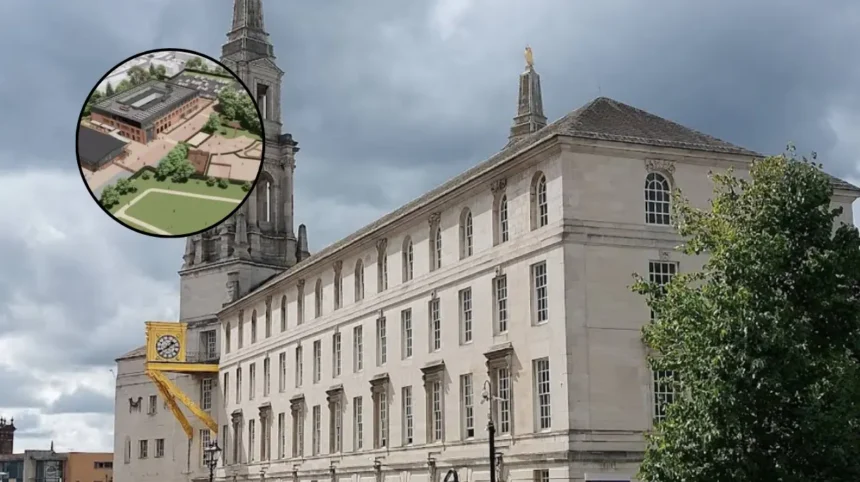
Leeds City Council (The Leeds Times) September 5, 2026 – Leeds City Council has formally granted approval for a major £30.6 million redevelopment project designed to expand provision for children with special educational needs and disabilities (SEND) at Broomfield South Specialist Inclusive Learning Centre. The capital funding commitment will facilitate the partial demolition of the current school infrastructure located at Broom Place in Belle Isle, replacing aged facilities with a purpose-built, three-storey teaching facility.
The redevelopment is set to be delivered by Tilbury Douglas Construction Ltd, the contractor selected to manage the site works and construction process. Under the approved framework, the expansion will increase the capacity of the specialist learning facility by 100 additional pupil places, directly addressing growing regional demand for dedicated SEND education infrastructure.
To manage the transition effectively and accommodate schedule adjustments caused by delays within the preliminary planning process, councillors were advised that the integration of new pupils will be staggered throughout the 2027–28 academic year. The main three-storey school building is projected to achieve completion in February 2028. Following the handover of the primary structure, contractors will proceed with the final phase of the project, which encompasses the demolition of the vacated legacy buildings and the completion of exterior site works, with total project sign-off expected by September 2028.
How Did Planning Officers Respond to Local Resident Objections?
During the regulatory assessment phase, the proposed development received seven formal public objections from local residents. The primary issues raised in these submissions focused on potential noise disruption stemming from the expanded operational footprint and concerns regarding the aesthetic appearance and scale of the proposed three-storey block within the surrounding residential area.
Planning officers conducted a full evaluation of the objections before submitting their official recommendations to the council committee. The final report delivered to decision-makers confirmed that each of the technical and environmental concerns had been evaluated and mitigated within the final site design. Planning officers noted that the proposed design solution was considered fully acceptable, affirming that the impact of the development on the living conditions of surrounding residents had been effectively safeguarded through specific architectural and planning measures.
What Is the Background to the SEND School Development in Leeds?
The approval of the £30.6 million investment at Broomfield South Specialist Inclusive Learning Centre comes against a backdrop of increasing demand for specialist education placements across Leeds and the wider West Yorkshire region. Local authorities across the United Kingdom face statutory obligations to provide suitable educational environments for children with complex needs, leading to sustained pressure on existing Specialist Inclusive Learning Centres (SILCs).
Broomfield South, situated in the Belle Isle area of south Leeds, serves pupils aged 2 to 19 with a broad spectrum of learning difficulties, including severe learning difficulties (SLD), complex medical needs, and autism spectrum conditions. Over recent years, capacity constraints within local authority provision have necessitated strategic capital investments to avoid placing pupils in independent out-of-area facilities, which often incur significant ongoing transportation and tuition costs for local councils. The decision to commit over £30 million from the council’s capital budget reflects a long-term strategy to expand state-funded SEND places locally, ensuring vulnerable pupils can access specialized facilities close to their communities.
What Are the Predictions for How This Expansion Will Affect Local Families and the Community?
The £30.6 million expansion of Broomfield South Specialist Inclusive Learning Centre is expected to have notable short-term and long-term effects on local families, pupils, and the immediate residential neighborhood.
Impact on Families and SEND Pupils
For parents and carers of children with special educational needs in Leeds, the creation of 100 additional specialist places provides crucial local capacity. It reduces the likelihood of long commutes to out-of-district placements and offers modern, purpose-built educational facilities designed specifically for complex access and learning needs. The staggered entry across the 2027–28 academic year will allow the school administration to integrate new students smoothly without overwhelming existing support structures.
Impact on Nearby Residents and the Local Area
In the immediate vicinity of Broom Place, residents will experience temporary disruption associated with a major construction project leading up to 2028. Heavy vehicle movements, construction noise, and site operations will require ongoing monitoring by Tilbury Douglas Construction Ltd to maintain the safeguards highlighted in the planning report. Long term, the replacement of older structures with a contemporary three-storey block will permanently alter the visual landscape of the site, while the higher pupil count may lead to altered traffic flows during morning drop-off and afternoon collection times.