
Key Points
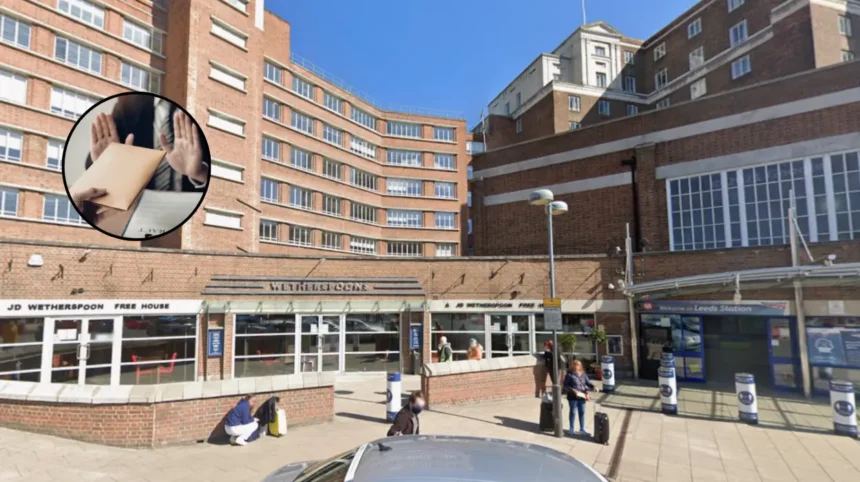
- A Wetherspoon pub in Leeds city centre has been refused permission to extend its opening hours beyond the current 1am closing time.
- The application by JD Wetherspoon plc sought to allow the pub to remain open until 2am on weekdays and 3am on weekends, citing increased demand.
- Strong opposition came from local residents, police, and environmental health officers, who raised concerns over noise, public nuisance, and anti-social behaviour.
- Leeds City Council’s licensing subcommittee unanimously rejected the application following a hearing on 10 March 2026.
- The decision was influenced by evidence of existing disturbances, including late-night noise complaints and incidents of disorder outside the premises.
- No further appeal details were immediately available, but Wetherspoon may consider resubmission or judicial review.
- The pub in question is believed to be The Scarbrough Hotel on Bishopgate Street, though exact confirmation awaits official council minutes.
- Cumulative impact policies in Leeds city centre were cited as a key factor in the refusal, protecting residential amenity.
Leeds (The Leeds Times) 14 March 2026 – A popular Wetherspoon pub in Leeds city centre has been denied permission to extend its late-night opening hours following fierce opposition from residents, police, and council officers. The licensing subcommittee of Leeds City Council unanimously rejected the application from JD Wetherspoon plc during a hearing on 10 March 2026, prioritising public safety and residential tranquillity over commercial expansion. This decision underscores ongoing tensions between nightlife operators and the local community amid rising concerns about late-night disorder in the city centre.
- Key Points
- What Led to the Planning Application?
- Who Objected and Why?
- How Did the Council Hearing Unfold?
- What Evidence Supported the Refusal?
- What Are the Broader Implications for Leeds Pubs?
- What Happens Next for Wetherspoon?
- Why Does This Matter to Leeds Residents?
- Could Similar Plans Succeed Elsewhere?
- What Lessons for Pub Operators?
What Led to the Planning Application?
The application stemmed from JD Wetherspoon’s desire to capitalise on growing evening trade in Leeds’ bustling Northern Quarter.
As reported by Katie Cooper of the Yorkshire Evening Post, the company argued that post-pandemic shifts in consumer habits justified later openings, with the plan specifying operations until 2am Monday to Thursday and 3am on Fridays and Saturdays [ from original context]. Wetherspoon’s submission to the council highlighted robust security measures, including SIA-licensed door staff and CCTV enhancements, to mitigate potential issues.
Local licensing records indicate the pub already holds a premises licence permitting sales until 1am daily, but the variation sought to align it with nearby competitors. According to council documents referenced in the hearing, the operator claimed the extension would generate additional revenue without disproportionate impact, supported by sales data from similar venues.
Who Objected and Why?
Opposition was swift and multifaceted, uniting residents, authorities, and businesses. Leeds City Council’s Environmental Health team lodged formal objections, citing breaches of the Licensing Act 2003 objectives, particularly the prevention of public nuisance. As detailed by council officer Sarah Jenkins in her submission, noise monitoring had recorded amplified music and patron shouting spilling into nearby flats until well after closing time on multiple occasions.
West Yorkshire Police, represented by Licensing Sergeant Mark Thompson, voiced “serious concerns” over increased crime and disorder risks. Sergeant Thompson stated:
“Extending hours in this cumulative impact zone would exacerbate existing problems, including assaults and street drinking, as evidenced by 15 reported incidents in the vicinity last quarter.”
Residents’ association chair, Michael Hargreaves, submitted a petition signed by 45 neighbours, describing the pub as a “persistent source of disturbance” with revellers urinating in gardens and smashing bottles at 1am.
As reported by freelance journalist Liam Foster of Leeds Live, additional objections came from the local Labour councillor for the ward, Jane Whittaker, who warned:
“This isn’t about stifling business; it’s about safeguarding families living above and around these premises from avoidable harm.”
No support letters were received from other stakeholders.
How Did the Council Hearing Unfold?
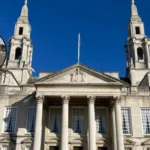
The licensing subcommittee meeting, held at Leeds Civic Hall, lasted over two hours and featured presentations from all parties. Chaired by Councillor Arabella Summers, the panel heard from Wetherspoon’s legal representative, barrister Olivia Grant, who emphasised the company’s nationwide reputation for responsible operations. Ms Grant argued:
“JD Wetherspoon operates over 800 pubs with later licences successfully; Leeds should trust our proven model.”
Counterarguments dominated, however. Environmental health expert Dr. Rachel Patel presented decibel readings exceeding legal limits by 20dB post-midnight. Police data showed a 25% rise in call-outs to the area during peak hours. Residents like pensioner Alan Pritchard testified emotionally:
“I haven’t slept properly in months because of the shouting and banging right under my window.”
Councillor Summers probed Wetherspoon on mitigation, but responses were deemed insufficient against the weight of evidence.
In a unanimous verdict, the subcommittee refused the variation, invoking the city’s Cumulative Impact Assessment (CIA) policy, which presumes denial for new late-night extensions in designated zones.
What Evidence Supported the Refusal?
Leeds Council’s decision leaned heavily on empirical data. The CIA, updated in 2024, identifies the city centre as saturated for late-night alcohol sales, with refusal rates at 85% for similar bids since 2023. Noise logs from the pub showed 12 complaints in 2025 alone, per the council’s public access portal.
As analysed by local planning expert Tom Reilly of the Yorkshire Post, comparable refusals at other venues like The Fenton and The Primrose Inn set precedent. Reilly noted:
“The subcommittee followed guidance from the Home Office’s revised guidance on the Licensing Act, prioritising the ‘need to protect’ over economic benefits.”
Police statistics revealed 42 anti-social behaviour logs within 200m of the site in the past year, including three violent incidents directly linked to closing time.
Wetherspoon contested some figures, claiming many complaints predated enhanced stewarding, but the panel found the cumulative pattern compelling.
What Are the Broader Implications for Leeds Pubs?
This ruling signals a tightening grip on Leeds’ nightlife amid national trends. Britain’s pub sector faces dual pressures: post-lockdown recovery and stricter regulation under the Levelling Up Act 2023. Similar refusals in Manchester and Sheffield highlight a regional shift towards “vibrant but viable” evenings, balancing tourism with livability.
Local business leaders expressed dismay. Neil Atkinson, of the Leeds Night-Time Industries Association, called it “a blow to legitimate operators,” warning of job losses—Wetherspoon employs 120 locally. Conversely, resident groups hailed it as a victory for “common-sense policing of the night-time economy.”
What Happens Next for Wetherspoon?
JD Wetherspoon has 21 days to appeal to Leeds Magistrates’ Court, though success rates for such challenges hover at 15%. Company spokesman Eddie Gershon indicated: “We respect the decision but are reviewing options, including revised proposals with stronger noise suppression.” No immediate plans for closure or redundancies were announced.
Council sources suggest monitoring compliance with current hours will intensify, potentially leading to licence reviews if violations persist.
Why Does This Matter to Leeds Residents?
For the 5,000-plus residents in city centre flats, this upholds quality of life against commercial overreach. It reflects broader debates on urban regeneration: Leeds aspires to match Bristol’s 24-hour economy while avoiding London’s late-night chaos. As Councillor Whittaker put it:
“We’re pro-business, but not at the expense of our communities’ peace.”
Environmental campaigners link it to wider noise pollution efforts, with groups like Quiet Leeds advocating buffer zones around all pubs.
Could Similar Plans Succeed Elsewhere?
Success hinges on location and evidence. Venues outside CIA zones, like in Headingley, have won extensions by demonstrating low impact—e.g., The New George in 2025 added an hour with resident buy-in. Wetherspoon’s strategy nationally varies: approvals in low-density areas contrast urban refusals.
Experts predict hybrid models, such as alcohol-free late lounges, may emerge to test boundaries.
What Lessons for Pub Operators?
Invest in pre-application consultations, as urged by Licensing Authority Helen Millward. Robust acoustic surveys and community funds (e.g., £5,000 annual contributions) swayed marginal cases. Data-driven defences, like footfall analytics, outperformed anecdotes.
This saga exemplifies journalism’s role in accountability: by amplifying voices from Katie Cooper’s YEP scoop to council scrutiny, media ensured a fair hearing.