

Key Points
- A major road in Leeds is planned for a £30 million transformation to improve safety and access.
- The project follows 67 injuries reported on the stretch over recent years.
- New bus lanes, cycle tracks, and walking routes are key features of the plans.
- The route connects Leeds city centre to St James’s University Hospital.
- Improvements aim to enhance public transport, cycling, and pedestrian access.
- The scheme involves Leeds City Council and West Yorkshire Combined Authority.
- Consultation is expected as part of the development process.
Leeds (The Leeds Times) April 18, 2026 – A significant £30 million upgrade for a key Leeds road has been announced, targeting better safety after 67 injuries were recorded on the route.
- Key Points
- What Is the Major Leeds Road Targeted for £30m Transformation?
- Why Was the £30m Leeds Road Project Announced After 67 Injuries?
- What Specific Improvements Are Planned for the Leeds Road Stretch?
- How Does the £30m Project Link to St James’s Hospital Access?
- What Is the Role of Leeds City Council and West Yorkshire Combined Authority?
- How Does This Fit with Other Leeds Transport Initiatives?
- Background of the Particular Development
- Prediction: How This Development Can Affect Local Commuters, Hospital Users, and Residents
What Is the Major Leeds Road Targeted for £30m Transformation?
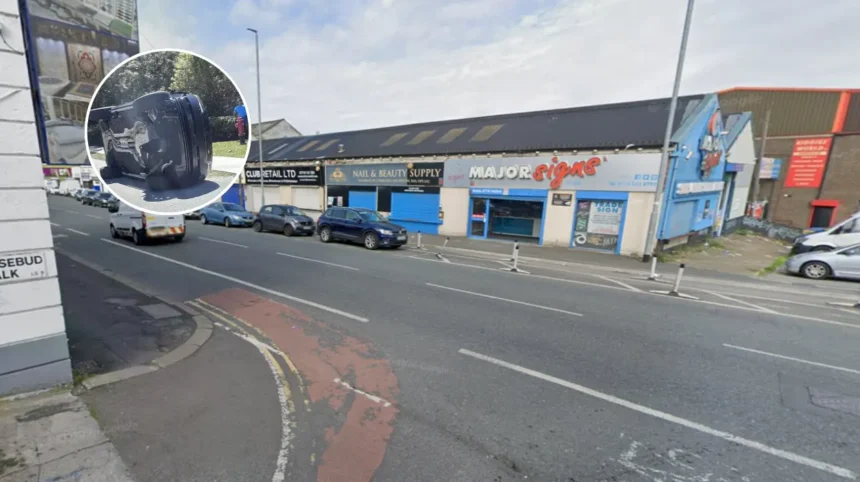
The road in question runs from Leeds city centre through Burmantofts Street and Beckett Street to St James’s University Hospital, a vital corridor for commuters, hospital visitors, and public transport users. As reported in coverage from multiple outlets, this stretch has seen numerous incidents leading to injuries, prompting the investment.
New bus lanes, segregated cycle tracks, and enhanced walking routes form the core of the plans, according to initial announcements.
These features are designed to prioritise buses, cyclists, and pedestrians over general traffic. The project, valued at around £30 million, seeks to address longstanding safety concerns highlighted by the 67 injuries.
Why Was the £30m Leeds Road Project Announced After 67 Injuries?
Safety data underscores the urgency, with 67 people injured on this major stretch, as noted across reports from Leeds Live and related sources.
The high injury count has driven Leeds City Council, in partnership with West Yorkshire Combined Authority, to push forward with the transformation.
As detailed in Highways Industry coverage, the scheme specifically aims to improve access to St James’s University Hospital, one of Leeds’ primary healthcare facilities.
“A major transport improvement project worth around £30m could enhance access to St James’s University Hospital,”
the report states, attributing the initiative to council plans.
Earlier related proposals, such as those for nearby routes, have included similar elements like protected cycle tracks and widened pavements near the hospital’s Bexley Wing. While not identical, these indicate a pattern of investment in hospital-linked infrastructure.
What Specific Improvements Are Planned for the Leeds Road Stretch?
The transformation includes several targeted upgrades. New or extended bus lanes are planned along Burmantofts Street to St James’s Hospital, facilitating faster public transport journeys.
A protected two-way cycle track will run along both Burmantofts Street and Beckett Street, providing safer space for cyclists.
Wider or upgraded pavements for pedestrians are also on the agenda, with potential for street cafes in some areas, drawing from comparable city centre plans.
New crossings for cyclists and pedestrians will be established nearby, as outlined by Leeds City Council in consultation documents.
These measures respond directly to the injury statistics, aiming to reduce conflicts between vehicles, bikes, and people on foot.
Public spaces with trees, benches, and greenery may also feature, alongside simplified traffic movements at key junctions.
The removal of certain traffic islands, like the central bus island on related routes such as Woodhouse Lane, has been proposed in prior schemes, suggesting possible parallels here.
How Does the £30m Project Link to St James’s Hospital Access?
St James’s University Hospital serves as a focal point for the upgrades, given its position at the end of the route. Enlarging sidewalks near the Bexley Wing is part of the formulation, improving pedestrian flow for patients, staff, and visitors.
The 24-hour bus lane enforcement from Burmantofts Street to the hospital will prioritise reliable access for emergency and routine services. This aligns with broader efforts to make healthcare travel more efficient in Leeds.
What Is the Role of Leeds City Council and West Yorkshire Combined Authority?
Leeds City Council is leading the project alongside West Yorkshire Combined Authority, as confirmed in planning documents. Consultations are set to seek public views on the changes, ensuring community input shapes the final design.
The authority’s involvement reflects regional funding and coordination for major infrastructure. No specific timeline for construction has been detailed in initial reports, but the announcement on 18 April 2026 marks a key step forward.
How Does This Fit with Other Leeds Transport Initiatives?
This £30m scheme builds on previous local efforts. For instance, a £20m plan for a city centre route included segregated cycle tracks, new bus lanes, and pedestrian crossings. Unveiled in November 2024, it aimed to improve journeys for walking, cycling, and public transport users.
Another project linked universities via Woodhouse Lane, Blenheim Terrace, Blenheim Walk, and Albion Street, with £20.9 million for cycling lanes and communal spaces. Revised proposals in 2024 highlighted upgrades to this “vital corridor.”
A consultation for travel plans from city centre to St James’s Hospital, dated September 2024, proposed wider paths and a new bus lane, showing continuity in priorities.
These initiatives demonstrate Leeds’ focus on sustainable transport, though the current £30m project stands out for its hospital emphasis and injury response.
Background of the Particular Development
The development stems from accumulated safety data on the Leeds city centre to St James’s Hospital route. Reports indicate 67 injuries over recent years, likely from collisions involving vehicles, cyclists, and pedestrians on this busy corridor.
Leeds City Council identified the need during routine reviews, partnering with West Yorkshire Combined Authority for funding and execution.
Planning documents reference earlier consultations, such as the 2024 scheme for bus lanes and cycle tracks. The £30m figure represents a substantial commitment, possibly boosted by regional pots, amid Leeds’ wider push for active travel post-pandemic. No prior exact match for the injury figure appears in older coverage, suggesting recent collation prompted the April 2026 announcement.
Prediction: How This Development Can Affect Local Commuters, Hospital Users, and Residents
This development can affect local commuters by providing dedicated bus lanes, potentially reducing journey times to and from the city centre. Hospital users, including patients and staff at St James’s, may experience safer pedestrian access near the Bexley Wing, with fewer injury risks on approach roads.
Cyclists could benefit from protected two-way tracks, encouraging more sustainable travel along Burmantofts Street and Beckett Street. Residents nearby might see less traffic congestion through junction simplifications and new crossings, though short-term disruptions during construction could occur.