Key Points
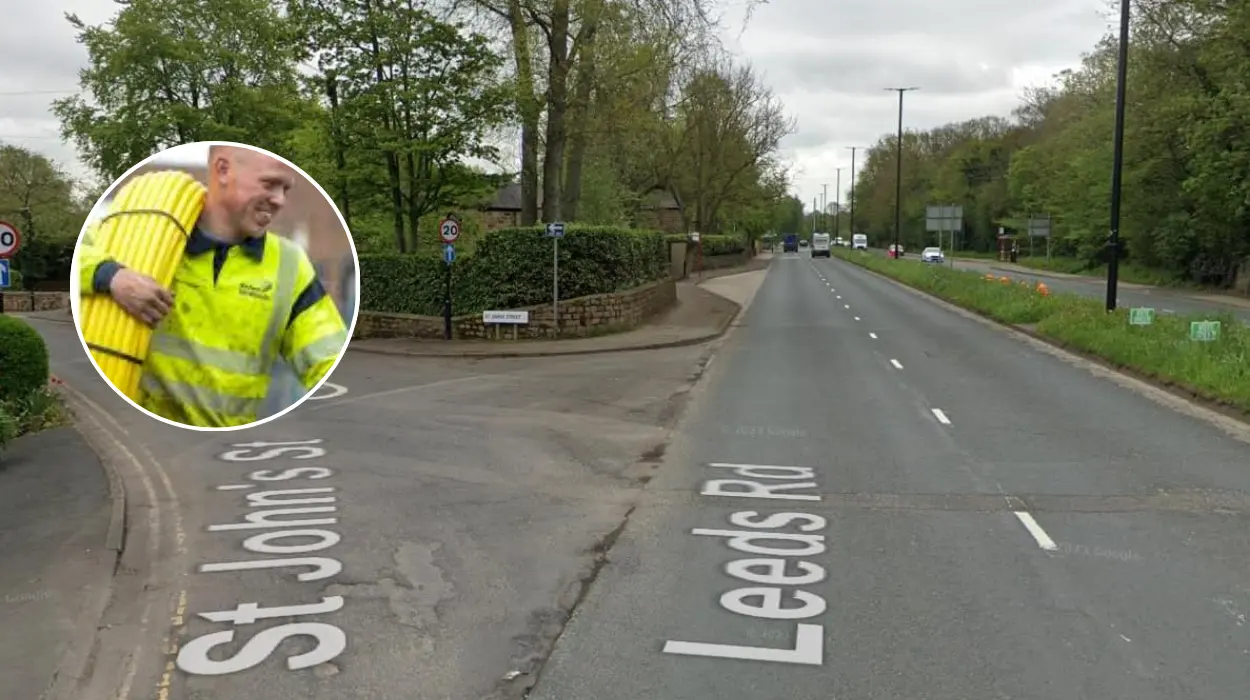
- Northern Gas Networks (NGN) is starting essential gas works in Burmantofts, close to the main entrance of St James’s Hospital in Leeds, to replace ageing metal gas mains with modern plastic pipes.
- The scheme is expected to cause disruption to road users and potentially hospital visitors in the surrounding area while the works are carried out.
- NGN says the project is necessary to maintain a safe and reliable gas supply to homes and businesses in Leeds, helping to keep properties warm and connected.
- The works focus on replacing old metal pipework, which is more prone to leaks and faults, with new plastic pipes designed to be more durable and resilient.
- The location, near one of Leeds’ busiest hospital sites, means traffic management measures and possible lane or road restrictions are anticipated.
- NGN states that the works form part of a wider, long-term programme to upgrade ageing gas infrastructure across the North of England.
- Residents, motorists and hospital users are being warned in advance that they may experience some delays and changes to normal routes while the scheme is in progress.
- The company stresses that safety will remain its top priority, both in terms of maintaining gas supply and in managing works around a major healthcare facility.
- Businesses in the affected area are being advised that the project aims to reduce future risk of unplanned outages or emergency repairs.
- NGN has indicated that, while disruption is expected, the upgrade is intended to deliver long‑term benefits for the local community’s gas network.
Why are gas works taking place near St James’s Hospital?
The works are being carried out by Northern Gas Networks (NGN), the gas distributor for the North of England, as part of a programme to renew ageing infrastructure in Leeds. NGN is responsible for operating and maintaining the local gas distribution network, transporting gas to homes and businesses on behalf of gas suppliers.
- Key Points
- Why are gas works taking place near St James’s Hospital?
- What will the gas mains replacement involve?
- How might traffic and access be disrupted around the hospital?
- Why does Northern Gas Networks say the work is necessary?
- How will residents and businesses be affected during the works?
- What are the longer‑term benefits of the new plastic pipes?
- How does this scheme fit into wider gas network upgrades?
- What should road users and hospital visitors do while the works are ongoing?
According to NGN’s description of the Burmantofts scheme, engineers will replace existing metal gas mains in the area with new plastic pipes. The company explains that plastic pipework is more resistant to corrosion and general wear than older metallic pipes, reducing the likelihood of leaks and faults over time.
What will the gas mains replacement involve?
The project centres on Burmantofts, close to the main entrance used by many patients, staff and visitors to access St James’s Hospital. The work involves excavating sections of highway and footway so that engineers can safely remove older metal mains and install plastic replacements along key stretches of the local network.
NGN indicates that this is “essential work” designed to keep the gas network operating safely and reliably. The process typically includes isolating sections of pipe, transferring individual service connections from the old main to the new one, and then decommissioning the redundant metal main once the plastic replacement is live.
How might traffic and access be disrupted around the hospital?
Because the works are near one of Leeds’ busiest hospital sites, a degree of disruption is expected on surrounding roads. Traffic management measures, such as temporary lane closures, restricted turns or controlled access near work sites, are likely to be required to protect both road users and on‑site personnel.
Hospital visitors and staff may experience altered routes or slightly longer journey times as traffic adjusts to any temporary restrictions around Burmantofts. Public transport services that use affected roads could also face minor delays or diversions while the gas mains replacement is completed.
Why does Northern Gas Networks say the work is necessary?
NGN states that the primary purpose of the scheme is to ensure the continued safe and reliable supply of gas to customers in Leeds, particularly in an area with significant residential properties and important public services such as St James’s Hospital. Replacing ageing metal mains reduces the risk of leaks, emergency repairs and unplanned outages.
The company also frames the work as part of its wider role in keeping homes and businesses “safe, warm and connected”. By upgrading older infrastructure now, NGN aims to limit the need for disruptive emergency interventions in future, and to support the resilience of the local gas network as demand patterns evolve.
How will residents and businesses be affected during the works?
Residents in Burmantofts and the surrounding neighbourhood can expect construction activity, including roadworks, barriers and on‑site machinery, while the scheme is underway. Some properties may receive prior notification of any short‑term interruptions required to transfer service connections from old mains to new plastic pipes, although such interruptions are usually planned to be as brief as possible.
Local businesses near the hospital entrance may see changes to customer access, parking and deliveries while traffic management is in place. However, the underlying purpose of the upgrade is to reduce the chance of unexpected gas supply problems in the future, which can be more disruptive than scheduled work.
What are the longer‑term benefits of the new plastic pipes?
NGN highlights that the new plastic mains are designed to be more durable than the metal pipes they replace, with a lower risk of corrosion and failure. This should help to provide a stable gas supply for households and businesses in Leeds over the long term, supporting heating, cooking and commercial use.
Improved reliability in the network can also reduce the need for emergency roadworks or urgent repairs, which often cause more sudden and severe disruption than planned maintenance. In addition, modern plastic mains are better suited to ongoing safety standards and regulatory expectations for distribution networks.
How does this scheme fit into wider gas network upgrades?
The Burmantofts project forms part of NGN’s broader programme across the North of England to replace ageing metallic mains with plastic alternatives. This long‑term investment strategy is intended to modernise the regional network, address legacy infrastructure risks and ensure compliance with safety and performance requirements.
By tackling sections of older pipework near critical locations, such as major hospitals, NGN aims to minimise the potential impact of any future faults or failures. Upgrades in urban areas like Leeds also contribute to wider efforts to maintain resilience in core parts of the gas distribution system.
What should road users and hospital visitors do while the works are ongoing?
Motorists travelling near St James’s Hospital are advised to allow extra time for their journeys, check for any local traffic updates and follow on‑site signage or instructions from traffic management operatives. Using alternative routes where possible may help to ease congestion around the immediate work zone.
Patients and visitors heading to St James’s Hospital are encouraged to plan ahead, considering public transport, adjusted timings or different parking options if usual approaches are affected. Hospital staff may also need to build in additional travel time to account for possible delays close to the Burmantofts work sites.