

Key Points
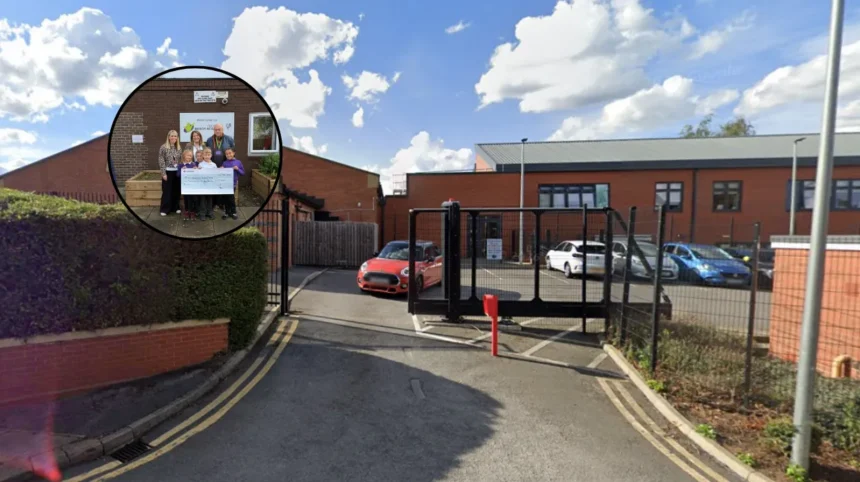
- Financial Boost: The West Riding Masonic Charities have donated £2,500 to Hunslet Moor Primary School in Leeds.
- Project Focus: The funding is strictly allocated to purchase specialized equipment for a new sensory garden being developed within the school grounds.
- Official Presentation: John Hudson, the Charity Steward of the St John’s Masonic Lodge in Dewsbury, officially presented the cheque to the school on Monday.
- Community Impact: The initiative specifically targets the enhancement of student well-being within a recognized deprived area of Leeds.
Leeds (The Leeds Times), May 18, 2026, to fund equipment for a brand-new on-site sensory garden. The donation, which was delivered directly to the educational institution located in the inner-south area of the city, aims to accelerate the completion of the outdoor facility designed to support pupils with diverse learning and sensory needs. As reported by local education correspondents, the funding will be utilized immediately to procure specialized outdoor installations and interactive elements designed to stimulate psychological and physical development.
How Will the £2,500 Masonic Donation Benefit Hunslet Moor Primary School Pupils?
The primary objective of the £2,500 allocation is the immediate purchase of specialized sensory apparatus. According to project plans released by the school, the facility—situated entirely within the secure perimeter of the school grounds—requires bespoke infrastructural additions that standard education budgets typically do not cover.
These include tactile walkways, auditory installations, and calming visual focal points designed to assist children who experience sensory processing difficulties or requires emotional regulation outside the traditional classroom environment.
The physical presentation of the funds took place on the school premises. John Hudson, serving in his official capacity as the Charity Steward of the St John’s Masonic Lodge, Dewsbury, presented the cheque to school representatives. Commenting on the strategic intent behind the donation, Hudson stated:
“This will greatly increase the well being of the pupils in this deprived area of Leeds.”
School administrators have indicated that the arrival of the funds ensures the procurement phase can begin without delay, preventing potential seasonal bottlenecks in establishing the garden’s agricultural and structural foundations.
Background of the West Riding Masonic Charities Support for Local Education
The financial contribution to Hunslet Moor Primary School forms part of a broader, long-standing framework of community grant allocations managed by the West Riding Masonic Charities.
Operating across the historical West Riding of Yorkshire, these charitable structures regularly distribute capital to localized educational, medical, and social initiatives.
Sensory gardens have increasingly become a point of focus for primary education funding across the United Kingdom. Educational research consistently highlights that outdoor sensory spaces offer critical support mechanisms for pupils, particularly those identified with Special Educational Needs and Disabilities (SEND). By focusing resources on Hunslet Moor Primary, an institution serving an area facing clear socio-economic challenges, the charity aligns its capital distribution with regional indices of multiple deprivation, aiming to bridge the gap between standard state funding and the provision of specialized well-being infrastructure.
Prediction: How Will This Sensory Garden Development Affect the School Community?
The implementation of the new sensory garden is expected to yield quantifiable shifts in both the daily operations of Hunslet Moor Primary School and the broader student demographic.
For the primary audience—the pupils—the immediate availability of specialized sensory equipment will provide a structured environment for emotional de-escalation.
School tracking data across similar regional projects suggests that access to sensory gardens correlates with a measurable decrease in classroom disruption and an increase in focus among neurodivergent students. Pupils from deprived backgrounds, who may lack access to private green spaces or specialized therapeutic toys at home, will gain an equitable resource that supports mental health parity.
Influence on Teaching Staff and Resource Allocation
For educators and support staff, the completed garden will function as an alternative instructional setting. Rather than managing sensory overload within the confines of a standard classroom, teaching assistants can utilize the garden for targeted interventions. In the long term, this development is likely to enhance the school’s capacity to support SEND students effectively, potentially influencing future intake demands as local families seek out institutions equipped with robust, externally funded well-being infrastructure.