Key Points
- Rare archive photographs capturing daily life, local landmarks, and community institutions in Morley during the 1970s have been highlighted in a historic retrospective.
- The images showcase significant sites including Morley Bottoms, the former Fastnet Fish Restaurant, and Bruntcliffe Secondary School.
- Key aspects of social history, education, and commercial life in the West Yorkshire market town are detailed across the visual collection.
- Local historians and community archives have preserved these visual records, offering insight into the town’s structural and social evolution.
Morley (The Leeds Times) July 22, 2026 – A detailed visual collection documenting life in Morley during the 1970s has brought the town’s rich social and industrial heritage back into focus, offering a detailed record of its changing streets, schools, and local businesses.
- Key Points
- What Do the 1970s Archive Photographs Reveal About Daily Life in Morley?
- How Did Morley Bottoms Function as a Hub of Commerce and Transport?
- What Was the Cultural Role of the Fastnet Fish Restaurant in the Local Community?
- How Was Education Structured at Bruntcliffe Secondary School During the 1970s?
- What Is the Background of Morley’s Architectural and Social Development?
- What Is the Prediction for How These Historic Developments Will Affect the Local Audience?
What Do the 1970s Archive Photographs Reveal About Daily Life in Morley?
As reported by local heritage archives, the newly highlighted photograph collection provides a window into the everyday experiences of residents living in Morley, West Yorkshire, during a decade of significant socio-economic change.
The visual record captures the physical framework of the market town, highlighting both its proud industrial past and the day-to-day routines of its community.
Throughout the 1970s, Morley maintained a distinct local identity shaped by its textile heritage, vibrant retail trade, and close-knit neighborhood networks.
The photographs document street scenes, public gatherings, and commercial fronts, detailing the architecture and social environment that defined the era for thousands of local residents.
How Did Morley Bottoms Function as a Hub of Commerce and Transport?
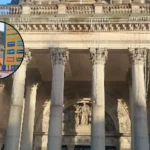
As reported by regional historians, Morley Bottoms served as a focal point for local trade, transport, and community interaction during the 1970s. Located at the lower end of the town centre, the area contained an array of independent shops, public houses, and service establishments that catered to the daily needs of the town’s population.
The archival imagery records the bustling nature of Morley Bottoms, showing the flow of vehicular traffic, local shoppers, and the distinct architectural facades of the era.
The images document how this lower section of the town acted as a vital connector between residential neighborhoods and the core commercial zones of Morley, reflecting the broader urban design and economic activity of West Yorkshire market towns in the post-war period.
What Was the Cultural Role of the Fastnet Fish Restaurant in the Local Community?
As reported by local historical retrospectives, the Fastnet Fish Restaurant was a recognized landmark in Morley’s local dining and social landscape during the 1970s.
The establishment provided a popular meeting place for residents, sitting at the heart of the town’s traditional food and hospitality sector.
The photographs preserve the exterior and surrounding environment of the Fastnet Fish Restaurant, illustrating the commercial aesthetic of 1970s dining establishments.
Local documentation highlights how commercial venues like the Fastnet contributed to the town’s night economy and daytime trade, serving as key points of social reference for generations of Morley families.
Explore More News Morley News
Youth Lead Major £24.3M Urban Regeneration in Morley 2026
Prolific Shoplifter Jailed and Banned from Morley Town Centre 2026
How Was Education Structured at Bruntcliffe Secondary School During the 1970s?
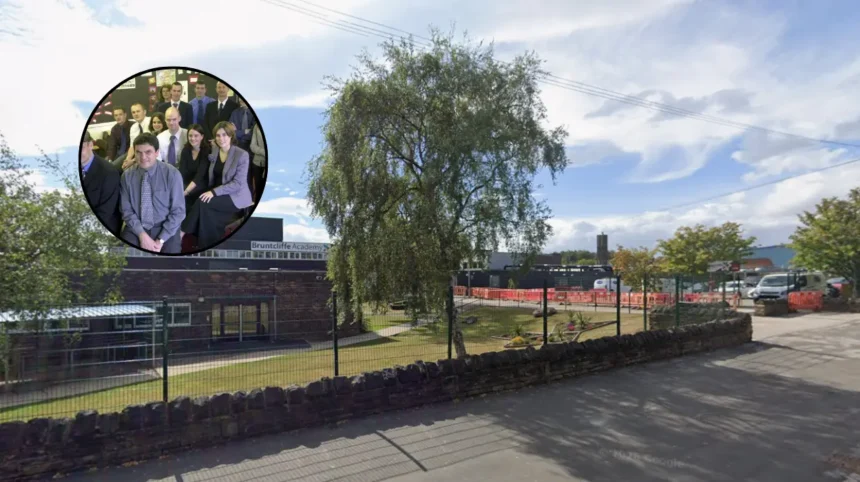
As reported by educational history records, Bruntcliffe Secondary School played a central role in the academic and personal development of Morley’s youth throughout the 1970s. The school catered to a large catchment area, preparing pupils for both further education and employment in local industries.
The archive photos depict school life during this decade, capturing classroom environments, school grounds, and student activities.
These visual records provide evidence of the educational infrastructure, school uniforms, and teaching settings of the era, reflecting how secondary education operated in West Yorkshire during a period of national educational reform and structural update.
What Is the Background of Morley’s Architectural and Social Development?
Morley’s history is deeply rooted in the textile industry, particularly in the production of shoddy and mungo cloth, which drove the town’s expansion during the 19th and early 20th centuries.
By the 1970s, the town was undergoing a transition as traditional manufacturing adjusted to global economic shifts, leading to changes in local employment patterns and urban planning.
During this decade, many historic structures remained intact alongside emerging modern developments. Areas like Morley Bottoms retained their traditional layout, whilst educational institutions like Bruntcliffe Secondary School adapted to changing demographic needs.
The preservation of these 1970s photographs provides a historical record of a pivotal transition phase before major late-20th-century urban redevelopment transformed parts of the town.
What Is the Prediction for How These Historic Developments Will Affect the Local Audience?
The publication and preservation of these 1970s visual archives are expected to influence the local community, historians, and urban planners across several areas:
- Heritage Preservation: For long-term residents and local historians, these images will serve as vital primary source material, encouraging further community-led archiving efforts and historical research into West Yorkshire’s industrial towns.
- Civic Identity: For younger generations and newcomers to Morley, the visual documentation helps foster a stronger sense of local identity and continuity by linking current urban layouts with their mid-20th-century precursors.
- Urban Regeneration and Planning: For local council planners and heritage boards, studying historic centers like Morley Bottoms provides valuable context for future regeneration initiatives, ensuring that modern developments remain respectful of historical architecture and town design.