

Key Points
- Twelve students from Pudsey Sixth Form College have secured places on the University of Leeds Reach for Excellence programme.
- The programme offers academic enrichment activities, including lectures, study skills workshops, and UCAS application guidance.
- It targets high-achieving students, particularly those in Yorkshire facing barriers to higher education.
- Daisy Gordon, one of the successful applicants, expressed joy and pride at her selection, crediting her hard work and college support.
- Matt Harte, Deputy Head of Pudsey Sixth Form, highlighted staff pride in the first-ever Year 12 cohort’s achievement.
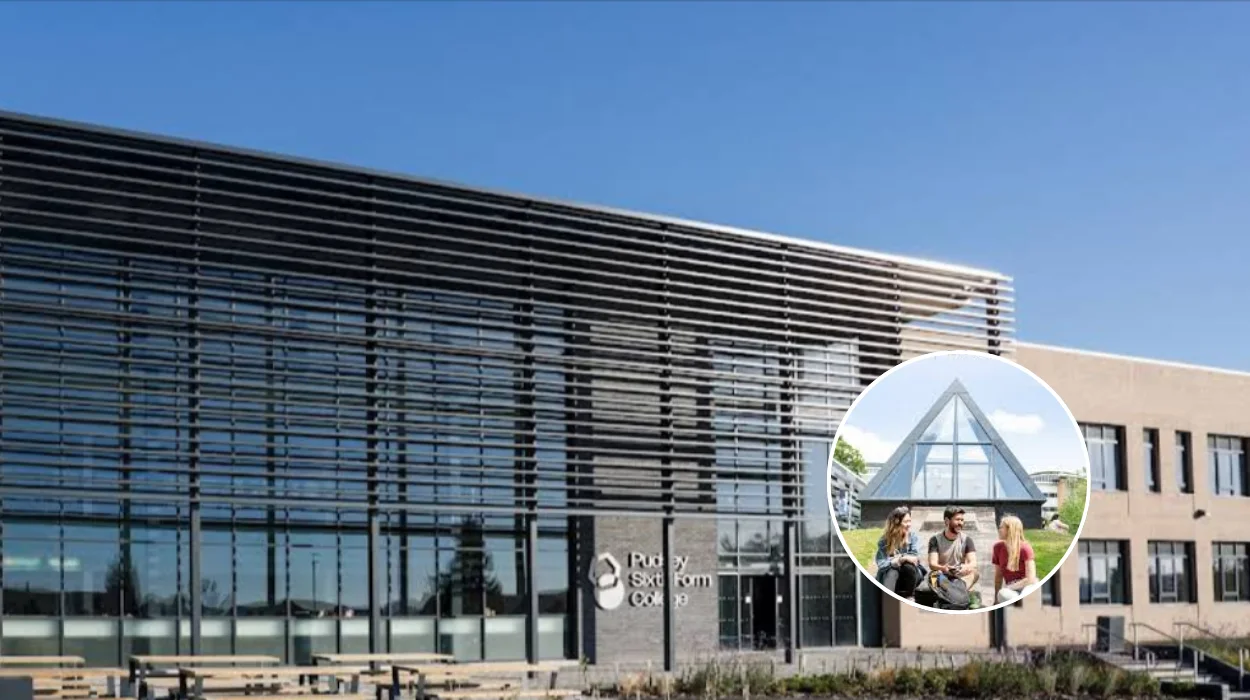
- The college, which opened in September 2025, views this as a major milestone reflecting its nurturing environment.
- Students anticipate subject taster sessions and interactions with current university students to build confidence.
Pudsey (The Leeds Times) January 23, 2026 – Twelve ambitious students from Pudsey Sixth Form College are celebrating a remarkable achievement after securing coveted spots on the University of Leeds Reach for Excellence programme. This prestigious initiative promises a robust preparation for university life through targeted academic enrichment. The success underscores the college’s rapid rise since its launch just months ago.
- Key Points
- Who Are the Successful Students?
- What Does the Reach for Excellence Programme Entail?
- How Has Pudsey Sixth Form College Contributed?
- Why Is This a Milestone for the College?
- What Challenges Do These Students Face?
- How Does This Fit into Leeds’ Education Landscape?
- What Lies Ahead for the Students?
- Broader Implications for Yorkshire Education?
Who Are the Successful Students?
The twelve high-achievers hail from Pudsey Sixth Form College, a fresh institution dedicated to fostering aspiration in West Yorkshire’s young learners. As reported in the original coverage from the Leeds Echo, these Year 12 students represent the college’s inaugural cohort to apply for such competitive opportunities. Their selection into the Reach for Excellence programme marks a collective triumph, blending individual dedication with institutional backing.
Daisy Gordon, one standout applicant, shared her elation directly with reporters.
“When I found out I’d secured a place on Reach for Excellence, I was overjoyed and incredibly proud of myself for having the confidence to apply,”
she stated. Gordon further noted,
“Being selected means a lot to me, as I see it as a direct result of the hard work I’ve put into my studies.”
Her words capture the personal stakes involved for these teenagers eyeing higher education.
The programme specifically supports young people in Yorkshire who encounter additional barriers to university access, such as socio-economic challenges or lack of prior family experience in higher education. This focus aligns with broader efforts across Leeds to widen participation, ensuring talented students from diverse backgrounds thrive.
What Does the Reach for Excellence Programme Entail?
The University of Leeds Reach for Excellence programme stands out for its comprehensive design to bridge the gap between sixth form and university. Participants gain access to lectures delivered by top academics, practical study skills workshops, and personalised guidance on navigating the UCAS application process. These elements equip students with the tools needed for a seamless transition to higher education.
As detailed in programme descriptions echoed across local outlets like the Leeds Echo, the initiative emphasises academic enrichment tailored for high-achievers. Subject taster sessions allow students to sample university-level content, while interactions with current undergraduates demystify campus life. This holistic approach not only bolsters academic readiness but also fosters vital soft skills like resilience and self-advocacy.
For Daisy Gordon, these components hold particular appeal.
“I’m really looking forward to the subject taster sessions and meeting current university students, as I think this will help me feel more confident about my future choices,”
she remarked. Such testimonials highlight how the programme addresses real anxieties faced by prospective students.
How Has Pudsey Sixth Form College Contributed?
Pudsey Sixth Form College, operational since September 2025, has played a pivotal role in nurturing this success. Matt Harte, Deputy Head, articulated the institution’s pride in an official statement.
“All of the staff at Pudsey Sixth Form are proud of this success, with our first-ever cohort of Year 12 securing so many places on the competitive Reach for Excellence programme,”
Harte said. He added,
“It’s an enormous achievement, and a sign of our students’ dedication in their work.”
Harte further emphasised the college’s ethos.
“The programme is aimed at young people in Yorkshire with additional barriers to attending higher education, and this shows the nurturing, high-aspiration environment we’ve built at Pudsey since opening last year.”
This environment, he implied, encouraged applications that might otherwise have been overlooked.
The college’s proactive stance is evident in its encouragement of students like Gordon. “Pudsey Sixth Form encouraged me to go for this opportunity, and I know I wouldn’t have applied without their support,” Gordon acknowledged. Such support systems are crucial for state-funded sixth forms competing with more established peers.
Why Is This a Milestone for the College?
This accomplishment represents a watershed moment for Pudsey Sixth Form College, barely five months into its existence. Opening in September 2025 amid Leeds’ evolving educational landscape, the institution has swiftly positioned itself as a beacon of high aspiration. Securing twelve places on a selective programme validates its curriculum and pastoral strategies.
Local education watchers, as reflected in initial reports from the Leeds Echo, view this as evidence of effective leadership and student-centred policies. The college anticipates these students will
“continue to grow, excel and make the most of the opportunities ahead,”
signalling long-term ambitions. In a region where access to elite universities remains uneven, such breakthroughs challenge entrenched disparities.
Broader context reveals the programme’s competitiveness. Typically oversubscribed, Reach for Excellence draws applicants from across Yorkshire, making the cohort’s success proportionate to the odds overcome. This feat bolsters Pudsey’s reputation, potentially attracting top talent in future intakes.
What Challenges Do These Students Face?
Despite the jubilation, the students confront real hurdles en route to university. The programme’s focus on those with “additional barriers” nods to issues like financial pressures, first-generation status, or under-resourced schooling histories. In Pudsey, a working-class area of Leeds, these factors loom large.
Daisy Gordon’s journey exemplifies quiet determination amid such odds. Her emphasis on “confidence to apply” points to psychological barriers often more daunting than academic ones. Workshops on UCAS processes directly tackle bureaucratic intimidations that deter many.
Matt Harte’s comments reinforce this narrative. By highlighting a “nurturing” setup, he alludes to the emotional scaffolding required. The college’s role in building this cannot be overstated, especially for an institution still bedding in.
How Does This Fit into Leeds’ Education Landscape?
Leeds boasts a vibrant higher education sector, anchored by the University of Leeds, yet participation gaps persist. Initiatives like Reach for Excellence form part of a strategic push to diversify intakes. Pudsey’s triumph aligns with city-wide goals, as seen in parallel schemes from other local colleges.
The timing, in early 2026, coincides with heightened focus on post-pandemic recovery in education. Sixth forms like Pudsey, purpose-built for A-level excellence, fill a niche in Leeds’ state system. Their students’ progress counters narratives of regional underachievement.
Comparatively, similar programmes at rivals like Leeds City College have yielded successes, but Pudsey’s debut cohort stands out for its scale. This positions the college as an emerging contender.
What Lies Ahead for the Students?
Looking forward, the twelve students embark on an intensive schedule of enrichment activities. Lectures will expose them to cutting-edge research, while study skills sessions hone independent learning—essentials for degree-level demands. UCAS guidance ensures polished personal statements and choice clarity.
Gordon’s excitement for “subject taster sessions” suggests deepened subject passions, potentially influencing degree selections. Meeting peers and alumni will normalise university culture, easing imposter syndrome.
Pudsey Sixth Form anticipates ripple effects.
“Pudsey Sixth Form College looks forward to seeing the successful applicants continue to grow, excel and make the most of the opportunities ahead,”
the college stated. Staff like Harte foresee sustained momentum.
Broader Implications for Yorkshire Education?
This story resonates beyond Pudsey, spotlighting Yorkshire’s drive for equity in higher education. Programmes targeting barriers echo national priorities, with universities under pressure to reflect societal diversity. Leeds’ efforts, through vehicles like Reach for Excellence, set a template.
For aspiring students, it inspires application boldness. Gordon’s testimony—“I wouldn’t have applied without their support”—underscores mentorship’s power. As Pudsey matures, expect more such headlines.