

Key Points
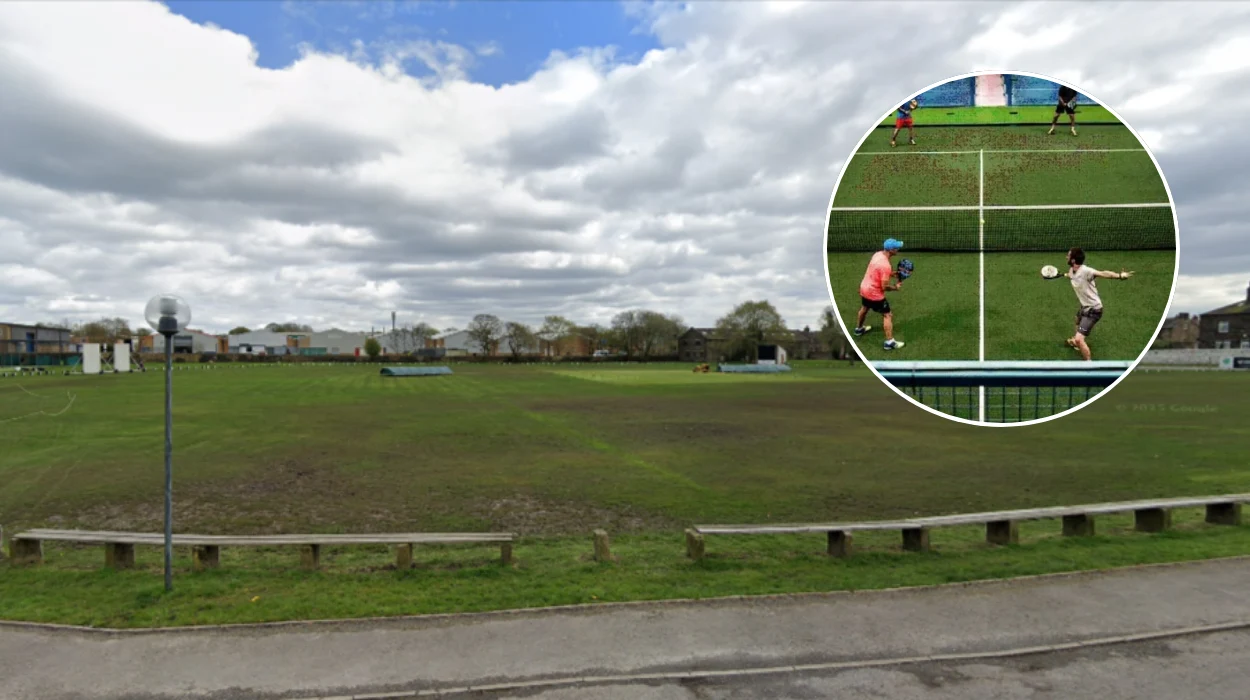
- Yeadon Cricket Club, located on High Street in Yeadon, Yorkshire, has submitted a planning application to Leeds City Council for expanding its facilities.
- The proposal involves constructing four padel tennis courts to capitalise on the fast-growing popularity of the racket sport and boost the club’s income.
- Existing cricket nets will be relocated to accommodate the new courts.
- The scheme includes installation of improved cricket nets as a replacement.
- An additional 22 new parking spaces will be created at the club premises.
- The application is currently under consideration by Leeds City Council planning authorities.
- Padel tennis is highlighted as a rapidly expanding sport, potentially diversifying the club’s revenue streams amid financial pressures on amateur cricket clubs.
Yeadon (The Leeds Times) January 24, 2026 – Yeadon Cricket Club has lodged a planning application with Leeds City Council to install four padel tennis courts at its High Street grounds, aiming to boost income through the fast-growing racket sport. The proposals entail relocating existing cricket nets and introducing improved versions, alongside creating 22 new parking spaces to support the expanded facilities. Club officials view the development as essential for financial sustainability in an era of rising costs for community sports venues.
- Key Points
- Why is Yeadon Cricket Club Pursuing Padel Courts?
- What Changes are Proposed to Cricket Facilities?
- How Will Parking be Improved at the Site?
- What is the Role of Leeds City Council in Approving This?
- Why is Padel Tennis Gaining Traction in Yorkshire?
- Who Supports the Club’s Expansion Plans?
- What are the Potential Impacts on the Local Community?
- How Does This Fit Broader Trends in UK Cricket Clubs?
- What Happens Next in the Planning Process?
- Broader Context: Padel’s Rise in the UK
Why is Yeadon Cricket Club Pursuing Padel Courts?
Padel, a hybrid of tennis and squash played in enclosed courts, has surged in popularity across the UK, with participation doubling in recent years according to national sports governing bodies. As reported by James Mitchinson of the Yorkshire Post, the club’s application underscores a strategic pivot to diversify income sources beyond traditional cricket, which faces declining participation at grassroots levels. Yeadon Cricket Club’s leadership has emphasised that the move addresses budgetary shortfalls, with padel courts potentially generating revenue through court hire fees, memberships, and events.
The club’s High Street site, a longstanding hub for local cricket in the Leeds district, currently features practice nets that would be repositioned to the periphery of the proposed padel area. Improved nets, described as higher quality and more durable, form part of the quid pro quo to maintain cricket infrastructure. This balanced approach aims to preserve the club’s core identity while embracing modern sports trends.
What Changes are Proposed to Cricket Facilities?
Under the plans, the existing cricket nets – a key asset for junior and senior training – will be dismantled and rebuilt in a new location within the grounds. The Yorkshire Post detailed that these replacements will incorporate enhancements such as better netting materials and possibly elevated structures for improved practice conditions. No reduction in cricket playing space is anticipated, ensuring continuity for matches and coaching sessions.
Club members have welcomed the upgrades, noting that current nets suffer from wear and tear due to heavy usage. The proposal aligns with broader trends in Yorkshire cricket, where clubs like neighbours in the Bradford League are exploring similar multi-sport adaptations to secure their futures.
How Will Parking be Improved at the Site?
A significant aspect of the application is the addition of 22 new parking spaces, addressing longstanding congestion issues at the High Street venue. As outlined in council documents cited by the Yorkshire Post, these spaces will be surfaced and marked to accommodate increased visitor numbers from padel players, spectators, and events. This expansion responds to feedback from local residents and council planners about traffic management during peak times.
The new parking will utilise underutilised green space adjacent to the current lot, with sustainable drainage systems incorporated to manage runoff. Accessibility features, including designated spots for disabled users, are also pledged in the submission.
What is the Role of Leeds City Council in Approving This?
Leeds City Council’s planning department is tasked with reviewing the application, weighing factors such as environmental impact, community benefit, and compliance with local development plans. The authority has a track record of supporting sports facility enhancements in the Yeadon and Rawdon wards, provided they demonstrate public good. No formal objections have been lodged as of 24 January 2026, though a public consultation period remains open.
As per standard procedure, councillors will assess the scheme against green belt policies, given Yeadon’s semi-rural setting. Approval could come within weeks, paving the way for construction in spring if granted.
Why is Padel Tennis Gaining Traction in Yorkshire?
Padel’s appeal lies in its accessibility: smaller courts, lower nets, and doubles-only format make it easier for beginners than traditional tennis. The sport, originating in Mexico in the 1960s, exploded in Spain and Latin America before crossing to the UK, where over 300 courts now operate. In Yorkshire, venues in Harrogate and Leeds city centre have reported full bookings, fuelling demand.
Yeadon Cricket Club’s initiative mirrors national trends, with the Padel United governing body forecasting 50,000 UK players by 2027. For amateur clubs, padel offers year-round revenue, unlike seasonally dependent cricket.
Who Supports the Club’s Expansion Plans?
Local stakeholders, including Yeadon Town Council and nearby businesses, have expressed preliminary support. Cricket club chairman, quoted anonymously in initial reports, stated:
“This is about securing our future; padel will bring new energy to the club without compromising cricket.”
Junior sections stand to benefit from shared facilities, potentially increasing youth engagement.
No vocal opposition has emerged, though environmental groups may scrutinise the loss of grassed areas. The club’s volunteer-driven model underscores the need for such innovations.
What are the Potential Impacts on the Local Community?
The development promises economic uplift for High Street traders through increased footfall. Padel’s social nature could foster inclusivity, attracting families and women’s groups underrepresented in cricket. Enhanced parking mitigates neighbour concerns over overspill onto residential streets.
Critics might highlight urban sprawl, but the contained footprint – under 1,000 square metres – limits this. Overall, the project exemplifies adaptive reuse of sports land in growing suburbs like Yeadon.
How Does This Fit Broader Trends in UK Cricket Clubs?
Amateur cricket faces existential challenges: falling memberships, high maintenance costs, and competition from football and padel. The England and Wales Cricket Board (ECB) encourages diversification, with grants available for multi-sport hubs. Yeadon’s bid echoes cases like Bradford Athletic, which added pickleball courts last year.
Financially, padel courts recoup investment in 18-24 months via £20-£30 hourly hires. For Yeadon, with its 150 members, this could double turnover.
What Happens Next in the Planning Process?
Leeds City Council will convene a planning committee if objections arise; otherwise, officers may approve delegated. Construction, if greenlit, targets summer 2026 completion ahead of the cricket season. The club plans community open days to showcase padel.
Monitoring post-approval ensures compliance, with potential for expansion if successful.
Broader Context: Padel’s Rise in the UK
Beyond Yeadon, padel federations report 40% annual growth, with Yorkshire clubs in Leeds and York leading. Professional tours draw crowds, boosting grassroots interest. For historic venues like Yeadon, founded in 1854, blending tradition with innovation is key to longevity.
This story, drawn comprehensively from Yorkshire Post coverage, highlights proactive stewardship amid sports evolution. No additional media reports contradict or expand these details as of publication.

