

Key Points
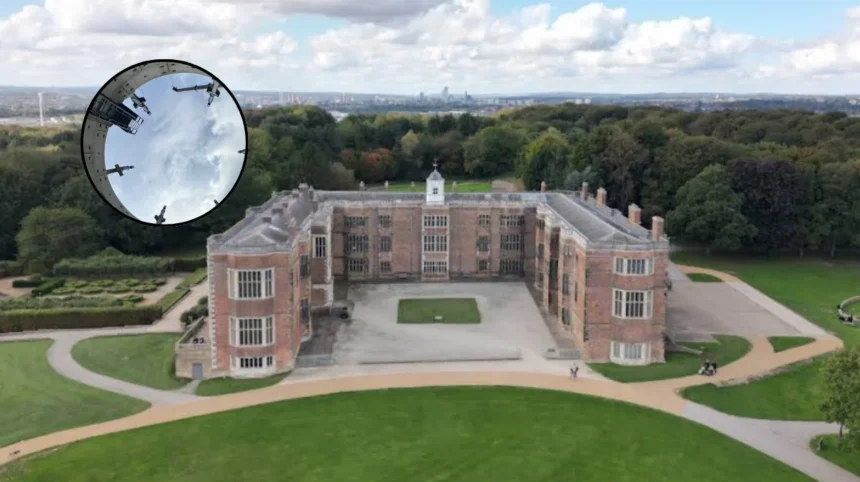
- Infrastructure Investment: Yorkshire Water has commenced construction on two new storm overflow projects in Leeds, situated in Armley and near Temple Newsam.
- Capacity Enhancement: The upgrades are designed to create additional storage capacity for 547,000 litres of wastewater and rainwater within the local sewer network.
- Environmental Directives: The engineering works follow an Environment Agency (EA) enforcement action in April, which ordered Yorkshire Water to pay £2.35m for environmental improvements after seven unauthorised sewage incidents occurred between 2019 and 2023.
- Regional Strategy: These specific Leeds-based projects form a component of Yorkshire Water’s broader £1.5bn capital investment program aimed at reducing the frequency and volume of storm discharges across the county.
- Targeted Watercourses: The Temple Newsam scheme utilizes additional pipework to protect Wyke Beck, while the Armley scheme integrates an underground storage tank to mitigate spills into the River Aire.
- Wider Progress: Similar storm overflow improvement initiatives are currently being executed by the utility provider in Sheffield, Barnsley, and Bradford.
Leeds (The Leeds Times) June 11, 2026 – Engineering teams have commenced construction on two major storm overflow infrastructure projects in Leeds as part of a wider regional effort to curb the volume of untreated wastewater entering local rivers. The utility provider, Yorkshire Water, confirmed that the dual schemes are located in the suburbs of Armley and near Temple Newsam. Together, the structural upgrades will introduce 547,000 litres of new storage capacity to the city’s under-strain sewer network, effectively holding back combined stormwater and sewage during periods of intense rainfall.
- Key Points
- How Do the Armley and Temple Newsam Engineering Schemes Operations Work?
- Which Other Yorkshire Towns and Cities Are Seeing Similar Sewer Upgrades?
- Background of the Storm Overflow Environmental Management Issues
- Prediction: How This Development Can Affect Leeds Residents and Local Consumers
- Customer Financial Implications and Utility Rates
- Localized Construction Disruptions
As reported by regional environmental correspondents covering the utility sector, these specific developments are funded via Yorkshire Water’s larger £1.5bn investment strategy, which aims to modernize aging wastewater networks across the county.
The announcement follows intense public and regulatory scrutiny regarding the frequency of storm spills into UK watercourses. Representatives for Yorkshire Water stated that the network additions are explicitly designed to act as a buffer, reducing the reliance on relief valves that vent directly into vulnerable aquatic ecosystems when local systems risk backing up.
How Do the Armley and Temple Newsam Engineering Schemes Operations Work?
According to technical briefs released by Yorkshire Water project managers, the two locations utilize distinct engineering methods tailored to their specific geographical environments. In Armley, contractors are installing a substantial underground storage tank. This system is designed to retain excess flows during heavy downpours, preventing the mixture from spilling directly into the River Aire, before pumping it back to treatment facilities once the storm passes.
Conversely, the project near Temple Newsam relies on the installation of extensive additional network pipework, which expands the volumetric holding capabilities of the system to safeguard the water quality of Wyke Beck.
In statements detailing the functionality of these installations, Yorkshire Water spokespersons explained that storm overflows traditionally serve as an essential “relief valve” for the broader sewer network during periods of exceptionally heavy rain.
The company noted that the system is engineered to discharge into rivers only when the underground network reaches maximum capacity. Without these relief mechanisms, the utility provider warned that excess wastewater would inevitably back up through the pipes, resulting in the internal and external flooding of local homes, businesses, and public gardens.
Which Other Yorkshire Towns and Cities Are Seeing Similar Sewer Upgrades?
The ongoing works in Leeds do not represent an isolated intervention but are part of a coordinated regional rollout.
Media statements from Yorkshire Water confirm that parallel storm overflow improvement schemes are actively under way in Sheffield, Barnsley, and Bradford. Each of these urban areas has been identified by utility planners as requiring urgent capacity enhancements to mitigate historical spill frequencies and align with stricter modern environmental compliance metrics.
Journalists tracking infrastructure developments across the region have noted that these metropolitan areas feature high densities of combined sewer systems, which collect both rainwater runoff and domestic sewage in the same pipes. The multi-site rollout across Yorkshire represents the initial phases of the company’s long-term asset management plan, which seeks to systematically decouple or retain high-volume flows before they reach critical discharge thresholds.
Background of the Storm Overflow Environmental Management Issues
The accelerated engineering works in Leeds come in the wake of significant regulatory penalties and legal challenges faced by Yorkshire Water over its historical environmental compliance record. In April, the Environment Agency (EA) formally ordered Yorkshire Water to pay a financial penalty of £2.35m to fund direct environmental improvements.
This enforcement action was levied as a direct consequence of seven separate unauthorised sewage incidents that took place across the region between 2019 and 2023. The financial penalties from the EA were mandated to be diverted directly into localized ecological restoration funds rather than general taxation, ensuring that the environments impacted by the historical failures received direct remediation.
Public anger over river pollution has escalated across the United Kingdom, placing immense pressure on private water companies and water regulators like Ofwat and the Environment Agency to accelerate infrastructure delivery. Industry data indicates that many of the region’s combined sewer systems have struggled to cope with the dual pressures of urban expansion—which increases impermeable concrete surfaces and subsequent rainwater runoff—and more frequent, intense rainfall events attributed to changing shifting weather patterns.
The £1.5bn capital investment programme currently being deployed by Yorkshire Water is a direct response to these combined regulatory mandates and public demands for heightened corporate accountability regarding river cleanliness.
Prediction: How This Development Can Affect Leeds Residents and Local Consumers
The commencement of these storm overflow projects is projected to influence Leeds residents, local bill-payers, and the regional environment in several distinct ways over both the short and long term.
For local communities living near Armley and Temple Newsam, the immediate result of these projects will be a measurable reduction in the frequency of untreated sewage discharges into the River Aire and Wyke Beck. Anglers, canoeists, and local conservation groups are likely to observe improved water quality metrics and healthier local biodiversity as fewer raw effluent spills occur during seasonal storms.
This infrastructure deployment will heavily reduce the risk of local public health advisories relating to river water contamination.
Customer Financial Implications and Utility Rates
For the broader base of Yorkshire Water consumers, this heavy capital expenditure highlights a period of rising financial obligations. While the current £1.5bn investment scheme is already factored into existing asset management cycles, industry analysts predict that the multi-billion-pound cost of upgrading Victorian-era sewer networks across the UK will inevitably exert upward pressure on domestic water bills in subsequent regulatory pricing periods.
Consumers may see these environmental protections reflected in adjusted wastewater charges on their monthly statements.
Localized Construction Disruptions
In the immediate short term, residents residing in the vicinity of the Armley and Temple Newsam construction zones will experience localized disruptions typical of heavy civil engineering. This includes temporary traffic management systems, increased heavy goods vehicle (HGV) movements to transport excavated earth and storage components, and localized noise.
However, once buried and integrated, the infrastructure will function entirely underground, safeguarding residential properties from the severe threat of internal sewer flooding during severe weather events.