Key Points
- Planning Approval Granted: Local councillors have officially granted planning permission for a newly developed beer garden bar at a traditional village pub.
- Prohibition on Live Music: Approval was made strictly conditional upon a complete ban on all outdoor live music and amplified sound performances in the garden area.
- Environmental Health Intervention: Environmental health officers initially raised formal objections following noise concerns and proximity assessments regarding nearby residential properties.
- Neighbour Objections: Local residents submitted representations detailing fears over late-night disturbance, loud amplification, and general public nuisance.
- Licensee Commitment: The venue management assured the licensing committee that live music would no longer be featured in external areas, paving the way for the project’s final consent.
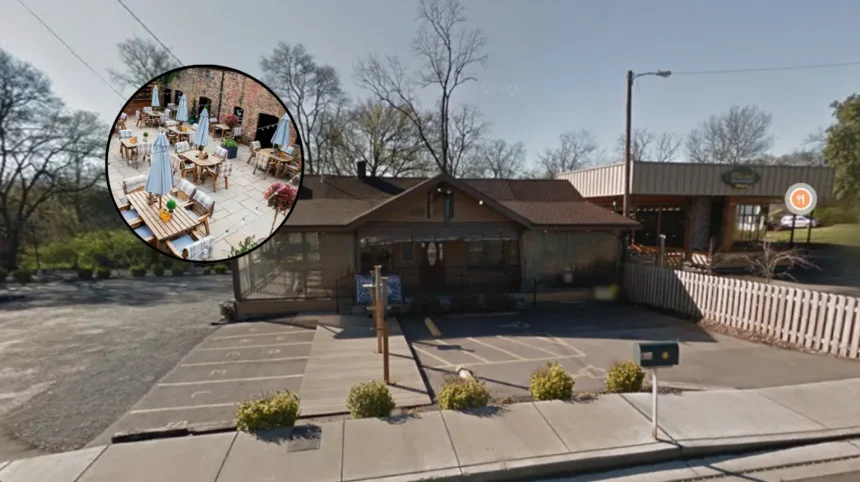
London, UK (The Leeds Times) August 19, 2026 — Councillors have officially approved planning permission for a village pub to establish an outdoor beer garden bar after venue management agreed to a total ban on outdoor live music performances. The decision follows a detailed review by the local authority’s planning and licensing committee, which weighed the commercial viability of the hospitality venue against formal objections raised by local residents and municipal environmental health officers.
- Key Points
- Why Did Environmental Health Officers Object To The Outdoor Bar?
- How Did Local Residents React To The Beer Garden Proposal?
- What Conditions Were Imposed By The Planning Committee?
- Background Of This Particular Development
- Prediction: How Will This Development Affect Local Residents And Venue Patrons?
As reported by venue representatives during the committee proceedings, the pub management confirmed that external musical events, which had previously generated significant local debate, would be permanently discontinued.
By removing amplified entertainment from the outdoor space, the applicant successfully mitigated the primary concerns raised by public protection authorities, leading to the formal granting of conditional planning consent.
Why Did Environmental Health Officers Object To The Outdoor Bar?
Prior to the committee’s final determination, municipal environmental health officers lodged a formal objection regarding the potential for statutory noise nuisance. According to official assessment documentation submitted to the council, public health regulators expressed deep concerns over the close proximity of the proposed beer garden bar to adjacent residential dwellings.
In official statements presented to the committee, environmental health representatives noted that amplified live sound in open-air environments lacks acoustic containment. Without structural barriers or soundproofing, low-frequency sound waves travel across property boundaries, adversely impacting the living conditions and well-being of neighbouring occupiers during evening hours.
Furthermore, environmental health specialists indicated that previous outdoor events hosted at the premises had already resulted in noise complaints.
Consequently, officers concluded that permitting a permanent outdoor bar service alongside open-air entertainment would lead to repeated public nuisance issues unless strict, enforceable operational constraints were attached to the permission.
How Did Local Residents React To The Beer Garden Proposal?
Local residents submitted written representations to the local planning authority expressing serious apprehension regarding the operational expansion of the pub’s outdoor space. The primary grievances focused upon increased footfall, late-night chatter, light pollution, and the disruptive impact of live music acts performed in the garden.
Several householders highlighted that living in a tranquil village setting created an expectation of reasonable peace and quiet, particularly during weekend evenings.
Objectors argued that unrestricted outdoor gatherings, combined with amplified instruments or public address systems, severely impaired their ability to enjoy their private gardens or sleep undisturbed.
However, the application was not entirely without local backing. Supporter representations emphasized the crucial economic and social role the village pub plays within the rural community. Supporters argued that modernizing outdoor drinking facilities is vital for the long-term survival of independent hospitality venues facing elevated operational costs and changing consumer habits.
Explore More UK News
UK Unemployment Rate Holds Steady at 4.9 Percent in June 2026
Ikea Explores Store Claims Model for Home Insurance Entry UK 2026
What Conditions Were Imposed By The Planning Committee?
To achieve a balanced resolution between commercial sustainability and residential amenity, members of the planning committee voted to approve the development subject to a series of binding conditions.
- Complete Ban on Outdoor Amplified Sound: No live music acts, acoustic performers, disc jockeys, or external loudspeaker systems are permitted in the beer garden at any time.
- Designated Service Hours: Operating hours for the external bar counter are strictly aligned with local environmental guidelines to prevent late-night disturbance.
- Capacity Management: Venue management must limit the number of patrons utilizing the outdoor garden space simultaneously.
- Acoustic and Lighting Measures: External lighting fixtures must be angled downwards to prevent light spill into adjacent residential properties.
The committee chairman affirmed during the hearing that non-compliance with any of these attached conditions would trigger immediate enforcement proceedings by the local authority, potentially placing the venue’s overall premises licence under review.
Background Of This Particular Development
Over the past decade, the UK hospitality sector has undergone a structural shift towards outdoor dining and social spaces, a trend significantly accelerated by changing consumer preferences and evolving licensing frameworks. Village pubs across the country have increasingly sought to redevelop unused yards, lawns, and car parks into lucrative beer gardens and external serveries to maximize trading capacity during peak seasons.
Simultaneously, local authorities and planning committees have faced rising pressure to manage the friction generated between expanding commercial venues and surrounding residential areas.
Under the Licensing Act 2003 and the Environmental Protection Act 1990, councils hold a statutory obligation to prevent public nuisance while supporting local economic development.
In recent years, planning approvals featuring strict acoustic constraints—such as live music prohibitions, acoustic fencing requirements, and automated decibel limiters—have become standard regulatory tools used by local councils to permit commercial expansion without compromising neighborhood tranquility.
Prediction: How Will This Development Affect Local Residents And Venue Patrons?
This decision creates a definitive operational compromise that directly shapes the future environment for both nearby residents and pub visitors.
For neighbouring homeowners, the absolute ban on outdoor live music provides legal certainty and protection against intrusive acoustic disturbance. Residential occupiers can expect a predictable environment during evening hours, as noise emissions will be restricted exclusively to general conversational chatter rather than amplified bass frequencies.
The presence of enforceable planning conditions also gives residents direct recourse to council enforcement teams should noise levels breach acceptable standards in the future.
For pub patrons and venue owners, the approval secures an enhanced, modernized outdoor space that improves the venue’s overall amenity offering, particularly during summer months. While the prohibition of open-air music prevents the pub from operating as an outdoor festival or live event venue, the core hospitality service remains intact.
Management will likely pivot live entertainment strategies entirely indoors—where sound insulation measures can be better managed—ensuring the business remains economically viable while maintaining positive relationships within the local community.