

Key Points
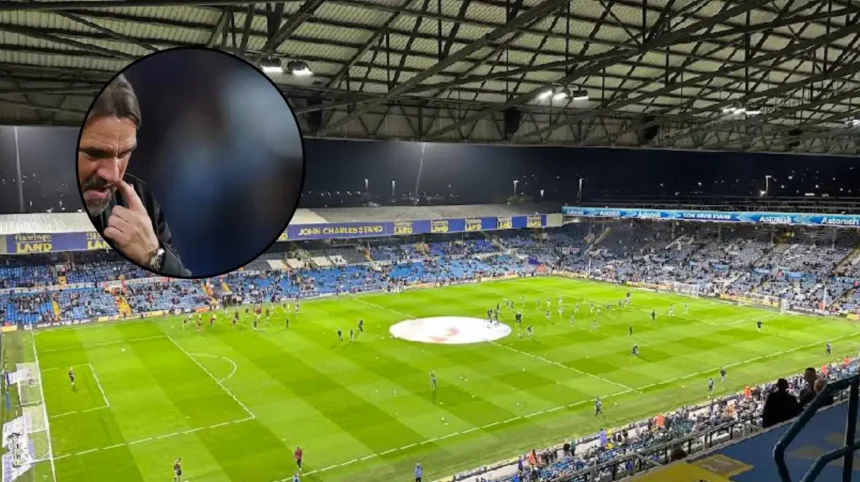
- Leeds United head coach Daniel Farke has earned widespread praise for his transformative management since taking charge at Elland Road in the summer of 2023.
- After steering the club out of the Championship and securing a 14th-place finish in the Premier League, Farke’s side has made an unbeaten start to the current top-flight campaign.
- High-profile acquisitions have fueled this success, most notably England international striker Dominic Calvert-Lewin.
- Despite Calvert-Lewin’s impact and goalscoring form, debate surrounds whether another key squad member holds the title of Farke’s masterstroke signing. MOT Leeds News
- Tactical flexibility, including a successful transition to a 3-5-2 system, has been central to Leeds United’s competitive stability in the Premier League. Football365
Leeds (The Leeds Times) September 19, 2026 —Leeds United head coach Daniel Farke has received high praise for the structural and cultural overhaul he has overseen since arriving at Elland Road in the summer of 2023. Taking over a squad reeling from relegation out of the Premier League and dealing with an exodus of unsettled players, the German manager successfully stabilized the club. He masterminded an immediate response by securing the Championship title in his second season, before guiding the Whites to a respectable 14th-place finish in the top flight last term, backed by an ongoing unbeaten start to the current campaign.
The journey back to stability and competitiveness has been paved with shrewd transfer market maneuvers. Among them, the recruitment of England international Dominic Calvert-Lewin stands out as a major milestone for the club’s frontline.
Yet, as analysts and supporters evaluate the true catalysts behind Farke’s system, attention has increasingly shifted toward other foundational squad members who anchor the manager’s tactical blueprint.
How Did Tactical Adaptations Shape Farke’s Success at Elland Road?
The turning point for Farke’s tenure arrived during a demanding stretch of fixtures, most notably following a tactical reshuffle away from traditional shapes into an effective 3-5-2 formation. This shift provided defensive solidity and maximized the output of key personnel across the pitch.
The implementation of this system required specific player profiles capable of handling rigorous physical demands and tactical versatility. While high-profile names like Calvert-Lewin capture headlines for their goalscoring exploits, observers note that defensive resilience and ball-playing capacity from deeper areas have been equally vital in keeping Leeds competitive against established Premier League opposition.
Explore More Leeds United News
Opta Premier League Predicted Table Leeds United 2026
talkSPORT Presenters Clash Over Leeds Star James Trafford in England Squad | Leeds 2026
Background of the Particular Development
The ongoing discussion regarding Daniel Farke’s best acquisition stems from the broader strategic evolution of Leeds United since their return to the top flight. Following the 49ers enterprise takeover and structural changes behind the scenes, recruitment policy pivoted toward acquiring players suited to specific tactical systems rather than solely relying on marquee names.
Farke’s tactical shift mid-way through previous campaigns highlighted a clear need for elite adaptability, elevating the importance of multi-functional operators across defense and midfield. Consequently, internal and external evaluations of squad value frequently weigh immediate goalscorers against the structural linchpins who enable the team’s overarching style of play.
Prediction
This squad development and ongoing internal debate over key personnel signpost a maturing recruitment strategy that directly impacts Leeds United supporters. For fans, the transition from battling relegation to comfortably competing in the upper half of the Premier League raises expectations for future transfer windows.
As Farke continues to fine-tune his roster—balancing heavy-hitting forwards with tactically disciplined foundational players—supporters can anticipate a more resilient team capable of sustaining long-term top-flight stability without relying on single individuals to carry the burden of performance.