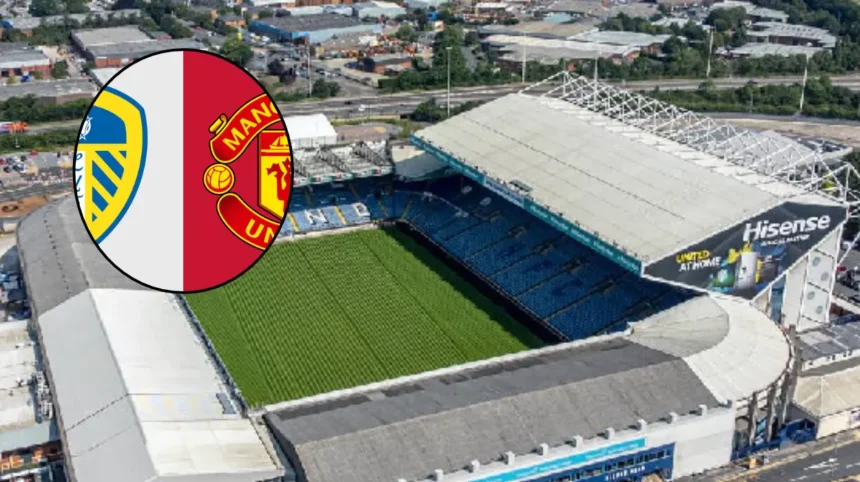
Key Points
- Match Fixture: Leeds United host traditional rivals Manchester United at Elland Road on Sunday with kickoff scheduled for 14:00 BST.
- Form & Standings: Leeds sit seventh in the Premier League table with nine points from six matches, while Manchester United have made their worst league start in 40 years, taking just six points from six games.
- Early Kickoff Curse: Leeds United have gone 20 consecutive Premier League matches without a victory (seven draws, 13 defeats) in games kicking off before 15:00, marking the longest such run in Premier League history.
- Off-Pitch Offence: Tensions at Old Trafford have escalated following defender Lisandro Martínez’s public criticism of the club’s summer recruitment strategy, combined with recent disappointing displays against Tottenham Hotspur and Atlético Madrid.
- Managerial Head-to-Head: Manchester United head coach Michael Carrick has lost all five of his league meetings against Leeds manager Daniel Farke, his worst record against any fellow manager.
- Contract Negotiations: Reports indicate Leeds United head coach Daniel Farke has agreed a contract extension through to 2029 following a strong start to the current campaign.
LEEDS (The Leeds Times) October 17, 2026 – Leeds United will be looking to pile the misery on Manchester United on Sunday when the two rivals meet in the Premier League at Elland Road (14:00 BST). The historic Pennines derby arrives at a crucial juncture for both clubs, with contrasting domestic momentum, off-field scrutiny, and significant managerial records framing the contest in West Yorkshire.
- Key Points
- What Is the Current Team News and Tactical Context Heading into Elland Road?
- What Statements Have Been Made Regarding Internal Club Affairs and Recruitment?
- Background of the Particular Development
- Prediction: How This Development Can Affect Premier League Football Fans and Both Club Backings
As detailed by football reporter Kris Smith of Leeds All Over, Daniel Farke’s side enter the fixture following a performance at Arsenal where Leeds failed to hold on after taking the lead, though head coach Farke expressed satisfaction with broad aspects of the collective output. Conversely, sports media reports confirm Manchester United arrive with low spirits following a 1-1 home draw against 10-man Tottenham Hotspur, which was compounded by a midweek 2-0 defeat to Atlético Madrid in the UEFA Champions League.
What Is the Current Team News and Tactical Context Heading into Elland Road?
The tactical narrative surrounding Leeds United centers on the visible improvements in their structured phase play under Daniel Farke. However, as highlighted in statistical breakdowns across national coverage, one significant operational issue facing West Yorkshire club is their record in early kickoffs. Leeds United have gone 20 Premier League games without a win—drawing seven and losing 13—in matches commencing prior to 15:00 BST, a figure standing as the longest winless early-slot run by any side in Premier League history.
From the opposition perspective, Manchester United manager Michael Carrick is confronting severe internal and external scrutiny.
As recorded by reporter Isabel Ryan of UtdReport, Manchester United’s return of six points from their opening six fixtures represents the club’s lowest points total at this stage of a league campaign since the 1986/87 season. Furthermore, head-to-head records confirm that Carrick has lost all five of his professional league encounters against Farke, marking his most frequent defeats against any individual head coach in management.
What Statements Have Been Made Regarding Internal Club Affairs and Recruitment?
The atmosphere around Old Trafford has been further complicated by player commentary regarding organizational decisions. As reported in recent match coverage across sports press outlets, central defender Lisandro Martínez delivered pointed words regarding Manchester United’s recruitment strategy during the summer transfer window, raising questions over squad depth and balance ahead of the trip to Elland Road.
Despite the ongoing criticism directed at Carrick, Farke publicly offered support to his counterpart during Friday’s pre-match press conference. As transcribed by BeanymanSports, Farke voiced frustration regarding premature managerial pressure in top-flight football, stating:
“We don’t have many young British coaches in the Premier League. We have a promising one, who has done excellent jobs at Middlesbrough and when [he] came in at Manchester United to steady the ship. But after six games, when they haven’t had a horrendous start — okay, by their perception [they have], as they want to challenge for the title. The criticism has started already. I don’t like it. I like it when young British managers come through. The outside world wants to see everyone fail. We should be happy to have someone with so much potential and not question them too early.”
Simultaneously, news outlets including The Athletic have reported that Daniel Farke has broadly agreed terms over a contract extension at Leeds United running until June 2029. Farke recently parted ways with his representative during the ongoing discussions with Leeds United chairman Paraag Marathe, who noted publicly that supporters can expect Farke to lead the club long-term.
Explore More Leeds United News
Leeds vs Man United Final Injury News West Yorkshire 2026
Leeds United vs Manchester United: Premier League Preview, Leeds 2026
Background of the Particular Development
The rivalry between Leeds United and Manchester United remains one of the most historically charged fixtures in English football, rooted in geographical and sporting antagonism between Yorkshire and Lancashire. Following Leeds United’s return and consolidation in top-flight football, encounters between the two sides at Elland Road have consistently carried high tactical and emotional stakes.
The current competitive context is defined by structural shifts within both clubs. Leeds United established stability following their previous promotional campaign, aligning squad recruitment with Farke’s methodical positional style. This foundation has propelled Leeds to seventh place in the current table, taking nine points from six matches.
Manchester United, by contrast, entered the current season under Michael Carrick seeking to establish consistency following significant summer expenditure. However, recent tactical stumbles—evidenced by the inability to secure three points against a ten-man Tottenham side and a flat midweek performance in Madrid—have placed immediate pressure on the coaching staff. Coupled with public declarations regarding squad building from senior figures like Martínez, the administrative and dressing-room dynamic at Manchester United faces its stiffest examination of the campaign to date.
Prediction: How This Development Can Affect Premier League Football Fans and Both Club Backings
The outcome of Sunday’s clash at Elland Road carries major operational and psychological implications for the primary audience: the supporters and stakeholders of both clubs, as well as the broader Premier League football audience.
For the Manchester United fanbase, a failure to secure a positive result in West Yorkshire could accelerate institutional changes. Given the club’s worst start in 40 years, an additional defeat would intensify pressure on the board regarding managerial continuity, potentially forcing leadership to evaluate long-term options prior to the mid-season mark.
Furthermore, unresolved friction over summer recruitment, highlighted by player statements, threatens to deepen the disconnect between match-going supporters and the club’s executive structure.
For Leeds United supporters, a decisive victory over their historic rivals would validate the administrative decision to grant Daniel Farke a extended contract until 2029. A win would break the club’s historic 20-game early-kickoff anomaly, cementing their position in the top half of the Premier League table and solidifying belief in Farke’s tactical project.
For the general Premier League audience, this fixture serves as a key indicator of competitive parity in the modern era, demonstrating how structural stability at established clubs can challenge traditionally dominant institutions during periods of tactical realignment.