

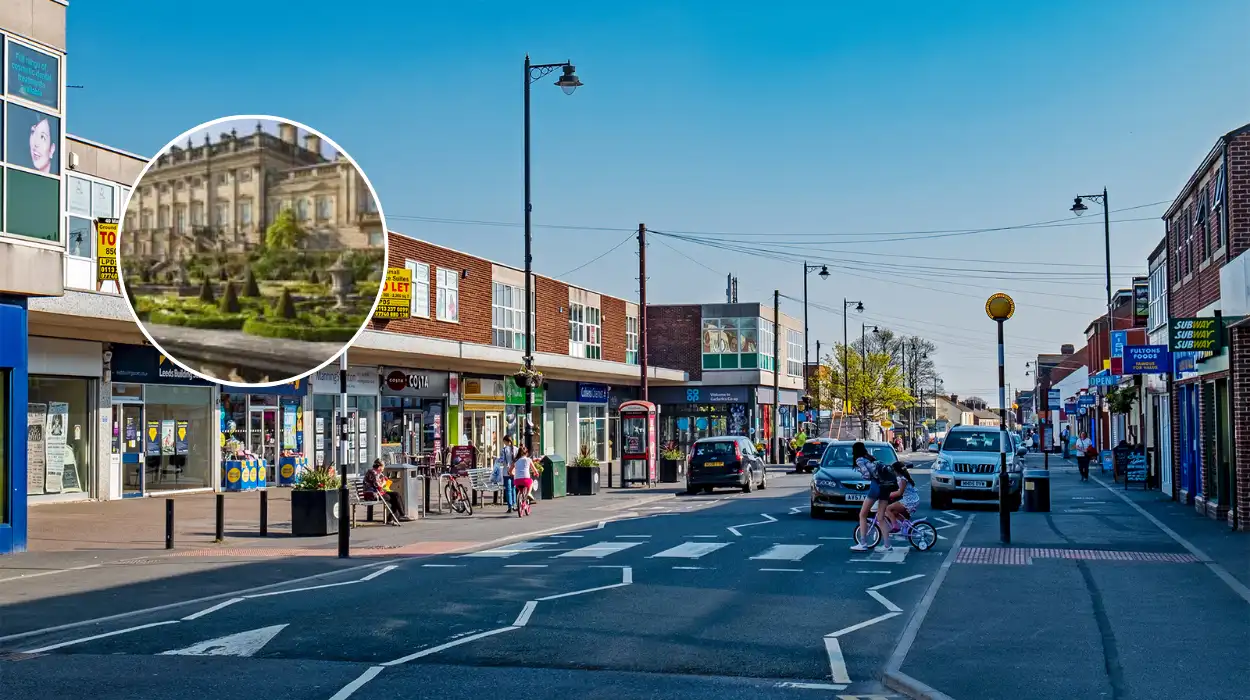
Garforth’s story begins in the Domesday Book of 1086, recorded as a small agricultural manor in the ancient Elmet region, with evidence of Anglo-Saxon settlements and even earlier Roman and Bronze Age activity near the A1/M1 junction. The 17th and 18th centuries brought prosperity through the Gascoigne family’s extensive coal mines, which expanded to support villages like Micklefield and Aberford, fueling regional growth. Following the 1810 Enclosure Act, mining intensified, leading to new pit villages, the construction of the Colliery School in 1843, and a surge in population that transformed open fields into a bustling industrial hub.
Industrial Legacy
Coal mining defined Garforth for generations, with key pits such as Sisters, Isabella, and Elizabeth connected by the “Fly Line” railway to Leeds until its closure in 1924, facilitating the transport of coal and workers. The arrival of the Leeds-Selby railway in 1834 accelerated development, including the establishment of the Working Men’s Club in 1865 as a social hub for miners, reflecting the town’s tight-knit labor community. Despite the Beeching cuts of the 1960s closing lines to Castleford, Garforth retained its dual railway stations—Garforth and East Garforth—evolving into a vital commuter link while shifting toward manufacturing and automotive sectors that now employ a significant portion of locals.
Modern Community
Home to over 20,000 residents, Garforth pulses with life along its vibrant Main Street, lined with independent shops, cafes, and eateries that foster a strong sense of community. The Garforth Community Arts School serves as a cultural cornerstone, offering classes and events that attract families from across the Leeds borough. Excellent connectivity via frequent trains to Leeds in just 10 minutes, York, and beyond, plus easy A1(M) access, positions it perfectly for professionals and families, complemented by top schools like Garforth Academy, which traces its roots to the 1907 Infants School.
Top Attractions
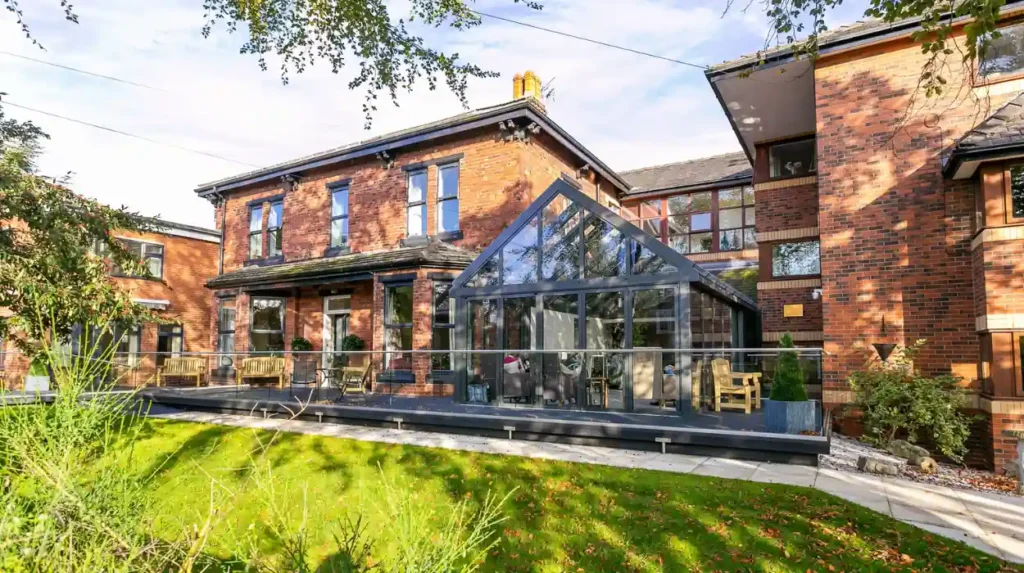
Ninan Temple and Gardens provide a tranquil escape with its 18th-century folly nestled in woodlands, ideal for leisurely walks and picnics amid scenic beauty. The weekly Garforth Market buzzes with stalls selling fresh local produce, handmade crafts, and classic Yorkshire cheeses, embodying the area’s community spirit and agricultural ties. Aberford Road Recreation Ground offers spaces for sports and family outings, while strawberry fields off Lidgett Lane evoke the town’s farming heritage, and historic sites like Gascoigne-era cottages and the former Fever Hospital on Garforth Cliff invite exploration of its layered past. Quirky local lore, such as the infamous -10°C “Big Freeze” of April 1908, adds flavor to pub conversations and guided heritage walks.
Lifestyle and Amenities
Garforth excels in family-friendly living with award-winning fish-and-chip shops, cozy bistros, and farm-to-table eateries along Selby Road, delivering authentic Yorkshire cuisine at accessible prices. Sports thrive here, from Garforth Town FC’s football matches to cricket clubs, resonating with Leeds’ passionate fanbase for local teams. Healthcare access through nearby NHS services and facilities like Garforth Sports Centre promote active lifestyles, while the Neighbourhood Plan safeguards green spaces amid thoughtful residential growth.
Outdoor Pursuits
Disused railway paths have been repurposed into cycle routes linking Garforth to Swillington and further afield, perfect for tracing the old coal trails through picturesque countryside. Aberford Lakes nearby draw anglers and birdwatchers, enhancing the suburb’s reputation for natural escapes and biodiversity initiatives led by the parish council, including tree-planting programs inspired by regional forestry projects. These pursuits strengthen community bonds, often accompanied by shared tales of extreme weather from Garforth’s colorful history.
Economic Evolution
Post-WWII mining decline prompted Garforth’s pivot to diverse industries, including logistics hubs near M1 Junction 47, retail, services, and emerging tech startups that capitalize on its strategic location. Low unemployment reflects resilience, bolstered by Leeds’ broader economy with its universities and businesses, mirroring the industrial boom of 1740-1840 that shaped Yorkshire. Today, over a third of workers engage in manufacturing and repairs, sustaining a stable job market for residents.
Cultural Highlights
Annual events like the Garforth Gala feature parades, fairs, and family fun, honoring mining roots with live music and local performances. The Community Arts School showcases exhibitions and workshops, while pubs such as the New Inn host regular live sessions, nurturing a lively arts scene. Connections to Leeds’ literary heritage appear in local archives and Thoresby Society publications, preserving oral histories of pit life, railways, and multi-generational stories that define community pride.
Property and Living
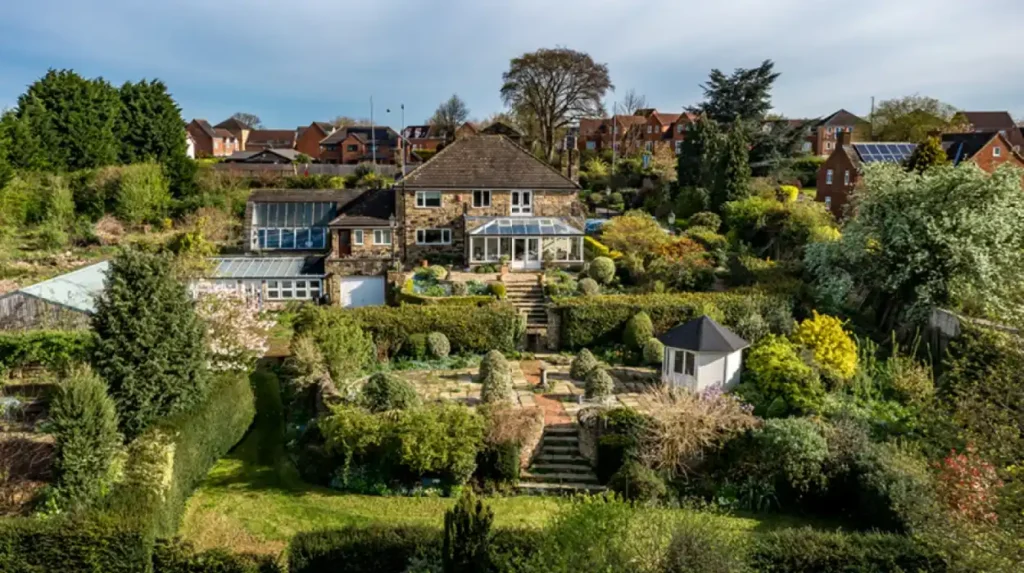
Property in Garforth appeals with average semi-detached homes priced around £280,000, detached properties from £400,000, and terraced houses near £220,000, drawing buyers fleeing Leeds’ higher costs for spacious, character-filled options. Victorian terraces mingle with mid-20th-century builds, offering gardens and proximity to schools that suit families perfectly. Strong rental demand from commuters supports investors, with new developments incorporating sustainability per the 2023 Garforth Plan’s vision for balanced expansion.
Future Prospects
The Neighbourhood Plan charts a path for over 500 new homes by 2035, alongside upgraded parks, business spaces, and HS2-enhanced connectivity, all while preserving Garforth’s village charm. Community-driven efforts emphasize wellbeing through heritage-inspired place-making, ensuring the suburb thrives as Leeds grows. This forward-thinking approach positions Garforth as a sustainable haven of authenticity in West Yorkshire.
Visitor Tips
Visit in spring for blooming gardens or summer for lively markets to experience Garforth at its best. Reach it easily by train from Leeds every 15 minutes or via the A642 road, and savor must-tries like Yorkshire puddings at traditional pubs or fresh scones from market stalls. Opt for boutique B&Bs or self-catering cottages for an immersive stay that captures the town’s welcoming spirit.