
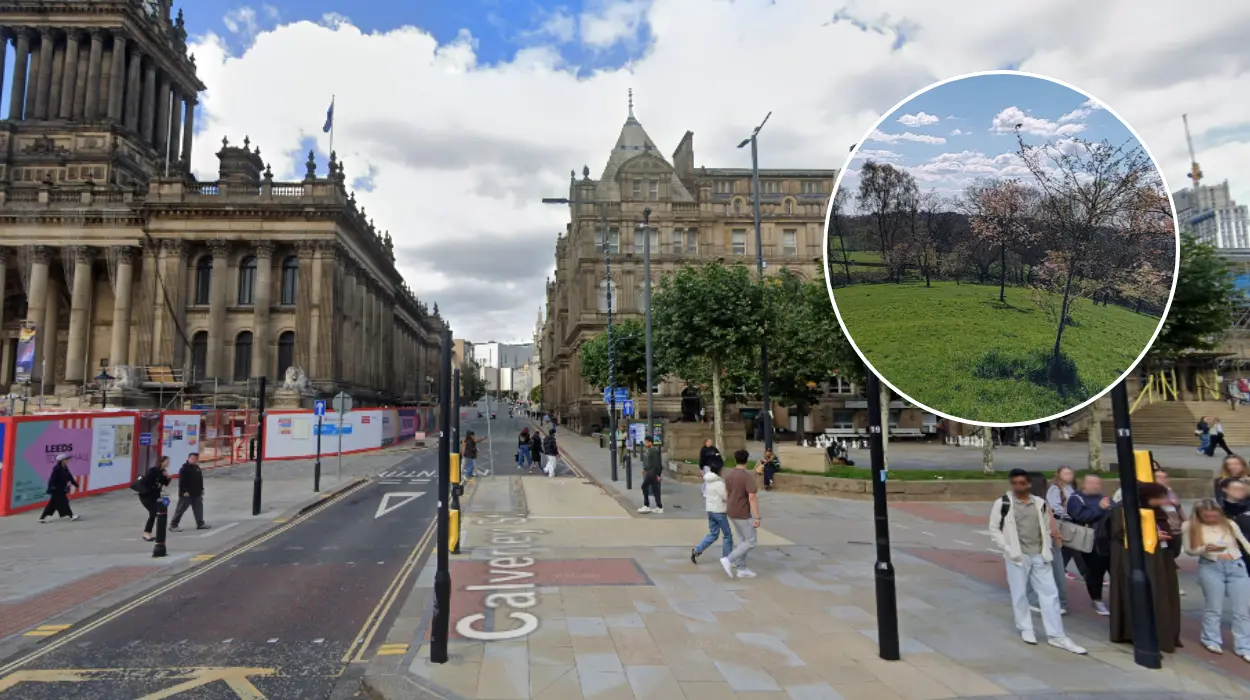
Leeds is home to over 4,000 acres of parks and green spaces, positioning it as one of the greenest cities in the UK. These areas provide essential escapes for relaxation, exercise, and community gatherings, appealing to locals and visitors year-round.
- History of Green Spaces
- Roundhay Park Highlights
- Temple Newsam Estate
- Meanwood Valley Farm
- Middleton Park Adventures
- Harewood House Grounds
- Neighborhood Gems
- Biodiversity Richness
- Accessibility Options
- Health Advantages
- Seasonal Events
- Family Fun Spots
- Dog-Friendly Areas
- Cycling Routes
- Community Volunteering
- Sustainability Goals
- Visitor Essentials
- Enduring Value
History of Green Spaces
Leeds’ parks emerged prominently during the Victorian era as part of public health initiatives amid rapid industrialization. Roundhay Park opened in 1872, gifted by philanthropist Sir John Barran to offer breathing space for urban dwellers.
Woodhouse Moor, used as common land since the 17th century, formalized as a park in the 1800s and hosted markets and rallies. This legacy underscores Leeds’ long-standing dedication to balancing city growth with natural amenities, a principle that continues today.
Roundhay Park Highlights
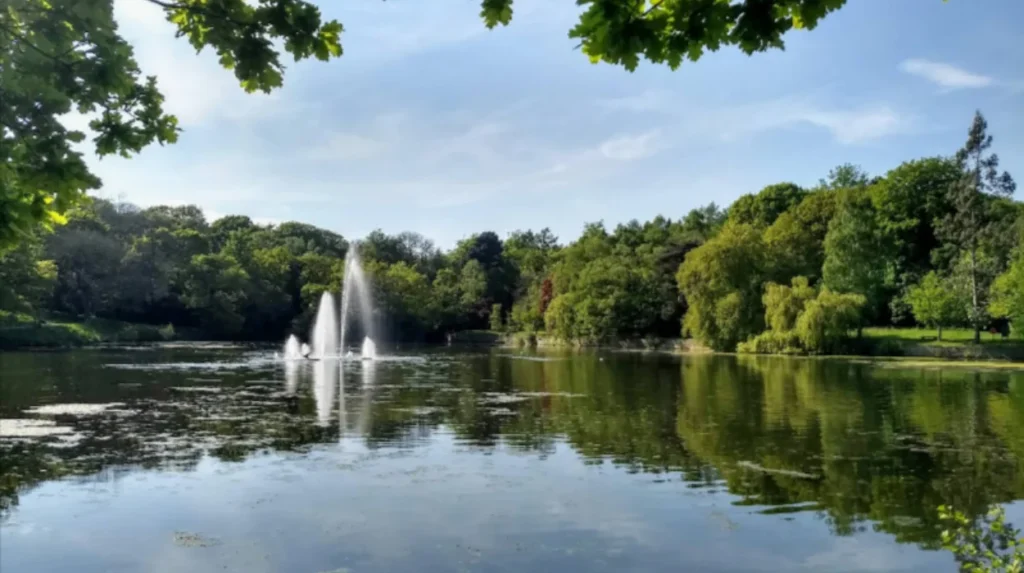
At 700 acres, Roundhay Park stands as Leeds’ largest green space and one of Europe’s biggest city parks. It boasts two lakes, peacocks, and the Tropical World conservatory with exotic plants and butterflies.
Families enjoy playgrounds and a miniature railway, while joggers circle the 4.5-mile perimeter path. Past events like 1970s concerts by Pink Floyd highlight its cultural role, drawing millions annually.
Temple Newsam Estate
Temple Newsam spans 500 acres around a historic Tudor-Jacobean mansion, birthplace of Lord Darnley. Award-winning gardens feature rhododendrons in spring and roses in summer, alongside ancient woodlands.
The rare breed farm offers animal interactions, promoting sustainable practices. Trails suit dog walkers, blending history, nature, and education seamlessly.
Meanwood Valley Farm
This 75-acre urban farm and trail network thrives with biodiversity, including over 100 bird species in ancient woods. Rescued animals and spring bluebells create a peaceful retreat.
The towpath follows an old railway, ideal for picnics and wildlife watching. Community yoga and events enhance its wellbeing focus.
Middleton Park Adventures
Middleton’s 200 acres include quarry lakes and woodlands, designated a Site of Special Scientific Interest. Adventure playgrounds and winter sledging hills entertain families.
Mountain bike trails challenge riders, while fishing spots attract anglers. Natural regeneration efforts support pollinators and quiet reflection.
Harewood House Grounds
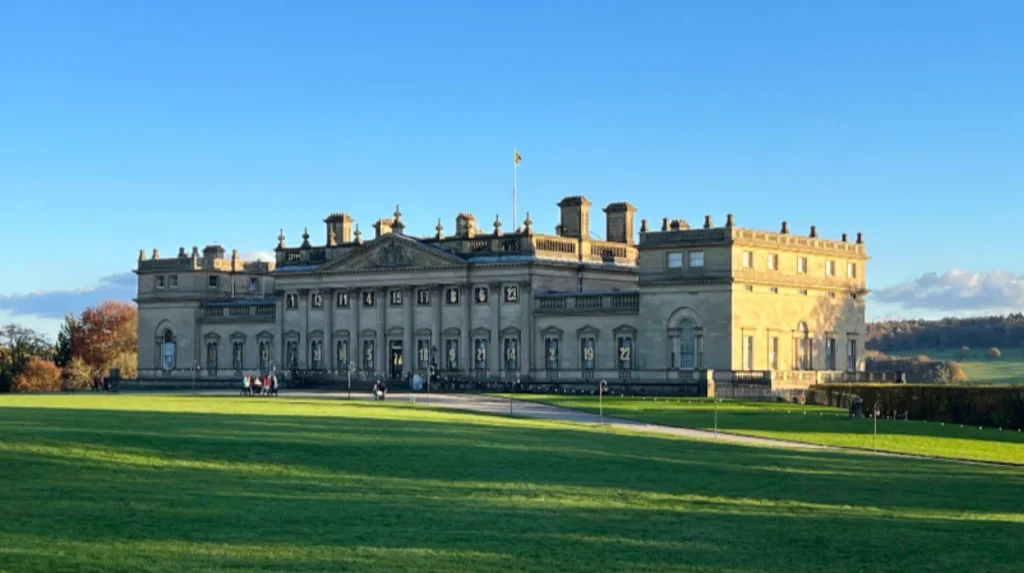
Harewood’s 100-acre deer park, designed by Capability Brown, features roaming deer and a bird garden. All-season displays and lake walks complement the mansion views.
Outdoor theater and accessible scooters ensure broad appeal, just outside Leeds city limits.
Neighborhood Gems
Clarence Park in Moortown shines with rose gardens and bowling greens. Potternewton Park’s sensory garden and festivals serve diverse needs.
Waterloo Green offers boating and tennis near the university, providing convenient green breaks for residents.
Biodiversity Richness
Otley Chevin’s 400 acres host peregrine falcons and wild garlic. Calverley Ponds protect amphibians, part of 66 Local Wildlife Sites spanning 2,000 hectares.
Initiatives like the Leeds Nature Improvement Area restore meadows, countering urban habitat loss.
Accessibility Options
Wheelchair paths, adapted play areas, and audio guides feature in major parks. Roundhay provides tactile maps; Temple Newsam has sensory farm rooms.
Council investments in green gym equipment and quiet hours accommodate all, with strong public transport links.
Health Advantages
Green visits cut stress by 30% and encourage activity, per studies. Seacroft Park’s trim trail and Gipton community gardens build fitness and social ties.
NHS green prescriptions promote walking groups and forest bathing for better mood and health.
Seasonal Events
Golden Acre Park’s cherry blossoms herald spring; Briggate Gardens hosts summer festivals. Autumn colors grace Bramham Park, winter brings Otley markets.
The council calendar keeps these spaces lively throughout the year.
Family Fun Spots
Roundhay’s zip lines and sandpits rival theme parks; Middleton’s dinosaur trail ignites curiosity. Farms teach sustainability via hands-on visits.
Free entry, cafes, and safety features make them parent favorites.
Dog-Friendly Areas
Off-leash zones abound, with Roundhay’s fields and Meanwood’s woods leading. Collingham Parks host dog shows; poo bins maintain cleanliness.
Trails range from riversides to hills for varied outings.
Cycling Routes
National Cycle Network paths link parks, like Armley Mills towpath. E-bike racks and Middleton jumps cater to all levels.
Active Leeds programs encourage family rides across 100 miles.
Community Volunteering
Friends of Roundhay groups organize clean-ups and plantings. City of Culture projects teach skills like coppicing, boosting pride and CVs.
Apps track volunteer impacts effectively.
Sustainability Goals
The Green Spaces Strategy targets 50% tree cover by 2030. Rewilding in East Leeds creates wetlands; solar centers advance carbon neutrality.
Public consultations ensure future-focused developments.
Visitor Essentials
Layer for weather, use What3Words for navigation, and check apps for updates. Pair with Supertram for city combos; carry dog bags.
Weekends peak; mornings offer tranquility.
Enduring Value
These spaces elevate life for 800,000 residents, fueling tourism millions. As urban green experts affirm, they anchor planetary health in daily Leeds living.