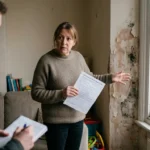

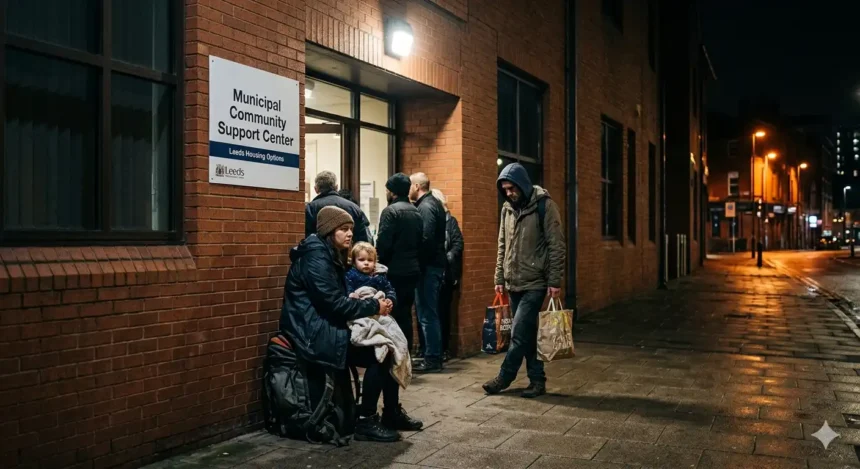
If you have nowhere to stay tonight in Leeds, contact Leeds Housing Options as soon as possible and ask for an emergency homelessness assessment. If you are unsafe, pregnant, have children, have a disability, or are fleeing violence, say this immediately because it may affect the help you get tonight.
Why this matters
For local residents in Headingley, Garforth, Horsforth, Pudsey, Yeadon and Morley, losing a home can quickly become a safety issue as well as a housing issue. Leeds City Council has a legal duty to assess people who are homeless or threatened with homelessness, and in some cases it must provide interim accommodation while it decides what help is owed.
This is especially important if you are sleeping on a sofa, staying in a car, in temporary unsafe accommodation, or facing eviction with no realistic place to go. The council’s homelessness service is there to decide whether you are eligible, whether you have a priority need, and whether emergency accommodation should be offered.
First steps tonight
If you need emergency housing tonight, act quickly and keep your explanation clear. Leeds Housing Options says people who are homeless or have nowhere to stay should call or visit the main office and speak to the team, while people at risk of homelessness within 56 days should email the service.
Do the following straight away:
- Explain that you have nowhere to stay tonight.
- Say whether you are sleeping rough, facing eviction, or cannot safely stay where you are.
- Mention any children, pregnancy, health conditions, disability, domestic abuse, or violence.
- Ask for an urgent homelessness assessment and emergency accommodation.
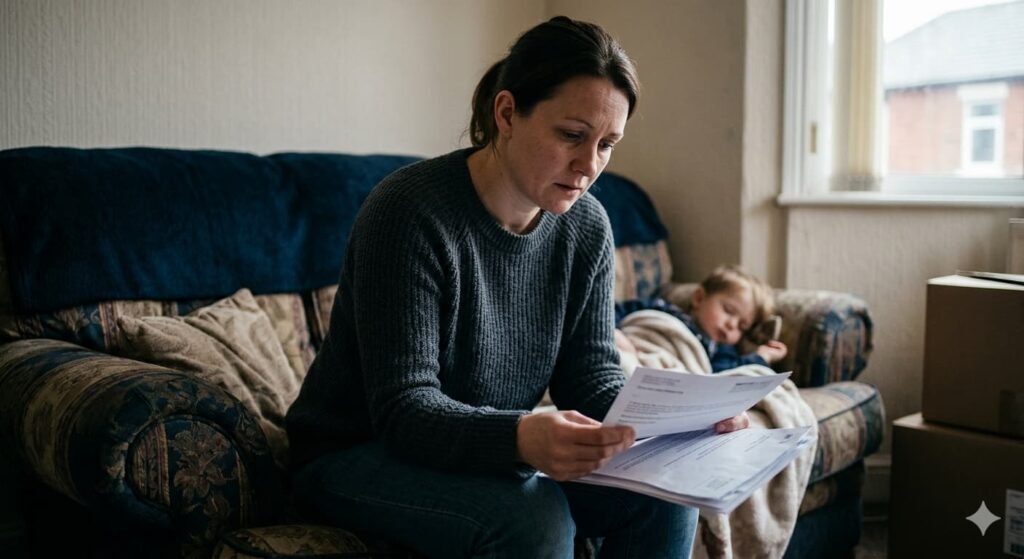
- Keep any texts, letters, or notices that prove your situation.
If the situation is unsafe outside office hours, Leeds also has an emergency out-of-hours homelessness contact, and Housing Options can arrange temporary support through its emergency service pathway.
Which council service handles it
The service you need is Leeds Housing Options, which handles homelessness assessments, personal housing plans, and decisions about emergency or temporary accommodation. The council’s homelessness strategy says it works with partners to provide emergency accommodation, rough sleeping support, and safe spaces for people who need urgent help.
For people in Pudsey, the same Leeds City Council housing service applies even though some residents may still refer informally to “pudsey council”. The legal decision and emergency housing process are handled by Leeds City Council, not by individual town or ward offices.
What happens next
After you make contact, the council should arrange a homelessness assessment and agree a housing plan. Leeds Housing Options says the assessment usually takes about an hour, and the council will then tell you in writing whether you are eligible for housing support.
In law, councils must assess an applicant’s housing circumstances and take reasonable steps through a personalised housing plan. If the council has reason to believe you may be homeless, eligible, and in priority need, it may have to secure interim accommodation while it investigates further.
Information you should bring
Bring as much information as you can, even if you are contacting the council late at night. The assessment is quicker when you can show who you are, where you were living, and why you cannot stay there now.
Useful documents include:
- Photo ID, if you have it.
- National Insurance number.
- Tenancy agreement, eviction notice, or letter from your landlord.
- Proof of address, such as a bill or benefit letter.
- Details of income, benefits, and savings.
- Medical letters or evidence of disability or pregnancy.
- Any police incident number or evidence of domestic abuse or threats.
If you do not have every document, do not delay. Leeds Housing Options still needs to see you if you are homeless tonight, and missing paperwork should not stop you from making the first report.
Who is most likely to get emergency accommodation
Emergency accommodation is usually linked to “priority need” under homelessness law. Examples include households with dependent children, pregnant people, and some people who are vulnerable because of health problems or because they have had to leave accommodation due to violence or threats of violence.
That means local residents from areas such as Horsforth or Morley should make sure they tell the council about any factor that makes their situation urgent or unsafe. Women fleeing domestic abuse may also be able to access specialist refuge or emergency accommodation through local support providers working alongside council referrals.
Expected response time
Leeds Housing Options says it can take up to four weeks for you to be contacted for a full assessment after your initial request, although the assessment itself is around one hour once arranged. That timeframe does not mean you should wait if you need a bed tonight, because emergency contact and interim help may be available sooner where the law requires it.
The council must also issue a written decision on eligibility, and Leeds guidance says that decision can be made within 33 days in some cases. If you are at immediate risk tonight, say that clearly and ask whether you qualify for temporary accommodation while your case is being assessed.
If follow-up is needed
If Leeds Housing Options asks you to return, provide more evidence, or attend another appointment, do it as quickly as possible. Councils are required to work with applicants through a personalised housing plan, and your cooperation can help move the case forward.
If you think the decision is wrong, ask for a review. Leeds Housing Options says you can request an independent review of its decision, and Shelter also confirms that homelessness decisions can be reviewed. Keep copies of every email, note the name of the person you spoke to, and ask for anything important in writing.
Your rights under UK rules
Under the Homelessness Reduction Act framework, councils must help people who are homeless or threatened with homelessness, not just people already on the street. They must assess your situation, agree reasonable steps in a personalised housing plan, and consider whether interim accommodation is needed if you may be eligible and in priority need.
You also have a right to ask for a review if the council decides you are not homeless, not eligible, or not owed the duty you expected. If you are fleeing violence or domestic abuse, confidentiality and safety should be treated as a priority, and specialist support may be available through women’s refuges or local emergency accommodation services.
Practical tips for tonight and tomorrow
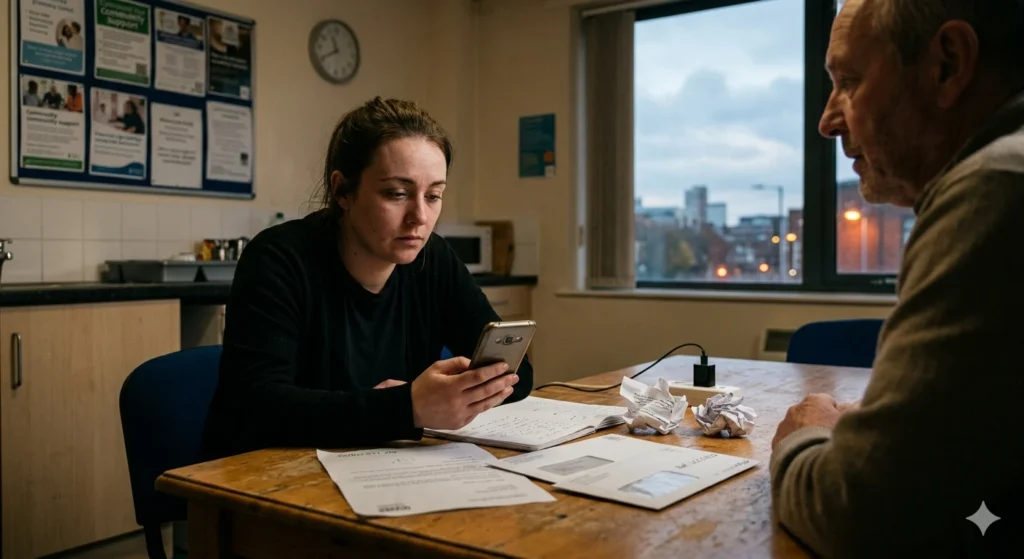
If you are waiting for a decision, keep yourself available and reachable. The council or a support service may need to contact you quickly, and missed calls or messages can slow things down.
Helpful steps include:
- Stay near your phone and keep it charged.
- Keep copies of all messages, letters, and reference numbers.
- Tell a trusted friend, family member, or support worker what is happening.
- If you are in danger, do not go back to an unsafe address.
- If you have children, make sure the council knows immediately.
If you are not offered emergency accommodation straight away, keep chasing the case politely but firmly. Leeds’s homelessness system relies on assessment, evidence, and follow-up, so progress often depends on keeping the file up to date.
Preventing the problem later
Once the immediate crisis is over, local residents should try to address the cause early. Leeds Council and national guidance both stress prevention and relief rather than waiting until someone is already homeless.
To reduce the risk in future:
- Contact the council as soon as you get an eviction notice.
- Seek help early if rent becomes unaffordable.
- Keep copies of your tenancy papers and benefit letters.
- Tell the council about medical needs, disability, or safeguarding concerns.
- Ask for advice before leaving a property if you have nowhere else to go.
For residents in Leeds, including those in Headingley, Garforth, Horsforth, Pudsey, Yeadon and Morley, the key is to act early, explain the situation clearly, and keep following up until you get a written outcome. The Leeds Times recommends using the council’s homelessness route first, then specialist housing charities if you need extra support.
What’s the fastest way to get emergency housing?
Contact Leeds City Council Housing Options immediately. If you’re homeless tonight, call their emergency helpline or visit a One Stop Centre. They can arrange same-day temporary accommodation if you qualify.