
Key Points
- Jonathan Pryor lost his Hyde Park and Headingley seat in the recent Leeds local elections.
- The Green Party secured the seat, unseating the Labour and Co-operative Party candidate.
- Pryor had served on Leeds City Council for 12 years and was deputy leader since 2021.
- He described elections as “brutal” due to the immediate loss of role following defeat.
- Pryor stated his “legacy will continue” despite leaving office.
- The result reflects wider political shifts seen during the latest local elections.
Leeds (The Leeds Times) May 11, 2026 –
- Key Points
- What happened in the Leeds Hyde Park and Headingley election result?
- What did Jonathan Pryor say after losing his seat?
- How long had Jonathan Pryor served on Leeds City Council?
- Why is this result significant for Leeds City Council?
- Explore More Local Leeds News
- What wider trends were seen in the local elections?
- How do election losses impact local politicians?
- Background: Leeds City Council and Hyde Park and Headingley ward
- Prediction: How could this affect Leeds residents and local politics?
What happened in the Leeds Hyde Park and Headingley election result?
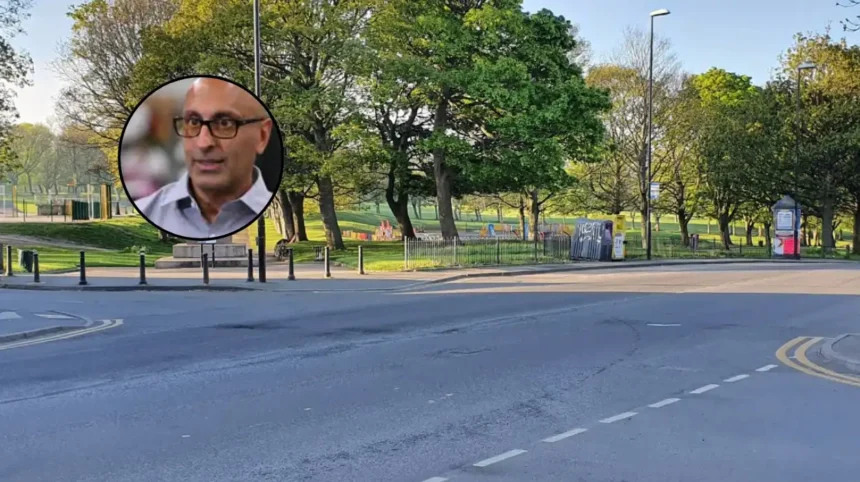
As reported by Richard Beecham of the Yorkshire Evening Post, Jonathan Pryor lost his Hyde Park and Headingley seat in last week’s local elections, with the Green Party taking control of the ward.
The result brought an abrupt end to his tenure as both a councillor and deputy leader of Leeds City Council.
The defeat marked a significant political shift in one of Leeds’ prominent wards, which had previously been represented by Labour.
Pryor had been a central figure within the council’s leadership structure, particularly since becoming deputy leader in 2021.
Local election outcomes across the UK have indicated changing voter preferences, and this result aligns with a broader trend of increased support for smaller parties such as the Greens in urban constituencies.
What did Jonathan Pryor say after losing his seat?
According to reporting by the Yorkshire Evening Post, Pryor addressed the outcome publicly on Sunday, May 10. He acknowledged the result and reflected on the sudden nature of electoral defeat.
As reported by Richard Beecham of the Yorkshire Evening Post, Jonathan Pryor stated:
“People may have seen that I lost the election in Headingley & Hyde Park last week. This was a role I truly loved, and elections are brutal in that once you lose, you lose your job overnight.”
His statement highlights the immediate professional consequences faced by elected officials following electoral defeat, particularly in local government roles where positions are directly tied to election outcomes.
How long had Jonathan Pryor served on Leeds City Council?
Jonathan Pryor had been a member of Leeds City Council for 12 years prior to his defeat. During that time, he held several responsibilities, eventually rising to the position of deputy leader in 2021.
His tenure spanned over a decade of local governance, during which he contributed to council decision-making and policy implementation. As deputy leader, Pryor played a role in shaping strategic priorities for the city.
Reflecting on his time in office, Pryor indicated that he viewed his contributions as having a lasting impact.
As reported by Richard Beecham of the Yorkshire Evening Post, he said he would leave knowing that his
“legacy will continue to make a difference long after my time in office”.
Why is this result significant for Leeds City Council?
The loss of a senior figure such as the deputy leader represents a notable development within Leeds City Council. Leadership changes can influence policy direction, internal dynamics, and administrative priorities.
The Green Party’s gain in Hyde Park and Headingley also signals evolving political support in the area. While Labour has historically maintained a strong presence in Leeds, results such as this suggest increased competition.
The outcome may also reflect local issues, campaign strategies, or broader national political sentiment influencing voter behaviour during the elections.
Explore More Local Leeds News
More Than 30 Homes Planned on Mistress Lane, Armley 2026
GSAL Sixth Form Centre Upgrade: Leeds 2026
What wider trends were seen in the local elections?
The Leeds result forms part of a wider pattern observed in the most recent local elections, where multiple councils across England saw shifts in political control or representation.
As referenced by the Yorkshire Evening Post, reactions from across the political spectrum followed what was described as a “historic election day”.
While detailed outcomes vary by region, gains by parties such as the Greens point to changing dynamics in local governance.
These shifts are often influenced by factors including local policy concerns, national political context, and voter engagement levels.
How do election losses impact local politicians?
Pryor’s comments underscore the immediate and personal impact of electoral defeat. Unlike some other professions, elected officials do not have transitional periods following election results.
The phrase “you lose your job overnight” reflects the structural nature of democratic systems, where positions are contingent on electoral success. This can result in sudden changes not only for individuals but also for council leadership teams.
Such transitions are a routine but significant aspect of democratic governance, ensuring accountability while also introducing uncertainty for those holding office.
Background: Leeds City Council and Hyde Park and Headingley ward
Leeds City Council is one of the largest local authorities in the UK, responsible for a wide range of services including housing, education, transport, and social care. Political control of the council has historically been led by the Labour Party.
The Hyde Park and Headingley ward is a diverse area of Leeds, known for its student population, residential communities, and active political engagement. The ward has often been politically competitive, with multiple parties campaigning actively during elections.
Jonathan Pryor represented the Labour and Co-operative Party in the ward for over a decade, contributing to local governance and city-wide leadership during his tenure.
The Green Party’s success in this ward reflects a growing presence in urban constituencies, particularly in areas with younger and environmentally focused voters.
Prediction: How could this affect Leeds residents and local politics?
The change in representation in Hyde Park and Headingley may influence how local issues are prioritised and addressed within the ward. A Green Party councillor could bring different policy focuses, particularly around environmental issues, housing, and community development.
For Leeds City Council, the departure of a deputy leader may lead to adjustments within the leadership structure and decision-making processes. This could affect the pace and direction of ongoing initiatives.
Residents may experience shifts in local advocacy depending on the priorities of the new representative, while the broader political balance within the council could shape future policies affecting services and development across Leeds.
Over time, results like this may contribute to a more competitive political landscape in the city, influencing how parties engage with voters and address local concerns.