
Key Points
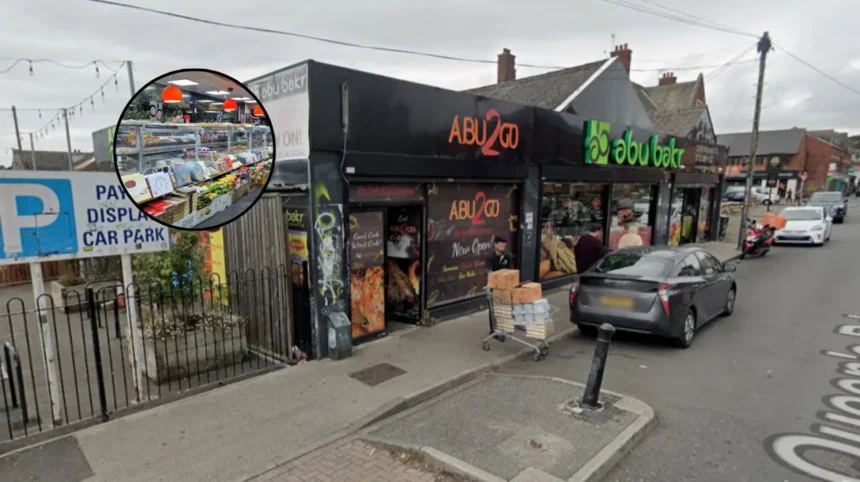
- Major Investment: Independent retailer Abu Bakr Supermarket has announced a £1.5 million investment to expand and modernise its historic Hyde Park store in Leeds.
- Capacity Doubled: The retail space will double in size from 4,000 square feet to 8,000 square feet following an extensive feasibility study and customer consultation process.
- Strategic Growth: The project marks the first phase of an ambitious, wider growth programme aimed at adding six new locations to the company’s portfolio over the coming years.
- Heritage Focus: The board prioritised upgrading its original flagship store over opening an entirely new location first, aiming to capitalise on established brand recognition and operational expertise.
- Enhanced Experience: Upgrades will include expanded fresh food departments, upgraded customer facilities, improved accessibility, and a contemporary shopping environment.
- Timeline: Redevelopment work has officially commenced on the site, with the store positioned to drive the brand’s retail operations into 2026 and beyond.
Hyde Park (The Leeds Times) June 8, 2026 – One of Leeds’ largest independent retailers has officially unveiled plans for a major £1.5 million investment to expand its historic Hyde Park supermarket. The landmark project will see the retail space double from 4,000 square feet to 8,000 square feet, transforming the location into a modern retail destination. This development marks the initial phase of a broader, ambitious six-site expansion programme aimed at scaling the company’s regional presence over the coming years.
- Key Points
- Why Is Abu Bakr Supermarket Doubling Its Hyde Park Footprint?
- How Will the £1.5m Investment Transform the Shopping Experience?
- What Does This Expansion Mean for Abu Bakr’s Wider Growth Strategy?
- What Is the Management’s Stance on the Heritage of the Site?
- Background of the Hyde Park Independent Retail Sector
- Prediction: How This Development Will Affect Local Residents and Consumers
Why Is Abu Bakr Supermarket Doubling Its Hyde Park Footprint?
According to corporate reports detailing the retailer’s long-term growth strategy, the decision to expand follows the completion of a comprehensive feasibility study and a detailed consultation process with regular customers.
The board of directors examined a variety of potential commercial opportunities across Leeds to determine the most viable path for sustainable growth.
While the management team evaluated multiple alternate locations, data from the feasibility study ultimately led the board to give the green light to a significant expansion and modernisation of the existing Hyde Park footprint.
Financial analysts reviewing the move note that the company determined it was commercially safer to strengthen foundations that had already proven successful, rather than tearing up the existing blueprint to start entirely from scratch.
How Will the £1.5m Investment Transform the Shopping Experience?
The £1.5 million redevelopment is designed to address changing consumer habits by introducing a contemporary shopping environment engineered to meet customer demands well into the future.
The physical transformation will see the integration of expanded fresh food departments, which have historically been a primary footfall driver for the independent retailer.
Furthermore, architectural layouts for the site indicate plans for upgraded customer facilities and significantly improved accessibility measures to accommodate a broader demographic of local shoppers.
By upgrading the infrastructure, the company intends to establish a high-spec flagship supermarket that blends modern retail efficiency with its established neighborhood identity.
What Does This Expansion Mean for Abu Bakr’s Wider Growth Strategy?
While the immediate focus remains on the Hyde Park site, senior management has confirmed that an additional new location in the region has not been entirely ruled out.
However, focusing capital expenditure on the established flagship site allows the business to leverage its current customer base, high brand recognition, and existing operational expertise while mitigating the risks associated with entirely new territories.
The Hyde Park project represents the first confirmed physical development within Abu Bakr’s wider corporate expansion network.
Over the coming years, this overarching programme is scheduled to add six additional sites to the company’s retail portfolio, drastically increasing its market share across West Yorkshire.
What Is the Management’s Stance on the Heritage of the Site?
As reported by business correspondents tracking independent retail trends in West Yorkshire, the Hyde Park store carries a distinct emotional and financial significance for the firm.
Having opened as the company’s very first supermarket, the location has central historical importance to the brand’s evolution and remains its most widely recognised asset.
Commenting on the strategic direction of the company, Hamza Hussain, Managing Director of Abu Bakr Supermarket, stated:
“When we commissioned the feasibility study, every option was considered, including relocating to an entirely new site. However, the findings, combined with the feedback we received, it made the decision clear.”
Hussain further emphasised the cultural weight of the location, stating:
“Hyde Park is where Abu Bakr’s story began. It was our first supermarket and remains an important part of our identity as a business. While expanding the existing site requires a substantial £1.5 million investment, the board felt strongly that preserving and enhancing our original store was the right decision.”
Concluding his statement regarding the community impact, Hussain noted:
“This project will allow us to honour our heritage while creating a flagship supermarket fit for 2026 and beyond. We are investing not only in bricks and mortar but also in the future of the community that has supported us from the very beginning.”
With construction and redevelopment work now actively underway on-site, the expanded Hyde Park facility is projected to become the most prominent store in Abu Bakr’s Leeds portfolio and will serve as the operational model for the next five planned locations.
Background of the Hyde Park Independent Retail Sector
The inner-city area of Hyde Park, Leeds, has long been defined by its diverse, densely populated demographic, heavily influenced by a large student population from the University of Leeds and Leeds Beckett University, alongside well-established multicultural communities.
Over the past two decades, the local grocery sector has seen intense competition between corporate supermarket chains and independent ethnic retailers who cater to specialist dietary requirements, including Halal products and international imports.
Abu Bakr Supermarket established its roots in this specific ecosystem, building a business model around community-focused retail that large-scale national chains frequently struggle to replicate. Before the announcement of this £1.5 million investment, independent retailers in the area faced mounting pressures from rising operational costs, supply chain fluctuations, and the aggressive expansion of discount supermarket chains.
The decision to double an existing footprint rather than acquiring new real estate reflects a growing trend among independent firms to consolidate capital in areas where they possess defensive market positions and deep community ties.
Explore More Local Leeds News
Pardon Me Record Bar Opens Farsley Leeds 2026
Leeds Residents Warned of Smoke Alarm Scam £500 Fine Leeds 2026
Prediction: How This Development Will Affect Local Residents and Consumers
The expansion of the Hyde Park supermarket is highly likely to alter the local consumer landscape in several distinct ways:
- Increased Product Availability for Diverse Communities: Local residents and student populations will gain access to a vastly wider range of products. Doubling the store’s capacity to 8,000 square feet means the location can stock larger quantities of specialized international goods, reducing the need for shoppers to travel outside the area for cultural grocery staples.
- Enhanced Price Stability Through Scale: By expanding its retail footprint and preparing for a six-site network, Abu Bakr increases its bulk-purchasing power. For the consumer, this operational efficiency often translates into more competitive pricing, offering a direct financial buffer to local households amid ongoing grocery price inflation.
- Improved Infrastructure and Reduced Congestion: The introduction of modernised customer facilities and accessibility upgrades will directly benefit elderly and disabled shoppers who frequently find older, independent retail layouts difficult to navigate. Additionally, a larger floor plan is expected to ease in-store congestion during peak shopping hours, creating a more efficient environment for time-sensitive shoppers.