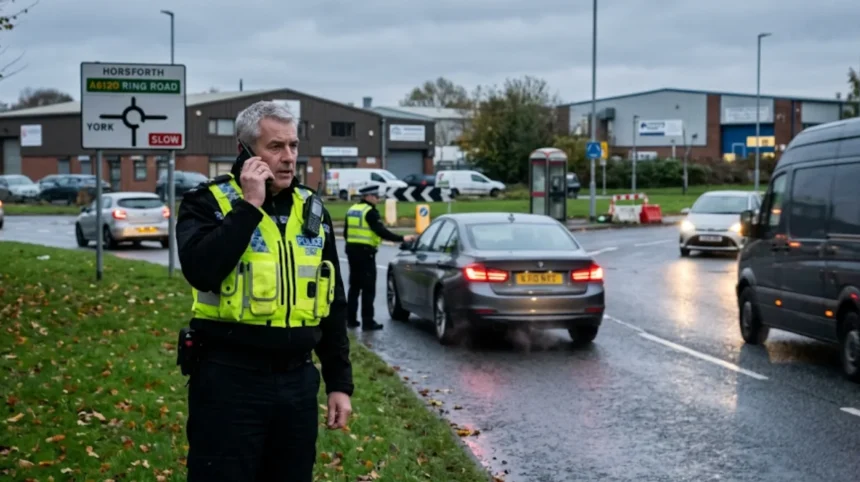
If you need to report dangerous driving near Horsforth ring road, the correct route depends on urgency. Call 999 for immediate danger or a crime in progress, call 101 for non-emergency police reporting, and use West Yorkshire Police’s dash-cam submission portal for footage of dangerous driving.
- What counts as dangerous driving near Horsforth ring road?
- When should you call 999?
- How do you report it on 101?
- Can you submit dash-cam footage?
- What details should you record?
- Is it a police issue or a council issue?
- What happens after you report it?
- Why does Horsforth ring road matter?
- What should you do if the driver has already gone?
- What is the best way to write the report?
- Why timely reporting improves safety
- What should Leeds residents remember?
What counts as dangerous driving near Horsforth ring road?
Dangerous driving near Horsforth ring road includes driving that creates an immediate risk to people, vehicles, or property, such as speeding, aggressive overtaking, red-light running, tailgating, racing, or careless manoeuvres at junctions. West Yorkshire Police accepts reports of dangerous driving through its non-emergency channels and dash-cam evidence portal.
Dangerous driving is a road safety issue, not a council highways defect. Leeds City Council directs driving-behaviour complaints to West Yorkshire Police, while council reporting is reserved for road defects, traffic management problems, and road safety concerns about the highway itself. Near Horsforth ring road, that distinction matters because the A6120 is a busy strategic route, and the safest response depends on whether the problem is a driver, a vehicle, or the road environment.
The key question is whether the incident is happening now or happened earlier. If a driver is actively endangering road users, emergency police action takes priority. If the incident has ended, the report still has value, especially when you can provide vehicle details, time, location, and dash-cam footage.
When should you call 999?
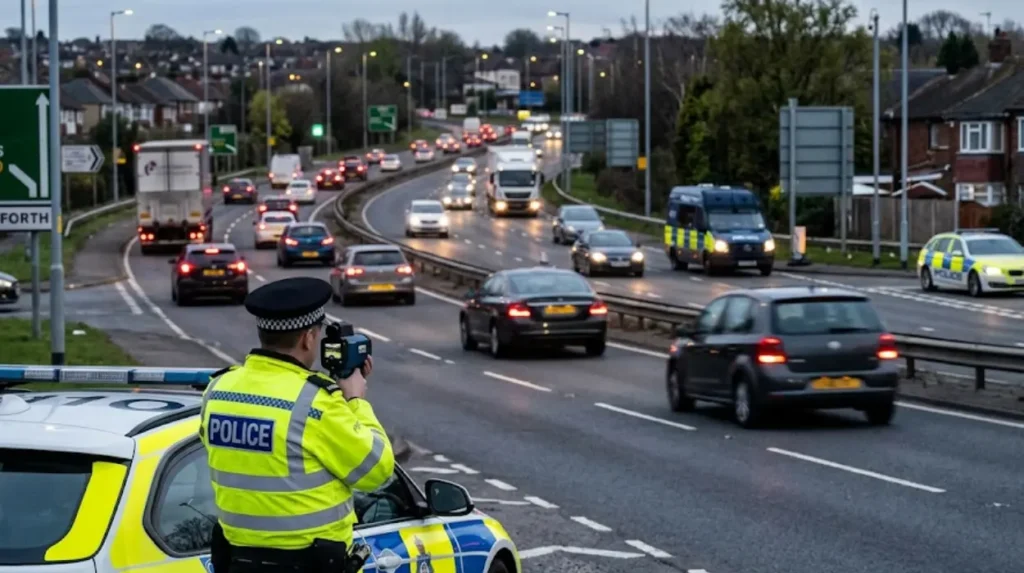
Call 999 immediately if the dangerous driver is present, the risk is happening now, someone is in danger, or a crime is in progress. West Yorkshire Police states that emergencies and immediate danger require 999, not 101 or an online form.
This applies to situations such as a vehicle driving at extreme speed through traffic, forcing other road users to swerve, driving the wrong way, or causing a collision and then continuing to drive away. The same rule applies if a driver is threatening others on the road or if their behaviour creates a real and immediate risk to life.
Emergency reporting is not the right channel for a historical complaint after the vehicle has gone. In that case, 101 or an online submission is the correct route. West Yorkshire Police prioritises calls that need an emergency response, because it receives more than 3 million contacts per year, so the emergency line stays reserved for immediate threats.
How do you report it on 101?
For a non-emergency dangerous-driving incident near Horsforth ring road, call 101 or use West Yorkshire Police’s online contact options and state clearly that you are reporting dangerous or anti-social driving. Leeds City Council also directs non-emergency driver-behaviour concerns to West Yorkshire Police.
When you call, give the exact location, direction of travel, vehicle registration, vehicle make and colour, and the time of the incident. If the incident happened near a specific point on the A6120 Outer Ring Road, name the nearest junction, roundabout, or landmark so police can place it accurately on the route.
The report should be factual and short. Say what happened, what the vehicle did, and why it was dangerous. Avoid speculation about the driver’s motives. Police use the report to assess risk and decide whether further action is possible.
Can you submit dash-cam footage?
Yes. West Yorkshire Police accepts dash-cam footage of dangerous driving through its submissions portal, and the footage is reviewed to decide whether an offence has been committed and whether action is possible.
Dash-cam evidence is strongest when the number plate is visible, the footage is moving video, and the report is made quickly. West Yorkshire road-safety guidance says incidents should be reported as soon as possible and no later than 10 days after the event for submissions that rely on legal time limits. That makes prompt uploading important if you want the report to stay usable.
Footage helps because dangerous driving is often brief. A short clip can capture lane weaving, unsafe overtaking, mobile-phone use, or a close pass that a witness could describe but not prove in detail. West Yorkshire Police’s road-safety reporting guidance and local council material both point drivers and witnesses toward police submission routes rather than council highways reporting for this type of behaviour.
What details should you record?
Record the time, exact location, direction of travel, registration number, vehicle type, colour, and what the driver did. These details improve the chance that police can identify the vehicle and assess the risk from the report.
A strong report includes the road name and a precise place reference. For Horsforth ring road, that means noting the A6120, nearby junctions, slip roads, roundabouts, or connecting routes. West Yorkshire’s own road-safety materials treat the outer ring road as a specific route with safety measures and speed restrictions, so location detail matters for enforcement and pattern analysis.
If there were passengers, pedestrians, cyclists, or other vehicles affected, note that too. A report becomes more useful when it explains the danger created, not just the behaviour observed. For example, a driver tailgating a queue of traffic is less actionable than a driver tailgating, swerving into another lane, and forcing a cyclist into the kerb.
Is it a police issue or a council issue?
Dangerous driving is a police issue. Road defects, traffic management problems, missing signs, and pavement or road damage are council issues, and Leeds City Council provides separate reporting routes for those problems.
This distinction prevents delay. If the issue is a driver’s conduct, report it to West Yorkshire Police. If the issue is a damaged road surface, broken marking, missing cover, or another highway defect, report it to Leeds City Council’s road and pavement service.
For example, a speeding driver on the A6120 is a police matter. A pothole, damaged sign, or dangerous defect near the same road is a highways matter. Leeds City Council also states that emergencies involving immediate danger from a road defect use its highways emergency number, 0113 222 4407.
What happens after you report it?
After a report, police assess the risk, the evidence, and whether further action is possible. Dash-cam submissions are reviewed for possible offences, while emergency and non-emergency reports are routed by risk level through West Yorkshire Police’s contact systems.
The outcome depends on evidence quality. Clear footage, a readable number plate, and a precise location give the police the best chance of identifying the driver. If the incident involved a traffic offence that can be proved, enforcement action becomes more realistic.
Not every report leads to an immediate intervention, but reports still matter because they help police identify repeat problems on the same route. That is especially relevant on busy corridors such as the Horsforth section of the outer ring road, where Leeds has already introduced safety changes, speed restrictions, and enforcement measures in response to road-safety concerns.
Why does Horsforth ring road matter?
Horsforth ring road matters because it sits on the A6120 Outer Ring Road, a major Leeds route that has already been linked with road-safety improvements, speed restrictions, and average-speed enforcement.
That makes reports from residents and road users particularly important. The route has been the subject of safety upgrades, including a 50mph limit in parts of the Horsforth-to-Pudsey section and average-speed camera enforcement, showing that the corridor is treated as a road-safety priority. A dangerous driver on that route can create risk not just for one vehicle but for a long chain of road users.
Local reporting also helps build a more accurate picture of repeat behaviour. If several people report similar incidents on the same stretch, police and council partners can identify hotspots, timing patterns, and the types of behaviour most often causing harm.
What should you do if the driver has already gone?
If the vehicle has already left, report it through 101 or the online submission route and provide every detail you captured, including dash-cam footage if available. West Yorkshire Police and Leeds City Council both direct non-emergency driver-behaviour concerns into formal reporting channels.
Once the incident has ended, the goal changes from immediate intervention to evidence capture. Write down the time before it fades, then add the route, direction, vehicle registration, and any witness names. If you have footage, upload it promptly because submission windows and legal limits apply to some cases.
If you only remember part of the plate, still report it. Partial data can help when paired with route, time, and vehicle description. Police can combine reports with other intelligence, and a precise local reference such as “near Horsforth roundabout on the A6120” is stronger than a general statement that the incident happened somewhere in Leeds.
What is the best way to write the report?
The best report is short, factual, and specific. State what happened, where it happened, when it happened, what the vehicle was, and why the driving was dangerous.
A useful format is: “At [time], on the A6120 near [junction], a [make, model, colour] vehicle with registration [plate] was [behaviour]. It forced other traffic to brake and created a risk of collision.” That wording is direct and gives police the core information they need.
Keep emotion out of the report and focus on observable facts. Do not add guesses about alcohol, drugs, or intent unless you have direct evidence. If you believe the driver was impaired, use the dedicated police reporting route for drink or drug driving that West Yorkshire Police provides for road safety concerns.
Explore More Help & Resources
How to challenge an unfair parking fine in Headingley
How to report damp and mould in your Guiseley home
Why timely reporting improves safety
Timely reporting improves safety because police can act on active incidents, preserve evidence, and identify repeat danger patterns faster. West Yorkshire Police recommends emergency reporting for live danger and accepts road-safety submissions through its formal channels.
On a busy road like the Horsforth section of the outer ring road, delay reduces evidence quality. A clear report made immediately is easier to verify than a memory-based account filed days later. That is why live incidents belong on 999, while completed incidents belong on 101 or an online submission.
Timely reporting also supports broader safety work. Leeds has already introduced road changes and enforcement measures on the A6120 corridor, including average-speed cameras and reduced speeds in parts of the route, showing that road safety on this stretch is an active public issue rather than a one-off complaint.
What should Leeds residents remember?
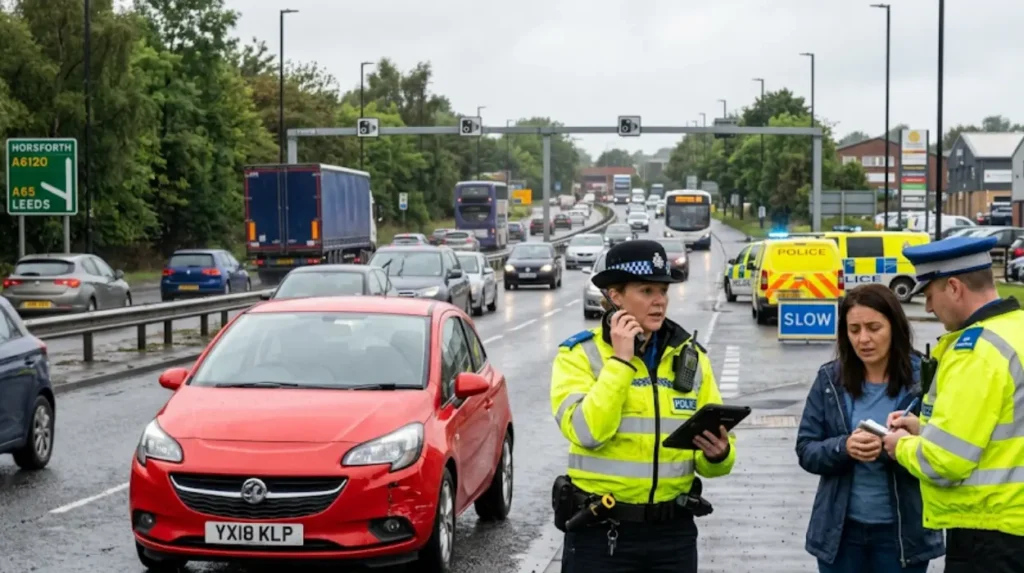
Leeds residents should remember three routes: 999 for immediate danger, 101 for non-emergency police reports, and West Yorkshire Police’s dash-cam portal for footage. Leeds City Council handles road defects and traffic-management issues, not dangerous driving itself.
For Horsforth ring road, that means reporting the driver to police and reporting the road condition to the council only when the problem is the infrastructure. The route matters because the A6120 is part of a major safety-managed corridor, and accurate reporting helps keep it safer for drivers, cyclists, and pedestrians.
A complete report is the most effective report. Use the correct channel, include exact details, and submit evidence quickly. That gives police the clearest possible basis for review and action.
Who do I contact to report dangerous driving near Horsforth ring road?
Contact 999 if the danger is happening now and people are at immediate risk. For incidents that have already happened, contact 101 or use the West Yorkshire Police online reporting or dash-cam submission portal.