A gambling problem is a recognized medical condition defined by persistent, repetitive gambling behavior that impairs personal, family, and occupational functioning. Healthcare professionals in the United Kingdom diagnose gambling disorder using criteria established in the DSM-5 and ICD-11 diagnostic frameworks.
- Where Can Residents Near Pudsey Access NHS Treatment for Gambling Addiction?
- How Does a Person Self-Refer to Gambling Support Services Near Pudsey?
- What Support Services Are Available for Families and Carers in Leeds and Pudsey?
- How Do Self-Exclusion Schemes and Digital Blocking Tools Work in West Yorkshire?
- Online Self-Exclusion via GAMSTOP
- Land-Based Self-Exclusion Schemes Near Pudsey
- Electronic Blocking Software and Financial Restrictions
- What Financial and Debt Recovery Services Exist for Problem Gambling in Leeds?
- How Effective Are Medical and Psychological Interventions for Gambling Recovery?
Gambling disorder represents a behavioral addiction characterized by loss of control over gambling activities, preoccupation with betting, and continued engagement despite negative consequences. The World Health Organization (WHO) classifies gambling disorder under code 6C50 in the International Classification of Diseases 11th Revision (ICD-11). The American Psychiatric Association defines gambling disorder in the Diagnostic and Statistical Manual of Mental Disorders, Fifth Edition (DSM-5) as a persistent and recurrent problematic gambling behavior leading to clinically significant impairment or distress.
Diagnosis in the United Kingdom relies on evaluated criteria assessed by qualified clinicians, general practitioners (GPs), and addiction specialists. A professional diagnosis requires an individual to meet at least 4 of 9 diagnostic criteria within a 12-month period.
The 9 diagnostic criteria comprise:
- Need to gamble with increasing amounts of money to achieve desired excitement.
- Restlessness or irritability when attempting to cut down or stop gambling.
- Repeated unsuccessful efforts to control, cut back, or stop gambling.
- Frequent preoccupation with gambling thoughts, past experiences, or future bets.
- Gambling when feeling distressed, anxious, or depressed.
- Returning to gamble after losing money to chase losses.
- Lying to family members, therapists, or others to conceal the extent of gambling.
- Jeopardizing or losing a significant relationship, job, or educational opportunity due to gambling.
- Relying on others to provide money to relieve desperate financial situations caused by gambling.
Public Health England data indicates that approximately 0.5 percent of the adult population in England experiences severe gambling harm, representing roughly 224,000 individuals. An additional 3.8 percent of the population, totaling approximately 1.7 million adults, experiences moderate or low-risk gambling harm. In the West Yorkshire region, including the City of Leeds and the town of Pudsey (postcode district LS28), local health authorities estimate that thousands of residents experience direct or indirect impacts from problem gambling.
The progression of gambling disorder involves distinct psychological mechanisms. Neurological research demonstrates that gambling triggers dopamine release within the brain reward pathway, specifically the nucleus accumbens, in a manner similar to chemical substances. Over time, neuroadaptation decreases baseline dopamine sensitivity, driving individuals to increase bet sizing and frequency to achieve neurological reward. Intermittent reinforcement schedules—where rewards occur unpredictably—further reinforce compulsions and impair cognitive control executive functions located in the prefrontal cortex.
Explore More Help & Resources
How to get help with a gambling problem in Headingley
How to find a free hearing test on the NHS near Guiseley
Where Can Residents Near Pudsey Access NHS Treatment for Gambling Addiction?
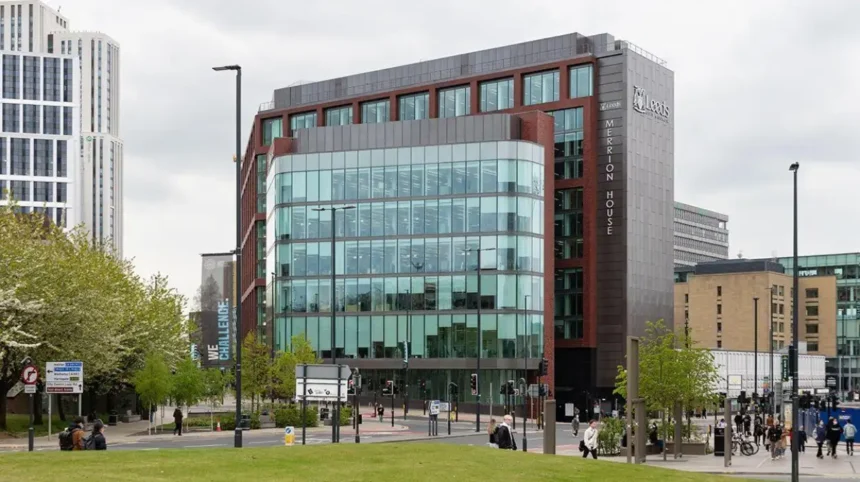
Residents near Pudsey access specialized National Health Service treatment at the NHS Northern Gambling Service, located at Merrion House on Merrion Way in central Leeds. This clinic provides free psychological therapies, medical assessments, and dedicated addiction support across West Yorkshire.
The NHS Northern Gambling Service represents the primary specialized clinical facility serving Pudsey, Leeds, and the broader North of England. Launched in September 2019 by the Leeds and York Partnership NHS Foundation Trust (LYPFT), this clinic was the first specialized NHS gambling clinic established outside of London. The clinic operates out of Merrion House, Merrion Way, Leeds, LS2 8PD, located 6 miles east of Pudsey town centre.
NHS Northern Gambling Service Clinical Architecture
The NHS Northern Gambling Service delivers specialist treatment through a multi-disciplinary team comprising clinical psychologists, consultant psychiatrists, mental health nurses, and experts by experience with lived recovery background. The clinic treats individuals with severe gambling addictions, complex mental health co-morbidities, and elevated risk profiles, including individuals experiencing suicidal ideation.
The primary treatment pathways offered by the NHS Northern Gambling Service include 3 clinical interventions:
- Cognitive Behavioral Therapy (CBT) delivered through individual 1-on-1 sessions.
- Group therapy programs focusing on emotional regulation and relapse prevention.
- Psychiatric medication management for co-occurring depression, anxiety, or impulse control disorders.
Contact details for the NHS Northern Gambling Service include:
- Address: Merrion House, Merrion Way, Leeds, LS2 8PD
- Telephone: 0300 300 1490 (Referral Line)
- Email: referral.ngs@nhs.net
- Operating Hours: Monday to Friday, 9:00 AM to 5:00 PM
Local Primary Care Integration
Residents in Pudsey can access initial assessment and referral through local primary medical centers operating within the NHS West Yorkshire Integrated Care Board (ICB). Primary care facilities serving Pudsey residents include 3 medical practices:
- Robin Lane Health Centre (Robin Lane, Pudsey, LS28 7DE).
- Manor Park Surgery (Bell Mount, Pudsey, LS28 6A0).
- Sunfield Medical Centre (Sunfield Place, Pudsey, LS28 7BR).
General practitioners at these practices perform initial screenings using the Problem Gambling Severity Index (PGSI). GPs coordinate direct clinical referrals to the NHS Northern Gambling Service and provide medical support for underlying mental health conditions.
How Does a Person Self-Refer to Gambling Support Services Near Pudsey?
Individuals self-refer to local support by calling the NHS Northern Gambling Service directly at 0300 300 1490 or emailing referral.ngs@nhs.net. Alternatively, individuals contact the National Gambling Helpline on 0808 8020 133 for immediate 24/7 confidential triage and assistance.
The self-referral process eliminates the requirement for a formal physician referral, allowing residents of Pudsey to initiate clinical and community treatment independently. Self-referral routes provide direct, confidential entry into NHS clinical care and charitable support networks.
Step-by-Step Self-Referral Process
The self-referral mechanism follows a 4-stage operational pathway:
- Initial Contact Submission: The individual contacts the NHS Northern Gambling Service via telephone (0300 300 1490) or email (referral.ngs@nhs.net). Email contacts must include full legal name, date of birth, current West Yorkshire residential address, and a primary contact telephone number.
- Triage Assessment: A clinical triage practitioner contacts the applicant within 5 working days to conduct a structured telephone assessment. The practitioner evaluates gambling severity, mental health status, immediate physical safety, and co-occurring substance use.
- Formal Assessment: The applicant attends an in-depth clinical assessment session, conducted either in person at Merrion House in Leeds or virtually via secure NHS video conferencing. The assessment evaluates cognitive triggers, financial impact, and psychological history.
- Treatment Plan Implementation: The clinician assigns the individual to a tailored care pathway, scheduling initial cognitive therapy sessions or group support modules within 2 to 4 weeks.
National Gambling Helpline Integration
The National Gambling Helpline, operated by the charity GamCare, acts as a primary 24-hour self-referral portal across the United Kingdom. Residents in Pudsey access free, confidential assistance through 3 communication channels:
- Telephone Helpline: 0808 8020 133 (Available 24 hours a day, 7 days a week)
- WhatsApp Messaging: 0808 8020 133
- Live Web Chat: Accessible directly through the GamCare official platform (gamcare.org.uk)
GamCare advisors provide immediate crisis stabilization, brief emotional interventions, and direct referral linkages into GamCare Yorkshire and Humber community teams or the NHS Northern Gambling Service.
What Support Services Are Available for Families and Carers in Leeds and Pudsey?
Families and carers in Leeds receive specialist therapy and peer support through the NHS Northern Gambling Service and GamCare Yorkshire and Humber. These confidential services help affected individuals process emotional trauma, establish financial boundaries, and navigate loved ones’ recovery.
Gambling problems generate substantial harm for domestic partners, children, parents, and friends, categorized clinically as “affected others.” Research indicates that every individual experiencing a severe gambling disorder impacts an average of 6 family members and close associates. Support services near Pudsey offer dedicated interventions specifically designed for affected others, regardless of whether the individual who gambles is currently receiving treatment.
NHS Northern Gambling Service Affected Others Program
The NHS Northern Gambling Service operates a dedicated clinical support pathway for family members, partners, and carers residing in West Yorkshire. This program recognizes that family members experience high rates of anxiety, depression, post-traumatic stress, and financial devastation.
The NHS service provides 3 specialized family interventions:
- Systemic Family Therapy: Sessions that address family communication dynamics, trust repair, and conflict resolution.
- Individual Psychological Support: One-on-one therapy focused on processing trauma, managing grief, and reducing chronic stress.
- Carer Psychoeducation Groups: Educational courses detailing the nature of behavioral addiction, neurobiology, and boundary setting.
Carers access these services by self-referring directly to the NHS Northern Gambling Service via 0300 300 1490.
Community Support Organizations
Community organizations offer peer support and practical assistance across the City of Leeds. Organizations serving Pudsey carers include 3 key entities:
- GamCare Yorkshire and Humber: Delivers dedicated affected-other counseling and structured support groups. Contact email: YandH@gamcare.org.uk.
- Gam-Anon West Yorkshire: A peer-run mutual aid organization providing support groups for friends and family members of problem gamblers. Gam-Anon holds weekly physical and virtual meetings in Leeds city center.
- Carers Leeds: A local independent charity providing advice, emotional support, and financial guidance for unpaid carers across Leeds, including Pudsey (6-8 The Headrow, Leeds, LS1 6PT; Contact: 0113 380 4300).
How Do Self-Exclusion Schemes and Digital Blocking Tools Work in West Yorkshire?
Self-exclusion schemes like GAMSTOP block access to all British-licensed online gambling websites, while local multi-operator schemes restrict physical betting shop entry near Pudsey. Digital blocking software prevents gambling applications from loading on computers, smartphones, and tablets.
Self-exclusion represents a legally binding voluntary agreement between an individual and gambling operators. Under the UK Gambling Act 2005 and Gambling Commission regulations, all licensed gambling operators must offer customers self-exclusion facilities. Combining multi-operator self-exclusion with digital blocking tools creates a robust physical and electronic barrier to gambling activities.
Online Self-Exclusion via GAMSTOP
GAMSTOP is the national online self-exclusion scheme managed by the National Online Self-Exclusion Scheme Limited. Under Gambling Commission license conditions introduced in April 2020, all online gambling companies licensed in Great Britain must integrate with GAMSTOP.
Registration characteristics for GAMSTOP include:
- Cost: Free of charge to all UK residents.
- Exclusion Durations: 6 months, 1 year, or 5 years.
- Scope: Covers all commercial online betting, casino, bingo, and poker websites licensed in Great Britain.
- Irrevocability: Once implemented, the self-exclusion cannot be cancelled, modified, or revoked prior to the expiration of the chosen time period.
Individuals register online at gamstop.co.uk by providing personal details, including legal names, current and previous postal addresses, dates of birth, email addresses, and mobile telephone numbers.
Land-Based Self-Exclusion Schemes Near Pudsey
For physical betting locations in Pudsey—such as high-street bookmakers situated on Lowtown, Church Lane, or Lidget Hill—residents utilize land-based multi-operator schemes.
Multi-operator self-exclusion schemes cover 3 distinct sectors:
- Betting Shops: The Multi-Operator Self-Exclusion Scheme (MOSES) allows individuals to self-exclude from all bookmakers within a specific geographic radius (e.g., Pudsey town center or a 5-mile radius). Individuals enroll by calling 0800 294 2060.
- Arcades: The Bacta Self-Exclusion Scheme covers adult gaming centers and amusement arcades across West Yorkshire.
- Casinos: The SENSE (National Casino Forum Self-Exclusion Scheme) allows individuals to self-exclude from every licensed land-based casino in the UK, including commercial casinos in Leeds city center.
Electronic Blocking Software and Financial Restrictions
The TalkBanStop partnership—comprising GamCare, GAMSTOP, and software provider Gamban—provides a multi-layered exclusion protocol.
The technical framework includes 3 blocking components:
- Gamban Device Software: An application that blocks access to tens of thousands of gambling websites and apps globally across iOS, Android, macOS, and Windows operating systems.
- Bank Payment Blocks: Most UK retail banks (including Barclays, Lloyds, HSBC, NatWest, Santander, and Monzo) allow customers to block gambling transactions directly through mobile banking applications. Once activated, bank blocks enforce a 48-to-72-hour cooling-off period before transaction capabilities can be re-enabled.
- Merchant Category Code (MCC) Restrictions: Banks block transactions categorized under MCC 7995 (Gambling Transactions), preventing credit and debit card usage at land-based and online outlets.
What Financial and Debt Recovery Services Exist for Problem Gambling in Leeds?
Citizens Advice Leeds offers targeted debt counselling, budgeting strategies, and legal guidance for individuals affected by gambling harm. Specialist advisors help clients negotiate repayment plans, apply for breathing space protections, and freeze interest on outstanding gambling-related debts.
Gambling disorders frequently result in severe financial distress, including high-interest payday loans, maxed credit cards, arrears on rent or mortgages, and severe debt accumulation. Specialist debt management services operating in Leeds work directly with affected individuals to stabilize personal finances, stop creditor harassment, and protect essential living funds.
Citizens Advice Leeds Gambling Harm Debt Project
Citizens Advice Leeds provides tailored debt advice for residents of Leeds and Pudsey affected by gambling harms. Caseworkers receive specialist training regarding the psychological dynamics of gambling debt, ensuring non-judgmental assistance.
Contact details and operational information:
- Telephone Advice Line: 0808 278 7878
- Central Office: Westminster Buildings, 31 New York Street, Leeds, LS2 7DT
- Services: Debt assessment, income maximization, benefit checks, and legal advocacy.
Citizens Advice caseworkers assist clients in utilizing statutory financial protection mechanisms.
Statutory mechanisms include 3 legal protections:
- Debt Respite Scheme (Breathing Space): A government-backed scheme giving individuals up to 60 days of legal protection from creditor action, freezing interest, fees, and enforcement action while receiving debt advice.
- Mental Health Crisis Breathing Space: Provides debt protection for the full duration of crisis treatment plus 30 days for individuals receiving emergency mental health care.
- Individual Voluntary Arrangements (IVAs) and Debt Relief Orders (DROs): Formal legal insolvency procedures that write off unmanageable debts for qualifying low-income individuals.
Local and National Debt Advice Charities
Residents in Pudsey can also access free, independent debt counseling through national financial charities operating across West Yorkshire:
- StepChange Debt Charity: The UK’s largest specialist debt charity, offering phone and online debt management solutions (Contact: 0800 138 1111; stepchange.org).
- National Debtline: Operated by the Money Advice Trust, providing free telephone advice and self-help debt packs (Contact: 0808 808 4000; nationaldebtline.org).
- Leeds Money Information Centre (MIC): A Leeds City Council initiative connecting residents to free debt, benefit, and financial management resources across Leeds.

How Effective Are Medical and Psychological Interventions for Gambling Recovery?
Cognitive Behavioral Therapy and peer support groups deliver documented success, with the NHS Northern Gambling Service recording an 88 percent post-treatment abstinence rate. Structured clinical interventions reduce gambling urges, modify cognitive distortions, and restore long-term psychological health.
Clinical research confirms that gambling disorder is a treatable condition. Evidence-based psychological interventions alter cognitive pathways, build robust coping mechanisms, and support sustained recovery.
Clinical Efficacy Data
Data published by the NHS Northern Gambling Service demonstrates significant clinical outcomes for patients completing structured treatment programs:
- Abstinence Rates: 88 percent of individuals who complete their designated treatment program achieve full abstinence from gambling.
- PGSI Score Reduction: Average Problem Gambling Severity Index (PGSI) scores decrease from high-risk levels (scores of 8 to 27) down to non-problem levels (scores below 3) following cognitive interventions.
- Mental Health Outcomes: Over 75 percent of patients report clinically significant reductions in depression and anxiety symptoms alongside improvements in social and occupational functioning.
Core Psychological Mechanisms Used in Treatment
Evidence-based clinical recovery relies on structured therapeutic modalities targeting the root causes of behavioral addiction.
Primary clinical modalities include 4 evidence-based frameworks:
- Cognitive Behavioral Therapy (CBT): Focuses on identifying and reframing cognitive distortions specific to gambling. Common distortions include the “Gambler’s Fallacy” (believing past random outcomes influence future probabilities), “Illusion of Control” (overestimating personal skill in chance events), and selective recall of wins over losses.
- Motivational Interviewing (MI): Addresses ambivalence regarding behavioral change, strengthening an individual’s personal commitment to stop gambling.
- Relapse Prevention Therapy (RPT): Teaches practical emotional regulation skills, urge-surfing techniques, stress management, and risk-factor avoidance.
- Peer Support and Mutual Aid Groups: Organizations like Gamblers Anonymous (GA) utilize 12-step recovery principles, providing long-term community accountability and non-judgmental group support. Gamblers Anonymous holds regular weekly meetings across Leeds and West Yorkshire.
Combining clinical psychological therapies with environmental exclusions (such as GAMSTOP and Gamban) and financial oversight yields the highest long-term recovery retention rates.
What is a gambling problem?
A gambling problem is a recognized mental health condition where a person repeatedly gambles despite experiencing harmful consequences. It is diagnosed using the DSM-5 and ICD-11 criteria and may involve loss of control, chasing losses, gambling while distressed, and continuing to gamble despite financial, personal, or relationship problems.