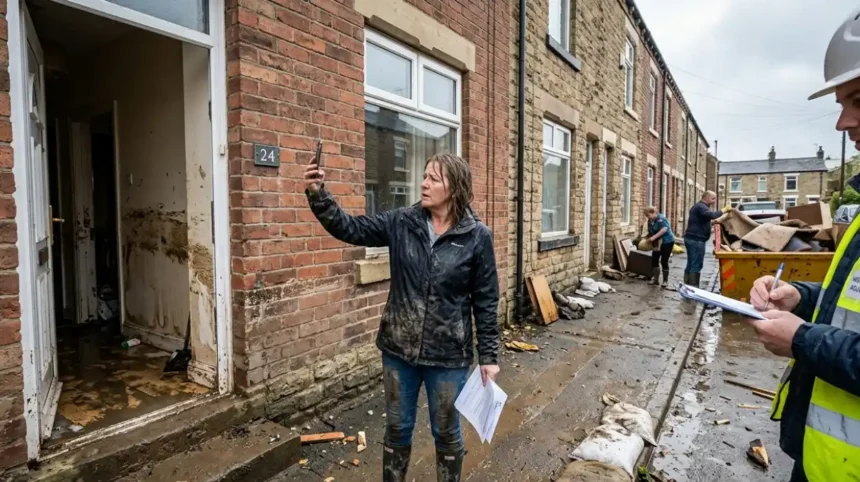
How to claim compensation for a flood-damaged home in Garforth by contacting your home insurance provider immediately, documenting all damage with photos and inventories, and applying for government grants through Leeds City Council if you qualify. Homeowners must submit a claim to their insurer for buildings and contents coverage, while renters contact their landlord for building repairs and file their own contents claim. The process involves a loss adjuster inspection, damage assessment, and potential eligibility for the Property Flood Resilience (PFR) grant up to £5,000 or the Flood Recovery Framework following severe weather events.
- What triggers eligibility for flood compensation in Garforth homes?
- How do you document flood damage for an insurance claim?
- What steps initiate the insurance claims process after flooding?
- How does a loss adjuster assess flood damage?
- What financial support exists beyond insurance claims?
- How long does flood damage restoration take in Garforth?
- What safety measures must you follow before re-entering a flooded home?
- How do you prevent future flood damage after claiming compensation?
What triggers eligibility for flood compensation in Garforth homes?
You qualify for flood compensation when your Garforth property experiences flooding from external sources like the River Aire, surface water, or sewer overflow, and you hold valid home insurance coverage. The Flood Recovery Framework activates after widespread severe weather events affecting multiple properties, while standard insurance claims process for individual incidents regardless of event scale.
Flooding in Garforth occurs primarily from three sources: river flooding (River Aire), surface water flooding from heavy rainfall overwhelming drainage systems, and sewer flooding. The December 2015 Storm Eva floods affected 3,355 properties across Leeds with direct costs estimated at £36.8 million, including significant damage in Garforth. June 2012 flooding also impacted Austhorpe, Garforth, Woodlesford, and surrounding areas.
Insurance coverage determination depends on your policy type. Buildings insurance covers structural damage including walls, floors, and fixed installations. Contents insurance covers movable possessions like furniture, electronics, and personal items. Many homeowners hold combined policies covering both, while renters only need contents insurance since landlords carry building coverage.
The Property Flood Resilience (PFR) grant provides up to £5,000 per property for flood resilience measures but requires work completion before payment disbursement. This grant enhances future flood resistance rather than compensating past damage. Approximately 72% of PFR applicants in England received funding in the most recent available year.
Government compensation through the Flood Recovery Framework activates only following severe weather events with widespread impacts. Local authorities evaluate individual eligibility based on verified flooded property data. The framework was activated after Storms Babet and Henk in 2023-2024, providing funding support to affected households.
How do you document flood damage for an insurance claim?
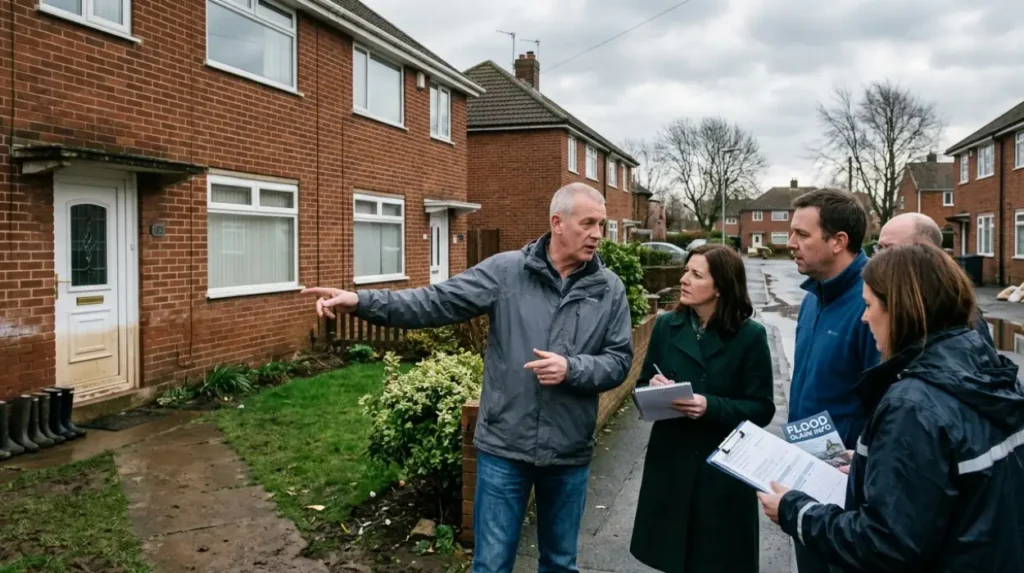
Document flood damage immediately by taking timestamped photos of all structural damage, water lines on walls, and affected possessions before cleanup. Create a detailed inventory listing damaged items with purchase dates and estimated values. Mark the maximum flood water height on walls using a permanent marker. Keep all receipts for emergency repairs, temporary accommodation, and cleanup supplies.
Photographic evidence forms the foundation of successful claims. Photograph every room showing damage to buildings, walls, floors, and fixtures. Include clear images of damaged furniture, carpets, electronics, and personal belongings. Capture the flood water line inside and outside the structure as this establishes water depth and extent.
Electronic time and date stamps on photos provide crucial verification. Smartphone cameras automatically embed metadata showing when photos were taken. This timestamps evidence that flood damage occurred during the reported incident rather than pre-existing conditions.
Create a comprehensive inventory document listing all damaged or lost items. Include item descriptions, make and model numbers for appliances and electronics, serial numbers, purchase dates, and estimated replacement values. For items without records, search bank statements or credit card records to verify purchases.
Document the maximum flood water height by marking walls with a permanent pen or tape. This measurement helps loss adjusters assess damage severity and water penetration depth. Take photos of these markings before cleaning them during restoration.
Keep detailed records of all emergency expenses. Save receipts for temporary accommodation, emergency building repairs, cleanup supplies, food replacement, and transportation costs. Insurance policies typically cover reasonable emergency expenses incurred to prevent further damage or maintain living standards.
Record all communications with your insurance company. Maintain a diary documenting call dates, times, names of representatives spoken to, and key information shared. Request written confirmation of claim submissions and claim numbers by email or letter.
Do not discard damaged items before the loss adjuster inspects them unless they pose health hazards. Keep samples of severely damaged items like carpet pieces or curtain sections. For health-hazardous items, photograph thoroughly before disposal and inform your insurer.
What steps initiate the insurance claims process after flooding?
Contact your insurance company immediately after ensuring personal safety to start your claim. Provide your policy number and summary of damage. Request a claim number and written confirmation. If you have separate buildings and contents insurers, contact both providers. Renters contact landlords for building insurance while filing their own contents claims.
Insurance companies impose time limits for claim submissions. Contact your insurer as soon as possible after the flood, ideally within 24-48 hours. Delayed reporting may complicate claim processing or violate policy terms.
Have your policy documents ready when calling your insurer. Locate your policy number, coverage details, and excess amounts. Understanding your policy terms helps you know what coverage applies to your situation.
Request confirmation of your claim submission in writing. Ask for your unique claim number and record it securely. This number appears on all future correspondence and is essential for tracking claim progress.
Inform your insurer if you are a vulnerable customer, such as being disabled or elderly. Insurers may prioritize claims from vulnerable individuals, accelerating assessment and payment processes.
Ask your insurer how long claim settlement typically takes. Understanding timelines helps manage expectations and plan temporary accommodation or alternative living arrangements if needed.
If you’ve lost access to your home, provide alternative contact details to your insurer. Ensure they can reach you throughout the claims process even while displaced.
For renters, contact your landlord immediately about building damage. The landlord handles buildings insurance claims while you file separate contents claims if you have coverage. Verify whether your landlord provides alternative accommodation during repairs.
Contact Floodline at 0345 988 1188 for 24-hour guidance on flood recovery and claims processes. This government service provides advice on recovering from floods and navigating insurance claims.
How does a loss adjuster assess flood damage?
Your insurer will appoint a loss adjuster to inspect your property, assess damage extent, and estimate repair costs. Arrange a meeting date promptly or confirm when they will contact you to schedule. Be present during the inspection to explain damage details, share documentation, and answer questions. The adjuster will prepare a damage estimate for your review.
Loss adjusters are insurance specialists who independently assess claim validity and calculate settlement amounts. They work for insurance companies but must provide fair, accurate assessments. Many insurers contract separate companies to provide loss adjuster services.
The adjuster will inspect structural damage including walls, floors, foundations, and fixed installations. They examine damage to electrical systems, plumbing, heating systems, and built-in fixtures. The inspection covers both visible damage and hidden damage concealed behind walls or under floors.
During the inspection, present your documentation including photos, inventories, and expense receipts. Explain what happened during the flood and how damage occurred. Point out specific damage areas and discuss repair requirements.
Ask to see the adjuster’s credentials. NFIP-adjusted claims require adjusters to show Flood Control Number (FCN) cards displaying active dates for the current storm year and photo identification. This verifies their authorization to assess flood claims.
Review the adjuster’s damage estimate carefully for accuracy and completeness. Check that all damaged items and repair work appear in the estimate. Discrepancies between your documentation and the estimate require immediate discussion.
You may need to negotiate with the loss adjuster to ensure fair settlement amounts. If you disagree with the assessment, present your documentation and quotes for replacement items. Consider employing a loss assessor to represent your interests professionally, though this incurs additional costs.
Discuss installation of flood-resilient fixtures and fittings during negotiations. You can argue that flood-resilient measures reduce future loss risk, potentially increasing settlement amounts to include these improvements.
Adjusters may not visit immediately after claim submission. During waiting periods, leave damaged items undisturbed until inspection occurs. Ensure adjusters have correct contact details and can access your property.
What financial support exists beyond insurance claims?
Leeds City Council may provide financial support including emergency housing assistance, grants for repairs, and access to the Property Flood Resilience grant up to £5,000. Contact the council’s environmental health department for contaminated item disposal and housing support if you’re legally homeless. The Flood Recovery Framework activates after major flooding events, providing household grants evaluated by local authorities.
Council support varies by circumstances and available funding. Contact Leeds City Council directly to inquire about current support programs. Support availability depends on your housing status, income level, and the severity of flooding impact.
Emergency housing assistance applies if you’re legally homeless or about to become homeless due to flooding. The council may provide temporary accommodation or financial assistance for alternative housing while repairs proceed.
Environmental health departments handle disposal of items contaminated by chemicals or sewage. These hazardous waste items require special handling beyond regular bin collection. Contact the department for proper disposal instructions and scheduled collections.
The Property Flood Resilience (PFR) grant provides £5,000 per property for flood resilience measures like flood barriers, non-return valves, and waterproof materials. Funding disburses after work completion to ensure proper use of public funds. Local authorities evaluate and approve individual applications.
Flood Recovery Framework grants activate following severe weather events with widespread impacts. After Storms Babet and Henk, the government activated this framework to provide household funding support. Local authorities verify flooded property data and determine eligibility.
Nearly 80% of businesses in some English regions were denied flood support in recent years, highlighting strict eligibility requirements. Individual household approval rates vary significantly by location and event characteristics.
Check with Citizens Advice about additional grants or charities assisting with flood damage repairs. Various charitable organizations provide emergency financial assistance, furniture replacements, or emotional support following flooding.
Renters should ask landlords about available support since landlords manage building insurance and may have access to additional resources. Check whether your landlord has contents insurance covering communal areas or provided furnishings.
Financial Ombudsman Service handles complaints against insurers when formal complaint processes fail. If your claim is denied unfairly or settlement amounts seem inadequate, escalate through proper channels before seeking ombudsman intervention.
How long does flood damage restoration take in Garforth?
Flood damage restoration typically takes six to nine months for most homeowners displaced during major flooding events. Severely damaged homes may require one year or longer for complete restoration and habitability. The extended timeline stems from safe decontamination, thorough drying processes, and comprehensive repair or restoration work requirements.
The restoration process follows six distinct stages. First comes the immediate aftermath involving safety assessment and emergency containment. Second involves damage assessment and securing temporary accommodation if needed. Third includes cleaning and stripping out damaged materials.
Fourth stage covers disinfecting and drying your home thoroughly. Flood water often contains sewage and harmful contaminants requiring professional decontamination. This stage prevents mold growth and microbial contamination that poses serious health risks.
Fifth stage involves repair and reconstruction work including replacing damaged structural elements, flooring, wall coverings, and fixtures. Sixth stage covers moving back into your restored home after verifying safety and habitability.
Specialists involved in restoration include loss adjusters assessing damage, surveyors overseeing major building works, specialist cleaning and drying companies, professional builders, and decorators. Your insurer explains the timeline for each specialist’s involvement.
During major flooding incidents, the majority of displaced people return to their homes within six to nine months. This timeline reflects the extensive time required for safe decontamination and drying processes before repairs can begin.
Leeds Flood Alleviation Scheme Phase 1 (Leeds FAS1) fully operational significantly improved flood resilience compared to Boxing Day 2015 conditions. The scheme protects over 3,500 residential and commercial city center properties, reducing flood risk to 0.5% chance annually including climate change allowances.
Garforth-specific flood alleviation schemes include the Glebelands Flood Alleviation Scheme featuring flood water storage areas significantly reducing property risk, and Barley Hill Recreation Ground expansion of existing flood storage areas proven to protect properties.
Insurers commit to supporting customers, particularly vulnerable individuals, helping them resume normal lives quickly and safely through emergency payments, alternative accommodation arrangements, and appropriate repair work execution.
Cash settlements offer alternatives when customers prefer managing repairs independently rather than using insurer-appointed contractors. Best practice guidance applies to building damage claims caused by floods, ensuring fair treatment across all settlement approaches.
What safety measures must you follow before re-entering a flooded home?
Check with emergency services that it’s safe to return to your property before entering. Do not turn on water, gas, or electricity until utilities companies or qualified engineers verify safety. Flood water may hide sewage, wreckage, uneven roads, broken drain covers, and electrical hazards that cause injury or death.
Never enter flooded properties without official safety clearance. Emergency services assess structural stability, electrical safety, gas line integrity, and contamination levels before authorizing re-entry. Premature entry risks collapse, electrocution, gas explosions, or exposure to hazardous materials.
Electrical systems pose immediate electrocution risks when water contacts wiring, outlets, or appliances. Have qualified engineers inspect electrical systems before restoring power. This includes checking main distribution boards, wiring, outlets, and fixed appliances.
Gas lines may leak when flooding damages pipes or connections. Gas companies must inspect gas systems before restoring supply. Leaking gas combined with electrical sparks creates explosion risks.
Water systems may contain sewage contamination or chemical pollutants. Water companies should verify tap water safety before use. If water shows color changes, unusual taste, or odors, contact your water company immediately.
Flood water hides dangerous obstacles including broken drain covers, manhole covers, debris, and structural damage. Walk carefully and use flashlights to identify hazards. Avoid walking through moving flood water which may be deeper than it appears.
Sewage contamination in flood water creates serious health risks. Flood water often contains fecal matter, chemicals, and hazardous substances. Wear protective clothing including waterproof boots, gloves, and masks when handling contaminated items.
Food safety requires strict adherence to clearance guidelines. Discard food touching flood water immediately. Throw away food from fridges if electricity stayed off more than 4 hours. Discard freezer food if electricity stayed off more than 24 hours.
Food Standards Agency provides detailed guidance on food safety after flooding. Follow their recommendations to prevent foodborne illness from contaminated food consumption.
How do you prevent future flood damage after claiming compensation?
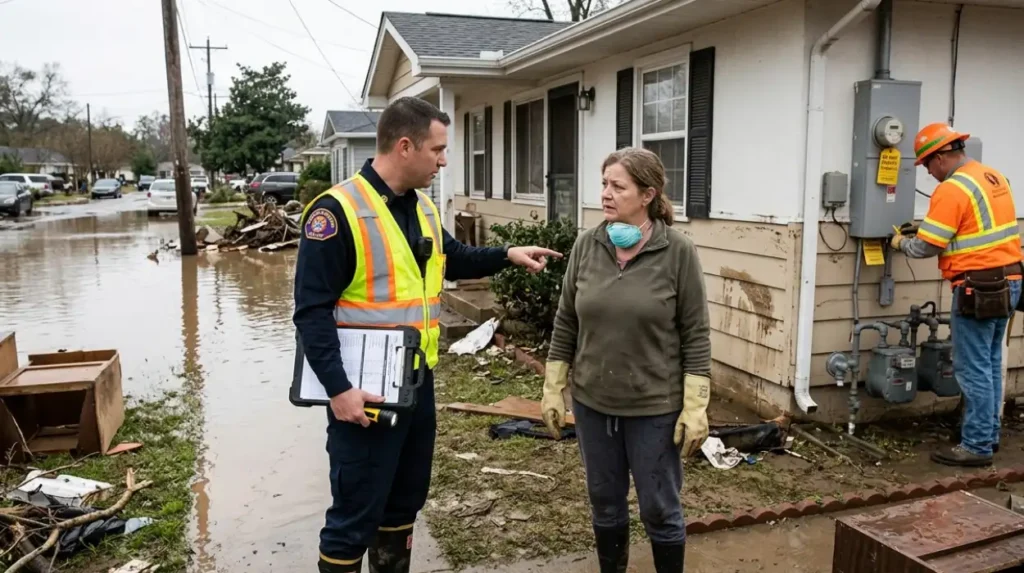
Install property flood resilience measures including flood barriers, non-return valves, and waterproof materials using Property Flood Resilience grant funding up to £5,000. Create a personal flood plan using government templates. Sign up for free flood alerts on gov.uk. Understand flood warning types and their meanings for your home and travel plans.
Property flood resilience (PFR) measures significantly reduce flood impacts and help properties recover quickly after future events. These measures include flood-resistant doors and windows, air brick covers, non-return valves for drains and pipes, and waterproof coatings for walls.
Flood-resistant doors and windows prevent water entry during minor flooding events. These specialized installations seal gaps and withstand water pressure better than standard doors and windows. Installation costs qualify for PFR grant funding.
Non-return valves installed on drains and pipes prevent sewage backup during flooding. When external water levels rise, these valves automatically close blocking reverse flow. This prevents sewage-contaminated water from entering homes through drains.
Air brick covers allow normal ventilation while blocking flood water entry. These specialized covers fit over existing air bricks and seal automatically when water approaches. They maintain building ventilation requirements while providing flood protection.
Waterproof coatings applied to walls create barriers against water penetration. These specialized paints and sealants prevent water absorption into masonry. Applied before flooding occurs, they reduce damage severity when floods happen.
Create a personal flood plan using templates available on the government website. Plans should include emergency contact numbers, insurance policy details, important document locations, evacuation routes, and plans for pets and livestock. Community or group flood plans coordinate neighborhood responses.
Sign up for free flood alerts on gov.uk for your specific area. Floodline provides alerts via text, phone, or email. Early warnings allow preparation time including moving valuables to upper floors, installing flood barriers, and arranging evacuation if necessary.
Learn flood warning types and their meanings. Flood warnings indicate different severity levels requiring different responses. Understanding warning classifications helps you take appropriate action promptly.
Report flooding, blocked drains, and gullies to Leeds City Council and relevant organizations immediately. Prompt reporting helps prevent worsening situations and enables rapid response from authorities.
Do not travel through flood water on foot or in vehicles. Vehicle movement through flood water causes drownings and vehicle damage. Walking through flood water risks falls into hidden holes or electrocution from submerged electrical hazards.
Leeds City Council and Environment Agency completed multiple flood alleviation schemes since 2015 including schemes at Otley, Killingbeck, Garforth, Mickletown, and Cottingley. When complete, Leeds Flood Alleviation Scheme Phase 2 will protect 1,048 additional homes and 474 businesses along 14km from Leeds City Station to Apperley Bridge.
The scheme reduces flood risk to 0.5% annual chance including climate change allowances. Areas protected by Leeds FAS1 see doubled protection from 1% to 0.5% annual flood probability.
How do I claim compensation for flood damage in Garforth?
Contact your home insurance provider immediately, document all flood damage with photos and videos, and submit a claim for buildings and contents damage. If major flooding affects the area, you may also qualify for government support through Leeds City Council.