Key Points
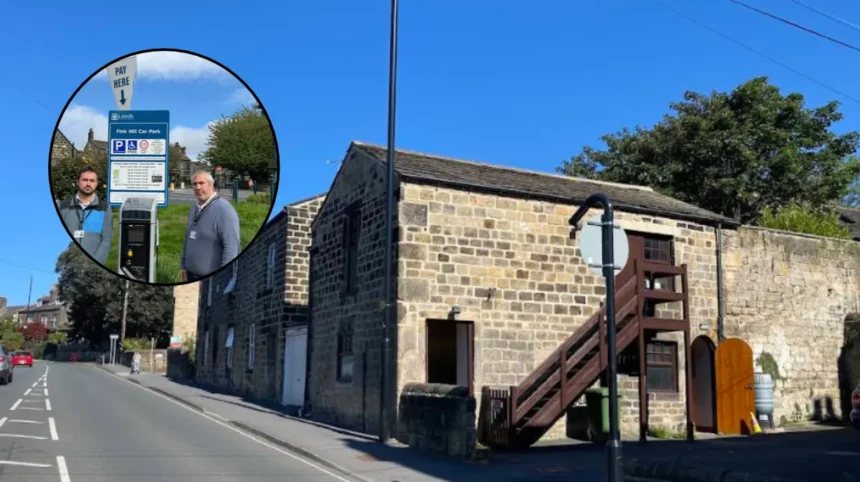
- Horsforth Town Council has formally urged Leeds City Council to abolish controversial parking charges introduced at the Fink Hill car park.
- The fees, which reach up to £3.65 a day, were originally rolled out nearly a year ago as part of measures to address severe financial pressures facing Leeds City Council.
- Local town councillors have warned that the fees are actively discouraging visitors, leading to a marked drop in footfall and damaging local business trade.
- The parking charges have reportedly caused vehicles to spill out onto neighbouring residential streets, creating traffic congestion and visibility hazards on Hall Lane and surrounding roads.
- Concerns have also been raised regarding accessibility, particularly for individuals who lack digital payment methods or bank accounts to use automated systems.
- Leeds City Council launched an executive board review into charges across multiple district car parks, with a public consultation closing recently.
Horsforth (The Leeds Times) September 24, 2026 — Local businesses are suffering significantly after trade took a sharp downturn following the introduction of controversial parking charges at a town centre car park, Leeds City Council has been told.
As reported by Michael Broomhead of the Local Democracy Reporter scheme and local outlets like the West Leeds Dispatch, Leeds City Council is facing mounting pressure to abolish fees brought in nearly a year ago at the Fink Hill car park in Horsforth. Town councillors have expressed deep concern that tariffs scaling up to £3.65 a day are actively putting people off visiting the area, threatening the ongoing viability of local high street trade.
The charges, which apply from Monday to Saturday between 8.00 am and 6.00 pm, provide an initial free hour before escalating through structured bands up to the daily maximum. While the local authority initially defended the measure as a way to encourage vehicle turnover and support short-term shopping trips, community leaders argue that the strategy has backfired.
What Are the Main Concerns Raised by Horsforth Town Council?
As detailed in submissions by Horsforth Town Council to a recent council-led public consultation, local representatives emphasized that the negative impacts of the scheme far outweigh any financial benefits.
As noted in a formal statement issued by the Town Council:
“Whilst recognising the significant financial pressures facing Leeds City Council and the need to identify alternative sources of income, the Town Council believes that, in the case of Fink Hill, the negative impacts of the parking charges outweigh the benefits.”
Elected town representatives outlined multiple compounding problems stemming from the implementation of the fees. Beyond the immediate economic strain on retailers, councillors stressed that motorists looking to dodge the charges have begun parking on neighbouring residential roads. This displacement has increased traffic congestion on Fink Hill and generated serious visibility and road safety concerns along Hall Lane.
Furthermore, criticisms have been levelled against the digital-heavy infrastructure of the payment system. Town councillors pointed out that the current payment arrangements are not sufficiently accessible for everyone, isolating demographic groups who lack access to smartphone technology, digital payment applications, or traditional bank accounts.
Calls have also been made for greater transparency regarding the precise financial performance and net revenue of the parking scheme.
How Is Leeds City Council Responding to the Backlash?
The consultation forms part of a broader review initiated by the Leeds City Council executive board. In July, senior councillors agreed to examine the rollout of district car park charges implemented across several regions, including Wetherby, Horsforth, Rothwell, Garforth, and Guiseley.
The review was designed to analyse usage levels, public feedback, and the true financial performance of the sites since fees were established. The public consultation period closed on September 18, 2026, with findings and recommendations expected to be reported back during the autumn.
While the city council originally introduced these measures to help navigate a severe budget deficit, communities across the affected districts continue to push for exemptions or total reversals to protect local commerce.
Explore More Horsforth News
Leeds Council Refuses Bauer Media Horsforth Advertising Sign 2026
Horsforth Parking Charges Spark Debate in Leeds 2026
Background of the Particular Development
The implementation of parking charges at Fink Hill and five other district car parks across Leeds originated from budget-balancing strategies enacted by Leeds City Council to manage multi-million-pound structural deficits. Historically, Fink Hill served as a free public facility supporting local shops around New Road Side and access to nearby green spaces.
Despite fierce local opposition, petitions, and alternative budget amendments proposed by opposition groups, the local administration approved the tariff orders, leading to their formal launch in October 2025. Nearly a year into operation, persistent community complaints regarding diminished high street footfall and commuter spillover into residential side streets forced the executive board to authorize an official review and public consultation.
Prediction
The outcome of the Leeds City Council parking review carries high stakes for local independent traders, high street shoppers, and nearby homeowners in Horsforth. If the council responds to community pressure by scrapping or scaling back the Fink Hill tariffs, small businesses could experience a resurgence in consumer confidence, encouraging longer browsing times and improved footfall.
Conversely, should the local authority maintain the charges due to ongoing budgetary constraints, retailers may face prolonged financial stagnation as shoppers continue to favour out-of-town retail parks offering free parking. Additionally, any decision to retain the fees will likely necessitate secondary investments in traffic management, such as strict parking restrictions on Hall Lane and surrounding residential streets, to curb ongoing vehicle displacement and commuter parking.