Key Points
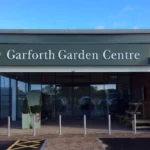
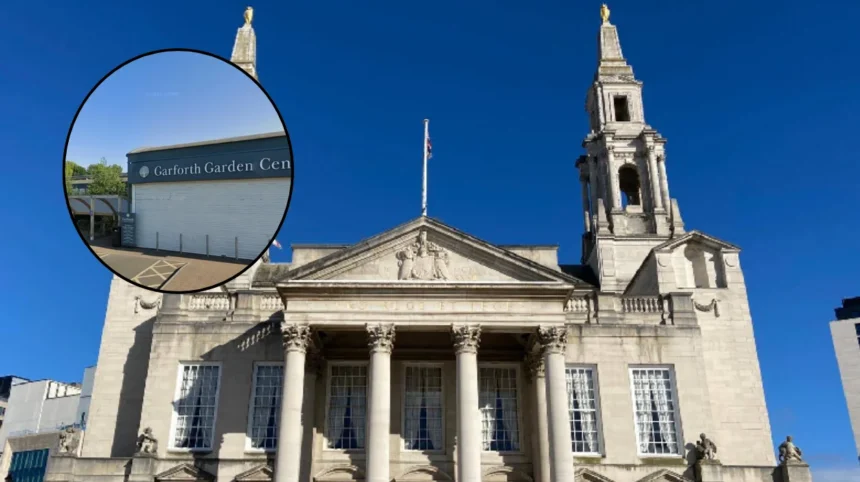
- Leeds City Council has officially refused a planning application submitted by Yorkshire Padel Ltd for four uncovered floodlit padel courts and a picnic area at Garforth Garden Centre on Selby Road.
- Planners determined that the proposal lacked necessary details regarding how the applicant would prevent potential noise and light pollution from adversely affecting the living conditions of nearby residents.
- The application faced scrutiny over local environmental factors, green belt considerations, and potential impacts on nearby trees and residential amenity.
- Proponents of the project, including Charlie Hobson of Yorkshire Padel Ltd, had previously emphasized the community and social benefits of introducing the fast-growing racket sport to suburban areas.
Leeds (The Leeds Times) September 30, 2026 – Leeds City Council has formally blocked a proposal to construct four floodlit padel courts at Garforth Garden Centre on Selby Road, dealing a blow to local sports expansion plans put forward by Yorkshire Padel Ltd.As reported by Don Mort, Local Democracy Reporter, local planning authorities refused the development application after concluding that insufficient information had been provided regarding the mitigation of noise and light nuisance. Planners highlighted that the introduction of floodlit sports facilities in a suburban environment required rigorous assessment to safeguard the peace and privacy of neighboring households.
According to official planning feedback issued by Leeds City Council, local authorities stated,
“In the absence of a site-specific assessment, the local planning authority is unable to determine whether the proposal would result in unacceptable impacts on the living conditions of nearby residents.”
The rejected scheme, which originally surfaced for consideration earlier in the year, sought to transform a portion of the garden centre grounds into an active recreational zone featuring four uncovered padel courts alongside an ancillary picnic area. Padel—a hybrid of tennis and squash played in doubles format within an enclosed glass-and-mesh court—has experienced a massive surge in popularity across the United Kingdom, leading to numerous applications for new facilities.
However, the rapid expansion has frequently intersected with local planning controls regarding green belt designations, lighting pollution, and acoustic disruption.
What Were the Specific Concerns Raised Regarding Noise and Green Belt Impact?
Planning officers examining the Garforth Garden Centre application stressed that commercial leisure facilities sited near residential boundaries must meticulously manage ambient noise levels generated by bouncing balls, metal rackets, and player communication.
Because padel matches often run into the evening, the inclusion of floodlighting further compounded concerns about light spill into surrounding properties.
Furthermore, additional scrutiny was directed toward environmental considerations, including tree preservation and local green belt policies governing appropriate land use on the suburban fringe of Leeds.
While applicants frequently champion the physical and mental health advantages associated with racket sports, local planning committees remain bound to balance community wellness initiatives against strict environmental protection policies and residential amenity rights.
Explore More Leeds City Council
Leeds Careers Initiative Boosts 10,000 Youngsters in Leeds 2026
New Briggate Cycling and Trading Rules Implemented in Leeds 2026
Background of the Development
The proposal for Garforth Garden Centre emerged as part of a broader commercial trend across West Yorkshire aiming to capitalize on the explosive growth of padel tennis. Earlier in the year, Yorkshire Padel Ltd, represented by figures such as Charlie Hobson, pitched the development as a community-focused asset designed to bring people together through an accessible, highly social sport.
Proponents had noted positive community feedback during initial informal stages, mirroring similar successful facility approvals across the region, such as approved courts at east Leeds sports hubs and historic redevelopments elsewhere in the city. Nevertheless, suburban garden centre sites often sit adjacent to sensitive residential zones, making them flashpoints for local planning disputes where residents voice concerns over traffic, parking, lighting, and noise pollution.
Prediction: How Will This Decision Affect Local Sports Operators and Residents?
The refusal of the Garforth Garden Centre application serves as a cautionary precedent for commercial leisure developers and independent sports operators seeking to build open-air or floodlit sports infrastructure within suburban or semi-rural pockets of Leeds. For local residents living near commercial and retail hubs, the council’s strict stance offers reassurance that local authorities will rigorously enforce acoustic and lighting safeguards before granting permissions.
Conversely, for padel operators and enthusiasts, the decision underscores the growing necessity of investing in comprehensive, site-specific environmental impact assessments early in the planning phase to overcome strict council scrutiny. As demand for padel courts continues to outpace available infrastructure across the UK, future applicants will likely need to present advanced acoustic baffling designs and precise lighting containment plans to secure approval in residential neighborhoods.