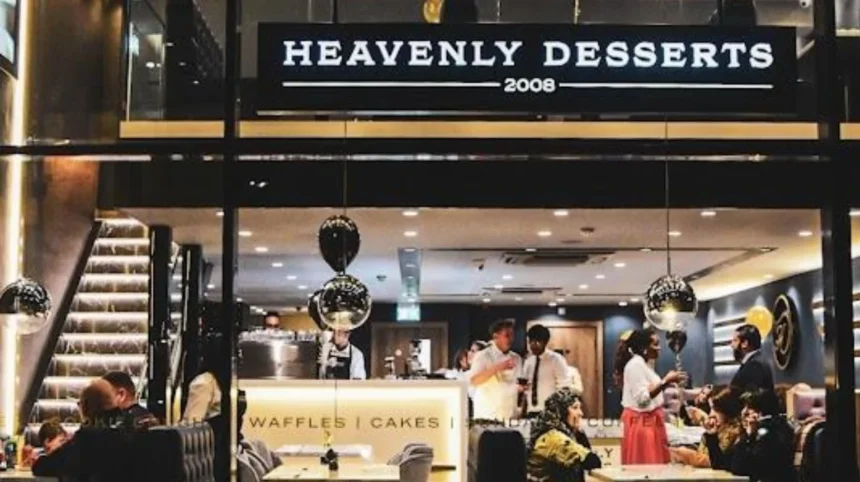
Traditional British puddings and desserts remain an important part of the UK’s food culture. From warm sticky toffee pudding and jam roly-poly to apple crumble, bread and butter pudding and custard-based sweets, these dishes represent generations of British home cooking. Headingley, a popular neighbourhood in north-west Leeds, offers visitors opportunities to explore traditional sweet dishes alongside modern dessert restaurants, independent cafés and neighbourhood food businesses.
- What Are Traditional British Puddings and Desserts?
- How Did Traditional British Puddings Develop Historically?
- How did Victorian cooking influence British desserts?
- What was the importance of traditional puddings in British households?
- How does Headingley’s history connect with traditional food culture?
- Which Traditional British Puddings Should You Try in Headingley?
- Where Can You Find Traditional British Desserts in Headingley?
- 1. Heavenly Desserts, Headingley
- 2. Loaf Café, Far Headingley
- 3. The Bowery Visual Arts and Café
- 4. Fika North Coffee
- 5. 21 Co. Coffee Shop
- What Ingredients Make Traditional British Puddings Special?
- What role does suet play in traditional puddings?
- Why is custard important in British desserts?
- How do British puddings use seasonal fruit?
- When Is the Best Time to Enjoy Traditional British Desserts in Headingley?
- Are traditional puddings suitable for afternoon visits?
- Are dessert restaurants suitable for evening visits?
- Which seasons suit traditional British puddings?
- How Can Visitors Plan a British Dessert Trail Around Headingley?
- Start at Headingley Central
- Explore independent cafés along Otley Road
- Allow time for a complete dessert experience
- Consider transport and accessibility
- How Much Do Traditional British Desserts Cost in Headingley?
- What Dietary Requirements Should Visitors Consider When Ordering British Desserts?
- Are vegetarian British puddings available?
- Are vegan British desserts available?
- What should customers with food allergies check?
- Why Are Traditional British Puddings Still Relevant to Headingley’s Food Scene?
Headingley’s food scene reflects its diverse population, university connections and established hospitality sector. Otley Road, Headingley Central and nearby Far Headingley contain cafés, restaurants and specialist dessert businesses. These venues provide different experiences, from freshly prepared cakes and coffee to elaborate plated desserts.
For tourists and leisure travellers, traditional British puddings offer an opportunity to experience familiar national dishes while exploring Leeds. Residents benefit from local cafés and restaurants serving sweet treats, while students, digital nomads and business travellers have convenient places to enjoy desserts during breaks or after meals.
This guide explores traditional British puddings, their historical background, the ingredients behind popular recipes and the Headingley venues worth considering when searching for classic British desserts.
What Are Traditional British Puddings and Desserts?
Traditional British puddings are sweet dishes prepared using ingredients such as flour, milk, eggs, butter, fruit, sugar and spices. Popular examples include sticky toffee pudding, jam roly-poly, bread and butter pudding and apple crumble. They are commonly served warm with custard, cream or ice cream.
British pudding culture includes a wide range of recipes developed through domestic cooking, regional traditions and changing food habits. The word pudding has several meanings in British English. It describes particular sweet dishes and the dessert course served at the end of a meal.
Traditional puddings generally fall into several preparation categories.
- Steamed puddings: Examples include treacle sponge, jam roly-poly and Christmas pudding.
- Baked puddings: Examples include bread and butter pudding, rice pudding and baked custard.
- Fruit-based desserts: Examples include apple crumble, summer pudding and fruit cobbler.
- Sponge desserts: Examples include sticky toffee pudding, syrup sponge and spotted dick.
These categories reflect differences in preparation, ingredients and texture.
Many traditional recipes developed around affordable household ingredients. Flour, suet, bread, milk, seasonal fruit and dried fruit provided the foundations for filling desserts.
Custard became an important accompaniment to British puddings. It consists of milk or cream, egg yolks and sugar, although commercial preparations frequently use starch-based ingredients.
Traditional desserts also reflect regional food identities. Yorkshire, Lancashire, Scotland, Wales and other parts of Britain have their own established baking and pudding traditions.
In Headingley, visitors can explore British dessert traditions through dedicated dessert restaurants and cafés. The availability of particular traditional recipes depends on individual menus and seasonal changes.
How Did Traditional British Puddings Develop Historically?
British puddings developed from earlier savoury and sweet preparations, including boiled mixtures made with grains, meat, dried fruit and animal fats. Over subsequent centuries, sugar, spices, pastry and dairy ingredients became increasingly important in sweet pudding recipes.
The history of British pudding extends back several centuries. Early puddings were not exclusively sweet. Historical preparations included mixtures of meat, grain, vegetables, fat and dried fruit.
According to historical food research, sweet ingredients gradually became more prominent in British pudding preparation. Sugar, currants, dates and spices transformed earlier recipes into richer sweet dishes.
How did Victorian cooking influence British desserts?
The Victorian period played an important role in establishing familiar British pudding traditions.
During the nineteenth century, household cookbooks documented recipes for steamed puddings, fruit desserts, custards and baked dishes.
Eliza Acton’s 1845 cookbook included an early recipe for jam roly-poly. Isabella Beeton’s household management book, published in 1861, also helped popularise domestic cooking instructions and traditional recipes.
Jam roly-poly became particularly associated with Victorian food culture. Its preparation involved spreading jam across pastry, rolling the mixture and cooking it through steaming or baking.
What was the importance of traditional puddings in British households?
Puddings provided filling and economical meals for families. Bread leftovers became bread and butter pudding, seasonal apples became baked fruit desserts, and flour-based mixtures produced steamed sponges.
These recipes helped households reduce food waste while making use of readily available ingredients.
The practice of serving a pudding after the main meal became established in British domestic dining.
Traditional recipes continued to develop as household equipment, ingredient availability and cooking methods changed.
How does Headingley’s history connect with traditional food culture?
Headingley developed from a historic village into one of Leeds’ best-known suburbs. The area experienced substantial residential expansion during the nineteenth century as Leeds residents moved towards its quieter surroundings.
Leeds City Council’s Headingley Neighbourhood Plan records that the village had only 45 houses in 1831. By 1850, the area contained approximately 1,000 houses.
The expansion of residential communities increased demand for shops, public houses, cafés and everyday food services.
As you explore Headingley’s modern cafés and restaurants, you are crossing an area with a substantial heritage. Discover the full [History of Headingley and Its Victorian Village Origins] to understand how the neighbourhood developed into a major Leeds suburb.
Which Traditional British Puddings Should You Try in Headingley?
Visitors exploring Headingley should look for traditional British favourites such as sticky toffee pudding, jam roly-poly, bread and butter pudding, apple crumble and chocolate sponge. These desserts combine familiar British ingredients with established preparation methods and traditional accompaniments.
Understanding the main desserts makes it easier to identify traditional choices when reading restaurant menus.
Sticky Toffee Pudding
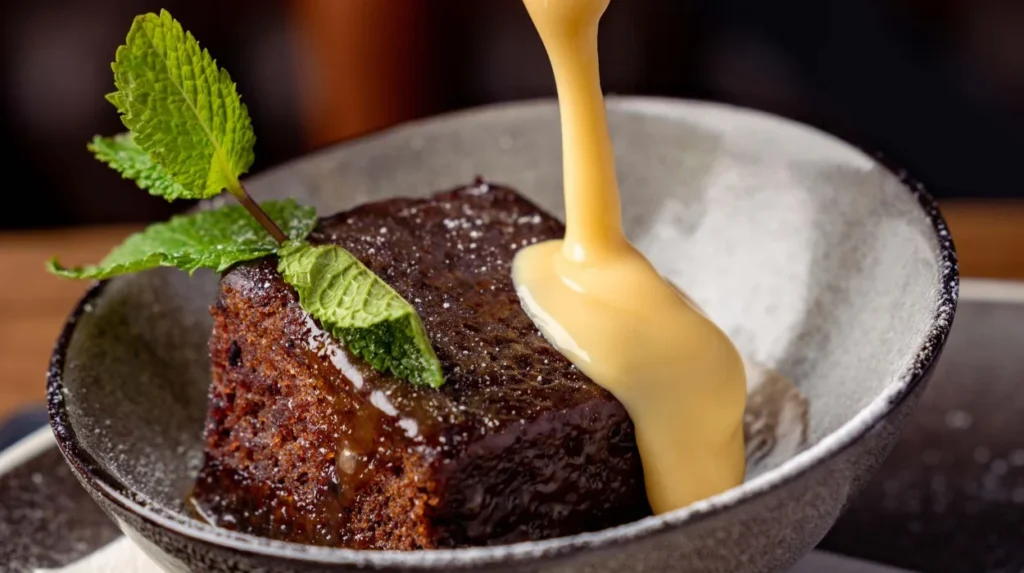
Sticky toffee pudding is one of Britain’s best-known modern traditional desserts.
It consists of a soft sponge containing finely chopped dates. The sponge is covered with a rich toffee sauce, usually prepared with butter, sugar and cream.
Restaurants frequently serve it with vanilla ice cream, custard or pouring cream.
The dessert has become a familiar feature of British pub and restaurant menus. Its popularity comes from its combination of soft sponge, sweet sauce and contrasting cold accompaniments.
Visitors looking for a classic British dessert in Headingley should check whether sticky toffee pudding appears on the current menu.
Jam Roly-Poly
Jam roly-poly is a traditional British steamed or baked pudding.
The recipe uses a pastry mixture spread with jam and rolled into a cylindrical shape. Traditional versions frequently use suet pastry, although modern recipes also use alternative pastry preparations.
Raspberry and strawberry jam are common fillings.
The finished pudding is sliced and served warm, usually with custard.
Its historical association with Victorian domestic cooking makes it an important example of Britain’s traditional pudding heritage.
Bread and Butter Pudding
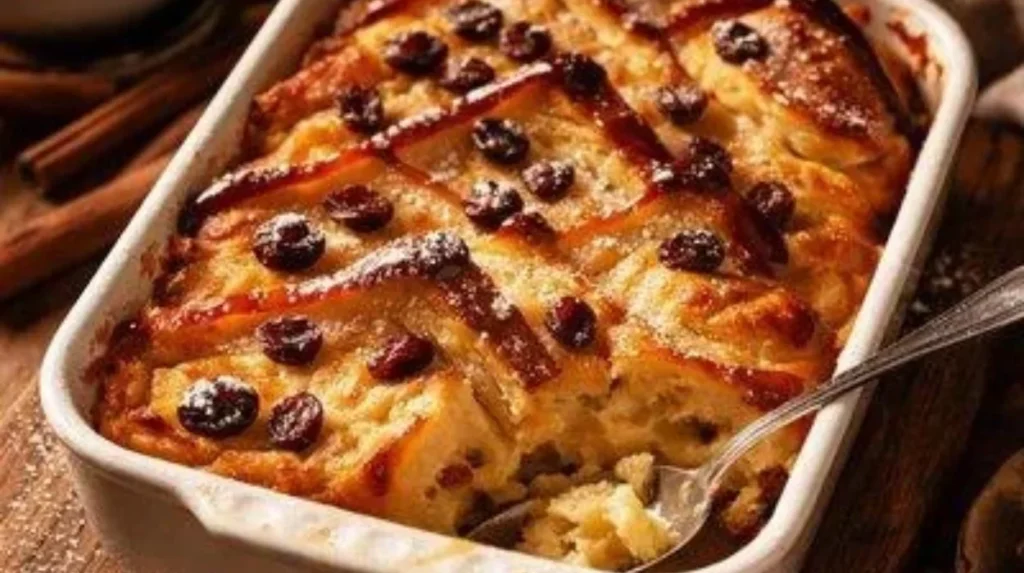
Bread and butter pudding is a traditional British dessert created using slices of bread, butter, milk, eggs, sugar and dried fruit.
The bread is arranged in layers before an egg-and-milk custard mixture is poured over it. The dish is then baked until the top becomes golden and the centre develops a soft custard texture.
Raisins, sultanas, cinnamon and nutmeg frequently provide additional flavour.
The recipe demonstrates how leftover bread became an important ingredient in traditional British cooking.
Modern restaurants sometimes use brioche instead of ordinary bread. This produces a richer texture while retaining the basic character of the dessert.
Apple Crumble
Apple crumble is a popular British baked dessert consisting of cooked apples covered with a crumbly mixture of flour, butter and sugar.
Bramley apples are particularly suitable because their sharp flavour balances the sweetness of the crumble topping.
The dessert is baked until the fruit softens and the topping develops a golden texture.
Traditional accompaniments include:
- Hot custard.
- Vanilla ice cream.
- Whipped cream.
Apple crumble is particularly associated with autumn and winter menus, although restaurants serve it throughout the year.
Spotted Dick
Spotted dick is a traditional steamed suet pudding containing dried fruit, particularly currants or raisins.
Its name refers to the dark fruit pieces distributed throughout the pale pudding.
The pudding is prepared using flour, suet, sugar, milk and dried fruit. It is traditionally steamed and served in slices with warm custard.
It remains an important example of Britain’s historic steamed pudding tradition.
Rice Pudding
British rice pudding is a slow-cooked dessert prepared using rice, milk, sugar and flavourings.
Traditional recipes frequently include nutmeg and butter. Baking produces a creamy consistency and a lightly browned surface.
The dessert has a long association with domestic cooking because its ingredients are relatively simple and widely available.
Restaurants and cafés sometimes serve rice pudding with fruit compote, cinnamon or additional cream.
Where Can You Find Traditional British Desserts in Headingley?
Headingley has dedicated dessert restaurants and independent cafés where visitors can explore traditional-style sweet dishes. Heavenly Desserts is a particularly relevant option for classic puddings, while independent cafés provide additional choices for homemade cakes and lighter sweet treats.
Headingley’s dessert businesses are concentrated around Otley Road, Headingley Central and nearby residential streets.
The following venues provide useful starting points for visitors.
1. Heavenly Desserts, Headingley
Heavenly Desserts is a dedicated dessert restaurant at 30 Otley Road, Headingley, Leeds, LS6 2UQ.
Its online menu provides some particularly relevant choices for people searching for traditional British puddings.
The listed classics include:
- Sticky toffee pudding.
- Jam roly-poly.
- Brioche bread and butter pudding.
- Apple crumble tart.
- Warm chocolate fudge cake.
The sticky toffee pudding combines date sponge with toffee sauce. Jam roly-poly provides a recognisable traditional steamed pudding, while the bread and butter pudding uses brioche and baked egg custard.
These dishes provide a connection between established British dessert recipes and contemporary restaurant presentation.
The restaurant also serves modern desserts, including waffles, cookie dough, cheesecakes and gelato.
Its location makes it convenient for visitors exploring Headingley Central and Otley Road.
Check the current menu, prices and opening times before visiting.
2. Loaf Café, Far Headingley
Loaf Café
Loaf is an independent, family-owned café at 90–92 Otley Road in Far Headingley, Leeds, LS6 4BA.
The business focuses on locally sourced food, homemade cakes and coffee.
Its café setting provides an alternative to dedicated dessert restaurants. Visitors looking for a lighter afternoon treat can explore its cake selection alongside hot drinks.
The café operates during daytime hours, making it particularly suitable for breakfast, lunch and afternoon visits.
Loaf’s published opening hours include:
- Monday to Friday: 8.30am–4pm.
- Saturday: 9am–5pm.
- Sunday: 9am–4pm.
Visitors should distinguish homemade cakes from traditional steamed puddings. The café is a useful option for sweet café food, but its published information does not establish a permanent selection of classic British hot puddings.
3. The Bowery Visual Arts and Café
The Bowery is an independent café and creative venue at 54 Otley Road, Headingley, Leeds, LS6 2AL.
It combines coffee, café food, visual arts and community activities.
The venue provides an alternative for visitors who want to combine a café stop with local cultural activities.
Cakes and sweet café options make this type of establishment relevant to a wider dessert itinerary. However, customers should check the current food selection before expecting a specific traditional pudding.
The Bowery is also useful for visitors exploring Headingley’s independent businesses.
4. Fika North Coffee
Fika North Coffee is located at 94 Otley Road, Headingley, Leeds, LS6 4BA.
The café takes inspiration from the Swedish concept of fika, which describes a social coffee break accompanied by something to eat.
Its daytime café offering provides an opportunity to enjoy coffee and sweet baked items.
Although fika originates from Swedish culture rather than British dessert traditions, the concept fits naturally into Headingley’s café environment.
Visitors should check the available cakes and pastries before travelling.
5. 21 Co. Coffee Shop
21 Co. operates inside Headingley Central on Otley Road.
The café combines refreshments with a community-focused retail and social enterprise environment.
Its location makes it convenient for visitors exploring the shopping centre and surrounding businesses.
It provides another daytime option for coffee and café refreshments rather than a specialist traditional pudding restaurant.
Visitors should check its current opening arrangements and food selection.
What Ingredients Make Traditional British Puddings Special?
Traditional British puddings rely on straightforward ingredients, including flour, eggs, milk, butter, sugar, suet, fruit and spices. Their preparation methods determine the final texture, flavour and appearance, creating distinctive differences between steamed sponges, baked desserts and fruit-based puddings.
Traditional pudding recipes developed around ingredients that were accessible to British households.
Their preparation methods also reflect historical cooking equipment and domestic practices.
What role does suet play in traditional puddings?
Suet is the hard fat surrounding the kidneys of cattle or sheep. It has traditionally been used in British pastry and pudding preparation.
Its properties make it suitable for steamed and boiled puddings.
Traditional recipes use suet to create a rich, firm texture. Examples include spotted dick, Christmas pudding and certain versions of jam roly-poly.
Vegetable suet is also available as an alternative.
Why is custard important in British desserts?
Custard is one of the most familiar accompaniments to traditional British puddings.
It provides a smooth texture and creamy flavour that complements steamed sponges, fruit crumbles and pastry-based desserts.
Traditional custard uses egg yolks, milk, sugar and flavourings such as vanilla.
Commercial custard products frequently use starch to produce a consistent texture.
Popular combinations include:
- Apple crumble with custard.
- Jam roly-poly with custard.
- Spotted dick with custard.
- Syrup sponge with custard.
How do British puddings use seasonal fruit?
Fruit has always played an important role in British dessert preparation.
Apples, blackberries, rhubarb, plums and gooseberries feature in traditional recipes.
Seasonal fruit provides natural sweetness and acidity. It also helps households use locally available produce.
Apple crumble, summer pudding and rhubarb crumble are familiar examples.
Seasonal menus also allow restaurants to introduce different fruit combinations throughout the year.
When Is the Best Time to Enjoy Traditional British Desserts in Headingley?
The best time to explore traditional British desserts depends on the type of experience required. Afternoon visits suit independent cafés and homemade cakes, while evening visits suit dedicated dessert restaurants. Autumn and winter menus frequently feature warm puddings, fruit crumbles and custard.
Headingley’s food businesses operate across different daytime and evening schedules.
Visitors should select a venue according to the intended experience.
Are traditional puddings suitable for afternoon visits?
Afternoon visits are particularly suitable for cafés serving cakes, pastries and coffee.
Far Headingley’s independent cafés provide convenient stops for visitors exploring the neighbourhood.
A traditional British afternoon treat typically combines tea or coffee with a slice of cake or a sweet pastry.
Bread pudding, fruit cake and sponge cake are familiar examples of British café-style sweets.
Are dessert restaurants suitable for evening visits?
Dedicated dessert restaurants provide a more specialised evening experience.
Heavenly Desserts offers a dessert-focused setting on Otley Road, with its online menu featuring traditional-style puddings alongside contemporary sweet dishes.
Its published opening information includes late-night service, making it relevant to visitors looking for dessert after dinner.
Customers should confirm the current opening schedule before travelling.
Which seasons suit traditional British puddings?
Autumn and winter are particularly associated with warm British puddings.
Apple crumble, sticky toffee pudding, steamed sponge and bread and butter pudding are common choices during colder months.
Spring and summer introduce lighter alternatives, including fruit-based desserts, summer pudding and chilled custards.
The availability of individual dishes depends on the restaurant and its menu.
How Can Visitors Plan a British Dessert Trail Around Headingley?
A Headingley dessert trail combines dedicated dessert restaurants, independent cafés and nearby food businesses. Visitors can organise a route around Otley Road, Headingley Central and Far Headingley, selecting venues according to opening hours, transport connections and available traditional dishes.
Headingley is suitable for a flexible food itinerary because its main commercial areas contain several independent businesses.
A planned route helps visitors explore different dessert experiences without travelling repeatedly between distant parts of Leeds.
Start at Headingley Central
Headingley Central provides a convenient starting point.
Visitors can explore its retail and hospitality businesses before choosing a dessert stop.
Heavenly Desserts provides a dedicated restaurant option for traditional-style puddings and contemporary sweets.
The surrounding Otley Road area also contains cafés and independent businesses.
Explore independent cafés along Otley Road
The next stage involves exploring independent café businesses.
Loaf Café in Far Headingley offers homemade cakes and coffee, while The Bowery provides a café experience combined with creative activities.
Fika North provides another daytime coffee stop.
These businesses offer different environments and food experiences. Visitors should check their current selections rather than assume every café serves traditional steamed puddings.
Allow time for a complete dessert experience
A dessert visit is not limited to ordering food.
Visitors should consider seating arrangements, portion sizes, dietary requirements and the time needed to enjoy their meal.
Groups should check whether tables are available during busy periods.
Families should confirm children’s options and highchair availability directly with the venue.
Digital nomads and business travellers should also check seating policies, Wi-Fi availability and peak trading hours before planning longer café visits.
Consider transport and accessibility
Headingley connects with Leeds city centre through the A660 corridor.
The neighbourhood is served by local bus services and Headingley railway station.
Visitors travelling from outside Leeds should check current public transport timetables before planning their route.
Walking between nearby cafés and restaurants is practical for many visitors, although accessibility requirements should be checked individually.
How Much Do Traditional British Desserts Cost in Headingley?
The cost of traditional British desserts in Headingley depends on the venue, portion size, ingredients and serving style. Dedicated dessert restaurants generally provide plated desserts, while independent cafés offer smaller cakes and sweet baked items. Always check current menus for accurate prices.
Dessert prices vary across Headingley’s hospitality businesses.
A plated sticky toffee pudding with sauce and ice cream represents a different purchase from a simple slice of homemade cake.
Several factors influence the final cost.
What determines dessert prices?
The main pricing factors include:
- Ingredient quality.
- Portion size.
- Preparation methods.
- Restaurant location.
- Additional accompaniments.
- Table service and dining facilities.
A dessert containing premium chocolate, fresh fruit or specialist ingredients generally has different production costs from a basic sponge pudding.
Are traditional puddings suitable for different budgets?
Traditional British puddings are available in different dining formats.
A café visit with tea and cake provides a straightforward option for visitors seeking a smaller purchase.
A dedicated dessert restaurant offers a more substantial experience, particularly when desserts include ice cream, sauces and additional toppings.
Visitors should compare current menus and account for drinks, service charges and delivery fees when budgeting.
Explore More Area Guide
Headingley Coffee Guide: Independent Roasters and Specialty Cafés in Leeds
Headingley Food Delivery Guide: Best Local Restaurants and Takeaways
What Dietary Requirements Should Visitors Consider When Ordering British Desserts?
Traditional British desserts frequently contain dairy, eggs, wheat, gluten and added sugar. Visitors with allergies, intolerances or specific dietary requirements should check ingredient information, preparation arrangements and cross-contamination procedures directly with restaurants before ordering.
Traditional pudding recipes use several common allergens.
Milk and butter feature in custards, sponge puddings and bread-based desserts. Wheat flour appears in pastry, crumble toppings and cakes. Eggs are common in baked custards and sponge mixtures.
Are vegetarian British puddings available?
Many traditional sweet puddings are suitable for vegetarians, depending on their ingredients.
Apple crumble, rice pudding and certain sponge desserts are commonly prepared without meat products.
However, traditional suet puddings require additional attention because some versions contain animal-derived suet.
Vegetarian customers should confirm whether a pudding uses vegetable or animal suet.
Are vegan British desserts available?
Vegan adaptations of traditional British desserts replace animal-derived ingredients with plant-based alternatives.
Examples include:
- Apple crumble made with plant-based margarine.
- Vegan sponge pudding made without eggs or dairy.
- Dairy-free rice pudding made with oat or soya milk.
Customers should confirm preparation methods and allergen information directly with restaurants.
What should customers with food allergies check?
People with food allergies should request the venue’s current allergen information.
Important ingredients to check include milk, eggs, wheat, nuts, soya and other declared allergens.
Customers should also ask about shared equipment and preparation surfaces.
The Food Standards Agency provides official guidance on food allergens and the legal responsibilities of food businesses.
Why Are Traditional British Puddings Still Relevant to Headingley’s Food Scene?
Traditional British puddings remain relevant because they connect historical food traditions with modern restaurant menus and everyday café culture. Headingley’s combination of independent cafés and specialist dessert businesses provides opportunities to experience familiar British flavours alongside contemporary dessert trends.
British pudding culture continues to influence restaurant menus, home cooking and the wider hospitality industry.
However, traditional recipes face changing consumer habits.
English Heritage reported in August 2025 that only 2% of British households made a homemade pudding daily, while 62% rarely or never made them. Its research highlighted concerns about declining preparation of traditional homemade desserts.
This research demonstrates the importance of preserving traditional recipes and encouraging interest in Britain’s food heritage.
How are traditional puddings adapting to modern dining?
Restaurants increasingly present traditional desserts alongside contemporary ingredients and serving styles.
Examples include sticky toffee pudding with gelato, apple crumble with alternative toppings and bread and butter pudding prepared with brioche.
These adaptations retain familiar flavours while responding to changing customer preferences.
Why do traditional desserts matter to local hospitality?
Traditional puddings contribute to the identity of British food businesses.
They provide familiar menu choices for residents and visitors while supporting interest in regional and national food traditions.
For Headingley, traditional desserts also complement the neighbourhood’s broader hospitality offering.
The area’s independent cafés, established commercial streets and specialist dessert restaurants provide different ways to enjoy sweet food.
What is the future of traditional British desserts?
Traditional British desserts remain an important part of the country’s culinary identity.
Interest in food heritage, home baking and regional recipes supports continued demand for recognisable pudding dishes.
Restaurants also have opportunities to introduce traditional recipes to younger customers and international visitors.
Headingley’s diverse food environment provides a suitable setting for this combination of traditional and contemporary dining.
Headingley offers visitors several opportunities to explore British dessert culture through dedicated dessert restaurants and independent cafés.
Traditional favourites such as sticky toffee pudding, jam roly-poly, bread and butter pudding, apple crumble and spotted dick represent important parts of Britain’s culinary heritage.
Heavenly Desserts on Otley Road is a particularly relevant destination because its online menu includes several traditional-style British puddings. Loaf Café, The Bowery and Fika North provide additional café options for cakes, coffee and sweet refreshments.
Visitors should check current menus before travelling, particularly when searching for specific traditional recipes. Opening hours, prices and food availability change between businesses.
For tourists, Headingley’s dessert scene provides another way to experience Leeds beyond its sporting attractions and historic buildings. Residents benefit from local cafés and dessert restaurants, while students and business travellers have convenient places to enjoy refreshments.
Exploring traditional British puddings in Headingley connects the neighbourhood’s modern hospitality scene with centuries of British food history.
Where can I find traditional British puddings in Headingley?
Heavenly Desserts on Otley Road is a suitable destination. Its menu features traditional-style British desserts, including sticky toffee pudding, jam roly-poly and bread and butter pudding.