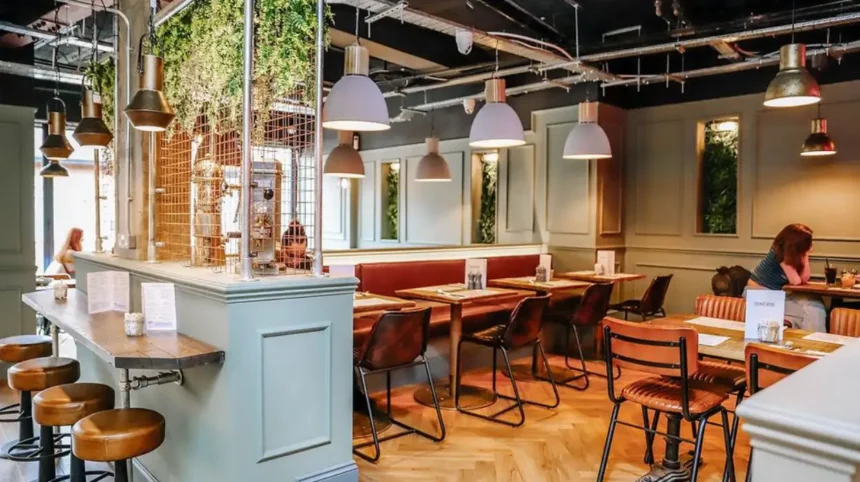
Headingley is one of Leeds’ best-known dining destinations. Located approximately two miles north-west of Leeds city centre, the neighbourhood offers a varied food scene featuring independent cafés, traditional pubs, international restaurants, takeaways and casual dining establishments. Its proximity to the University of Leeds, Leeds Beckett University and Headingley Stadium attracts students, residents, tourists and visiting sports supporters.
- Why Is Food Allergy Information Important When Eating Out in Headingley?
- Why Does Headingley Need Accessible Allergen Information?
- What Is the Difference Between Food Allergy and Food Intolerance?
- What Are the 14 Major Food Allergens Restaurants Must Declare in the UK?
- What Food Allergy Laws Apply to Headingley Restaurants?
- How Must Restaurants Provide Allergen Information?
- What Is Natasha’s Law?
- What Are the Responsibilities of Leeds Food Businesses?
- How Can Diners Check Restaurant Allergen Information Before Visiting Headingley?
- Where Can Customers Find Restaurant Menu Information?
- What Questions Should Customers Ask Before Booking?
- How Does Cross-Contamination Affect Food Allergy Safety in Restaurants?
- What Are Common Sources of Cross-Contamination?
- Why Is Cross-Contamination Important for People With Coeliac Disease?
- What Kitchen Procedures Help Reduce Allergen Risks?
- Which Headingley Restaurants and Food Businesses Should Customers Research for Allergen Information?
- What Should Customers Check at Independent Cafés?
- What Should Customers Check at International Restaurants?
- What Should Customers Check at Pubs and Casual Dining Restaurants?
- How Does Headingley Stadium Influence Dining Requirements?
- How Should Customers Communicate Food Allergies to Restaurant Staff?
- How Should Customers Explain a Food Allergy?
- Why Should Customers Speak to a Manager or Chef?
- What Should Customers Confirm When Their Meal Arrives?
- How Can Customers Check Allergen Information When Ordering Headingley Takeaways?
- What Should Customers Check Before Ordering Online?
- Why Are Delivery Notes Important?
- What Information Must Accompany Takeaway Food?
- How Can Tourists and Visitors Plan Allergy-Aware Dining in Headingley?
- How Can Visitors Research Restaurants Before Travelling?
- How Can Families Manage Children’s Food Allergies?
- What Should International Visitors Know About UK Allergen Labelling?
- What Should Customers Do If a Restaurant Cannot Confirm Allergen Information?
- How Can Restaurant Menu Information Improve Food Allergy Awareness in Headingley?
For diners with food allergies, however, choosing a restaurant involves more than finding an appealing menu. Understanding ingredients, allergen labelling, food preparation procedures and cross-contamination risks is essential before placing an order.
UK food information regulations require restaurants and other food businesses to provide accurate information about 14 legally recognised allergens. These requirements help customers make informed decisions when eating out, ordering takeaway food or purchasing prepared meals.
This guide explains how to research food allergies and restaurant menu information in Headingley. It covers UK allergen regulations, common allergens, restaurant communication, cross-contamination, online menus and practical steps for planning safer dining experiences.
Why Is Food Allergy Information Important When Eating Out in Headingley?
Food allergy information helps diners identify ingredients that trigger allergic reactions before ordering a meal. Headingley restaurants must provide accurate information about 14 regulated allergens, allowing customers to understand menu ingredients, discuss preparation methods and make informed food choices.
Food allergies occur when the immune system reacts to a particular food protein. Reactions range from mild symptoms, such as itching and skin rashes, to severe reactions involving breathing difficulties and anaphylaxis.
Anaphylaxis is a serious, potentially life-threatening allergic reaction requiring immediate medical attention.
Restaurants serve dishes containing numerous ingredients. Sauces, dressings, marinades, garnishes and cooking oils introduce allergens that are not always obvious from a menu description.
For example, a vegetable curry contains vegetables, spices, coconut milk or other ingredients depending on its recipe. Its accompanying sauce, stock or garnish also introduces potential allergens.
Customers with food allergies therefore need reliable ingredient information rather than relying exclusively on dish names.
Why Does Headingley Need Accessible Allergen Information?
Headingley has a diverse dining environment shaped by its student population, residential communities and visitor economy.
Restaurants serve different customer groups, including:
- University students looking for affordable meals.
- Families visiting local attractions.
- Tourists exploring Leeds.
- Sports supporters attending events at Headingley Stadium.
- Professionals meeting colleagues for lunch.
- International visitors seeking familiar or unfamiliar cuisines.
Each group benefits from accessible allergen information.
Independent restaurants, cafés and larger hospitality businesses also use different menu formats. Some publish complete menus online, while others provide printed menus or separate allergen information sheets.
Customers should confirm the latest information directly with restaurant staff before ordering.
What Is the Difference Between Food Allergy and Food Intolerance?
A food allergy involves an immune system response to a particular food. Food intolerance generally involves difficulty digesting or processing certain ingredients.
Lactose intolerance, for example, occurs when the body has insufficient lactase enzyme to digest lactose, a natural sugar found in milk.
Food allergies and intolerances require different management approaches. However, both can influence restaurant choices and meal preparation requirements.
Diners should explain their specific dietary requirements clearly rather than using the terms interchangeably.
What Are the 14 Major Food Allergens Restaurants Must Declare in the UK?
UK food information regulations recognise 14 major allergens that food businesses must identify when present in food. These include milk, eggs, peanuts, tree nuts, cereals containing gluten, fish, shellfish, sesame, soya, mustard, celery, lupin, molluscs and sulphites.
The Food Standards Agency (FSA) provides official guidance on allergen identification and food information requirements.
The 14 allergens are recognised because they are important causes of food allergies and intolerances requiring specific consumer information.
Restaurants in Headingley must provide accurate allergen information for relevant dishes, including meals prepared in restaurant kitchens.
Which Ingredients Belong to the 14 Allergen Categories?
The regulated allergens include the following:
1. Celery
Celery appears in soups, stocks, seasoning blends and sauces. Celery salt is another ingredient that requires attention.
2. Cereals containing gluten
This category includes wheat, rye, barley and oats. Gluten-containing cereals appear in bread, pasta, pastry, batter and some processed foods.
3. Crustaceans
Crustaceans include prawns, crabs and lobsters. They feature in seafood dishes, Asian cooking and certain sauces.
4. Eggs
Eggs appear in mayonnaise, cakes, pasta, pastries, dressings and some fried foods.
5. Fish
Fish includes ingredients such as salmon, cod, tuna and anchovies. Fish sauces and certain seasoning products also require checking.
6. Lupin
Lupin is a legume used in some flour products, bread and baked goods.
7. Milk
Milk includes ingredients such as cream, butter, cheese, yoghurt and milk powder. It appears in desserts, sauces, drinks and baked products.
8. Molluscs
Molluscs include mussels, oysters, squid and snails. They feature in seafood dishes and some specialist sauces.
9. Mustard
Mustard appears in dressings, sauces, marinades, pickles and seasoning mixtures.
10. Peanuts
Peanuts feature in sauces, desserts, confectionery and some Asian-inspired dishes.
11. Sesame
Sesame seeds and sesame oil appear in breads, salads, dressings and Middle Eastern or Asian-inspired meals.
12. Soya
Soya appears in tofu, soy sauce, plant-based alternatives and processed foods.
13. Sulphur dioxide and sulphites
Sulphites are preservatives used in certain dried fruits, drinks and processed foods. Declaration is required when their concentration exceeds 10mg/kg or 10mg/litre in the finished product.
14. Tree nuts
Tree nuts include almonds, hazelnuts, walnuts, cashews, pecans, pistachios, Brazil nuts and macadamia nuts.
Customers should remember that allergen categories include ingredients in different forms. For example, peanut oil, almond flour and milk powder require appropriate consideration.
What Food Allergy Laws Apply to Headingley Restaurants?
Restaurants in Headingley operate under UK food information legislation requiring accurate allergen information for food sold to consumers. Businesses must communicate the presence of regulated allergens through appropriate written or verbal information, depending on the food and selling arrangements.
Food allergen requirements form part of wider UK food safety and consumer protection legislation.
The Food Information Regulations 2014 and retained food information requirements establish important rules concerning food information and allergen communication.
The Food Standards Agency provides guidance explaining how restaurants, cafés, pubs and takeaway businesses meet these obligations.
How Must Restaurants Provide Allergen Information?
Restaurants selling non-prepacked food must provide information about regulated allergens present in their dishes.
Businesses can communicate this information through:
- Written allergen information on menus.
- Separate allergen information documents.
- Digital menus and accessible online information.
- Verbal communication supported by appropriate allergen procedures.
Where verbal information is provided, businesses must follow the applicable rules for communicating allergen information and making customers aware that they can request it.
A menu statement directing customers to ask staff about allergens does not remove the restaurant’s responsibility to provide accurate information.
What Is Natasha’s Law?
Natasha’s Law is the common name for allergen labelling changes introduced on 1 October 2021.
The legislation followed the death of Natasha Ednan-Laperouse, who suffered a fatal allergic reaction after eating a prepacked baguette containing sesame.
The requirements apply to prepacked for direct sale food, commonly abbreviated to PPDS.
Examples include:
- Sandwiches packaged before customers select them.
- Prepared salad boxes.
- Prepacked cakes.
- Wrapped paninis.
- Soup packaged in containers before purchase.
PPDS products require a label displaying the food’s name and a full ingredients list. Regulated allergens must be emphasised within that list.
Food packaged after a customer orders it generally falls outside the PPDS definition and follows the relevant non-prepacked food information requirements.
What Are the Responsibilities of Leeds Food Businesses?
Food businesses operating in Headingley must maintain appropriate food safety procedures.
Leeds City Council carries out food hygiene inspections to assess premises, food preparation practices and food safety management systems.
Inspections examine how businesses handle food and comply with relevant food safety requirements.
The council also provides information about reporting unsafe food businesses and obtaining food safety advice.
How Can Diners Check Restaurant Allergen Information Before Visiting Headingley?
Diners should check restaurant menus online, contact the restaurant directly and confirm allergen information before visiting. Speaking to a manager or chef helps establish whether suitable ingredients, preparation equipment and kitchen procedures meet their specific dietary requirements.
Advance preparation reduces uncertainty when choosing somewhere to eat.
Headingley restaurants use different booking systems, websites and menu formats. Some publish detailed ingredient information, while others provide allergen details after customers contact the business.
Where Can Customers Find Restaurant Menu Information?
Several information sources help customers research restaurants before visiting.
Official restaurant websites
Restaurant websites often contain current menus, opening hours, booking information and contact details.
Customers should check whether the allergen information applies to the current menu rather than an older downloadable document.
Digital menus
Some restaurants use QR-code menus that display food descriptions and dietary information.
These menus are useful when customers need to review ingredients before arriving.
Restaurant social media accounts
Social media pages sometimes announce menu changes, seasonal dishes and temporary offers.
However, customers should confirm allergy information directly with the restaurant.
Telephone enquiries
Calling the restaurant provides an opportunity to discuss specific allergens with staff.
Customers should request assistance from a manager or chef when their requirements involve serious food allergies.
What Questions Should Customers Ask Before Booking?
A clear conversation helps establish whether a restaurant can accommodate a particular allergy.
Useful questions include:
- Does the restaurant have an allergen information document?
- Which dishes contain the relevant allergen?
- Are ingredients checked when recipes change?
- Are separate utensils available?
- Is food prepared using separate equipment?
- Does the kitchen use shared frying oil?
- Can staff accommodate the allergy during busy service periods?
Customers should explain the severity of their allergy and identify the exact ingredient that causes a reaction.
Restaurants are required to provide allergen information, but they are not legally required to create a separate meal for every customer’s dietary requirements.
How Does Cross-Contamination Affect Food Allergy Safety in Restaurants?
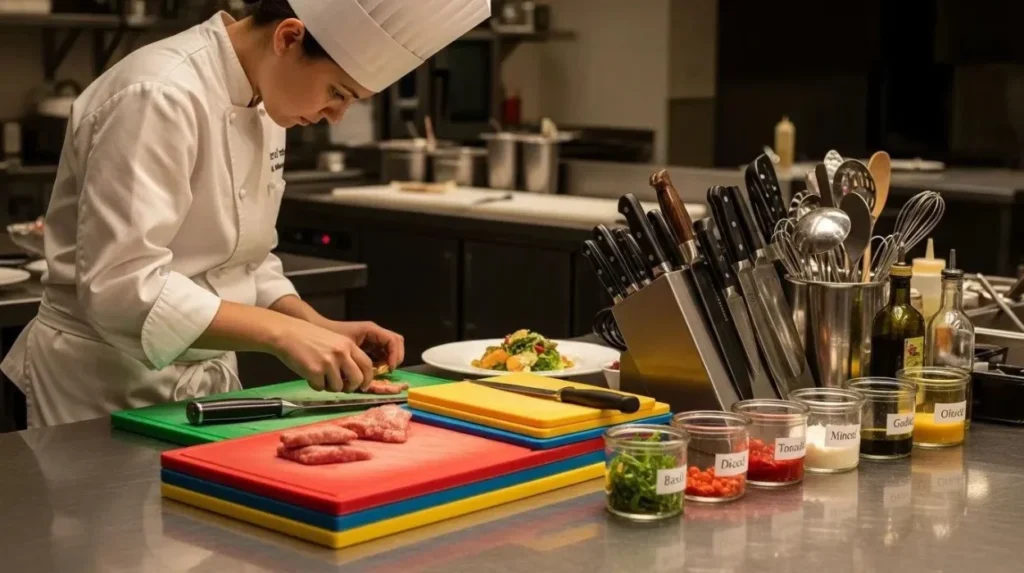
Cross-contamination occurs when an allergen transfers from one food, surface, utensil or preparation area to another. It creates risks for customers with food allergies because a dish prepared without an intentional allergen still becomes contaminated during kitchen operations.
Cross-contamination is an important consideration when eating in restaurants.
Commercial kitchens handle multiple ingredients simultaneously. Shared equipment, preparation surfaces and storage areas create opportunities for allergens to transfer between dishes.
What Are Common Sources of Cross-Contamination?
Several kitchen activities introduce cross-contamination risks.
Shared cooking equipment
Frying different foods in the same oil transfers ingredients between products.
For example, chips cooked in oil previously used for battered fish are not automatically suitable for someone with a fish allergy or a gluten-related requirement.
Preparation surfaces
Unclean chopping boards and worktops transfer food particles between ingredients.
Cooking utensils
Shared spoons, tongs, knives and spatulas introduce allergens into otherwise suitable meals.
Food storage
Open containers and poorly organised ingredient storage increase the risk of accidental contact.
Hands and gloves
Staff handling different ingredients without appropriate handwashing procedures transfer allergens between foods.
Why Is Cross-Contamination Important for People With Coeliac Disease?
Coeliac disease is an autoimmune condition triggered by gluten. It damages the small intestine when affected individuals consume gluten.
People with coeliac disease require a strict gluten-free diet.
A restaurant dish described as gluten-free is not automatically suitable if its preparation involves shared cooking oil, contaminated utensils or surfaces.
For example, gluten-free chips require appropriate frying arrangements when the same fryer also cooks battered products.
Coeliac UK recommends contacting restaurants in advance and checking their preparation procedures.
Its Gluten Free Accreditation scheme provides an additional source of information about venues that meet its gluten-free standards. The organisation reports more than 2,500 accredited venues across the UK on its main eating-out guidance page.
What Kitchen Procedures Help Reduce Allergen Risks?
Restaurants use several food handling procedures to reduce cross-contamination.
These include:
- Cleaning and sanitising preparation surfaces.
- Washing hands between food preparation tasks.
- Using separate utensils where necessary.
- Storing ingredients in clearly identified containers.
- Following documented allergen management procedures.
- Checking ingredient labels before preparing meals.
Customers should ask about these arrangements rather than assuming a restaurant’s allergen-free menu description guarantees safe preparation.
Which Headingley Restaurants and Food Businesses Should Customers Research for Allergen Information?
Headingley offers different dining formats, including independent cafés, traditional pubs, takeaway outlets and full-service restaurants. Customers should investigate each establishment’s current menu, ingredient information and food preparation procedures before deciding whether it meets their allergy requirements.
The neighbourhood’s dining options serve different occasions and dietary preferences.
Rather than relying on a restaurant’s general reputation, customers should evaluate its ability to provide accurate information about individual dishes.
What Should Customers Check at Independent Cafés?
Independent cafés commonly serve breakfast dishes, sandwiches, pastries, cakes, salads and hot drinks.
These products contain ingredients associated with several regulated allergens.
Customers with milk allergies should check alternative milk products, coffee syrups and shared preparation equipment.
People with nut allergies should ask about cakes, bakery products, toppings and display arrangements.
Customers ordering sandwiches should check bread ingredients, mayonnaise, fillings and preparation surfaces.
What Should Customers Check at International Restaurants?
International restaurants offer varied cooking styles and ingredient combinations.
Asian restaurants frequently use soya, peanuts, sesame, fish sauces and crustacean ingredients.
Indian restaurants use ingredients such as dairy products, nuts, mustard and gluten-containing flour.
Middle Eastern restaurants often serve sesame-based tahini, nuts and dairy-containing sauces.
Italian restaurants commonly use wheat, milk, eggs and seafood.
These examples describe common culinary ingredients rather than the allergen status of any specific Headingley restaurant.
Customers should request ingredient information for individual dishes.
What Should Customers Check at Pubs and Casual Dining Restaurants?
Pubs and casual dining establishments often serve burgers, chips, pies, sandwiches, grilled meals and desserts.
Customers should check:
- Burger buns and bread ingredients.
- Cheese and dairy-based sauces.
- Batter and breadcrumb coatings.
- Salad dressings.
- Gravy and stock ingredients.
- Dessert toppings and ice cream.
- Shared fryer arrangements.
A simple-looking dish still requires an ingredient check when a serious allergy is involved.
How Does Headingley Stadium Influence Dining Requirements?
Headingley Stadium is a major sporting venue in the neighbourhood. It hosts cricket and rugby league events, attracting visiting supporters and local spectators.
Event days increase demand for food and refreshments around the stadium.
Customers attending matches should research food availability before arriving. They should also contact relevant food outlets about allergen information and preparation arrangements.
Busy service periods make advance communication particularly important.
As you explore Headingley’s modern dining scene, you are also experiencing a neighbourhood shaped by generations of local development. Read the full [History of Headingley and Its Development as a Leeds Neighbourhood] to understand its origins and changing community character.
How Should Customers Communicate Food Allergies to Restaurant Staff?
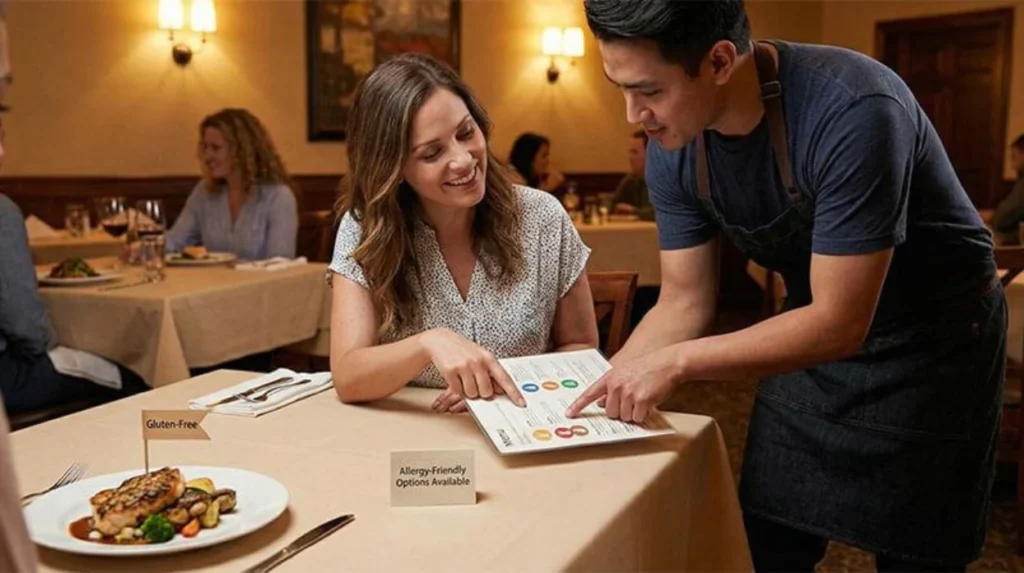
Customers should explain their allergies clearly when booking, repeat their requirements when arriving and confirm the ingredients and preparation methods before eating. Direct communication with a manager or chef helps reduce misunderstandings between customers and restaurant staff.
Accurate communication is essential for managing food allergies when dining away from home.
A restaurant employee needs to understand exactly which ingredient causes the customer’s reaction.
Simply asking for a dairy-free, nut-free or gluten-free meal does not always communicate the full requirement.
How Should Customers Explain a Food Allergy?
Customers should use direct language.
For example:
“I have a serious peanut allergy. Please check the ingredients and preparation methods with the chef before confirming my order.”
This statement identifies the allergen and explains why staff must verify the dish.
Customers should also explain whether cross-contact creates a risk for them.
For people with multiple allergies, listing each allergen helps staff check the complete requirement.
Why Should Customers Speak to a Manager or Chef?
Managers and chefs generally have access to more detailed ingredient and preparation information than general waiting staff.
They can check recipe specifications, supplier information and kitchen procedures.
A manager also helps communicate allergy requirements to the kitchen team.
Customers should not assume that a previous conversation automatically reaches the person preparing the food.
What Should Customers Confirm When Their Meal Arrives?
Before eating, customers should confirm that the delivered dish matches their order.
They should check that:
- The correct dish has arrived.
- Staff understand the allergy declaration.
- Any agreed substitutions have been followed.
- The meal has been prepared according to the restaurant’s confirmed arrangements.
If the dish appears different from what was agreed, customers should ask staff to investigate before eating.
The Food Standards Agency recommends avoiding a restaurant meal when there is doubt about whether staff understand the customer’s dietary requirements.
How Can Customers Check Allergen Information When Ordering Headingley Takeaways?
Takeaway customers must receive allergen information before purchasing food and when the order is delivered. They should check online menus, contact the business, communicate their allergy clearly and confirm that the delivered meal matches the agreed order.
Takeaway food provides convenient dining options for Headingley residents, students and visitors.
However, ordering through a website or delivery application introduces additional communication challenges.
Customers often communicate through written order notes rather than speaking directly to restaurant staff.
What Should Customers Check Before Ordering Online?
Before placing an order, customers should:
- Open the restaurant’s current menu.
- Check available allergen information.
- Identify suitable dishes.
- Contact the business to confirm preparation arrangements.
- Clearly communicate the allergy when ordering.
An online menu description alone does not establish whether a kitchen can prevent cross-contamination.
Why Are Delivery Notes Important?
Delivery notes help communicate additional dietary requirements.
However, customers should not rely exclusively on a short note in an ordering application.
A written allergy declaration does not guarantee that kitchen staff have received or understood the information.
Customers should contact the restaurant directly when an allergy requires specific preparation arrangements.
What Information Must Accompany Takeaway Food?
UK requirements state that takeaway businesses must provide allergen information before purchase and when the food is delivered.
The information can be provided in writing or verbally, depending on the arrangements.
Customers ordering meals for several people should also request clear identification of individual containers.
This reduces the risk of confusing meals with different dietary requirements.
How Can Tourists and Visitors Plan Allergy-Aware Dining in Headingley?
Tourists and visitors should research restaurants before travelling, save relevant allergen information and contact establishments before making bookings. Planning meals around confirmed ingredient and preparation information helps reduce uncertainty during visits to Headingley.
Visitors often have limited time to research dining options after arriving in Leeds.
Planning ahead provides greater control over restaurant selection and meal arrangements.
How Can Visitors Research Restaurants Before Travelling?
Visitors should use several reliable information sources.
Official restaurant websites provide menus and contact details.
Government food allergy guidance explains legal requirements.
Coeliac UK provides information about gluten-free dining and accredited venues.
Restaurant reviews provide useful information about customer experiences, although they do not replace direct allergen confirmation.
Visitors should prioritise information supplied by the restaurant itself.
How Can Families Manage Children’s Food Allergies?
Families should communicate children’s allergies when booking a table.
Parents and guardians should explain the child’s specific requirements to the manager and confirm whether the restaurant can accommodate them.
Children’s menus also require ingredient checks.
Common children’s meals, including burgers, chicken nuggets, pasta, ice cream and desserts, contain ingredients associated with regulated allergens.
Parents should not assume that a smaller portion or simplified dish is automatically safer.
What Should International Visitors Know About UK Allergen Labelling?
International visitors should familiarise themselves with the UK’s 14 regulated allergen categories.
Ingredient names and menu descriptions differ between countries.
For example, a customer familiar with a particular food’s local name should explain the ingredient itself when discussing an allergy with restaurant staff.
The UK allergen system provides a consistent framework for identifying regulated allergens across different food businesses.
What Should Customers Do If a Restaurant Cannot Confirm Allergen Information?
Customers should avoid ordering a dish when restaurant staff cannot establish whether it contains an allergen or has been exposed to cross-contamination. They should request further clarification, speak to a manager or choose another establishment.
Food allergy management depends on reliable information.
A restaurant’s inability to confirm ingredients does not establish that a dish is safe.
Customers should take particular care with complex recipes, unfamiliar ingredients and meals prepared during busy service periods.
When Should Customers Avoid a Particular Dish?
Customers should reconsider an order when:
- Staff cannot identify all ingredients.
- Recipe information is unavailable.
- Kitchen procedures do not address relevant cross-contamination risks.
- Employees provide conflicting allergen information.
- A supplier substitution has not been checked.
- Staff cannot confirm the agreed preparation arrangements.
Choosing a different dish does not automatically solve the problem. The alternative also requires appropriate ingredient and preparation checks.
What Should Customers Do During an Allergic Reaction?
A suspected severe allergic reaction requires immediate emergency assistance.
Anaphylaxis symptoms include breathing difficulties, swelling of the throat or tongue, dizziness and collapse.
Anyone experiencing suspected anaphylaxis should use their prescribed adrenaline auto-injector immediately, following their medical instructions, and call 999.
Emergency responders should be informed that anaphylaxis is suspected.
Customers with diagnosed food allergies should follow their individual allergy management plans and carry prescribed emergency medication.
Restaurant staff should also know how to respond to medical emergencies within their premises.
Explore More Area Guide
Headingley Guide to Traditional British Puddings and Desserts
Headingley Coffee Guide: Independent Roasters and Specialty Cafés in Leeds
How Can Restaurant Menu Information Improve Food Allergy Awareness in Headingley?
Clear restaurant menu information improves transparency, supports informed food choices and helps customers communicate dietary requirements. Consistent allergen management also strengthens customer confidence and encourages responsible food preparation throughout Headingley’s hospitality sector.
Accessible allergen information benefits customers and food businesses.
Customers receive clearer information about ingredients, while restaurants establish more consistent procedures for managing dietary requirements.
Why Is Accurate Online Menu Information Important?
Online menus allow customers to investigate food choices before travelling.
Restaurants that publish clear ingredient and allergen information make advance planning easier.
Businesses should update digital menus when recipes, suppliers or ingredients change.
Outdated information creates confusion and increases the likelihood of ordering mistakes.
How Can Restaurants Improve Allergen Communication?
Restaurants can improve customer communication through:
- Updated allergen information documents.
- Staff training on regulated allergens.
- Clear procedures for recording customer requirements.
- Consistent communication between front-of-house and kitchen staff.
- Ingredient checks following recipe changes.
- Accessible contact information for allergy enquiries.
These measures support effective food safety management.
What Is the Future of Allergen Information in Headingley?
Digital menus and improved food information systems are becoming increasingly important in hospitality.
Restaurants use online ordering platforms, electronic menus and digital booking systems to communicate with customers.
These systems provide opportunities to make allergen information easier to access.
However, technology does not replace accurate ingredient records or trained staff.
Direct communication remains essential when customers have serious food allergies or require specific kitchen preparation arrangements.
Headingley’s hospitality businesses benefit from maintaining accurate information across their menus, websites and ordering platforms.
Food allergies and restaurant menu information are important considerations when dining in Headingley. UK food information legislation requires businesses to communicate the presence of 14 regulated allergens, helping customers make informed decisions about their meals.
Diners should research restaurant menus, contact establishments before visiting and explain their dietary requirements clearly. Checking ingredients, cooking equipment and cross-contamination procedures is particularly important for people with serious food allergies and coeliac disease.
Headingley’s cafés, restaurants, pubs and takeaway businesses provide different dining experiences. However, customers should assess each establishment individually rather than assuming that a particular menu item is suitable.
For tourists, students, families and local residents, understanding allergen information makes restaurant research more effective. Accurate menus, trained staff and clear communication remain essential components of responsible dining throughout Headingley and the wider Leeds hospitality sector.
What are the 14 major food allergens restaurants must declare in the UK?
The 14 regulated allergens are celery, cereals containing gluten, crustaceans, eggs, fish, lupin, milk, molluscs, mustard, peanuts, sesame, soya, sulphur dioxide and sulphites, and tree nuts.