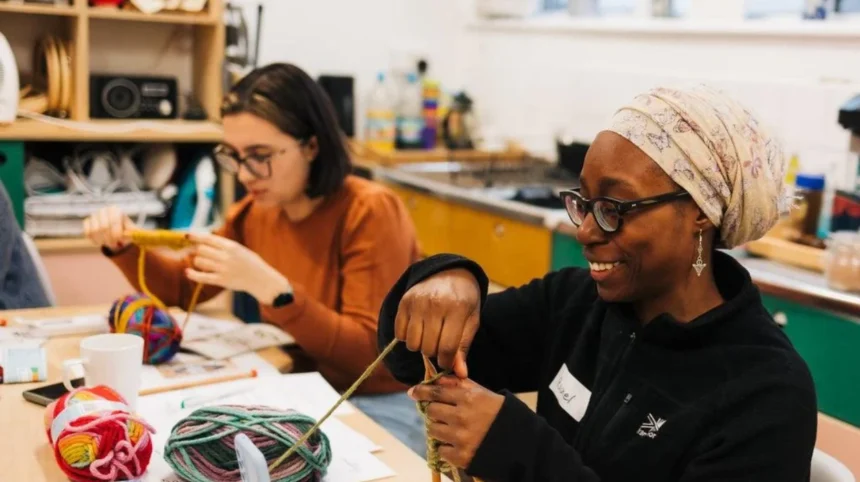
Headingley is a popular suburb in north-west Leeds, West Yorkshire, known for its independent businesses, student population, residential neighbourhoods and community activities. Craft groups and hobby-based communities offer opportunities for residents and visitors to develop practical skills, meet people and participate in local activities. These groups include knitting circles, sewing workshops, painting classes, pottery sessions, creative writing groups and other interest-based gatherings.
- What Are Craft Groups and Hobby-Based Communities in Headingley?
- Why Is Headingley a Suitable Place for Creative and Hobby-Based Activities?
- Which Craft Activities Can You Explore in Headingley?
- Which Textile Groups Suit Beginners?
- Where Can You Learn Painting and Drawing?
- How Can You Find Pottery and Jewellery Workshops?
- Where Can You Find Craft Groups and Community Activities in Headingley?
- How Do You Choose the Right Hobby Group in Headingley?
- What Should Beginners Look for in a Craft Group?
- What Should Experienced Hobbyists Consider?
- How Can You Assess the Social Atmosphere?
- Are There Free or Affordable Craft Groups in Headingley?
- How Can You Participate Without Buying Expensive Equipment?
- Where Can You Find Community-Funded Activities?
- How Can Visitors Join Hobby Groups During a Short Stay in Leeds?
- How Can You Combine a Craft Activity with Other Local Attractions?
- What Should International and Domestic Visitors Check?
- How Do Craft Communities Support Social Connection and Wellbeing?
- How Do Shared Hobbies Help People Build Local Connections?
- Can Hobby Groups Help New Residents Feel Part of Headingley?
- What Should You Know About Accessibility and Inclusive Participation?
- How Can You Start Your Own Craft Group in Headingley?
- What Is the Future of Craft Groups and Hobby-Based Communities in Headingley?
- Where Can You Find Reliable Information About Craft Activities in Leeds?
- How Can You Make the Most of Headingley’s Craft and Hobby Community?
For visitors, Headingley provides a useful starting point for exploring Leeds’ wider creative community. For residents, hobby groups create opportunities to learn new techniques, share knowledge and build relationships outside work or education. Many activities take place through community organisations, independent businesses, libraries, educational institutions and voluntary groups across the city.
Finding the right group requires understanding the difference between a structured workshop, a recurring social group and an informal community gathering. Each format serves a different purpose. Workshops generally focus on teaching a skill, while social groups prioritise regular participation and shared interests. Some communities combine both approaches.
This guide explains how to find craft groups and hobby-based communities in Headingley, which activities to explore, how to assess membership options and where to find reliable information about local sessions.
What Are Craft Groups and Hobby-Based Communities in Headingley?
Craft groups and hobby-based communities are organised or informal gatherings where people share creative interests, learn practical skills and participate in activities together. In Headingley and wider Leeds, these communities include textile circles, art workshops, pottery classes, book groups and other interest-based gatherings.
Craft groups bring together people who practise activities such as knitting, crochet, embroidery, sewing, jewellery making and paper crafts. Participants share techniques, discuss projects and develop practical abilities through regular sessions or occasional workshops.
Hobby-based communities cover a wider range of interests. They include painting clubs, photography groups, gardening societies, board-game gatherings, book clubs and creative writing circles. Some groups focus on a particular skill, while others prioritise social interaction and recreational participation.
Headingley is well suited to this type of activity because it combines residential streets, independent businesses, educational facilities and access to central Leeds. Its established student and residential communities create opportunities for activities that appeal to different age groups and experience levels.
Participation does not always require formal membership. Some organisers offer individual sessions, while others operate through subscriptions, term-based enrolment or volunteer-led arrangements. Checking the format before attending helps participants choose an activity that fits their schedule and budget.
How Do Craft Groups Differ from Hobby Clubs?
Craft groups concentrate on making or decorating physical objects. Examples include knitting garments, painting canvases, creating ceramic pieces and repairing clothing. Hobby clubs cover a broader range of leisure interests, including reading, photography, gardening and tabletop games.
The distinction is not absolute. A sewing group, for example, provides opportunities to learn textile techniques and socialise. A photography club combines technical instruction, creative experimentation and group outings.
Who Can Join These Communities?
Beginners, experienced makers, students, working professionals, retirees and visitors can all find suitable activities. Individual organisers determine age requirements, accessibility arrangements, skill prerequisites and membership conditions.
People who want to learn a new craft should look for beginner-friendly sessions with clear instructions. Experienced participants benefit from groups that encourage independent projects, technique sharing and collaborative work.
Visitors should prioritise drop-in workshops or one-off classes when their stay in Leeds is short. Residents seeking regular social contact should consider recurring groups with consistent meeting schedules.

Why Is Headingley a Suitable Place for Creative and Hobby-Based Activities?
Headingley combines residential neighbourhoods, independent businesses, educational institutions and transport connections that support community participation. Its location in north-west Leeds also provides access to creative organisations and leisure facilities across the wider city, giving hobby enthusiasts several ways to discover activities.
Headingley has a distinctive local identity shaped by its residential communities, student population and independent commercial areas. Otley Road forms a prominent local corridor, connecting shops, cafés, services and community destinations.
The area’s proximity to the University of Leeds and Leeds Beckett University’s Headingley campus strengthens its connections with education, cultural activity and student-led initiatives. These institutions also provide information about public events and organised activities, although individual clubs restrict participation according to their own rules.
Independent venues provide another route into creative communities. Workshops hosted by artists, makers and small businesses offer opportunities to learn specific techniques without committing to a long course. Community centres and voluntary organisations also provide potential meeting spaces for recurring groups.
Headingley’s location makes it practical to combine an activity with other leisure plans. Participants can explore local shops, visit cafés or walk through nearby residential areas before or after a session.
However, a venue’s presence in Headingley does not establish that it operates a particular craft group. Organisers change their programmes, schedules and booking arrangements. Prospective participants should verify current activities directly before travelling.
What Role Do Local Venues Play?
Community venues provide space for group meetings, practical instruction and social interaction. Examples include community halls, libraries, educational facilities and suitable independent business premises.
The suitability of a venue depends on the activity. Textile circles generally require seating, tables and adequate lighting. Pottery sessions need appropriate equipment and facilities for handling materials. Painting workshops benefit from washable work surfaces and storage for supplies.
Organisers also consider room capacity, insurance, safeguarding arrangements and accessibility. Participants should check whether the venue supplies materials, requires advance booking or charges an additional equipment fee.
How Does Headingley’s History Connect with Its Modern Community?
Headingley’s present-day community life developed within a neighbourhood shaped by changes in housing, education, transport and local commerce. Understanding this background provides context for the area’s modern residential and social character.
As you explore today’s creative community, you are engaging with a neighbourhood shaped by generations of change. Read the full [Headingley History and Heritage Guide] to understand how the area developed from its earlier settlement into a modern Leeds suburb.
Historical context is useful when exploring local identity, but it does not establish the existence of a particular present-day club. Current activity information still needs confirmation from the relevant organiser.
Which Craft Activities Can You Explore in Headingley?
Craft activities provide practical ways to develop creative skills and meet people with shared interests. Options worth investigating around Headingley and wider Leeds include knitting, crochet, sewing, embroidery, pottery, painting, jewellery making and paper crafts, with availability depending on current organisers and venues.
Textile crafts are a useful starting point for beginners. Knitting involves creating fabric from yarn using needles, while crochet uses a hook to form loops and stitches. Embroidery decorates fabric with thread, and sewing joins materials using hand stitches or a machine.
These activities suit different levels of experience. Beginners can practise basic stitches, while experienced participants work on garments, decorative pieces or more complex designs. Textile groups also provide opportunities to exchange patterns, troubleshoot projects and learn from other makers.
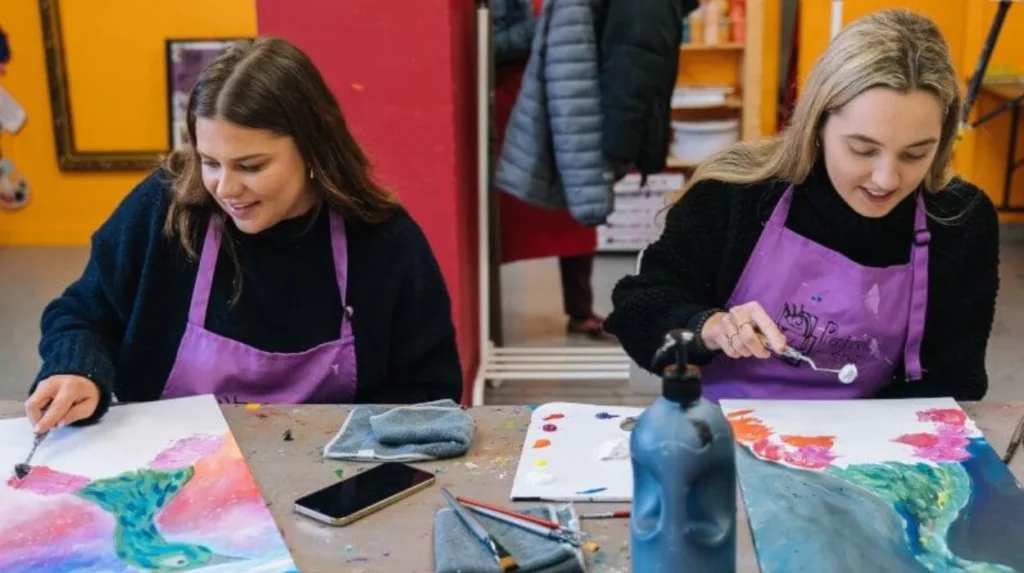
Painting and drawing groups offer another route into creative participation. Sessions range from introductory watercolour exercises to observational drawing and more advanced artistic practice. Participants should check whether a workshop supplies paper, paints and brushes or expects them to bring their own equipment.
Pottery and ceramics workshops introduce techniques such as hand-building, moulding and surface decoration. Some sessions include firing and glazing, while others focus on a single stage of the process. Participants should confirm what happens to finished pieces after the session.
Jewellery making and paper crafts offer further options. Jewellery workshops introduce materials and techniques for creating accessories, while paper crafts include card making, collage, origami and decorative paper design.
Which Textile Groups Suit Beginners?
Knitting, crochet and embroidery groups often provide accessible entry points because participants can begin with simple materials and gradually develop their technique. Examples include practising basic crochet stitches, learning to knit a scarf or completing a small embroidered design.
Before booking, ask whether the session welcomes complete beginners. Some groups expect participants to arrive with an existing project, while others provide demonstrations and guided exercises.
Material costs vary according to the project. Yarn, needles, hooks, fabric and embroidery thread are common supplies. A beginner workshop that includes a starter kit offers a straightforward way to assess an activity before buying specialist equipment.
Where Can You Learn Painting and Drawing?
Participants can investigate independent art workshops, community programmes, adult-learning courses and creative events across Leeds. These options vary in teaching style, class size and course length.
A guided painting session generally follows a defined project or technique. An informal art group often gives participants more freedom to work independently and share feedback.
People interested in developing their skills should check the tutor’s experience, the course outline and the materials included in the price. Those seeking social interaction rather than formal instruction should look for groups that encourage members to bring their own projects.
How Can You Find Pottery and Jewellery Workshops?
Search for introductory ceramics classes, hand-building workshops, jewellery-making sessions and short creative courses through established Leeds arts organisations and independent instructors.
Pottery workshops require particular attention to safety and facilities. Clay handling, glaze preparation and kiln firing involve equipment and processes that require appropriate instruction. Participants should follow the instructor’s safety guidance and confirm whether protective equipment is supplied.
Jewellery workshops also differ by technique. Beadwork requires different equipment from metalwork, and sessions involving heat or specialist tools need appropriate supervision.
Booking a short introductory workshop helps participants identify which materials and techniques interest them before enrolling in a longer course.
Where Can You Find Craft Groups and Community Activities in Headingley?
The most reliable way to find craft groups in Headingley is to check established community organisations, local event listings, educational institutions and workshop providers. Search both Headingley-specific opportunities and wider Leeds activities, then confirm meeting dates, costs, accessibility and booking arrangements with organisers.
Local groups do not always advertise through a dedicated website. Some use social media pages, community noticeboards, mailing lists or event platforms. Others recruit through existing members and word of mouth.
A broad search helps identify opportunities that use different names. A knitting circle, for example, may be advertised as a textile group, a stitch-and-chat session or a community craft gathering.
Useful starting points include the following organisations and resources:
- Leeds City Council: Check official information about libraries, community facilities, cultural activities and local services.
- Leeds Libraries: Explore library events and public programmes that support learning, reading and community participation.
- University of Leeds: Check public events and information about activities open to people outside the university.
- Leeds Beckett University: Review event listings and public-facing activities, checking eligibility requirements before booking.
- Independent creative businesses: Search for workshops in crafts such as pottery, drawing, sewing and jewellery making.
- Community organisations: Investigate neighbourhood groups, voluntary associations and local event announcements.
- Local event platforms: Search for individual workshops, creative meet-ups and one-off activities taking place in Headingley or nearby districts.
These are discovery routes rather than confirmation that a particular organisation currently runs a specific craft group in Headingley. Always check the latest programme and eligibility requirements.
How Can You Search Online Effectively?
Use specific searches that combine the activity, location and desired format. Examples include “Headingley knitting group”, “crochet classes in Leeds”, “Headingley art workshops”, “pottery classes near Headingley” and “Leeds community craft events”.
Add terms such as “beginner”, “weekly”, “drop-in”, “weekend” or “adult learning” to narrow the results. Search results that mention Headingley should still be checked for the actual venue address.
Event listings should identify the organiser, date, location, price and booking requirements. If these details are missing, contact the organiser before making travel arrangements.
How Can You Verify Whether a Group Is Active?
Look for recent event announcements, updated timetables and clear contact information. A current booking page or a recent announcement from the organiser provides stronger evidence of activity than an old directory entry.
Ask whether the next session is confirmed, whether spaces remain available and whether newcomers are welcome. For recurring groups, check whether attendance requires membership or advance registration.
This verification is particularly important for volunteer-led activities, which sometimes pause when organisers become unavailable or venues change.
How Do You Choose the Right Hobby Group in Headingley?
Choosing the right hobby group depends on your interests, experience, budget, availability and preferred level of social interaction. Compare session formats, teaching methods, costs, accessibility and group expectations before booking, particularly when you want a regular activity rather than a one-off creative experience.
A suitable group should match both your practical goals and your reasons for participating. Someone learning crochet from scratch needs a different environment from an experienced knitter seeking project feedback. Similarly, a visitor looking for a Saturday activity needs a different arrangement from a resident attending weekly sessions.
Start by identifying the outcome you want. You might want to learn a technique, finish a personal project, meet people locally or establish a regular leisure routine. This decision helps narrow the available options.
Next, review the format. Instructor-led workshops provide structured teaching and planned activities. Informal gatherings allow participants to work independently and exchange ideas. Membership-based clubs often offer continuity and opportunities to build stronger relationships over time.
Cost also matters. Some groups charge per session, while others require membership fees or payment for a course. Material costs, equipment hire and transport should form part of the overall budget.
What Should Beginners Look for in a Craft Group?
Beginners should prioritise clear instruction, suitable starter projects and a welcoming approach to questions. Examples include an introductory crochet workshop, a basic drawing class or a sewing session that teaches simple repairs.
Check whether the group supplies tools and materials. Some introductory classes include everything needed for the project, while other organisers expect participants to bring their own equipment.
Ask about class size and teaching support. Smaller groups often allow more direct contact with an instructor, although the quality of instruction depends on the individual provider.
A short introductory session offers a practical way to assess the teaching style and atmosphere before making a longer commitment.
What Should Experienced Hobbyists Consider?
Experienced participants often benefit from groups that support independent projects, advanced techniques and collaborative learning. Examples include an embroidery circle focused on complex stitching, a pottery workshop covering surface decoration or a photography group discussing composition.
Review the group’s typical skill level before attending. A beginner class can feel repetitive for an advanced participant, while a specialist group can be difficult to follow without the required experience.
Ask whether members receive demonstrations, structured feedback or access to shared equipment. These details help establish whether the group supports continued development.
How Can You Assess the Social Atmosphere?
A group description should explain whether sessions focus on instruction, independent work or conversation. Examples include a quiet drawing session, a social knitting circle and a structured pottery class.
Read recent participant feedback where available, but distinguish individual opinions from verifiable details. A review that mentions friendly members does not confirm current meeting times or membership arrangements.
Newcomers should ask whether they can attend a trial session. An introductory visit provides an opportunity to understand the group’s expectations, communication style and approach to welcoming new members.
Are There Free or Affordable Craft Groups in Headingley?
Affordable creative activities include informal craft meet-ups, library events, community workshops and selected introductory sessions. Costs vary by organiser, materials, venue and teaching requirements, so check current prices and included supplies before attending a group in Headingley or elsewhere in Leeds.
Not every hobby requires a paid course. Some activities use inexpensive materials and rely on participants sharing their knowledge. Knitting, crochet, drawing and paper crafts are examples of hobbies that can start with a modest collection of supplies.
Informal groups sometimes ask members to contribute towards room hire, refreshments or shared equipment. Other gatherings operate without a regular attendance charge. These arrangements depend on the organiser and venue.
Structured classes generally involve higher costs when they require specialist instructors, equipment or materials. Pottery workshops, for example, involve facilities and processes that increase operating expenses compared with a basic drawing session.
Participants should calculate the full cost rather than comparing ticket prices alone. Include travel, materials, equipment, refreshments and any membership fee.
How Can You Participate Without Buying Expensive Equipment?
Choose a beginner session that provides tools and materials. This arrangement allows you to try a craft before investing in equipment that you use infrequently.
For textile crafts, start with a simple project that requires a small amount of yarn or fabric. For drawing, basic pencils and paper provide a practical introduction. More specialist activities require guidance about suitable equipment and materials.
Ask organisers whether they lend tools or maintain shared supplies. Some workshops include equipment in the booking fee, while others offer materials for an additional charge.
Buying supplies gradually also helps control spending. Begin with the materials required for one project and expand your collection as your skills develop.
Where Can You Find Community-Funded Activities?
Community organisations, public libraries, educational institutions and voluntary groups sometimes offer free or subsidised learning opportunities. The availability of these activities depends on funding, staffing and local programmes.
Check official Leeds City Council and Leeds Libraries information for relevant public activities. Community organisations also advertise sessions through local noticeboards and event announcements.
Do not assume that every library or community venue operates a craft club. Verify the programme, eligibility requirements and booking details directly with the organisation.
How Can Visitors Join Hobby Groups During a Short Stay in Leeds?
Visitors can join local creative activities by choosing one-off workshops, bookable classes or drop-in sessions that welcome non-members. Check the venue’s location, session duration, equipment requirements and booking conditions before travelling, particularly when fitting a craft activity around a wider Leeds itinerary.
Short workshops suit visitors who want a practical experience without committing to a recurring programme. Examples include an introductory painting session, a pottery taster class or a guided jewellery-making workshop.
A drop-in event can offer greater flexibility, but the term does not guarantee that participants can arrive without booking. Some organisers use drop-in pricing while still requiring advance registration.
Visitors should confirm the full address because an event described as a Leeds workshop does not necessarily take place in Headingley. The wider city includes several neighbourhoods with different transport connections.
Check the session’s start time, expected finish and cancellation policy. Allow sufficient time to reach the venue and complete any registration requirements.
How Can You Combine a Craft Activity with Other Local Attractions?
Headingley offers opportunities to combine creative activities with independent shopping, cafés and walks through the neighbourhood. Otley Road provides a useful starting point for exploring local businesses and services.
Visitors can plan a creative session around a meal or a visit to another local destination. The exact itinerary depends on the workshop location and opening times.
For a wider cultural visit, central Leeds provides access to museums, galleries and other public attractions. Travel time between venues should be checked before booking activities at different ends of the city.
Avoid scheduling activities too closely together. Workshops sometimes require extra time for cleaning equipment, finishing projects or collecting completed items.
What Should International and Domestic Visitors Check?
Visitors should verify payment methods, booking policies and any age restrictions. International visitors should also check whether the organiser accepts the payment method they intend to use.
For activities involving finished objects, ask whether items are ready to take home on the day. Pottery pieces often require drying, firing or glazing before collection.
If the workshop includes materials, check whether the finished product is included in the advertised price. This avoids unexpected charges and helps visitors plan their spending.
How Do Craft Communities Support Social Connection and Wellbeing?
Craft communities create opportunities for social interaction, practical learning and shared achievement. Regular activities such as knitting, painting, sewing and pottery provide structured ways to spend time with others, practise creative skills and establish routines beyond work, study or travel.
A hobby group brings people together around a shared activity. This common purpose makes conversation easier because participants have an immediate topic to discuss and a task to work on together.
Recurring sessions also create opportunities to become familiar with other members. A weekly sewing group, for example, gives participants repeated opportunities to exchange advice, discuss projects and develop relationships.
Creative activities provide a practical focus for learning. Participants can observe techniques, ask questions and receive feedback from people with different levels of experience.
The benefits depend on the activity and individual circumstances. A hobby group does not replace professional healthcare or guarantee improvements in mental health, but it can contribute to a broader routine of social and recreational participation.
How Do Shared Hobbies Help People Build Local Connections?
Shared interests provide a reason for people with different backgrounds to meet. Examples include students joining a board-game club, residents attending a knitting circle and newcomers participating in an introductory art workshop.
Group activities encourage communication through practical tasks. Members exchange materials, explain techniques, discuss progress and help resolve problems.
Regular attendance provides continuity. Over time, participants become familiar with the group’s routines and communication channels.
These relationships remain dependent on individual participation and the group’s organisation. Not every attendee seeks close friendships, and some groups focus primarily on skill development rather than socialising.
Can Hobby Groups Help New Residents Feel Part of Headingley?
Hobby groups provide a structured way for new residents to meet people outside their workplace, university or immediate household. Examples include joining a local craft gathering, attending a community art class or volunteering at a creative event.
New residents can start with a single session to understand the group before committing to regular attendance. Asking about newcomer policies helps establish whether the activity welcomes people without existing connections.
Community noticeboards and official event listings are useful discovery tools. Participants should confirm that the group remains active and that its meetings are open to the public.
What Should You Know About Accessibility and Inclusive Participation?
Accessible hobby groups communicate practical arrangements clearly, including step-free entry, accessible toilets, seating, lighting, noise levels and available support. Participants should contact organisers about individual requirements before booking because accessibility varies between venues, activities and session formats.
Accessibility involves more than entering a building. A venue also needs to provide suitable facilities for the activity and its participants.
A textile workshop, for example, requires adequate lighting, comfortable seating and enough space to handle materials. A pottery session involves different physical requirements because participants handle clay and work with specialist equipment.
People with mobility requirements should ask about entrances, lifts, toilets and the distance between public transport stops and the venue. Those with sensory requirements can enquire about lighting, background noise, room layout and expected attendance.
Organisers should provide clear information about the session’s physical demands. Some activities require prolonged standing, fine motor movements or handling particular materials.
How Can Organisers Make Groups More Welcoming?
Organisers can publish clear descriptions, explain fees and materials, and state whether beginners are welcome. They can also provide advance information about venue access and the structure of each session.
A simple welcome process helps newcomers understand where to sit, which supplies to use and how to ask for assistance. Written instructions support participants who prefer to review information at their own pace.
Inclusive participation also requires respect for different experience levels. A group that welcomes beginners should allow questions and avoid assuming that every participant knows the same terminology.
Participants should contact organisers directly when they need specific adjustments. Clear communication helps establish what the venue can provide before a booking is made.
How Can You Start Your Own Craft Group in Headingley?
Starting a craft group involves identifying a shared interest, finding suitable participants, arranging an accessible venue and establishing a reliable meeting schedule. Examples include a monthly crochet circle, a beginner drawing group or a community sewing session built around practical skills.
You do not need to establish a formal organisation to begin a small hobby group. An informal gathering can start with a few people who share an interest and agree to meet regularly.
Begin by defining the group’s purpose. A project-based sewing group operates differently from a social knitting circle or an instructor-led art class. A clear purpose helps attract people with compatible expectations.
Next, choose a suitable meeting format. Monthly sessions suit people with limited availability, while weekly meetings support regular practice. Online coordination can help members arrange meetings, share updates and confirm attendance.
The next step is finding an appropriate venue. Community halls, suitable cafés, private meeting rooms and other bookable spaces provide potential options, subject to permission and the activity’s requirements.
What Practical Arrangements Should a New Group Establish?
A new group should establish its meeting schedule, contact method, attendance arrangements and basic expectations. Examples include a monthly meeting on a Saturday, a booking form for limited spaces or a shared list of materials.
Agree on how costs will be handled. Members should understand whether they pay for room hire, bring their own equipment or contribute towards shared supplies.
For activities involving tools, heat, chemicals or specialist equipment, establish suitable safety procedures. Pottery and jewellery making require more attention to equipment and materials than many basic paper crafts.
Groups that include children need appropriate safeguarding arrangements. Organisers should follow relevant venue policies and legal requirements, particularly when adults supervise children who are not their own.
How Can You Attract Local Participants?
Promote the group through community noticeboards, local event listings and relevant social media communities. Examples include advertising a beginner crochet session, sharing a drawing workshop announcement or inviting residents to a community craft afternoon.
Provide accurate information about the activity, meeting place, cost, skill level and booking process. Clear descriptions help prospective participants decide whether the group suits them.
Ask members to share announcements with people who have similar interests. Personal recommendations can help establish an initial group, although attendance and participation depend on individual circumstances.
Review attendance after the first few sessions. Feedback helps determine whether the meeting schedule, activity format and costs meet participants’ needs.
What Is the Future of Craft Groups and Hobby-Based Communities in Headingley?
Craft groups remain a practical format for community learning, creative participation and social interaction. In Headingley, their future depends on accessible venues, engaged organisers, sustainable costs and clear communication about activities, with digital listings helping residents and visitors discover suitable opportunities.
Community activities operate within a changing environment. Venue availability, household budgets, digital communication and residents’ schedules all influence participation.
Online platforms help organisers announce events and communicate changes. Participants can discover workshops, check availability and contact providers before attending. However, digital listings work best when organisers maintain accurate information and remove outdated announcements.
In-person activities retain practical advantages for crafts that involve shared equipment, demonstrations or hands-on instruction. A pottery class, sewing workshop or embroidery circle gives participants opportunities to observe techniques and ask questions directly.
Hybrid arrangements provide another option. A group can meet in person while using an online channel to share patterns, discuss projects and announce future sessions. The suitability of this format depends on members’ preferences and the nature of the activity.
How Can Local Groups Remain Sustainable?
Sustainable groups need a manageable cost structure, dependable meeting arrangements and clear responsibilities. Examples include sharing venue costs, collecting advance bookings and appointing volunteers to coordinate sessions.
Regular communication helps participants plan ahead. Organisers should announce changes to dates, prices and locations as soon as possible.
Groups also benefit from welcoming new members without losing their existing identity. Beginner sessions, occasional open meetings and clear joining instructions help people discover the activity before making a longer commitment.
The long-term success of a community depends on its participants and organisers. No single format suits every hobby, so groups should review their arrangements as attendance and members’ interests change.
Explore More Area Guiide
Photography Courses and Camera Workshops in Headingley, Leeds
Headingley Dance Classes for Beginners and Adults in Leeds
Where Can You Find Reliable Information About Craft Activities in Leeds?
Official council information, library programmes, university event listings and direct organiser announcements provide useful starting points for finding creative activities in Leeds. Cross-check dates, prices, addresses and participation requirements because third-party directories sometimes retain details of events that have already ended.
Reliable information helps residents and visitors avoid travelling to inactive groups or arriving without a required booking.
These resources provide general discovery routes rather than a verified directory of currently operating craft groups in Headingley. Contact individual providers to confirm their current programmes.
How Should You Evaluate Information from Event Listings?
Check the publication date, organiser identity, event location and booking details. A current listing should provide enough information to establish what the activity involves and how to attend.
Look for consistency between the event platform and the organiser’s official page. If the dates differ, contact the organiser before making a booking.
For recurring groups, ask whether the advertised schedule remains active. For one-off workshops, confirm that the event has not been cancelled and that spaces remain available.
This approach helps ensure that your chosen activity fits your plans, experience level and budget.
How Can You Make the Most of Headingley’s Craft and Hobby Community?
Making the most of Headingley’s hobby community starts with choosing an activity that matches your interests, checking current local opportunities and attending a suitable introductory session. Regular participation supports skill development, shared learning and opportunities to connect with people who enjoy similar activities.
Headingley offers a useful setting for exploring creative interests because it combines a residential community with independent businesses, educational institutions and access to the wider Leeds area.
The best starting point is a specific interest. Search for a crochet circle if you want to learn textile skills, investigate an art workshop if you enjoy drawing or painting, or explore pottery sessions if you want hands-on experience with clay.
Check the practical details before committing. Confirm the location, price, materials, accessibility arrangements and whether newcomers are welcome. A single introductory session provides an opportunity to assess the format before joining a recurring group.
Visitors can focus on one-off workshops that fit their itinerary. Residents can explore regular meetings that support continued practice and social interaction.
Craft groups and hobby-based communities provide more than opportunities to produce finished objects. They create settings where people exchange knowledge, practise skills and participate in local activities. By using reliable listings and contacting organisers directly, you can identify creative opportunities that suit your interests in Headingley and across Leeds.
What craft groups are available in Headingley, Leeds?
Craft groups to look for in Headingley include knitting circles, crochet groups, sewing workshops, embroidery sessions, painting classes and pottery workshops. Check local community listings and contact organisers to confirm current activities, dates and availability.