Headingley in Leeds offers several ways to buy fresh fruit, vegetables and seasonal food. Independent greengrocers, community farmers’ markets, wholefood shops and supermarkets serve different grocery needs. The area also benefits from its proximity to Leeds city centre, where established markets provide access to a wider range of fresh ingredients.
- Where Can You Buy Fresh Fruit and Vegetables in Headingley?
- What Is Headingley Farmers’ Market and When Does It Take Place?
- What Food Can You Find at Headingley Farmers’ Market?
- Why Is the Market Important to Local Food Shopping?
- Which Independent Food Shops in Headingley Sell Seasonal Ingredients?
- Which Fruit and Vegetables Are in Season in the UK?
- What Produce Is Available During Spring?
- What Produce Is Available During Summer?
- What Produce Is Available During Autumn?
- What Produce Is Available During Winter?
- How Can Shoppers Identify Locally Grown Produce in Headingley?
- How Does Seasonal Food Shopping Support Sustainable Eating?
- Where Can You Find More Fresh Food Markets Near Headingley?
- How Can Visitors Plan a Fresh Produce Shopping Trip in Headingley?
- Plan Around the Monthly Market
- Make a Seasonal Shopping List
- Combine Independent Shops
- Check Opening Times Before Travelling
- How Has Headingley’s Food Shopping Heritage Shaped Its Modern Produce Scene?
- What Should Shoppers Consider When Buying Fresh Produce?
- Check the Quality of Fruit and Vegetables
- Buy According to Household Requirements
- Understand Storage Requirements
- Ask About Organic Produce
- How Does Fresh Produce Shopping Benefit Headingley’s Local Community?
- What Is the Future of Seasonal Food Shopping in Headingley?
Fresh produce shopping in Headingley gives residents, students, tourists and visitors access to everyday ingredients alongside specialist and locally sourced food. North Lane is an important starting point because it brings together independent food retailers, including The Headingley Greengrocer and Natural Food Store. The monthly Headingley Farmers’ Market adds another option for shoppers interested in food supplied directly by producers.
Understanding seasonal food availability helps shoppers identify British-grown ingredients at different times of the year. It also supports better meal planning, informed purchasing and reduced food waste. From Yorkshire vegetables in autumn to British strawberries in summer, seasonal shopping connects everyday food choices with the agricultural calendar.
Where Can You Buy Fresh Fruit and Vegetables in Headingley?
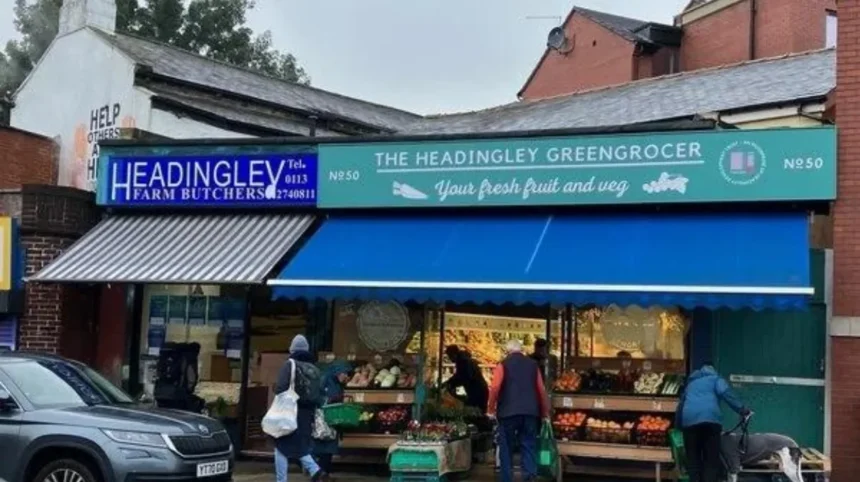
Headingley offers fresh fruit and vegetables through independent greengrocers, farmers’ markets, wholefood retailers and supermarkets. North Lane is a useful starting point, with The Headingley Greengrocer providing a dedicated option for everyday produce shopping.
Independent food shops and local produce retailers
The main concentration of independent food shopping in Headingley is around North Lane. This shopping area serves residents, university students, visitors and households looking for alternatives to large supermarkets.
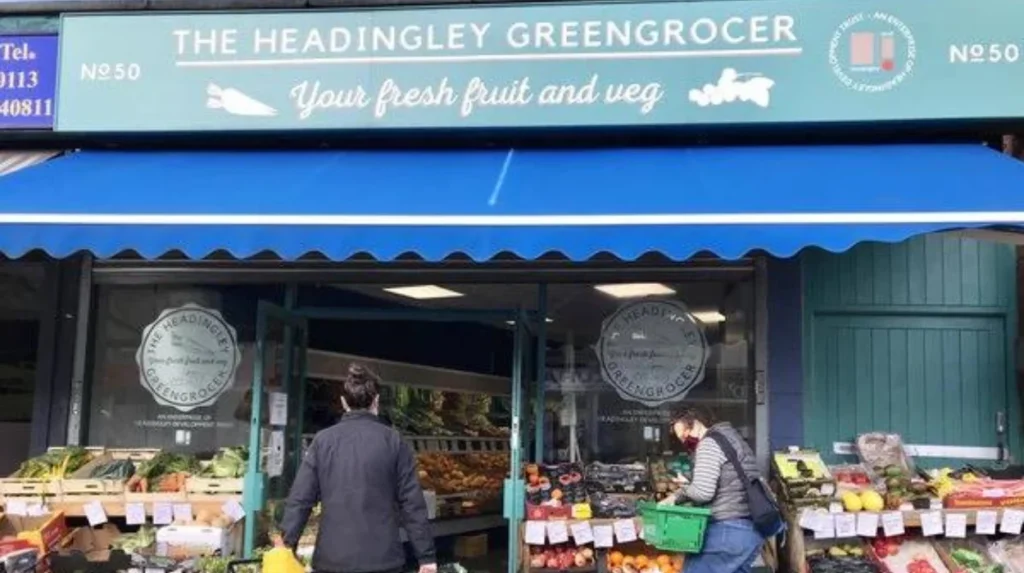
The Headingley Greengrocer, at 50 North Lane, LS6 3HU, is a dedicated fruit and vegetable retailer. It is a community-owned independent business associated with Headingley Development Trust. Its position makes it convenient for shoppers visiting other local businesses.
The shop provides an option for buying fresh ingredients without travelling into Leeds city centre. Shoppers can use an independent greengrocer for everyday fruit and vegetables and ask about the availability of seasonal produce.
Another relevant retailer is the Natural Food Store at 23 North Lane, LS6 3HW. It specialises in wholefoods and natural grocery products. Its range complements a fresh-produce shopping trip by providing additional ingredients for vegetarian cooking, plant-based meals and everyday food preparation.
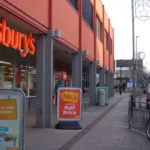
Supermarkets also serve the area. Sainsbury’s at Headingley Central on Otley Road provides a convenient option for shoppers combining fresh produce with packaged groceries and household essentials.
These retailers serve different purposes. Greengrocers concentrate on fruit and vegetables, wholefood shops offer specialist grocery ingredients, and supermarkets provide broader household shopping.
For visitors staying in Headingley, North Lane is a practical location to begin exploring local food shops.
What Is Headingley Farmers’ Market and When Does It Take Place?
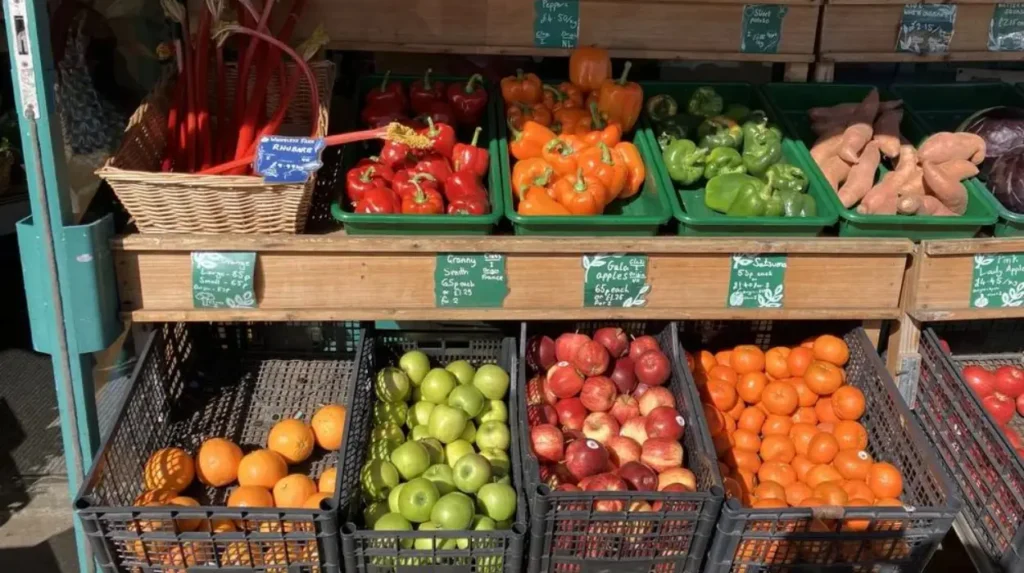
Headingley Farmers’ Market is a monthly community food market held at the Rose Garden on North Lane. It takes place on the second Saturday of each month, with local producers selling seasonal vegetables, fruit, baked goods and other food products.
Headingley Farmers’ Market is one of the area’s established destinations for seasonal food shopping. It provides a direct connection between food producers and customers.
The market operates at the Rose Garden, North Lane, Headingley, LS6 3JJ. Leeds Markets lists its regular schedule as the second Saturday of each month, from 9.30am to 12.30pm.
The market was launched in 2006 by Headingley Development Trust. Its creation followed the loss of several fresh-food shops in the neighbourhood. The project aimed to improve local access to quality food and support independent producers.
The market has more than 20 food stalls according to Headingley Development Trust. Its stated sourcing approach focuses largely on producers within approximately 30 miles of Leeds.
What Food Can You Find at Headingley Farmers’ Market?
The market features different food categories depending on the participating traders and the season.
Examples include:
- Fresh vegetables such as carrots, potatoes and seasonal greens.
- Seasonal fruit such as berries, apples and pears.
- Locally produced meat, including lamb, pork and beef.
- Specialist cheeses and dairy products.
- Fresh bread, cakes and handmade baked goods.
- Jams, chutneys and other preserved foods.
- Seasonal food products from independent producers.
The selection changes according to availability and participating traders. Visitors should not assume that every product appears at every monthly market.
Why Is the Market Important to Local Food Shopping?
The farmers’ market creates an additional shopping channel beyond conventional supermarkets. Customers can speak directly with producers, ask about growing methods and learn where ingredients originate.
Direct interaction also helps shoppers understand the difference between locally produced food, British-grown produce and imported ingredients.
The market supports community activity alongside food retail. Headingley Development Trust describes it as a community meeting place with local music and activities for children. Headingley Development Trust
Visitors should check the organiser’s latest announcements before travelling because individual market dates and trader attendance can change.
Which Independent Food Shops in Headingley Sell Seasonal Ingredients?
Independent food retailers in Headingley provide alternatives to supermarket shopping. The Headingley Greengrocer, Natural Food Store and local specialist food businesses serve different requirements, from fresh vegetables and fruit to wholefoods, cooking ingredients and specialist groceries.
Headingley’s independent food shops are particularly concentrated around North Lane. This area allows shoppers to combine several food purchases during one visit.
The Headingley Greengrocer
The The Headingley Greengrocer is located at 50 North Lane, Headingley, LS6 3HU.
It is an independent, community-owned greengrocer specialising in fruit and vegetables. The shop is relevant to customers looking for fresh produce, seasonal ingredients and an alternative to supermarket grocery shopping.
Shoppers can ask about the origin of individual products, current seasonal availability and the selection of locally sourced ingredients.
The business also has an online shopping presence. Customers should check its website for current ordering, collection and delivery arrangements.
Natural Food Store
The Natural Food Store at 23 North Lane, Headingley, LS6 3HW, provides wholefood and specialist grocery products.
Wholefoods are minimally processed or less-refined ingredients, such as grains, pulses, nuts and seeds. These products form part of many vegetarian, vegan and balanced household diets.
The store complements the neighbouring greengrocer by offering ingredients used alongside fresh vegetables and fruit.
Examples include lentils for vegetable curries, oats for breakfast, nuts for snacks and grains for salads.
International and Specialist Groceries
Headingley and neighbouring Leeds districts also have international food retailers. These shops are useful for ingredients that do not always appear in standard British supermarket ranges.
Examples include specialist herbs, spices, vegetables and ingredients used in South Asian, East Asian, African and Caribbean cooking.
Shoppers interested in less familiar produce should check specialist grocery retailers in the wider Leeds area. Availability varies between shops and seasons.
Which Fruit and Vegetables Are in Season in the UK?
Seasonal produce refers to fruit and vegetables harvested during their natural growing periods. In the UK, spring brings asparagus and rhubarb, summer brings strawberries and peas, autumn brings apples and pumpkins, and winter brings kale and root vegetables.
Seasonality is an important consideration when buying fresh food in Headingley. British agriculture follows an annual growing cycle influenced by temperature, daylight, rainfall and harvesting conditions.
Buying seasonal ingredients helps shoppers understand which foods are naturally available from British farms at different times of the year.
The British Dietetic Association provides a seasonal fruit and vegetable guide based on information from the Vegetarian Society. Its calendar identifies the produce commonly available during each month. BDA
What Produce Is Available During Spring?
Spring in the UK generally covers March, April and May.
The season introduces fresh green vegetables and early fruit.
Examples include:
- March: rhubarb, purple sprouting broccoli, radishes and spring greens.
- April: asparagus, spinach, watercress, new potatoes and rhubarb.
- May: strawberries, peas, asparagus, lettuce and broad beans.
Spring ingredients are suitable for salads, vegetable soups and lighter meals.
Rhubarb is particularly associated with British spring cooking. It is commonly used in crumbles, pies and stewed fruit dishes.
What Produce Is Available During Summer?
Summer generally covers June, July and August.
British fruit and vegetable availability expands during these months. Warmer temperatures support the growth and harvesting of soft fruit, beans and summer vegetables.
Examples include:
- June: strawberries, cherries, gooseberries, raspberries and asparagus.
- July: blackberries, blueberries, courgettes, tomatoes and new potatoes.
- August: plums, damsons, sweetcorn, runner beans and summer squash.
Summer is an important season for British berries. Strawberries, raspberries and blackcurrants provide ingredients for desserts, breakfast dishes and fresh fruit snacks.
Tomatoes, courgettes and cucumbers also become prominent ingredients in summer cooking.
What Produce Is Available During Autumn?
Autumn generally covers September, October and November.
The season introduces a wider selection of British orchard fruit, root vegetables and winter vegetables.
Examples include:
- September: apples, pears, blackberries, beetroot and sweetcorn.
- October: pumpkins, squash, leeks, carrots and wild mushrooms.
- November: Brussels sprouts, parsnips, kale, celeriac and apples.
Autumn is associated with the harvesting of apples and pears in British orchards.
Root vegetables become particularly useful for soups, roasts and warming meals. Pumpkins and winter squash are also widely used in seasonal recipes.
What Produce Is Available During Winter?
Winter generally covers December, January and February.
British winter produce includes vegetables that tolerate cooler growing conditions and crops harvested earlier and stored appropriately.
Examples include:
- December: Brussels sprouts, carrots, parsnips and red cabbage.
- January: kale, leeks, swedes, celeriac and winter squash.
- February: purple sprouting broccoli, cabbage, carrots and spring greens.
Winter vegetables are suitable for roasted dishes, casseroles, soups and traditional British meals.
Seasonal availability is not identical every year. Weather, growing conditions, storage and regional production affect what appears in shops.
How Can Shoppers Identify Locally Grown Produce in Headingley?
Shoppers can identify locally grown produce by checking country-of-origin labels, asking retailers about suppliers and looking for information from farmers at markets. Local produce describes food grown or produced within a defined geographical area, rather than all food sold by an independent shop.
Local sourcing is an important part of seasonal food shopping. However, a local retailer does not automatically sell locally grown products.
A greengrocer in Headingley can stock Yorkshire vegetables, British orchard fruit and imported tropical produce in the same shop.
Understanding the distinction helps shoppers make informed purchasing decisions.
Check Country-of-Origin Information
Fresh fruit and vegetables sold in the UK carry origin information according to applicable food labelling requirements.
Country-of-origin details identify where the product was grown or harvested. This information helps customers distinguish British-grown ingredients from imported alternatives.
For loose produce, check the display information or ask the retailer.
Ask About the Supplier
Independent retailers often have direct knowledge of their suppliers.
Useful questions include:
- Was this vegetable grown in Yorkshire?
- Is this fruit from a British farm?
- When was this produce harvested?
- Is this product available throughout the year?
- Does the market trader produce the food themselves?
These questions establish the origin and supply chain of individual products.
Understand Local and Seasonal Differences
Local food and seasonal food are related but different concepts.
Local food describes geographical origin. Seasonal food describes the time of year when an ingredient is naturally harvested.
For example, British apples are both locally produced and seasonal during the autumn harvest. Imported citrus fruit, however, follows a different growing calendar.
Headingley Farmers’ Market offers a useful setting for learning about these differences because shoppers can speak directly with participating producers.
How Does Seasonal Food Shopping Support Sustainable Eating?
Seasonal food shopping connects purchasing decisions with natural harvest cycles. Choosing British-grown ingredients when they are in season supports awareness of food origins, encourages varied diets and helps shoppers plan meals around available produce instead of relying on the same ingredients throughout the year.
Seasonal shopping forms part of a broader approach to sustainable eating.
Sustainable eating considers how food is grown, transported, packaged, purchased and consumed. It includes environmental, economic and nutritional considerations.
Reducing Unnecessary Food Waste
Fresh produce requires appropriate storage and planning.
Buying quantities that match household requirements helps prevent unused ingredients from spoiling.
Examples include purchasing smaller quantities of leafy vegetables, planning meals around ripe fruit and using leftover root vegetables in soups.
Shoppers should also understand the difference between best-before and use-by dates.
Best-before dates primarily concern food quality. Use-by dates relate to safety and should be followed for foods carrying them.
Understanding Food Miles
Food miles describe the distance food travels between production and consumption.
Transport is one factor in the environmental impact of food. Production methods, storage, refrigeration, packaging and transport type also influence the overall footprint.
Locally produced food does not automatically have a lower environmental impact in every situation. Seasonal outdoor-grown produce and efficient distribution are relevant considerations.
Headingley Farmers’ Market provides an opportunity to purchase from producers who largely operate within approximately 30 miles of Leeds.
Supporting Independent Producers
Shopping at independent greengrocers and farmers’ markets supports smaller food businesses.
The local food economy includes growers, producers, retailers and market organisers. Spending within these businesses contributes to the commercial activity of the surrounding community.
Headingley Development Trust’s involvement in the farmers’ market demonstrates how community organisations support access to independent food retail.
Where Can You Find More Fresh Food Markets Near Headingley?
Headingley has its own monthly farmers’ market, while Leeds city centre and nearby districts provide additional food-shopping destinations. Kirkgate Market is a major alternative, with dedicated fresh-produce traders, specialist ingredients and independent food businesses.
Shoppers looking for a wider selection can travel beyond Headingley to explore other Leeds food markets.
Leeds Kirkgate Market
Leeds Kirkgate Market is located in Leeds city centre at LS2 7HY.
The market was established in 1857 and is one of the city’s most recognisable historic shopping destinations. It contains independent businesses selling fresh food, groceries and other retail products.
Its official trader directory lists several fresh-produce businesses, including:
- Green Zone, selling fruit and vegetables.
- Kurdistan, selling fruit and vegetables.
- Neils Continental, selling fruit and vegetables.
- Tony Banks, selling fresh produce.
- Dale Farm Foods.
- D.A.D Fruits and Exotics.
These businesses offer a wider range of produce-shopping options than a single neighbourhood greengrocer.
The market’s opening schedule is generally Monday to Saturday, with official information listing different morning opening times across the week. Check the Leeds Markets website before visiting, particularly around bank holidays. Leeds Markets
Farsley Farmers’ Market
Farsley Farmers’ Market provides another option for shoppers interested in regional food producers.
It takes place on the fourth Saturday of each month, except August, at St John’s Hall and Grounds in Farsley.
The market is part of Leeds Markets’ wider programme of community food markets. Leeds Markets
Horsforth Farmers’ Market
Horsforth Farmers’ Market takes place on the first Saturday of each month at St Margaret’s Primary School, Town Street.
Its schedule provides another opportunity to explore seasonal produce and food from independent traders in the wider Leeds area. Leeds Markets
These markets offer alternatives for shoppers who want to compare local food selections and explore different neighbourhoods.
How Can Visitors Plan a Fresh Produce Shopping Trip in Headingley?
Visitors can plan a fresh-produce shopping trip by starting on North Lane, checking the farmers’ market calendar and identifying the ingredients they need. A planned visit helps combine independent food shopping, seasonal discoveries and everyday grocery purchases within one neighbourhood.
Headingley is accessible for visitors staying in Leeds, including tourists, university visitors and domestic business travellers.
North Lane is a useful starting point because it brings together independent food retailers within a relatively compact shopping area.
Plan Around the Monthly Market
Visitors interested in local producers should check whether their trip coincides with the second Saturday of the month.
Headingley Farmers’ Market operates during the morning, making it suitable for combining food shopping with other local activities.
Arriving during the published trading period gives visitors time to browse stalls and speak with producers.
Make a Seasonal Shopping List
A seasonal shopping list helps visitors identify relevant ingredients before arriving.
For example, a November shopping list can include:
- Apples and pears.
- Carrots and parsnips.
- Kale and Brussels sprouts.
- Leeks and cabbage.
- Swede and winter squash.
These ingredients reflect typical British November availability according to the seasonal produce calendar. BDA
Combine Independent Shops
A practical North Lane shopping trip can include The Headingley Greengrocer and Natural Food Store.
Visitors can purchase fruit and vegetables before collecting additional ingredients such as grains, nuts and pulses.
This approach is particularly useful for visitors staying in self-catering accommodation.
Check Opening Times Before Travelling
Independent businesses operate different opening schedules.
The farmers’ market takes place once a month, while individual shops follow their own trading hours.
Visitors should check official retailer websites or contact businesses directly before making a dedicated journey.
How Has Headingley’s Food Shopping Heritage Shaped Its Modern Produce Scene?
Headingley’s modern fresh-food shopping reflects the development of independent retail, community ownership and local food initiatives. The farmers’ market, established in 2006, strengthened access to independent producers after the neighbourhood experienced the loss of several fresh-food shops.
Headingley’s food-shopping identity is connected to its wider commercial and community history.
North Lane has long served as an important local shopping street. Independent businesses provide neighbourhood services, while community organisations help maintain access to specialist retail.
The launch of Headingley Farmers’ Market in 2006 represented a community response to changes in the availability of fresh-food shops.
The initiative established a recurring place for producers and shoppers to meet. It also created a direct retail channel for regional food businesses.
Community ownership is another important part of the area’s modern food-shopping identity. The Headingley Greengrocer is associated with Headingley Development Trust, demonstrating how community involvement supports independent retail.
This connection between the past and present helps explain why fresh-food shopping remains relevant to Headingley’s neighbourhood character.
As you explore modern North Lane, you are also encountering a shopping district shaped by generations of local commerce. Discover the [history of Headingley’s historic shops and commercial streets] to understand the origins of its neighbourhood retail identity.
The area’s food-shopping future remains connected to independent businesses, changing consumer preferences and interest in locally sourced ingredients.
What Should Shoppers Consider When Buying Fresh Produce?
Fresh produce shopping requires attention to quality, origin, seasonality, storage and household requirements. Comparing these factors helps customers select suitable ingredients, reduce unnecessary waste and make informed decisions when shopping at greengrocers, farmers’ markets and supermarkets.
Freshness is not determined by appearance alone. Different fruit and vegetables have different characteristics, storage requirements and expected shelf lives.
Check the Quality of Fruit and Vegetables
Shoppers should examine produce before purchasing it.
For example:
- Apples should feel firm and show no significant signs of decay.
- Leafy vegetables should have a fresh appearance rather than extensive wilting.
- Carrots should feel firm rather than excessively soft.
- Potatoes should be free from extensive green patches and significant deterioration.
- Berries should show no obvious mould or leaking.
Different varieties have different natural colours and textures. A slightly irregular shape does not automatically indicate poor quality.
Buy According to Household Requirements
Buying large quantities of perishable food without a storage or meal plan increases the risk of waste.
Small households benefit from purchasing quantities that match their consumption patterns.
Families can plan larger purchases around meals that use several ingredients, such as vegetable soups, stews and roasted vegetable dishes.
Understand Storage Requirements
Different ingredients require different storage conditions.
Examples include:
- Leafy vegetables generally benefit from refrigeration.
- Root vegetables require cool, suitable storage conditions.
- Bananas are generally stored at room temperature.
- Potatoes should be kept in a cool, dark place.
- Berries benefit from refrigeration and careful handling.
Follow food-label instructions and recognised food-safety guidance when storing fresh products.
Ask About Organic Produce
Organic food is produced under regulated standards governing farming and processing.
In Great Britain, organic certification is overseen through approved control bodies operating under the relevant organic regulations.
Organic and conventional produce are separate categories. Organic certification does not mean that a product is automatically locally grown or harvested in the current season.
Customers interested in organic ingredients should check the certification information and country of origin.
Explore More Area Guide
Headingley Supermarkets and Grocery Shopping Guide
Headingley, Leeds: Local Convenience Stores and Everyday Essentials
How Does Fresh Produce Shopping Benefit Headingley’s Local Community?
Fresh produce shopping contributes to Headingley’s local economy by supporting independent retailers, market traders and regional producers. Regular spending at neighbourhood food businesses helps maintain commercial activity, improves access to specialist ingredients and strengthens connections between customers and local food suppliers.
Independent food businesses form part of Headingley’s wider neighbourhood economy.
The presence of greengrocers, wholefood shops and community markets gives shoppers different purchasing options. These businesses also create opportunities for customers to learn about food origins and preparation.
Supporting Local Businesses
Independent retailers contribute to the diversity of local shopping streets.
The Headingley Greengrocer provides a specialist fruit and vegetable service, while the Natural Food Store supplies complementary grocery products.
The farmers’ market extends this network by bringing producers into the neighbourhood on a regular basis.
Improving Access to Food Choices
Different retailers provide different levels of choice.
A greengrocer offers a dedicated produce-shopping experience. A supermarket combines fruit and vegetables with wider household essentials. A farmers’ market connects customers with participating producers.
Having these options within the wider Headingley area makes fresh-food shopping more accessible to different household types.
Encouraging Food Awareness
Direct conversations with traders help shoppers understand seasonal availability, food origin and preparation.
Children and families also benefit from learning how food is grown and harvested.
Community markets provide a practical setting for this type of food education.
What Is the Future of Seasonal Food Shopping in Headingley?
Seasonal food shopping in Headingley is connected to the continued activity of independent retailers, community markets and changing consumer interest in food provenance. Access to regional producers, transparent sourcing and better food-waste management remain important parts of the local food-shopping landscape.
Food shopping habits continue to develop as customers pay greater attention to ingredients, prices, convenience and environmental considerations.
Independent greengrocers provide specialist neighbourhood services. Farmers’ markets maintain connections with regional producers. Wholefood retailers support customers looking for specialist ingredients and alternative grocery products.
Digital ordering also changes how people purchase fresh food. Online shops, collection arrangements and home-delivery services provide additional access for customers with limited time or mobility.
However, direct shopping remains valuable for customers who want to examine produce, compare varieties and speak with retailers.
Headingley’s established community food initiatives provide a foundation for continued interest in independent food shopping.
For residents, visitors and students, the area offers practical opportunities to explore seasonal ingredients and understand the relationship between food production and everyday purchasing.
Where can I buy fresh fruit and vegetables in Headingley?
You can buy fresh fruit and vegetables at The Headingley Greengrocer on North Lane. Other options include supermarkets and independent food retailers around Headingley.