Key Points
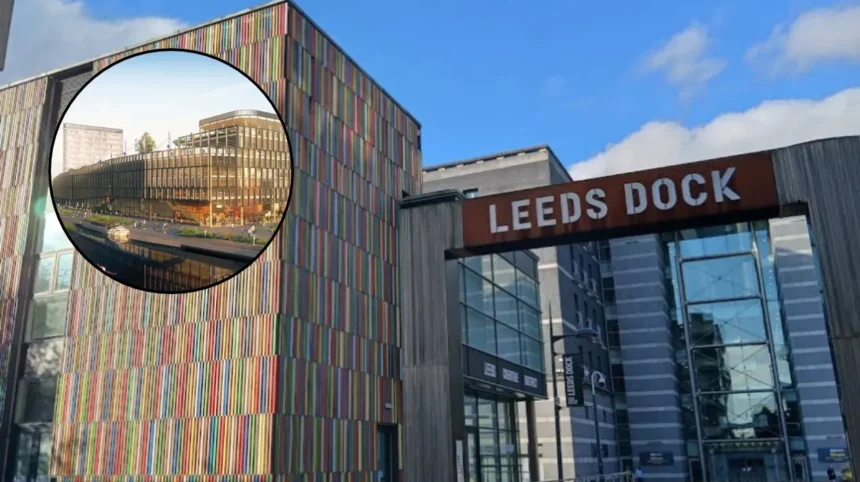
- Architectural Appointment: The Royal Armouries museum in Leeds has formally selected the architecture and design practice BDP to lead the upcoming design and planning stages of its major £100 million waterfront expansion.
- Scope of Development: The Waterfront Development project is set to introduce a range of new facilities at the Leeds Dock venue, including spaces dedicated to conferencing, cultural activities, events, hospitality, and leisure.
- Procurement Process: BDP secured the contract via a competitive tender process that featured several prominent UK architectural firms, following its prior involvement in the project’s preliminary masterplanning stage.
- Land Acquisition Context: The announcement follows the museum’s strategic acquisition of its operational land at Leeds Dock last year for £11.69 million.
- Economic Impact: Regional stakeholders anticipate that the multi-million-pound capital project will unlock substantial new economic, tourism, and commercial opportunities across West Yorkshire.
LEEDS (The Leeds Times) November 3, 2026 — The Royal Armouries national museum of arms and armour has selected the architectural and design practice BDP to lead the design phase of a major £100 million expansion at its Leeds Dock waterfront estate.As detailed in coverage by media sources, the major development project will deliver a wide array of new facilities, including purpose-built conferencing venues, expanded cultural spaces, event areas, hospitality offerings, and leisure amenities at the flagship dockside location.
- Key Points
- Who Has Been Appointed to Lead the Royal Armouries £100m Leeds Expansion?
- What Facilities Are Included in the Proposed Waterfront Development Scheme?
- What Economic Opportunities Will the Expansion Bring to the Region?
- Background of the Particular Development
- Prediction: How This Development Can Affect the Local Community, Business Sector, and Cultural Tourism
As reported by architectural journalists covering the tender outcome, BDP was appointed following a rigorous competitive selection process that featured entries from a range of leading architecture firms across the United Kingdom.
Who Has Been Appointed to Lead the Royal Armouries £100m Leeds Expansion?
The selection of Building Design Partnership (BDP) marks a pivotal progression in the Royal Armouries’ long-term capital investments in Yorkshire. BDP previously conducted the initial masterplanning work for the site, providing the firm with foundational context regarding the structural, spatial, and heritage requirements of the museum’s dockside estate.
Under the terms of the newly awarded design mandate, BDP will take forward the detailed architecture, environmental integration, and structural planning for the £100 million Waterfront Development. The practice will focus on creating modern infrastructure capable of supporting high-capacity public, commercial, and cultural activities while complementing the surrounding maritime architecture of Leeds Dock.
What Facilities Are Included in the Proposed Waterfront Development Scheme?
The £100 million investment aims to transform the current layout of the museum’s footprint into a multi-use cultural and commercial hub. Key additions outlined within the expansion scope include:
- Conferencing and Corporate Facilities: Dedicated spaces designed to accommodate international and regional business conferences, corporate functions, and industry summits.
- Cultural and Exhibition Spaces: Additional gallery capacity and versatile spaces intended to host visiting exhibitions, temporary displays, and live historical demonstrations.
- Hospitality and Leisure Outlets: Modernised food, beverage, and retail spaces designed to enhance the visitor experience and increase visitor dwell time at Leeds Dock.
- Event and Community Areas: Public spaces tailored to support community gatherings, seasonal outdoor activities, and large-scale public events.
The expansion scheme builds directly upon the strategic real estate transaction completed by the museum board last year. The Royal Armouries secured full ownership of the land on which it operates at Leeds Dock by purchasing the site for £11.69 million.
Prior to this multi-million-pound purchase, the museum operated under complex leasehold and operational constraints. Acquiring the freehold enabled the board to formulate comprehensive long-term redevelopment plans without the operational friction associated with third-party site ownership, paving the way for the current £100 million masterplan.
What Economic Opportunities Will the Expansion Bring to the Region?
Regional civic leaders and economic planning groups anticipate that the £100 million redevelopment will generate significant commercial gains for Leeds and the wider West Yorkshire economy. By introducing modern conference and leisure infrastructure, the site is designed to attract increased business travel, international visitors, and private event bookings.
Furthermore, the construction phase is expected to generate direct employment across the architecture, engineering, and construction sectors, with additional indirect economic benefits accruing to local hospitality, retail, and transport providers surrounding Leeds Dock.
Explore More Local Leeds News
Broken Rail Causes Leeds to Hull Train Cancellations: Yorkshire News 2026
Leeds Station £46.1m Entrance Gateway Opening Delayed Again in Leeds 2026
Background of the Particular Development
The Royal Armouries is the United Kingdom’s national museum of arms and armour, holding one of the oldest and largest collections of arms, armour, and military artefacts in the world. Originally housed within the Tower of London, the national collection was split in the mid-1990s as part of a major national decentralisation initiative.
This led to the construction of the purpose-built Royal Armouries Museum in Leeds, designed by architect Derek Walker and officially opened to the public in 1996.
The purpose-built facility was conceived to re-energise the former industrial Clarence Dock area (now known as Leeds Dock), serving as a cultural anchor for urban regeneration in the south of Leeds city centre.
Over the subsequent three decades, Leeds Dock has evolved from a former industrial transport node into a mixed-use residential, commercial, and digital media quarter. However, commercial integration and public footfall between the city centre and the dockside have periodically presented challenges for urban planners.
The museum’s £11.69 million land acquisition last year represented a fundamental shift from tenant status to site owner. By securing full control of its core footprint and surrounding waterfront acreage, the Royal Armouries established the necessary legal and financial foundation to commission BDP for this £100 million transformation.
Prediction: How This Development Can Affect the Local Community, Business Sector, and Cultural Tourism
The £100 million waterfront expansion is expected to bring substantial changes to multiple stakeholder groups across Leeds and the broader region:
For independent businesses, restaurants, bars, and hotels operating in the Leeds Dock and South Bank areas, the addition of dedicated conference, event, and leisure infrastructure will provide a steady, year-round influx of corporate delegates and tourists.
This increased footfall is likely to smooth out seasonal fluctuations in retail and hospitality trade, boosting revenue stability for local vendors.
Residents of the Leeds Dock and Clarence Dock developments will gain enhanced public amenities, modernized leisure spaces, and improved waterfront access.
However, during the active construction phases, residents may experience temporary disruption regarding access routes, parking, and noise levels. Long-term, the project is expected to enhance property values and improve urban connectivity between the dock and the city centre.
For West Yorkshire’s wider cultural sector, the expanded museum facility will elevate Leeds as a major national destination for large-scale exhibitions, international conferences, and corporate events. By combining national heritage assets with state-of-the-art event infrastructure, the Royal Armouries will strengthen the region’s capacity to compete with major venue operators across the UK.