
Student budget planning in Headingley requires a clear understanding of regular living costs, study-related spending and personal priorities. Headingley is a major student area in Leeds, with strong transport links, established shopping streets and a large population connected to local universities.
- What does student budget planning in Headingley involve?
- Why is Headingley an important place for student budget planning?
- What are the main everyday expenses for students in Headingley?
- Accommodation and rent
- Household bills
- Food and household shopping
- Transport
- Study and course costs
- Personal and social spending
- How should students calculate a realistic monthly budget?
- How can students manage rent and shared household costs?
- How can students reduce food and grocery spending?
- What transport costs should students include in a Headingley budget?
- How should students budget for university and study-related costs?
- How can students control social and personal spending?
- Why should students create an emergency and irregular-expense fund?
- How often should a student budget be reviewed?
- What is a realistic approach to student budgeting in Headingley?
A realistic budget identifies essential expenses before allocating money to flexible spending. Students need to account for accommodation, household bills, food, transport, course costs, mobile services, clothing and social activities. The exact total varies according to housing type, lifestyle and travel patterns.
This guide explains the main components of a student budget in Headingley and provides a practical framework for managing everyday expenses. It also places local spending decisions within the wider context of studying and living in Leeds.
What does student budget planning in Headingley involve?
Student budget planning in Headingley involves calculating reliable income, identifying essential monthly costs, estimating variable everyday spending and setting clear limits for discretionary purchases. A complete plan covers accommodation, bills, food, travel, study costs, savings and unexpected expenses throughout the academic year.
Budget planning is the process of deciding how available money will be used over a defined period. For students, the most useful period is usually a month because rent, bills and many other regular expenses follow monthly payment cycles.
Income is the starting point. Common sources include student loans, wages from part-time employment, family support, scholarships and bursaries. These sources should be recorded according to when the money actually arrives.
The next stage is separating essential spending from discretionary spending. Essential spending includes costs required for housing and everyday living. Examples include rent, electricity and food. Discretionary spending covers choices that can be adjusted when money is limited. Examples include entertainment, restaurant meals and non-essential shopping.
A Headingley budget also needs to reflect the academic calendar. University students often receive maintenance funding in instalments rather than as a monthly salary. A single payment therefore needs to support several months of expenditure. Dividing available funding into a monthly amount helps prevent excessive spending early in the term.
The wider Leeds economy also affects local budgets. Headingley residents use city-wide services, transport networks and retail centres. Students therefore need to consider both neighbourhood spending and journeys beyond Headingley.
Why is Headingley an important place for student budget planning?
Headingley is an important location for student budget planning because it combines a large student population with private rented housing, local shops, hospitality businesses and frequent travel links. These factors create recurring expenses that students need to calculate before committing to accommodation and spending patterns.
Headingley is located north-west of Leeds city centre and is closely associated with student life. The area provides access to major university campuses and contains a substantial private rented housing market.
Accommodation is usually the largest single expense in a student budget. Housing costs vary according to property size, location, tenancy terms and whether household bills are included. Students comparing properties need to examine the total cost rather than focusing only on advertised weekly rent.
For example, two houses with different rents can produce similar total monthly costs once electricity, gas, water and internet charges are included. A property with bills included creates a more predictable monthly payment. A property without included bills requires additional household budgeting.
Local shopping patterns also matter. Headingley has supermarkets, convenience stores, cafés and other everyday services. Prices differ between retailers and product types. A regular food budget is easier to manage when students decide where they will normally shop and how often they will buy food away from home.
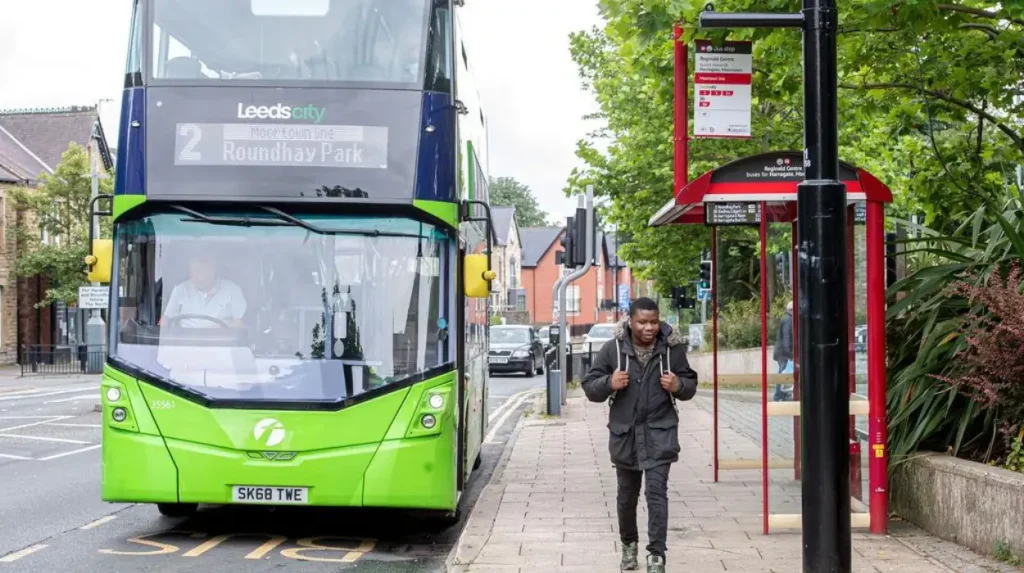
Transport adds another local consideration. Some students walk or cycle for regular journeys, while others use buses or trains. The cost depends on the frequency and distance of travel.
As students explore the modern neighbourhood, they are also living within an area shaped by earlier development and community change. Read about the full [Insert Anchor Text for History Article Here] to understand its historical foundations.
What are the main everyday expenses for students in Headingley?
The main everyday expenses for students in Headingley are accommodation, household bills, food, local transport, study materials, mobile services and personal spending. Each category requires a separate estimate because fixed costs and changing costs affect monthly budgets in different ways.
A useful budget divides spending into categories before assigning money to individual purchases. This structure makes it easier to identify where money is going and where spending can be reduced.
Accommodation and rent
Rent is generally the largest regular cost for students living in private accommodation. Many student tenancies quote rent weekly, while students often receive income in larger instalments. Converting weekly rent into a monthly budget figure creates a clearer comparison with other expenses.
Students should also check tenancy length, payment dates, deposits and the treatment of bills. A tenancy agreement is a legally binding contract that sets out the responsibilities of tenants and landlords.
Household bills
Household bills include services required to operate and maintain a home. Examples include gas, electricity, water and broadband.
Students living in a shared house need to establish how these bills will be divided. An equal split is common when occupants share the same facilities, although the household should agree on payment arrangements in advance.
Full-time students are generally exempt from paying Council Tax when all adult residents in a property qualify as full-time students. The household must still provide the required information to the relevant local authority. Students should confirm their individual circumstances and property status directly with Leeds City Council.
Food and household shopping
Food costs depend heavily on shopping habits. A weekly food plan provides a clearer spending limit than buying individual items without a defined budget.
A practical food category should include groceries, packed lunches, household cleaning products and occasional meals bought outside the home. These are separate spending patterns but draw from the same available income.
Cooking larger portions can reduce the frequency of individual purchases. Students also benefit from planning meals around food already stored at home.
Transport
Transport costs depend on where students study, work and spend their leisure time. Headingley has bus and rail connections, while many local journeys can also be completed on foot or by bicycle.
A transport budget should distinguish regular journeys from occasional trips. Regular journeys include travel to a workplace or campus. Occasional trips include visits to other cities, airports or events.
Students should check current fares, ticket conditions and eligibility rules before purchasing a travel product. Transport operators regularly update prices and ticket structures.
Study and course costs
Study costs extend beyond tuition fees. Examples include textbooks, printing, specialist equipment and software subscriptions.
The amount varies by course. A student studying a laboratory-based subject has different equipment requirements from a student taking a predominantly classroom-based course. University libraries and digital resources can reduce the need to purchase every book or publication individually.
Personal and social spending
Personal spending includes costs that differ significantly between individuals. Examples include clothing, haircuts, hobbies, gym memberships and entertainment.
Social spending often becomes less visible when several small purchases occur during the week. Recording these transactions helps students understand their total monthly cost.

How should students calculate a realistic monthly budget?
Students should calculate a realistic monthly budget by adding all reliable income, subtracting fixed essential costs and assigning limits to variable categories. The calculation should use actual tenancy charges, current service prices and recent spending records instead of estimates based on assumptions.
The first step is to list every reliable source of income. Students should avoid treating uncertain income as guaranteed budget money. For example, occasional work shifts should not be used to cover a rent payment unless the employment arrangement guarantees those earnings.
The second step is to calculate fixed costs. Fixed costs are payments that remain broadly consistent over a defined period. Examples include rent, a mobile contract and a regular subscription.
The third step is to estimate variable costs. Variable costs change according to behaviour and circumstances. Examples include groceries, entertainment and travel.
A simple calculation follows this structure:
Monthly available income − fixed costs − planned variable costs = remaining balance.
The remaining balance should not automatically become extra spending money. Part of it should support irregular expenses and unexpected costs.
Students receiving maintenance funding in termly instalments can divide the available amount by the number of months it must cover. This creates a monthly spending limit even when the money arrives as a larger payment.
For example, a student with money intended to cover a four-month period needs to reserve approximately one quarter of the available budget for each month before considering additional income or expenditure.
How can students manage rent and shared household costs?
Students can manage rent and shared household costs by checking tenancy terms, recording payment dates, agreeing bill-sharing arrangements and maintaining a shared record of household expenses. Clear responsibilities reduce missed payments and help every resident understand the true cost of the property.
Shared housing requires organisation because one property can generate several separate financial obligations.
Rent should be treated as the highest-priority payment. Students need to know the exact payment date, payment method and amount required under their tenancy agreement. A rent reminder can prevent accidental late payment.
Household bills require a clear arrangement between residents. The group should establish who manages each account and how other residents repay their share. Examples include one resident managing broadband while another manages energy payments.
A shared digital record can list the bill, due date, total amount and each resident’s contribution. This creates a consistent reference for the household.
Students should also understand the difference between included and excluded bills. An inclusive rent arrangement combines specified services with the rent payment. An exclusive arrangement requires the household to pay those services separately.
Before signing a contract, students should identify exactly what is included. The phrase “bills included” does not automatically mean that every possible household cost is covered.
How can students reduce food and grocery spending?
Students can reduce food and grocery spending by planning meals, shopping with a list, comparing prices, using available food before replacing it and limiting frequent convenience purchases. A consistent weekly food budget provides stronger control than making unplanned purchases throughout the month.
Food spending is one of the most flexible areas of a student budget. This does not mean that students should reduce food quality or skip meals. It means that planning can reduce unnecessary expenditure.
A weekly meal plan begins with existing ingredients. Students can check cupboards, refrigerators and freezers before creating a shopping list. This reduces duplicate purchases and food waste.
Shopping lists also create a clear spending purpose. A list based on planned meals limits the number of unplanned products placed in a basket.
Convenience food and frequent takeaway purchases can significantly increase food expenditure when they become routine. Students benefit from recording these purchases separately from basic groceries because the two categories serve different purposes.
Shared households can also coordinate purchases of common products. Examples include washing-up liquid, bin bags and cleaning supplies. A clear agreement prevents several residents from buying the same item.
What transport costs should students include in a Headingley budget?
Students should include regular commuting, bus or rail fares, occasional long-distance journeys and bicycle maintenance in a Headingley transport budget. The correct amount depends on travel frequency, destination and chosen mode, so students should base their estimate on their actual weekly routine.
Headingley’s location gives students several ways to travel around Leeds. Walking is suitable for many short local journeys, while cycling, buses and trains serve different travel needs.
A transport budget should begin with a weekly travel record. Students can record journeys to campus, work, shops and social activities. This reveals which trips occur regularly and which are occasional.
Public transport users should review current ticket options directly from transport providers. A ticket that appears cheaper at the point of purchase does not necessarily offer the lowest cost over an entire month if travel frequency changes.
Cycling also creates expenses. Examples include maintenance, lights and security equipment. These costs are irregular but should still be included in annual or monthly planning.
Students travelling outside Leeds should keep these journeys separate from local commuting costs. A visit home, a holiday journey or an airport transfer can have a significant one-off cost that does not belong in a normal weekly transport estimate.
How should students budget for university and study-related costs?
Students should budget for university costs by identifying compulsory course materials, estimating regular academic purchases and checking institutional resources before buying new items. Libraries, equipment loans and student support services can reduce unnecessary expenditure while preserving access to essential learning materials.
Course requirements differ between subjects and academic years. Students should identify compulsory spending from official course information rather than purchasing every recommended item immediately.
Books are a common example. A reading list can contain essential texts, recommended texts and additional resources. University libraries often provide access to physical or digital material, reducing the need for individual purchases.
Printing also creates a small but recurring expense. Students should understand available printing facilities and prices at their university.
Specialist courses can require additional materials. Examples include art supplies, laboratory equipment and professional software. These costs should be included in a budget before the relevant term begins.
Students should also investigate formal financial support. Universities often provide information about bursaries, hardship support and other forms of student assistance. Eligibility rules and application processes differ between institutions and funding schemes.
How can students control social and personal spending?
Students can control social and personal spending by setting a defined discretionary budget, tracking frequent small purchases and choosing activities that fit their available income. Separating essential living costs from leisure spending protects rent, food and other priority payments from overspending.
Social activity is part of student life, but it needs a clear financial limit. A discretionary budget establishes how much money is available after essential costs have been protected.
Students can set a weekly allowance for flexible spending. This approach provides a simple limit and makes changes easier when income or costs change.
Small purchases deserve particular attention. Examples include coffees, snacks and app-based purchases. Each individual transaction can appear insignificant, but the combined monthly total can be substantial.
Subscriptions also require regular review. A subscription is a recurring payment for continued access to a service. Examples include streaming platforms, software services and fitness memberships.
Students should list every recurring subscription and check whether it is still being used. Cancelling an unused service creates an immediate reduction in regular expenditure.
Why should students create an emergency and irregular-expense fund?
Students should create an emergency and irregular-expense fund because some necessary costs do not occur every month. A separate reserve helps cover repairs, travel changes and essential replacements without disrupting money already allocated to rent, food and other core expenses.
An emergency fund is money reserved for unexpected essential expenditure. The required amount varies according to individual circumstances and available income.
Students can begin with small, regular contributions. The purpose is consistency rather than reaching a specific amount immediately.
Irregular expenses should also be planned separately. Examples include replacing damaged clothing, buying travel tickets for a family visit and paying for annual services.
A budget that includes only predictable monthly bills gives an incomplete picture of living costs. Reviewing spending over several months helps identify expenses that occur less frequently.
Students should also know where to seek support when a financial problem becomes urgent. University student services, student unions and recognised advice organisations provide information about budgeting, funding and debt.
Explore More Area Guide
Headingley University Open Days and Campus Visits Guide
Headingley Sporting Events: Travel and Transport Guide
How often should a student budget be reviewed?
Students should review their budget at least once each month and whenever income, accommodation or regular expenses change. Frequent reviews compare planned spending with actual transactions, identify overspending early and allow realistic adjustments before financial pressure becomes more serious.
A budget is a working record rather than a one-time calculation. Prices, travel habits and personal circumstances change during an academic year.
A monthly review should compare the planned amount for each category with the amount actually spent. Large differences require an explanation.
For example, food spending can increase because a student has started buying more meals away from home. Transport costs can increase because a new part-time job requires additional journeys.
The review should then lead to a specific adjustment. Students can reduce spending in one category, increase the planned amount for an unavoidable cost or find an additional source of support.
Bank statements and budgeting applications can help identify transactions, but students should categorise spending consistently. A clear category system makes comparisons more useful.
What is a realistic approach to student budgeting in Headingley?
A realistic approach to student budgeting in Headingley combines accurate housing costs, planned everyday spending, regular reviews and a reserve for irregular expenses. Students achieve stronger financial control by using local prices and personal routines instead of relying on generic national spending estimates.
The most effective budget reflects the student’s actual circumstances. A person living in a shared house with bills included has different costs from a person renting independently. A student who walks to university has different transport costs from a student who commutes daily.
Headingley provides access to essential services, shops and transport connections, but convenience still has a financial cost. Students benefit from deciding which local services are necessary and which purchases are discretionary.
The core principle remains simple: essential costs should be identified first, funded before flexible spending and reviewed regularly.
A complete student budget therefore includes accommodation, household services, food, transport, academic requirements and personal expenditure. It also recognises that annual and unexpected costs exist outside a normal monthly routine.
Students who understand these categories can make clearer decisions before signing a tenancy, accepting a recurring payment or committing to regular spending. This supports financial stability throughout the academic year and provides a practical foundation for living and studying in Headingley.
How much should a student budget for living in Headingley?
A student budget should cover rent, household bills, food, transport, study costs and personal spending. The total depends on accommodation type, lifestyle and travel habits. Students should use their actual rent and regular expenses to create a realistic monthly budget.