Key Points
- Construction work has officially commenced on the Westgate Connector scheme in Leeds, following an announcement from Leeds City Council.
- The £6 million infrastructure project is funded by Active Travel England (ATE) and delivered in partnership with the West Yorkshire Combined Authority.
- Over 4,200 people walk, wheel, and cycle along Burley Street each day, a route where 39 casualties—including seven serious injuries—were recorded between 2021 and 2025.
- Planned upgrades include a new two-way segregated cycle lane, upgraded pedestrian crossings, and redesigned junctions around Westgate Gyratory and Hanover Way.
- Appointed contractor Bethell will carry out the construction in phases, with completion scheduled for summer 2027.
- The initiative supports the city’s Vision Zero strategy, which aims to eliminate road deaths and serious injuries in Leeds by 2040.
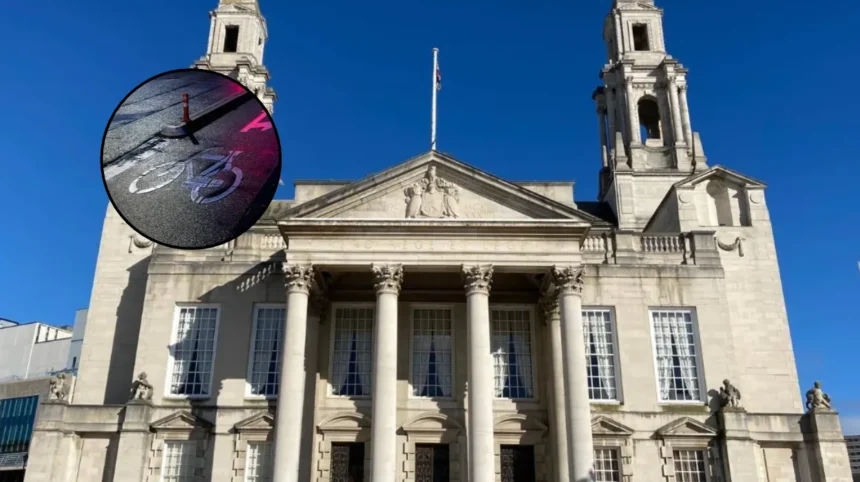
Leeds City Council (The Leeds Times) November 13, 2026 – Construction work has commenced on the £6 million Westgate Connector scheme, an active travel infrastructure project funded by Active Travel England (ATE) and delivered in partnership with the West Yorkshire Combined Authority to improve safety and accessibility for pedestrians and cyclists.
- Key Points
- How will contractor Bethell manage the construction phase of the Westgate Connector?
- What are the broader objectives behind the Leeds active travel improvements?
- Background: Road Safety and Active Travel in Westgate
- Prediction: How the Westgate Connector Will Affect Daily Commuters and Students
The development targets longstanding road layout complexities and high collision rates along a heavily used corridor in the city. Over 4,200 people walk, wheel, and cycle along Burley Street daily, including a significant volume of students navigating the area. Due to limited dedicated infrastructure and the current road configuration, crossing at Westgate Gyratory and Hanover Way has been identified as unsafe. Official figures recorded between 2021 and 2025 show 39 casualties along the route, seven of which were classified as serious.
To address these safety concerns, the scheme will introduce a new two-way segregated cycle lane alongside upgraded pedestrian crossings and redesigned junctions. Appointed contractor Bethell has been tasked with constructing the works, which are scheduled to continue until summer 2027.
In an official announcement from Leeds City Council, Councillor Tom Hinchcliffe, Leeds City Council’s executive member for transport and planning, stated:
“The Burley Road to Westgate project is a step towards our vision for a safer, greener, and more connected Leeds. By providing dedicated cycling and walking spaces, we can prioritise safety and support the city’s goals for health, sustainability, and reducing carbon emissions.”
How will contractor Bethell manage the construction phase of the Westgate Connector?
Contractor Bethell will deliver the infrastructure upgrades through a phased construction schedule designed to limit disruption to daily commuters, students, and local residents while work progresses toward the summer 2027 deadline.
According to the official announcement from Leeds City Council, Michael Holmes, Managing Director at Bethell, stated:
“Bethell is proud to have been selected to deliver these improvements at Westgate. We will carefully phase the work to minimise disruption while creating safer and better-connected routes for people walking, wheeling and cycling. The project will also support local employment and apprenticeship opportunities across the Leeds city region.”
What are the broader objectives behind the Leeds active travel improvements?
The Westgate Connector scheme forms part of Leeds City Council’s wider strategic framework aimed at lowering carbon emissions, encouraging sustainable transport, and improving public health across the city. Specifically, the physical redesign of the Burley Street, Westgate Gyratory, and Hanover Way junctions aligns directly with the council’s Vision Zero commitment, an overarching road safety policy that seeks to eliminate all road deaths and serious injuries in Leeds by 2040.
Background: Road Safety and Active Travel in Westgate
The corridor linking Burley Road and Burley Street to Westgate Gyratory and Hanover Way serves as a primary thoroughfare for commuters and university students travelling into and around central Leeds. Despite daily footfall and cycle usage exceeding 4,200 journeys, the existing highway layout has historically prioritised motor vehicle flow over non-motorised users, leaving pedestrians and cyclists with limited segregated space.
Between 2021 and 2025, collision data along this stretch documented 39 casualties, including seven serious injuries, prompting transport authorities to seek targeted intervention. Securing £6 million from Active Travel England (ATE)—the government’s executive agency responsible for making walking, wheeling, and cycling the preferred choice for everyone to get around—enabled Leeds City Council and the West Yorkshire Combined Authority to advance the Westgate Connector from planning to physical construction.
Prediction: How the Westgate Connector Will Affect Daily Commuters and Students
For the more than 4,200 pedestrians, wheelers, and cyclists—particularly the large student population—who use Burley Street, Hanover Way, and Westgate Gyratory daily, the project will introduce immediate, short-term changes followed by long-term structural improvements.
During the construction phase running through to summer 2027, commuters, motorists, and pedestrians can expect phased roadworks, temporary diversions, and altered crossing points as Bethell reconfigures the junctions. Upon completion in summer 2027, the introduction of a two-way segregated cycle lane and redesigned crossings will physically separate cyclists from motor traffic and simplify pedestrian routes across Westgate Gyratory and Hanover Way. Additionally, residents across the wider Leeds city region are set to see local employment and apprenticeship opportunities generated through Bethell’s delivery of the scheme.