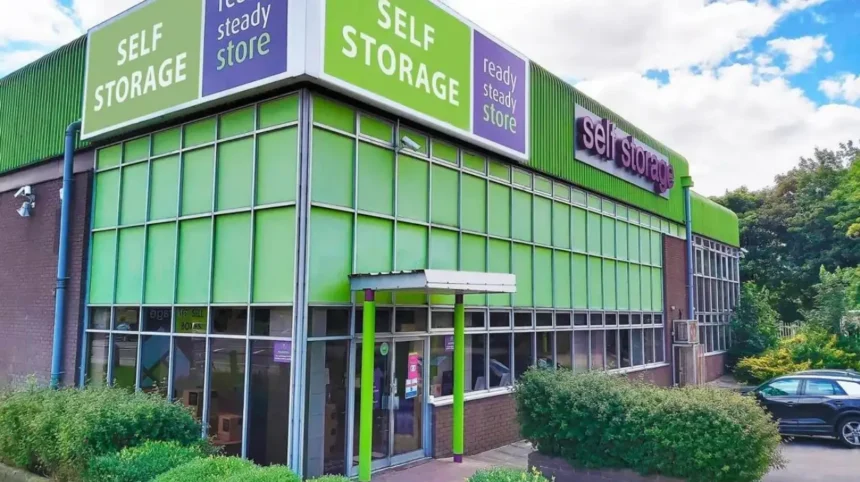
Self-storage facilities near Headingley provide practical space for storing furniture, household possessions, business equipment, student belongings and seasonal items. These facilities serve residents, students, landlords, homeowners and businesses across Headingley and the wider Leeds area. They offer flexible storage arrangements for people moving home, renovating properties, managing limited living space or keeping valuable possessions secure.
- What Is Self-Storage and How Does It Work Near Headingley?
- Where Can You Find Self-Storage Facilities Near Headingley?
- Headingley and Surrounding Residential Areas
- Storage Facilities Across Wider Leeds
- How Should You Check a Facility’s Location?
- Which Storage Facilities Are Worth Comparing Near Headingley?
- Ready Steady Store – Kirkstall Road
- The Storage Team – Meanwood Road
- McCarthy’s Storage World – Meanwood
- Big Mc’s Container Storage – Kirkstall
- Comparing the Nearby Facilities
- What Types of Self-Storage Units Are Available Near Headingley?
- What Can You Store in a Self-Storage Facility?
- Furniture and Household Possessions
- Student Belongings
- Seasonal Items
- Business Equipment and Stock
- Which Items Are Normally Restricted?
- How Much Does Self-Storage Cost Near Headingley?
- What Affects Storage Prices?
- How Can Customers Compare Storage Prices?
- Are Collection and Delivery Services Available?
- How Should You Choose the Right Self-Storage Facility?
- Check the Security Arrangements
- Compare Access Hours
- Examine Unit Conditions
- Review the Rental Agreement
- How Can You Prepare Furniture and Belongings for Storage?
- What Insurance and Legal Protection Do You Need for Self-Storage?
- Does Home Insurance Cover Self-Storage?
- What Should Storage Insurance Include?
- What Happens If Storage Payments Are Missed?
- When Is Self-Storage Most Useful for Headingley Residents and Businesses?
- During House Moves
- During Home Renovations
- Between Student Tenancies
- For Landlords and Letting Agents
- For Small Businesses
- How Does Self-Storage Connect With Headingley’s History and Development?
- How Can You Travel to Self-Storage Facilities From Headingley?
- Is Driving the Most Practical Option?
- Can You Use Public Transport?
- Should You Hire a Removal Company?
- What Should You Check Before Booking Self-Storage Near Headingley?
Headingley is a popular residential and student neighbourhood in north-west Leeds. Its housing includes Victorian terraces, converted properties, shared student accommodation, modern apartments and family homes. These different property types create varying storage requirements. Students often need temporary storage between university accommodation contracts. Families require additional space for furniture and seasonal belongings. Businesses use storage units for stock, documents, tools and equipment.
Self-storage offers an alternative to overcrowding homes, renting larger properties or transporting possessions over long distances. Customers rent a designated storage unit and control access according to the facility’s operating arrangements. Unit sizes, security systems, access hours, insurance requirements and rental agreements differ between providers.
This guide explains how self-storage works, what facilities near Headingley offer, how to choose suitable storage space and which practical considerations affect storage costs and security.
What Is Self-Storage and How Does It Work Near Headingley?
Self-storage is a service that allows individuals and businesses to rent private units for keeping furniture, personal belongings, equipment and other permitted possessions. Customers select a unit size, sign a rental agreement, arrange payment and access their stored items under the facility’s conditions.
Self-storage facilities provide individually allocated spaces within managed buildings or secure outdoor storage sites. Customers transport their possessions to the facility, organise them inside their allocated units and retain access according to the provider’s operating hours and security procedures.
Near Headingley, storage requirements reflect the area’s residential, educational and commercial activity. The neighbourhood is close to the University of Leeds, Leeds Beckett University facilities and established residential communities. Students, homeowners and local businesses regularly face situations where additional storage space becomes useful.
Unlike traditional warehouses, self-storage facilities generally offer smaller rental spaces for personal and commercial customers. Units range from compact lockers to larger spaces capable of accommodating furniture from entire households.
How Does a Self-Storage Agreement Work?
A storage agreement establishes the relationship between the customer and the facility operator. It explains rental charges, payment arrangements, access rights, permitted goods, insurance responsibilities and termination procedures.
The process normally follows five stages:
- Choose a facility: Compare storage providers around Headingley, Kirkstall, Meanwood, Burley and wider Leeds.
- Select a unit: Estimate the amount of space required for furniture, boxes or equipment.
- Complete registration: Provide the required contact details and identification.
- Arrange payment: Pay the agreed rental charges and any applicable deposit or administration fee.
- Move possessions: Transport belongings to the facility and organise them inside the allocated unit.
Customers should read the complete agreement before moving their possessions. Particular attention should go to minimum rental periods, notice requirements, late-payment charges and access restrictions.
Why Is Self-Storage Relevant to Headingley?
Headingley contains a mixture of student housing, family properties, rented accommodation and independent businesses. These property types create different requirements for temporary and long-term storage.
Students often need somewhere to keep belongings between academic years. Homeowners require additional space during renovations. Landlords and letting agents store furniture between tenancies. Local businesses use storage units for supplies, promotional materials and equipment.
The surrounding areas of Kirkstall, Burley, Hyde Park, Meanwood and Weetwood also contribute to demand for accessible storage facilities.
Where Can You Find Self-Storage Facilities Near Headingley?
Self-storage options serving Headingley are located across north-west Leeds and the wider city. Customers should compare facilities in Headingley, Kirkstall, Burley, Meanwood and nearby commercial areas according to journey time, unit availability, access arrangements and transport requirements.
Headingley has a mixture of residential streets and commercial premises. Larger storage operations generally require buildings or sites with sufficient vehicle access, loading space and security infrastructure.
Consequently, customers should not restrict their search to Headingley High Street. Facilities in neighbouring districts provide additional options for people living or working in the area.
Headingley and Surrounding Residential Areas
Headingley is a useful starting point for finding nearby storage. Residents should compare travel distances from their home, particularly when they expect to visit their unit frequently.
Kirkstall provides another relevant search area. Its commercial and industrial premises offer a different setting from Headingley’s predominantly residential streets.
Burley and Hyde Park are also relevant for students and renters. Their proximity to central Leeds and university accommodation makes them practical locations to consider when comparing storage services.
Meanwood and Weetwood serve residential communities north of Headingley. Residents in these districts should compare local options with facilities closer to the A660 corridor.
Storage Facilities Across Wider Leeds
Customers with larger storage requirements should extend their search to other Leeds districts. Some providers operate several facilities across the city, allowing customers to compare different locations and unit configurations.
The main consideration is accessibility. A lower rental price does not necessarily provide better value when the facility requires lengthy journeys or inconvenient collection arrangements.
Before choosing a site, check its postcode, opening hours, loading facilities and available transport routes.
How Should You Check a Facility’s Location?
Use the provider’s official website to confirm its address and directions. Online maps help estimate journey times from Headingley, although traffic conditions affect actual travel.
Check the following details:
- Distance from your property.
- Vehicle access and parking.
- Public transport connections.
- Loading and unloading arrangements.
- Accessibility for customers with mobility requirements.
- Opening hours and out-of-hours access.
A facility that is convenient for regular visits is particularly important when storing business equipment, documents or frequently used household items.
Which Storage Facilities Are Worth Comparing Near Headingley?
Several storage providers serve Headingley through nearby Leeds locations. Options include Ready Steady Store on Kirkstall Road, The Storage Team and McCarthy’s Storage World in Meanwood, and Big Mc’s Container Storage in Kirkstall. Their storage formats and access arrangements differ.
The following providers offer useful starting points when researching storage near Headingley. Their locations and advertised services should be checked directly before booking.
Ready Steady Store – Kirkstall Road
Ready Steady Store operates a self-storage facility at Joseph House, Kirkstall Road, Leeds LS4 2QD. Its location makes it relevant to Headingley residents, students and households moving between properties.
The company advertises storage for household furniture, personal possessions, student belongings and business equipment. Its Leeds Kirkstall Road facility provides an alternative to travelling further into Leeds for storage.
Its published information identifies the site as approximately a five-minute drive from Headingley railway station. Customers should confirm current unit availability, access conditions and rental charges directly.
The Storage Team – Meanwood Road
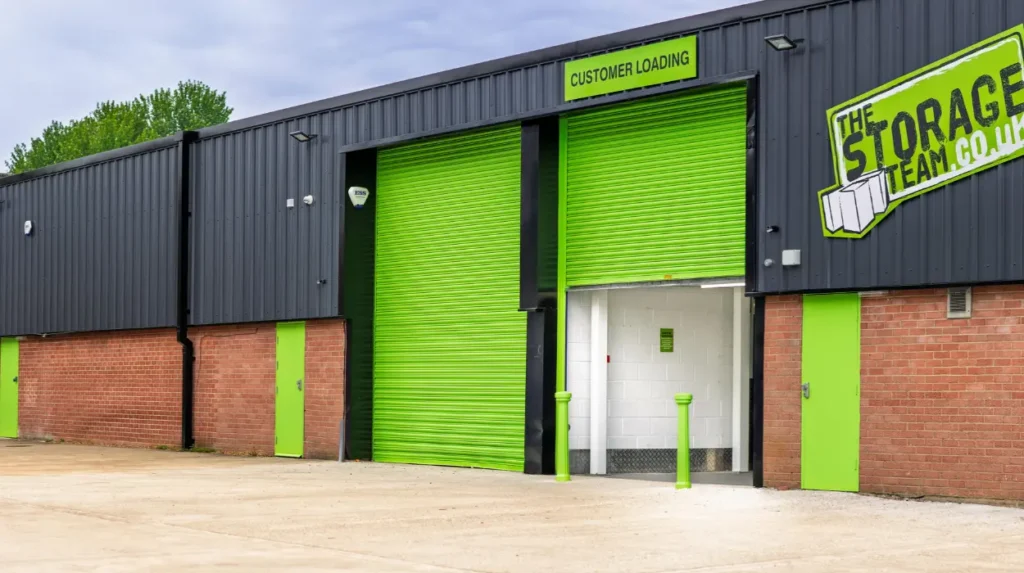
The Storage Team operates from Meanwood Road, Leeds LS7 2AH. Its location serves customers from Meanwood, Headingley and surrounding north Leeds neighbourhoods.
The company advertises different storage options for domestic and commercial customers. Household customers can investigate units for furniture, moving-house possessions, seasonal decorations and general household equipment.
Business customers can explore space for stock, equipment, records and operational materials. The facility also advertises serviced office and business-related services.
Published access information lists standard storage access from 8am to 8pm daily, with 24-hour access available on request. Reception hours differ from storage access hours.
McCarthy’s Storage World – Meanwood
McCarthy’s Storage World operates a Leeds facility on Education Road, Meanwood, LS7 2AL. The location is accessible from Headingley and other north Leeds neighbourhoods.
Its advertised services include personal and business storage. The facility promotes indoor units and outdoor drive-up storage options. Selected units also offer extended access arrangements.
Customers storing furniture should compare the available internal dimensions, loading arrangements and vehicle access. Businesses should investigate delivery acceptance, stock storage and the availability of suitable handling facilities.
Big Mc’s Container Storage – Kirkstall
Big Mc’s Container Storage operates from St Annes Mills, Commercial Road, Kirkstall, Leeds LS5 3AE. Its location provides another option for people searching for storage around Headingley and Kirkstall.
The provider advertises container storage, including 10-foot and 20-foot container formats. These options suit customers investigating larger storage requirements, including furniture, household contents and business equipment.
Container storage differs from conventional indoor storage rooms. Customers should check container dimensions, ventilation, weather protection, loading access and security arrangements before choosing this format.
Comparing the Nearby Facilities
The following comparison summarises the main differences between the providers.
This is a service-format comparison, not a ranking. Confirm current prices, unit availability and access arrangements with each provider.
What Types of Self-Storage Units Are Available Near Headingley?
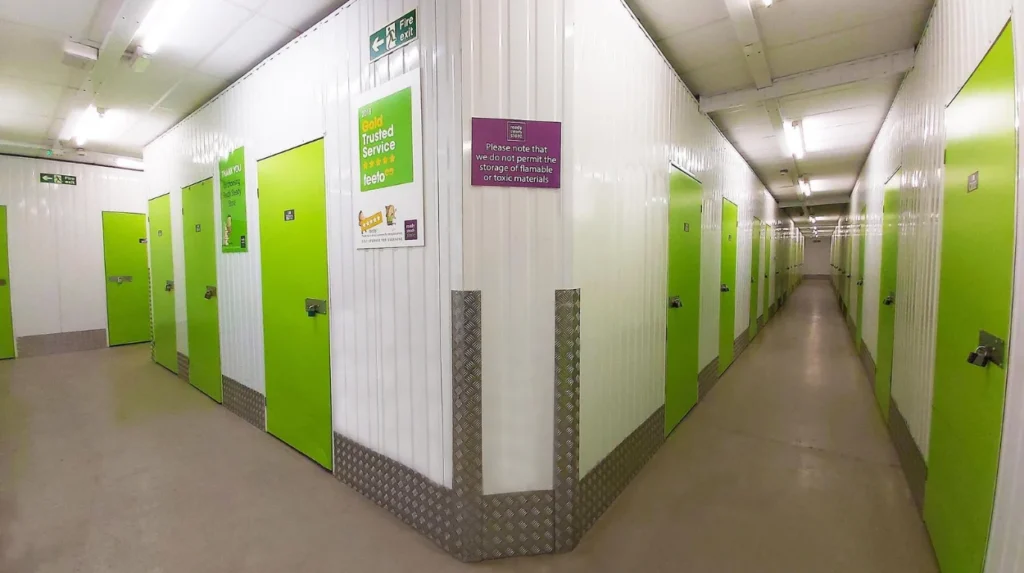
Self-storage facilities provide different unit formats for different quantities and categories of possessions. Common options include small lockers, compact rooms, medium-sized units, large household units and external containers. Customers should match storage capacity to their actual belongings.
Storage space is generally measured in square feet. The required floor area depends on the quantity, dimensions and arrangement of possessions.
Small Storage Units
Small units suit customers storing a limited number of belongings. Examples include:
- Suitcases and travel bags.
- Archived documents and books.
- Seasonal decorations.
- Sports equipment.
- Small household appliances.
Students living in Headingley often require compact storage between accommodation contracts. A small unit provides space for boxes and personal belongings without renting a larger room.
Medium Storage Units
Medium-sized units accommodate more substantial household possessions. Examples include:
- Sofas and armchairs.
- Mattresses and bed frames.
- Dining tables and chairs.
- Multiple storage boxes.
- Bicycles and household appliances.
These units suit people moving between rented properties or reorganising their homes.
Large Storage Units
Large units accommodate furniture and possessions from larger households. Examples include bedroom furniture, dining sets, wardrobes, household appliances and multiple packed boxes.
Customers should request an assessment when storing the contents of an entire property. Furniture dimensions, dismantling requirements and stacking arrangements determine the space required.
Container Storage
Container storage uses large, lockable storage containers. It suits customers with substantial possessions, building materials, business stock or bulky equipment.
Container dimensions differ between providers. A 10-foot container and a 20-foot container provide different storage capacities. Customers should check the usable internal dimensions rather than relying exclusively on external measurements.
What Can You Store in a Self-Storage Facility?
Self-storage facilities accommodate many everyday possessions, including furniture, clothing, household equipment, documents, business stock and seasonal belongings. Storage providers establish their own prohibited-item policies, so customers must check the rental agreement before placing goods inside.
Storage facilities support domestic, educational and commercial requirements. The exact items permitted depend on the provider’s insurance, safety and operational conditions.
Furniture and Household Possessions
Furniture storage is useful during house moves, renovations and property reorganisations.
Common examples include sofas, wardrobes, beds, dining furniture, bookshelves and cabinets.
Clean and dry furniture before storage. Remove detachable components where practical. Cover upholstery with suitable protective materials and keep wooden furniture away from damp conditions.
Student Belongings
Headingley has a substantial student population because of its proximity to universities and student accommodation.
Students commonly store textbooks, clothing, kitchen equipment, suitcases, bedding and small furniture.
A student moving between accommodation contracts should calculate the storage period around tenancy dates. Collection and delivery services also reduce the need to arrange van hire.
For smaller quantities of possessions, box-storage services offer an alternative to renting an entire self-storage unit.
Seasonal Items
Seasonal storage helps households organise possessions that are not required throughout the year.
Examples include:
- Christmas decorations and artificial trees.
- Camping equipment and sleeping bags.
- Garden furniture and outdoor accessories.
- Seasonal clothing.
- Sports equipment and holiday luggage.
Proper cleaning and packing reduce deterioration during extended storage periods.
Business Equipment and Stock
Small businesses use storage facilities to manage inventory and reduce pressure on commercial premises.
Examples include office furniture, packaged products, marketing materials, tools, archived paperwork and event equipment.
Businesses should confirm whether the facility permits commercial deliveries, customer collections and regular stock movements.
Which Items Are Normally Restricted?
Storage providers commonly prohibit dangerous or unsuitable materials. Examples include flammable liquids, explosives, illegal substances, perishable food, live animals and hazardous chemicals.
Some facilities also restrict gas cylinders, fuel, firearms, valuable cash holdings and certain battery-powered equipment.
The exact restrictions differ between providers. Customers should obtain written confirmation before storing unusual or potentially hazardous goods.
How Much Does Self-Storage Cost Near Headingley?
Self-storage prices depend on unit dimensions, rental duration, location, demand, insurance and additional services. Smaller spaces generally cost less than large furniture units. Customers should compare the complete monthly cost rather than relying on introductory offers or advertised starting prices.
Storage providers calculate rental charges using the size of the allocated space and the agreed rental arrangements.
A small unit for several boxes has different pricing from a large space holding furniture from a three-bedroom property.
What Affects Storage Prices?
The main pricing factors include:
Unit size: Larger spaces require higher rental payments because they provide more storage capacity.
Location: Facilities in different parts of Leeds have different operating costs and pricing structures.
Rental duration: Promotional rates and long-term arrangements affect the total amount paid.
Insurance: The declared value of possessions and the insurance arrangement influence additional costs.
Access arrangements: Extended access, specialist handling and other optional services affect the overall price.
Additional charges: Deposits, administration fees, padlocks, packaging materials and collection services require consideration.
How Can Customers Compare Storage Prices?
Request a written quotation from several providers. Give each company the same information about the possessions, storage period and required access.
Compare the following:
- Weekly or monthly rental.
- Initial promotional price.
- Standard price after promotional periods.
- Insurance charges.
- Deposit and administration fees.
- Notice period and cancellation conditions.
- Collection and delivery charges.
For example, a unit advertised at a discounted introductory price is not necessarily cheaper over a six-month rental period. Customers should calculate the full cost across their expected storage duration.
Are Collection and Delivery Services Available?
Some Leeds storage companies offer collection and delivery services. These arrangements help customers who lack suitable vehicles or need assistance transporting furniture.
Collection-based storage is particularly relevant to students and renters moving between properties. However, it differs from traditional self-storage because customers do not necessarily visit or directly access their allocated storage space.
Check collection areas, delivery lead times, item restrictions and handling charges before booking.
How Should You Choose the Right Self-Storage Facility?
Choosing a storage facility requires comparing location, security, unit dimensions, access hours, insurance and rental conditions. Customers should identify their storage requirements first, obtain comparable quotations and inspect the facility before signing an agreement.
A suitable facility protects possessions while providing practical access throughout the rental period. The cheapest available unit does not always provide the most appropriate service.
Check the Security Arrangements
Security is an important consideration when storing furniture, electronics, business stock and personal possessions.
Check whether the facility provides:
- CCTV monitoring.
- Controlled entry systems.
- Individually alarmed units.
- Perimeter security.
- Secure unit locks.
- Staff supervision.
- Recorded access procedures.
Ask how the company manages security outside reception hours. Confirm whether customers provide their own padlocks or purchase approved locking equipment.
Compare Access Hours
Access hours determine when customers can retrieve or organise their possessions.
Some facilities operate during standard business hours. Others provide extended evening access or arrangements for 24-hour entry.
This distinction matters for people working full-time, running businesses or studying at university.
Customers should distinguish between reception opening hours and actual storage access hours. These are not necessarily identical.
Examine Unit Conditions
Storage conditions affect the long-term preservation of furniture, clothing, documents and electronics.
Check the following:
- Whether the unit is indoors or outdoors.
- Whether the storage area is dry.
- Whether ventilation is adequate.
- Whether there are signs of dampness.
- Whether pest-control procedures are maintained.
- Whether the unit has suitable lighting.
Wooden furniture, paper documents and upholstered items require particular attention to moisture protection.
Review the Rental Agreement
The rental agreement establishes the customer’s responsibilities and the provider’s conditions.
Read the terms covering payment dates, late-payment charges, termination notice, access restrictions, insurance and prohibited goods.
Ask how the provider handles unpaid accounts and disputes. Keep copies of the signed agreement, payment records and storage inventory.
The British Association of Removers provides an industry code of practice for its members. Its standards address premises, insurance, staff, operational procedures and customer protection. Membership and approved-code status should be checked rather than assumed.
How Can You Prepare Furniture and Belongings for Storage?
Preparing possessions correctly reduces the risk of damage, moisture exposure and disorganisation. Customers should clean furniture, dismantle suitable items, use protective packaging, label boxes and create an inventory before transporting belongings to a storage facility.
Good preparation improves the use of available space and makes future retrieval easier.
Clean and Dry Everything
Clean furniture, clothing, appliances and other belongings before packing.
Remove food residues, dirt and moisture. Allow possessions to dry completely before placing them in sealed packaging.
This reduces the risk of unpleasant smells, mould and pest problems.
Dismantle Large Furniture
Disassemble furniture where practical. Remove table legs, bed frames, shelves and detachable components.
Keep screws, bolts and fittings in labelled bags. Attach the bags securely to the relevant furniture or place them inside a clearly labelled box.
Dismantling furniture reduces wasted space and simplifies loading.
Use Suitable Packaging
Use strong cardboard boxes for books, clothing and smaller possessions. Protective covers help prevent scratches on furniture.
Examples of suitable materials include bubble wrap, furniture blankets, mattress covers and protective corner guards.
Avoid placing excessive weight inside individual boxes. Heavy items belong in smaller containers to make lifting safer.
Create a Storage Inventory
An inventory records the belongings placed inside the unit.
Include descriptions, quantities and photographs of valuable items. Record the condition of furniture before storage.
A numbered box system makes retrieval easier. For example, box numbers can correspond to a separate document listing their contents.
The National Guild of Removers and Storers also recommends identifying items requiring special care and keeping an inventory of stored goods.
What Insurance and Legal Protection Do You Need for Self-Storage?
Storage insurance protects eligible possessions against specified risks during the rental period. Customers should establish whether their home insurance covers stored goods, check the provider’s insurance requirements and understand policy exclusions, declared values and claims procedures.
Insurance arrangements differ between storage operators and policies. A provider’s security measures do not automatically guarantee compensation for damaged or missing possessions.
Does Home Insurance Cover Self-Storage?
Some household contents policies provide limited cover for belongings kept outside the insured home. Other policies exclude commercial storage facilities or impose strict conditions.
Contact your insurer before moving possessions. Ask whether the policy covers fire, theft, flooding, accidental damage and other relevant risks.
Confirm the maximum compensation available and whether the cover applies throughout the entire rental period.
What Should Storage Insurance Include?
Check the policy’s insured value and exclusions.
Important considerations include:
- Total declared value of stored belongings.
- Individual limits for valuable possessions.
- Theft and attempted theft conditions.
- Fire and water damage.
- Accidental damage exclusions.
- Requirements for approved security.
- Claims notification deadlines.
Photographs, purchase receipts and an inventory help establish ownership and value.
The British Association of Removers’ code also addresses insurance and alternative customer protection arrangements for its members.
What Happens If Storage Payments Are Missed?
Storage agreements establish procedures for late payments and unpaid accounts. These provisions differ between operators.
Customers should check whether late fees apply, when access restrictions begin and what formal notices are required before goods are removed or disposed of.
Do not ignore payment reminders. Contact the provider immediately if financial difficulties affect the rental arrangement.
When Is Self-Storage Most Useful for Headingley Residents and Businesses?
Self-storage supports different life and business situations, including house moves, university holidays, home renovations, property lettings and seasonal stock management. The most suitable arrangement depends on the quantity of belongings, storage duration and frequency of access.
Headingley’s residential and commercial environment creates several practical reasons to rent additional storage space.
During House Moves
Moving between properties often creates a gap between moving-out and moving-in dates.
Temporary storage provides somewhere to keep furniture and household possessions until the new property is ready.
This arrangement also helps when moving into a smaller property or completing a property purchase in stages.
During Home Renovations
Renovation projects involve furniture removal, building work and temporary changes to household layouts.
A storage unit keeps sofas, tables, wardrobes and other possessions away from dust and construction materials.
Homeowners should calculate the project duration carefully and retain enough space for essential belongings.
Between Student Tenancies
Student accommodation contracts do not always begin and end on convenient dates.
Students moving from one Headingley property to another often need somewhere to store their belongings during the transition.
A storage service also helps international students and those undertaking placements or travelling during university holidays.
For Landlords and Letting Agents
Landlords and letting agents manage furniture, appliances and property equipment between tenancies.
Storage helps organise replacement furniture, spare mattresses, maintenance supplies and other property-related items.
It also provides a temporary solution when properties undergo refurbishment.
For Small Businesses
Independent retailers, online sellers and service businesses use storage to manage stock and equipment.
Examples include seasonal retail products, exhibition materials, promotional displays and maintenance tools.
A business should check whether the facility allows regular deliveries and collections before choosing a unit.
How Does Self-Storage Connect With Headingley’s History and Development?
Headingley’s present-day storage requirements reflect its development from a historic village into an established Leeds suburb. Its changing residential landscape, transport connections and expanding educational presence have shaped modern demand for housing and additional storage space.
Headingley has a long history as a settlement north-west of Leeds. Its development accelerated during the nineteenth century as Leeds expanded and transport connections improved.
Victorian housing, established commercial streets and changing residential patterns remain visible across the neighbourhood.
Modern Headingley includes older residential properties, converted houses, student accommodation and contemporary developments. These different property types create varying requirements for household space and furniture storage.
Students moving between shared houses, families renovating older properties and businesses operating from smaller premises all contribute to demand for flexible storage.
The area’s development also connects with the wider history of Leeds, including its industrial growth, suburban expansion and changing population.
As you explore modern Headingley, you are moving through a neighbourhood shaped by generations of residential and commercial development. Read about the full [Insert Anchor Text for Headingley’s Historical Development Article Here] to understand the area’s origins and transformation.
Explore More Area Guide
Chef Fern Opens New Fern Modern Sushi 2 in Leeds 2026
Headingley Removal Companies and Moving Services Guide
How Can You Travel to Self-Storage Facilities From Headingley?
Travelling to storage facilities from Headingley involves comparing road connections, public transport availability, parking and loading arrangements. Customers moving heavy furniture should prioritise vehicle access and suitable unloading facilities rather than relying exclusively on public transport.
The A660 is an important road connection between Headingley and Leeds city centre. Kirkstall Road provides another relevant route towards storage facilities in Kirkstall.
Is Driving the Most Practical Option?
Driving is useful when transporting large boxes, furniture and household appliances.
Before booking, check whether the facility offers customer parking, loading bays, trolleys and ground-floor access.
Some facilities provide drive-up units, which reduce the distance between a vehicle and the storage space.
Can You Use Public Transport?
Public transport is suitable for visiting a facility to make enquiries or retrieve smaller possessions.
However, buses and trains are less practical for moving large furniture or multiple heavy boxes.
Customers without vehicles should investigate professional collection services, local van hire and removals companies.
Should You Hire a Removal Company?
Professional removal companies assist with furniture dismantling, packing, loading and transportation.
Some removal operators also provide storage arrangements or coordinate delivery to third-party facilities.
Compare the complete service quotation, including collection, transport, handling, storage and final delivery.
What Should You Check Before Booking Self-Storage Near Headingley?
Before booking, customers should confirm the unit size, complete rental cost, security arrangements, insurance requirements, access hours and cancellation conditions. A written quotation and clear agreement help prevent unexpected charges and ensure the facility meets the intended storage requirements.
A final assessment should cover both immediate and future storage needs.
The following checklist provides a practical starting point:
- Confirm the exact facility address.
- Check current unit availability.
- Measure large furniture items.
- Request the full rental price.
- Check minimum rental periods.
- Establish insurance requirements.
- Review prohibited-item restrictions.
- Confirm access and parking arrangements.
- Ask about collection and delivery.
- Obtain a copy of the rental agreement.
- Photograph valuable belongings before storage.
- Keep payment receipts and inventory records.
Customers should also consider how often they need to retrieve possessions. Frequently accessed business equipment requires a different arrangement from seasonal decorations that remain stored for several months.
A properly selected storage unit provides additional flexibility for households, students and businesses throughout Headingley and surrounding Leeds neighbourhoods.
Self-storage facilities near Headingley provide practical solutions for residents, students, homeowners, landlords and businesses requiring additional space. Facilities in Kirkstall and Meanwood offer different storage formats, including conventional indoor units, outdoor storage and larger containers.
Ready Steady Store, The Storage Team, McCarthy’s Storage World and Big Mc’s Container Storage provide starting points for comparing local services.
The most suitable option depends on unit capacity, rental costs, security, insurance, accessibility and storage duration. Comparing these factors before booking helps customers protect their possessions and manage their storage requirements effectively.
Where can I find self-storage facilities near Headingley?
Several storage providers serve Headingley and surrounding Leeds neighbourhoods. Options include Ready Steady Store on Kirkstall Road, The Storage Team on Meanwood Road, McCarthy’s Storage World in Meanwood and Big Mc’s Container Storage in Kirkstall.