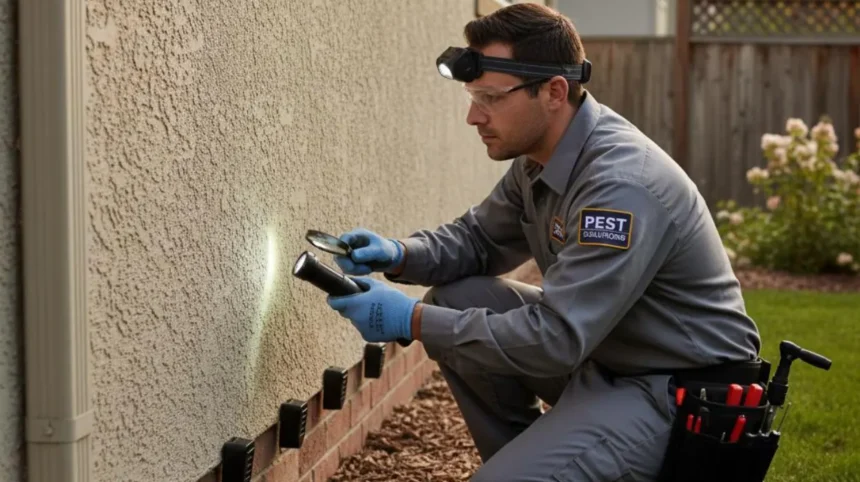
Pest control is an essential household maintenance service in Headingley, Leeds. It protects residential properties, rental accommodation, student houses, commercial premises and hospitality businesses from rodents, insects and other unwanted pests. Effective pest management combines professional inspection, appropriate treatment, structural repairs and preventative hygiene measures.
- What Is Pest Control and Why Is It Important in Headingley?
- Why Does Headingley Need Household Pest Prevention?
- How Does Pest Control Protect Household Health?
- What Is Integrated Pest Management?
- Which Household Pests Are Commonly Found in Headingley?
- How Can Residents Find Professional Pest Control Services in Headingley?
- What Does Leeds City Council Offer?
- Which Private Pest Control Providers Serve Headingley?
- What Should Residents Check Before Hiring a Pest Controller?
- How Much Does Pest Control Cost in Headingley?
- What Are the Published Leeds City Council Treatment Prices?
- What Factors Affect Private Pest Control Prices?
- How Does Professional Pest Control Treatment Work?
- Step 1: Pest Identification
- Step 2: Property Inspection
- Step 3: Risk Assessment
- Step 4: Targeted Treatment
- Step 5: Monitoring and Follow-Up
- Step 6: Prevention and Proofing
- How Can Households Prevent Rats and Mice From Entering Properties?
- How Can Residents Prevent Insects and Bed Bug Infestations?
- Prevent Bed Bugs in Bedrooms
- Prevent Fleas in Homes With Pets
- Prevent Ants and Cockroaches
- Prevent Silverfish and Clothes Moths
- What Pest Control Responsibilities Apply to Landlords and Tenants in Headingley?
- What Are Landlords Responsible For?
- What Are Tenants Responsible For?
- What Should Students in Headingley Do About Pest Problems?
- How Does Pest Control Differ Between Houses, Flats and Commercial Properties?
- Pest Prevention in Terraced Houses
- Pest Prevention in Flats
- Pest Prevention in Student Accommodation
- Pest Prevention in Restaurants and Shops
- How Should Residents Deal With Pest Problems in Gardens, Lofts and Outdoor Areas?
- What Historical and Environmental Factors Influence Property Pest Prevention in Headingley?
- What Should Residents Do When a Pest Infestation Returns?
- What Is the Future of Household Pest Prevention in Headingley?
Headingley is a popular residential and student neighbourhood in north-west Leeds. Its mix of Victorian and Edwardian terraced houses, converted properties, shared student accommodation, flats, gardens, restaurants and independent businesses creates different property maintenance requirements. Older buildings often contain gaps around pipework, roof spaces, floorboards and external walls. These spaces provide potential entry points and nesting locations for household pests.
Pest control services help property owners and occupants identify infestations, understand their causes and prevent recurring problems. Common concerns include rats, mice, bed bugs, fleas, ants, cockroaches, wasps, moths and silverfish.
Household prevention is equally important. Secure food storage, regular waste disposal, moisture control, property repairs and routine inspections reduce the conditions that attract pests.
What Is Pest Control and Why Is It Important in Headingley?
Pest control is the inspection, prevention and management of unwanted animals and insects that damage properties, contaminate food or create health risks. In Headingley, professional pest control protects homes, rental accommodation, gardens and businesses through targeted treatment and preventative property maintenance.
Pest control refers to methods used to identify, manage and eliminate unwanted organisms from residential and commercial environments. These organisms include rodents, insects and certain nuisance wildlife.
The objective is not simply to remove visible pests. Effective pest management identifies the conditions that support an infestation and addresses the underlying causes.
Why Does Headingley Need Household Pest Prevention?
Headingley contains a varied residential property landscape. Traditional terraced houses, converted Victorian buildings, student accommodation and modern apartments have different vulnerabilities.
Older buildings sometimes have damaged mortar, gaps beneath doors, deteriorating rooflines and openings around utility pipes. These defects provide access for rodents and crawling insects.
Shared accommodation also creates additional waste-management responsibilities. Multiple occupants use kitchens, food-storage areas, communal bins and bathrooms. Poor housekeeping in shared spaces creates opportunities for pest activity.
Restaurants, takeaways and food businesses require particular attention to waste storage, food preparation surfaces and drainage arrangements.
How Does Pest Control Protect Household Health?
Pests create different health and property risks.
Rodents contaminate food and surfaces through droppings and urine. Cockroaches transfer bacteria between contaminated areas and food preparation surfaces. Fleas and bed bugs cause bites and skin irritation. Wasps present a stinging risk, particularly for people with serious allergies.
Some pests also damage property. Mice and rats gnaw electrical cables, insulation, packaging and building materials. Clothes moth larvae damage wool, carpets and other natural fibres.
Professional pest management reduces these risks through appropriate identification, treatment and monitoring.
What Is Integrated Pest Management?
Integrated Pest Management (IPM) is an approach that combines prevention, inspection, monitoring and targeted treatment.
It prioritises environmental and structural improvements before relying on pesticides. Pest control professionals use IPM to identify the infestation, assess its severity, select an appropriate treatment and monitor the results.
The approach also reduces unnecessary chemical applications and supports longer-term household protection.

Which Household Pests Are Commonly Found in Headingley?
Common household pests in Headingley include rats, mice, bed bugs, fleas, ants, cockroaches, wasps, clothes moths and silverfish. Each pest has different entry points, warning signs and treatment requirements, making accurate identification essential before choosing a control method.
Different pests are attracted to different household conditions. Food waste attracts rodents and insects, damp environments support silverfish, and soft furnishings provide suitable habitats for bed bugs and textile pests.
1. Rats and Mice
Rats and mice are among the most important household pests because they contaminate food and damage buildings.
Mice produce small, dark droppings that resemble grains of rice. Other warning signs include gnawed food packaging, scratching sounds inside walls, nesting materials and greasy marks along frequently used routes.
Rat activity often produces larger droppings, burrow openings, gnawing damage and distinctive movement sounds in lofts or wall cavities.
Leeds City Council recommends checking external doors, pipe openings and damaged air vents to prevent rats entering homes. It specifically advises covering ventilation openings with suitable fine mesh rather than blocking ventilation completely.
2. Bed Bugs
Bed bugs are small insects that feed on human blood. They usually hide close to sleeping areas, particularly around mattress seams, bed frames, furniture joints and skirting boards.
Common signs include:
- Small dark stains on mattresses and bedding.
- Live insects around bed frames.
- Shed insect skins.
- Small blood spots on sheets.
- Clusters of itchy bites.
Bed bugs spread through infested luggage, clothing, furniture and other belongings. They are not evidence of poor personal hygiene.
Leeds City Council advises professional treatment because bed bug infestations are difficult to eliminate completely using ordinary household products.
3. Fleas
Fleas are small jumping insects commonly associated with cats, dogs and other animals.
Adult fleas feed on blood, while their eggs frequently fall into carpets, bedding and furniture. Larvae develop in protected areas before emerging as adult fleas.
Signs include excessive pet scratching, visible insects and small dark particles in pet bedding.
Effective flea management requires appropriate veterinary treatment for pets alongside cleaning and treatment of affected household areas.
4. Ants
Black garden ants frequently enter houses in search of food. Kitchens, cupboards, window frames and external wall openings are common locations for ant activity.
Visible trails usually connect a food source with an outdoor nest or indoor hiding place.
Removing food residues, cleaning spillages and sealing entry gaps helps reduce ant activity. Persistent infestations require identification of the nest and an appropriate treatment strategy.
5. Cockroaches
Cockroaches are particularly concerning in kitchens and food preparation environments.
They hide in warm, dark spaces, including areas behind refrigerators, cookers, cupboards and plumbing installations.
Warning signs include live insects, droppings, egg cases and unpleasant odours. Cockroaches are frequently more visible at night.
Professional treatment is important because infestations often involve concealed nesting areas.
6. Wasps
Wasps commonly establish seasonal nests in lofts, roof spaces, wall cavities, sheds and garden structures.
Frequent wasp movement through one opening indicates a possible active nest.
Wasps become a safety concern when nests are close to doors, windows, gardens and frequently used outdoor spaces. People with severe sting allergies require particular care.
Leeds City Council recommends professional assistance for nests above head height.
7. Clothes Moths and Silverfish
Clothes moth larvae feed on natural materials such as wool, silk and other animal-derived fibres. They damage clothing, carpets, upholstery and stored textiles.
Silverfish prefer damp environments and frequently appear in bathrooms, kitchens, basements and areas beneath flooring.
Reducing moisture, improving ventilation and storing vulnerable fabrics properly helps prevent these infestations.
How Can Residents Find Professional Pest Control Services in Headingley?
Residents can find pest control services in Headingley through Leeds City Council, established regional companies and independent pest management specialists. Compare treatment methods, insurance, qualifications, written quotations, follow-up arrangements and prevention advice before appointing a provider.
Professional pest controllers inspect properties, identify pest species and recommend suitable treatments. Their services cover domestic homes, student accommodation, landlords, offices, restaurants and other commercial premises.
What Does Leeds City Council Offer?
Leeds City Council provides pest control services to residents and businesses throughout Leeds.
Its service covers a range of household pests, including rats, mice, bed bugs, ants, fleas, cockroaches and wasps.
The council states that its pest control officers have more than 70 years of combined experience and are members of the National Pest Technicians Association. Its service also uses BASIS PROMPT registration.
The council aims to use pesticides only when justified and provides information about identifying pests, arranging treatments and understanding charges.
Which Private Pest Control Providers Serve Headingley?
Several Leeds-area pest management companies advertise services covering Headingley and surrounding neighbourhoods.
The following providers offer starting points for comparing local services.
The Pest Company – Leeds
Based at Lawnswood Business Park, Leeds LS16 6QY. Provides residential and commercial pest management across Leeds and surrounding areas.
Wasptec Pest Control
Based in Pudsey, serving Leeds and wider West Yorkshire. Advertised services include rodent control, bed bug treatment, cockroach management and wasp nest removal.
Pestek Pest Control
Leeds-based domestic pest control provider offering services for rodents and other common household pests.
Surekill Pest Control
Based at Cardigan Mills, Burley, Leeds LS4 2BL. Provides domestic and commercial pest management services.
These are potential providers to investigate, not endorsements. Service coverage, prices and appointment availability should be confirmed directly.
What Should Residents Check Before Hiring a Pest Controller?
Residents should assess the provider’s professional credentials and treatment arrangements.
The British Pest Control Association (BPCA) is a UK trade association representing professional pest management businesses. Membership provides a useful starting point when checking a company’s professional standards.
Before accepting a quotation, confirm:
- Whether the company has appropriate insurance.
- Whether technicians hold relevant pest management qualifications.
- Whether the proposed treatment suits the identified pest.
- Whether follow-up visits are included.
- Whether structural proofing is available.
- Whether pets and children require special precautions.
- Whether a written treatment report is provided.
A reliable provider explains the treatment process, preparation requirements and measures needed to prevent another infestation.

How Much Does Pest Control Cost in Headingley?
Pest control costs in Headingley depend on the pest species, infestation severity, property size and number of required visits. Leeds City Council publishes treatment prices for residents, while private providers establish their own quotations and service packages.
The total cost of pest control includes more than the initial inspection. Some infestations require repeated treatments, monitoring equipment, proofing work and specialist cleaning.
What Are the Published Leeds City Council Treatment Prices?
The council publishes individual charges for different household pests.
The following prices are taken from its published resident treatment information and should be checked again before booking.
Prices include VAT. Figures are published Leeds City Council prices, not guaranteed private-sector rates. Some treatments have specific visit limits or conditions.
The council states that bed bug treatment costs £190 and covers up to three treatments. Cockroach treatment includes a minimum of three visits.
For eligible Housing Leeds tenants, rat treatment is free. Residents should confirm eligibility and conditions directly with the council.
What Factors Affect Private Pest Control Prices?
Private pest control quotations reflect the complexity of each infestation.
A small ant problem requires a different treatment programme from an established rat infestation inside a building. Bed bug treatment also involves preparation and repeated monitoring.
Other cost factors include property access, loft inspections, treatment equipment, proofing materials and emergency attendance.
Residents should request a written quotation that explains what the price includes. Comparing the total treatment programme is more useful than comparing initial call-out charges alone.
How Does Professional Pest Control Treatment Work?
Professional pest control follows a structured process involving identification, inspection, risk assessment, treatment, monitoring and prevention. Technicians select suitable methods according to pest behaviour, property conditions and infestation severity, then explain the actions required to reduce future pest activity.
Professional treatment begins with an assessment rather than immediate pesticide application.
Step 1: Pest Identification
The technician identifies the pest species using physical evidence, droppings, damage, nesting activity and other signs.
Accurate identification is important because different pests require different treatment methods.
For example, treating a mouse infestation requires a different approach from treating bed bugs or cockroaches.
Step 2: Property Inspection
The technician examines affected rooms and potential entry points.
An inspection can include kitchens, bathrooms, lofts, basements, cupboards, roof spaces, external walls and garden areas.
The objective is to identify the source of the infestation and understand how pests move through the building.
Step 3: Risk Assessment
The pest controller considers occupants, pets, food preparation areas and environmental conditions.
Treatment plans account for access restrictions, chemical exposure risks and the possibility of pests moving between rooms or neighbouring properties.
Step 4: Targeted Treatment
Treatment methods depend on the pest.
Common approaches include:
- Rodent control using secured bait stations and traps.
- Insect control using suitable insecticidal products.
- Bed bug treatment using professional chemical or heat-based methods.
- Cockroach management using monitoring devices and targeted gels.
- Wasp nest treatment using appropriate professional equipment.
The technician explains preparation instructions and any temporary restrictions on room access.
Step 5: Monitoring and Follow-Up
Some infestations require multiple visits.
Monitoring confirms whether pest activity has reduced and whether additional treatment is necessary.
The technician also checks whether entry points, food sources and nesting conditions have been addressed.
Step 6: Prevention and Proofing
Proofing involves repairing or sealing openings that allow pests to enter buildings.
Examples include fitting door brushes, repairing damaged vents, sealing pipe openings and fixing gaps around external walls.
Prevention is essential because treatment without addressing access points often allows infestations to return.
How Can Households Prevent Rats and Mice From Entering Properties?
Households can prevent rodents by securing food waste, maintaining clean kitchens, repairing structural openings and storing rubbish in closed containers. Regular inspections of doors, vents, pipework, lofts and gardens help identify potential entry points before an infestation develops.
Rodents enter properties in search of food, water, shelter and nesting materials.
Small openings around buildings provide access to kitchens, lofts, garages and wall cavities.
Seal External Entry Points
Inspect the outside of the property regularly.
Check gaps around pipes, damaged brickwork, door thresholds, ventilation openings and roof edges.
Leeds City Council recommends fitting suitable brush or bristle strips beneath external doors. It also advises using wire wool followed by an appropriate filling material around pipe openings.
Damaged air vents require suitable repair or fine mesh covering. Ventilation openings must remain functional.
Maintain Kitchen Hygiene
Food scraps, crumbs and uncovered ingredients attract rodents.
Clean worktops after food preparation. Wash dishes promptly and remove rubbish regularly.
Store dry food in sealed containers made from durable materials. Avoid leaving pet food exposed overnight.
Manage Garden Waste
Overgrown vegetation and accumulated materials provide shelter for rodents.
Keep garden storage areas organised and remove unused cardboard, timber and debris.
Inspect composting areas and outdoor food storage arrangements regularly.
Secure Household Rubbish
Use suitable bins with secure lids.
Avoid leaving refuse bags outside for extended periods. Place household waste in designated collection areas according to Leeds City Council arrangements.
How Can Residents Prevent Insects and Bed Bug Infestations?
Insect prevention requires regular cleaning, moisture management, safe food storage and careful inspection of furniture, bedding and clothing. Households should identify early warning signs, isolate affected items and arrange appropriate professional treatment for persistent or difficult infestations.
Different insects require different preventative measures.
Prevent Bed Bugs in Bedrooms
Inspect mattress seams, bed frames and upholstered furniture regularly.
When travelling, examine accommodation sleeping areas and keep luggage away from beds and upholstered furniture.
After returning home, inspect luggage and wash suitable clothing at the highest temperature permitted by its care label. Use a hot dryer cycle where the fabric allows.
If bed bugs are suspected, avoid moving infested furniture into other rooms. Contact a professional pest controller for identification and treatment advice.
Prevent Fleas in Homes With Pets
Maintain regular veterinary flea prevention for cats and dogs.
Wash pet bedding according to its care instructions. Vacuum carpets, rugs and furniture, paying attention to areas where pets rest.
Empty vacuum cleaners safely after use.
Treating pets without addressing an established household infestation often fails to resolve the problem.
Prevent Ants and Cockroaches
Clean food preparation surfaces and remove sugary spillages promptly.
Store food in sealed containers and inspect cupboards for crumbs and food residue.
Repair leaking pipes and reduce unnecessary moisture beneath sinks.
Avoid leaving rubbish or dirty dishes in kitchens overnight.
Prevent Silverfish and Clothes Moths
Maintain ventilation in bathrooms and kitchens. Repair leaks and address persistent dampness.
Store clean woollen clothing in suitable sealed containers.
Vacuum wardrobes, carpets and areas beneath furniture. Inspect stored fabrics for holes, larvae and insect cases.
What Pest Control Responsibilities Apply to Landlords and Tenants in Headingley?
Landlords and tenants both have responsibilities for maintaining pest-free rental accommodation. Landlords must address relevant structural defects and housing hazards, while tenants must maintain reasonable cleanliness, manage household waste and report pest activity promptly. Responsibility depends on the infestation’s cause and the tenancy agreement.
Headingley has a substantial student and private rental housing market. Pest management is therefore an important part of property maintenance.
What Are Landlords Responsible For?
Landlords are responsible for maintaining rented properties in a condition that meets applicable housing standards.
Structural problems such as defective walls, damaged roof coverings, broken vents and gaps around pipes require appropriate maintenance.
Under the Landlord and Tenant Act 1985, landlords have statutory repair responsibilities covering the structure and exterior of relevant rented dwellings, along with specified installations.
The Housing Act 2004 also establishes the Housing Health and Safety Rating System (HHSRS). This framework allows local authorities to assess housing hazards, including relevant risks associated with pests and poor property conditions.
A landlord’s responsibility depends on the specific circumstances. An infestation caused by a structural defect differs from one caused by avoidable household waste accumulation.
What Are Tenants Responsible For?
Tenants should maintain reasonable household cleanliness and report suspected infestations promptly.
Important responsibilities include:
- Keeping kitchens and food storage areas clean.
- Disposing of household waste correctly.
- Avoiding excessive rubbish accumulation.
- Reporting leaks and structural defects.
- Informing landlords about visible pest activity.
- Following professional treatment instructions.
Tenants should photograph visible evidence and retain written communication with the landlord.
What Should Students in Headingley Do About Pest Problems?
Students living in shared accommodation should report pest activity to the landlord or managing agent as soon as possible.
The Leeds University Union advice service provides guidance about pests and vermin in rented properties. It recommends contacting the landlord first and explains that structural defects and household behaviour can affect responsibility.
Students should avoid paying for treatment before checking the tenancy agreement and discussing the problem with the landlord.
How Does Pest Control Differ Between Houses, Flats and Commercial Properties?
Pest control requirements differ according to building design, occupancy and business activity. Houses require attention to gardens and external entry points, flats need coordinated communal-area management, and commercial premises require documented inspections and effective hygiene procedures.
Property type influences how pests enter and spread.
Pest Prevention in Terraced Houses
Traditional terraced houses often have connected roof structures, adjoining walls and shared boundaries.
Inspections should cover roof spaces, floor voids, external walls, kitchens, drains and garden boundaries.
Where neighbouring properties share access routes, pest management sometimes requires communication between property owners.
Pest Prevention in Flats
Flats have shared entrances, communal waste facilities and service spaces.
Building managers should maintain communal corridors, bin stores and external access points.
Residents should report pest activity in shared spaces to the building manager rather than treating isolated areas without addressing the wider source.
Pest Prevention in Student Accommodation
Shared student properties require coordinated cleaning and waste-management arrangements.
Landlords and managing agents should establish clear responsibilities for communal kitchens, refuse areas and routine property inspections.
New tenants should inspect bedrooms and furniture when moving in.
Pest Prevention in Restaurants and Shops
Restaurants, cafés, takeaways and food retailers require more formal pest management arrangements.
Food businesses must comply with applicable food hygiene legislation, including the Food Safety Act 1990 and assimilated food hygiene requirements.
Pest prevention involves:
- Securing food storage.
- Maintaining clean preparation areas.
- Removing waste promptly.
- Checking deliveries and storage areas.
- Repairing structural openings.
- Keeping records of pest inspections and treatments.
Leeds City Council offers businesses a free survey and quotation for pest control. Its commercial services include one-off treatments and fixed-price annual contracts.
How Should Residents Deal With Pest Problems in Gardens, Lofts and Outdoor Areas?
Garden and loft pest prevention depends on removing nesting opportunities, managing waste, repairing building defects and maintaining suitable outdoor conditions. Residents should distinguish between harmful infestations and beneficial wildlife before choosing a treatment or requesting professional assistance.
Pests are not restricted to indoor rooms.
Gardens, sheds, roof spaces, garages and outdoor storage areas provide shelter and nesting opportunities.
Garden Pest Prevention
Keep grass, hedges and shrubs maintained around the property.
Remove unused materials that create sheltered nesting areas. Store outdoor rubbish securely and avoid leaving pet food outside.
Do not feed foxes. Feeding wildlife encourages repeated visits and increases scavenging activity.
Leeds City Council recommends securing rubbish containers and keeping gardens tidy to discourage fox activity.
Loft and Roof Space Prevention
Inspect lofts for droppings, nesting materials, damaged insulation and gnawing marks.
Check roof tiles, fascia boards, soffits and ventilation openings.
Grey squirrels frequently occupy roof spaces and damage insulation and electrical wiring. Their activity requires specialist assessment and appropriate proofing.
Protecting Bees and Other Beneficial Insects
Not every insect found around a property requires extermination.
Bees play an important role in pollination. Leeds City Council does not provide bee treatments and recommends leaving bees undisturbed where possible.
Honey bee swarms should be referred to an appropriate local beekeeper.
Wasps require a separate assessment because active nests close to occupied spaces create a potential safety concern.
What Historical and Environmental Factors Influence Property Pest Prevention in Headingley?
Headingley’s historic residential buildings and established gardens create specific property maintenance considerations. Older building materials, concealed voids, roof spaces and mature outdoor environments require careful inspection, appropriate repairs and preventative pest management.
Headingley’s development includes historic residential streets, traditional terraces and properties associated with Leeds’ wider nineteenth-century urban expansion.
Victorian and Edwardian buildings often have construction features that require ongoing maintenance. These include older drainage arrangements, timber flooring, roof cavities, traditional masonry and external ventilation systems.
Such features do not automatically indicate an infestation. However, neglected maintenance creates potential access points and sheltered spaces for pests.
Residents renovating older properties should inspect concealed areas before closing walls, replacing flooring or installing insulation.
External improvements should preserve necessary ventilation and avoid creating new gaps around utility installations.
As residents maintain modern homes and renovated buildings, they also preserve a neighbourhood with a distinctive architectural past. Explore the [Insert Anchor Text for Headingley History and Historical Architecture Article Here] to understand the area’s development and historic residential character.
How Does Sustainable Pest Management Protect the Local Environment?
Responsible pest management focuses on controlling harmful infestations without unnecessarily affecting wildlife.
Integrated Pest Management encourages prevention, monitoring and targeted treatment.
Professionals assess whether non-chemical approaches are suitable before recommending pesticides.
Residents should avoid placing unsecured poison or traps where children, pets and non-target wildlife can access them.
Pesticides must always be used according to their product instructions and applicable safety requirements.
Explore More Area Guide
Headingley Garden Maintenance and Landscaping Services Guide
Headingley Window Cleaning and Exterior Property Care
What Should Residents Do When a Pest Infestation Returns?
A recurring infestation requires a review of the original treatment, entry points, sanitation and surrounding property conditions. Residents should document new evidence, contact the original provider and arrange further inspection when pest activity continues after treatment.
Recurring infestations often indicate that an underlying cause remains unresolved.
A successful treatment removes or reduces the existing pest population. Long-term prevention also requires addressing food supplies, moisture, nesting locations and entry points.
Review the Previous Treatment
Check the technician’s treatment report and follow-up instructions.
Establish whether the original treatment programme was completed and whether monitoring identified continuing activity.
Do not apply additional pesticides without checking compatibility with the previous treatment.
Inspect Surrounding Areas
Check cupboards, lofts, wall openings, external walls, gardens and communal waste facilities.
In shared buildings, investigate whether pests are entering from adjoining properties or common areas.
Request Further Professional Advice
Contact the original provider if the agreed treatment programme has not resolved the problem.
Ask whether further inspections, monitoring or structural proofing are required.
Where the issue involves neighbouring premises or public environmental conditions, residents can also seek advice from Leeds City Council.
What Is the Future of Household Pest Prevention in Headingley?
Household pest prevention increasingly combines professional monitoring, structural improvements, environmental management and targeted treatments. Regular property inspections and better waste management provide practical long-term protection for Headingley’s homes, rental accommodation and commercial premises.
Modern pest management places greater emphasis on prevention rather than repeated reactive treatment.
Property owners increasingly recognise the value of sealing entry points, maintaining drainage, repairing building defects and monitoring pest activity.
Technology in Professional Pest Management
Modern pest management uses monitoring devices, digital inspection records and targeted treatment equipment.
Monitoring systems help technicians identify activity and understand where pests are moving.
Professional reporting also gives landlords and businesses a clearer record of inspections, treatments and outstanding maintenance work.
The Importance of Regular Property Maintenance
Preventative maintenance reduces the conditions that support infestations.
A practical maintenance programme includes:
- Seasonal inspections of roof spaces and external walls.
- Regular checks of door seals and ventilation openings.
- Secure household waste storage.
- Kitchen and bathroom moisture management.
- Inspection of mattresses and stored fabrics.
- Prompt repairs to leaking pipes and damaged masonry.
Building a Pest-Resistant Headingley
Households, landlords, students, property managers and businesses all contribute to local pest prevention.
Effective waste management reduces food sources. Well-maintained buildings reduce access points. Responsible treatment protects occupants and surrounding wildlife.
Combining these measures creates healthier indoor environments and reduces the likelihood of recurring infestations.
Which pest control services are available in Headingley, Leeds?
Headingley residents can access professional pest control for rats, mice, bed bugs, fleas, ants, cockroaches, wasps, silverfish and clothes moths. Leeds City Council and private pest management companies provide domestic and commercial treatments.