Balcony gardening in Headingley provides a practical way to grow plants, herbs, flowers, fruit and vegetables without owning a traditional garden. Residents in flats, rented properties and student accommodation can transform balconies, terraces, patios and window areas into productive outdoor spaces using containers, vertical planters and compact growing systems.
- What Is Balcony Gardening and Why Is It Suitable for Headingley Homes?
- How Can Residents Assess a Balcony Before Starting a Garden?
- Measuring the available space
- Checking sunlight exposure
- Understanding wind exposure
- Checking structural capacity
- Understanding drainage
- What Plants Grow Best on Small Balconies in Headingley?
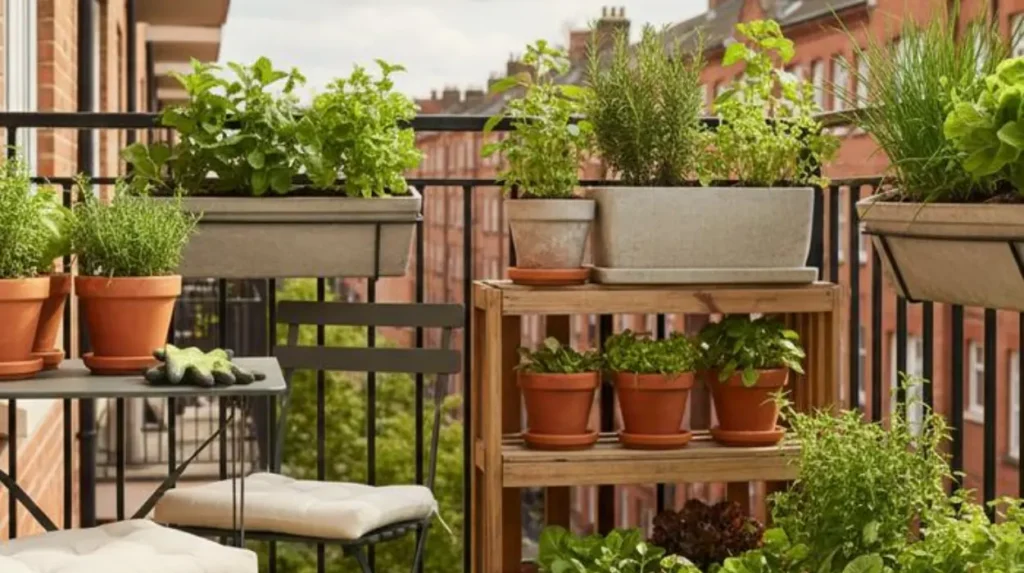
- Herbs for small balconies
- Vegetables for compact spaces
- Fruit for balcony gardens
- Flowers and ornamental plants
- How Can You Design a Small Balcony Garden Without Losing Space?
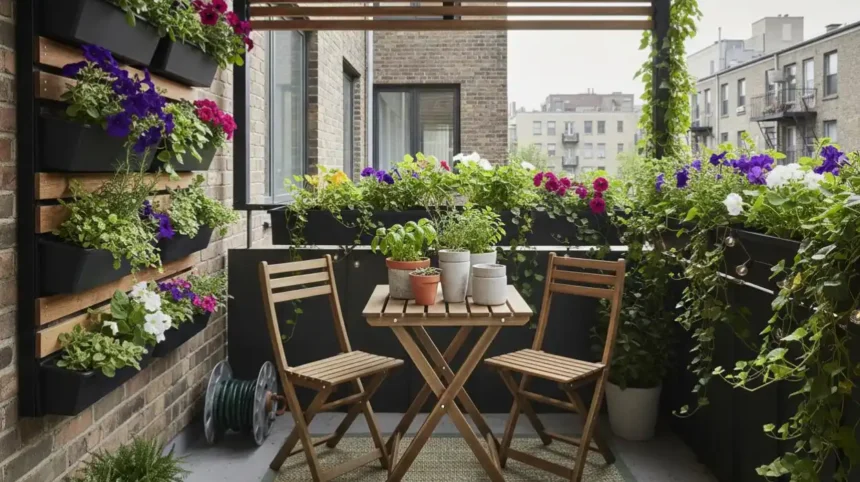
- Use vertical gardening systems
- Choose compact containers
- Create functional growing zones
- Use railings carefully
- What Containers, Compost and Equipment Are Needed for Balcony Gardening?
- Selecting containers
- Choosing peat-free compost
- Essential gardening equipment
- Drainage and water retention
- How Should Balcony Plants Be Watered and Maintained Throughout the Year?
- Watering during spring and summer
- Managing watering during autumn and winter
- Feeding container plants
- Pruning and repotting
- What Can Residents Grow on a Headingley Balcony During Each Season?
- How Can Small Balcony Gardens Support Wildlife and Biodiversity in Headingley?
- Growing plants for pollinators
- Creating small wildlife habitats
- Choosing environmentally responsible materials
- What Rules and Safety Considerations Apply to Balcony Gardening in Headingley?
- Rules for rented accommodation
- Leasehold and apartment building requirements
- Balcony weight and structural safety
- Fire safety and escape routes
- Preventing water damage and falling objects
- What Are the Best Budget-Friendly Balcony Gardening Ideas for Headingley Residents?
- Reuse suitable household containers
- Grow plants from seeds
- Propagate suitable plants
- Start with a compact gardening budget
- How Can Residents Make Balcony Gardens More Sustainable and Productive?
- Reduce water consumption
- Use peat-free compost
- Reduce gardening waste
- Grow edible plants that provide regular harvests
- Combine edible and ornamental planting
- How Can Residents Create a Practical Balcony Garden in a Small Headingley Flat?
- Example of a compact balcony layout
- Example of a beginner planting collection
- A manageable weekly gardening routine
- How Does Headingley’s History and Urban Development Relate to Small Outdoor Gardening?
- What Are the Long-Term Benefits of Balcony Gardening in Headingley?
Headingley is a popular residential area in north-west Leeds, known for its Victorian and Edwardian housing, student population, independent businesses and proximity to the University of Leeds and Leeds Beckett University. Its mix of traditional terraces, converted properties, modern flats and shared accommodation creates different opportunities for small-space gardening.
Limited outdoor space does not prevent residents from enjoying gardening. A carefully planned balcony garden uses available sunlight, suitable containers, lightweight materials and plants that tolerate local weather conditions. Even a small balcony can accommodate herbs, seasonal flowers, strawberries and compact vegetables.
For residents interested in improving their outdoor living environment, balcony gardening also supports biodiversity, provides access to fresh ingredients and makes underused spaces more functional.
What Is Balcony Gardening and Why Is It Suitable for Headingley Homes?
Balcony gardening is the practice of growing plants, flowers, herbs and edible crops in containers or vertical systems on balconies and other compact outdoor spaces. It suits Headingley homes because it uses limited floor area, requires no traditional garden and supports flexible planting arrangements.
Balcony gardening is a form of container gardening. Container gardening involves growing plants in pots, troughs, window boxes, hanging baskets and other suitable vessels instead of planting directly into the ground.
The method is particularly useful in urban neighbourhoods where outdoor land is limited. Residents living in flats, converted Victorian properties and rented accommodation can grow plants without requiring access to a private garden.
The Royal Horticultural Society (RHS) identifies balconies, patios, doorsteps and small gardens as suitable locations for container gardening. Its guidance confirms that a wide range of plants, including vegetables, shrubs, flowers and small trees, can grow successfully in containers.
Headingley has a varied residential landscape. Some properties have private balconies, while others provide small courtyards, shared outdoor areas, terraces or window ledges. Each space requires a different planting arrangement.
Why balcony gardening works in Headingley
- It makes use of otherwise underused outdoor areas.
- It provides opportunities to grow fresh herbs and vegetables.
- It introduces greenery into densely developed residential streets.
- It supports pollinating insects through flowering plants.
- It allows renters to use movable containers rather than permanent garden installations.
- It creates practical outdoor areas for relaxation and everyday activities.
Balcony gardening also suits people with limited gardening experience. Starting with a few herb pots or seasonal flowers keeps the initial arrangement manageable.
Residents should assess their available space, sunlight, wind exposure and building restrictions before purchasing containers or plants.
How Can Residents Assess a Balcony Before Starting a Garden?
Assessing a balcony involves checking its available floor area, sunlight, wind exposure, drainage, accessibility and structural restrictions. These checks determine which plants, containers and growing systems are suitable and prevent problems involving excessive weight, water leakage or falling objects.
The first stage of balcony gardening is understanding the physical conditions of the outdoor space.
A balcony that receives direct sunlight throughout the afternoon requires different plants from one that remains shaded by neighbouring buildings. Similarly, an exposed upper-floor balcony experiences different wind conditions from a sheltered ground-floor terrace.
Measuring the available space
Measure the balcony’s length and width before buying gardening equipment. Record the position of doors, railings, drainage outlets and walking routes.
Leave sufficient room for residents to enter and exit safely. Containers should not obstruct emergency access, door openings or shared escape routes.
A narrow balcony benefits from arrangements that use walls and vertical surfaces rather than occupying the entire floor.
Checking sunlight exposure
Observe the balcony at different times of the day.
Most edible crops require several hours of direct sunlight. Tomatoes, peppers and strawberries perform best in brighter positions, while leafy vegetables and some herbs tolerate partial shade.
A simple sunlight assessment should identify:
- Morning sunlight.
- Afternoon sunlight.
- Areas receiving continuous shade.
- Locations affected by neighbouring buildings.
- Areas sheltered by walls or balcony overhangs.
This assessment helps residents match plants to their actual growing conditions.
Understanding wind exposure
Wind is an important consideration for elevated outdoor spaces.
Strong air movement increases moisture loss from containers and damages delicate stems. Lightweight pots also become unstable during severe weather.
The RHS identifies strong winds and sunshine as major environmental limitations for balcony and roof gardens. It recommends using existing walls and sheltered areas to create more suitable growing conditions.
Slatted screens and mesh barriers provide filtered wind protection where installation is permitted. Residents should avoid attaching large structures to railings without appropriate approval and secure fixings.
Checking structural capacity
Balcony weight restrictions require particular attention.
Water-saturated compost, containers, plants and gardening equipment add considerable weight. Large planters filled with wet growing medium create greater loads than their empty weight suggests.
Residents should never assume that a balcony supports unlimited additional weight. Check the property documentation and seek advice from the landlord, managing agent or a qualified structural professional where necessary.
Do not attach heavy hanging baskets, large planters or permanent structures without checking the building’s requirements.
Understanding drainage
Water should drain freely from planting containers without damaging the balcony surface or affecting neighbouring properties.
Check where excess water travels after rainfall or watering. Avoid allowing water to spill over balcony edges.
Residents in rented accommodation should also confirm whether the building has restrictions covering outdoor water use, drainage and fixtures.
What Plants Grow Best on Small Balconies in Headingley?
The best balcony plants for Headingley include compact herbs, leafy vegetables, strawberries, seasonal flowers and hardy ornamental varieties. Suitable choices depend on sunlight, container size, wind exposure and maintenance requirements, with sheltered positions supporting a wider range of plants.
Plant selection determines how productive and manageable a small balcony garden becomes.
Headingley’s outdoor conditions reflect the wider Leeds climate, including cool winters, variable rainfall and occasional summer heat. Elevated balconies also experience local differences in sunlight and wind exposure.
Choosing plants suited to these conditions reduces maintenance and improves growing success.
Herbs for small balconies
Herbs are among the most practical choices for compact outdoor gardens.
They require relatively little floor space and provide ingredients for everyday cooking.
Suitable examples include:
- Mint, grown in its own container because its roots spread aggressively.
- Rosemary, which prefers sunny conditions and free-draining compost.
- Thyme, a compact herb suited to smaller pots.
- Chives, which grow well in containers and produce edible leaves.
- Parsley, which tolerates partial shade.
- Coriander, which grows well in cooler conditions when regularly harvested.
Residents should choose containers with drainage holes and use appropriate peat-free growing compost.
A small herb collection near the kitchen door provides convenient access to fresh ingredients.
Vegetables for compact spaces
Leafy vegetables and compact crops provide productive options for small balconies.
Suitable examples include lettuce, spinach, radishes, spring onions and compact tomato varieties.
Lettuce and spinach grow well in relatively shallow containers. Radishes provide a quick-growing crop, while spring onions fit into narrow troughs.
Cherry tomatoes require larger containers, regular watering and sufficient sunlight. Supporting stakes or compact cages help prevent stems from breaking under the weight of developing fruit.
Residents should select varieties specifically described as compact or suitable for container growing.
Fruit for balcony gardens
Strawberries are suitable for containers, troughs and hanging baskets. Their compact growth makes them useful where floor space is restricted.
Dwarf fruit trees and compact berry bushes also provide options for larger balconies with sufficient structural capacity.
Examples include:
- Strawberries in hanging baskets.
- Compact raspberries in deep containers.
- Dwarf apple trees on suitable rootstocks.
- Compact blueberries in appropriately acidic compost.
Fruit plants require suitable growing conditions and regular watering. Blueberries need acidic growing media, making compost selection particularly important.
Flowers and ornamental plants
Flowering plants improve the appearance of small outdoor spaces and provide resources for pollinating insects.
Suitable examples include lavender, nasturtiums, hardy geraniums, sedums and compact ornamental grasses.
Lavender performs well in sunny positions with good drainage. Sedums tolerate relatively dry conditions, while nasturtiums provide colourful flowers and can grow in containers or climb suitable supports.
Residents should prioritise hardy varieties for exposed balconies and protect more delicate plants during colder periods.
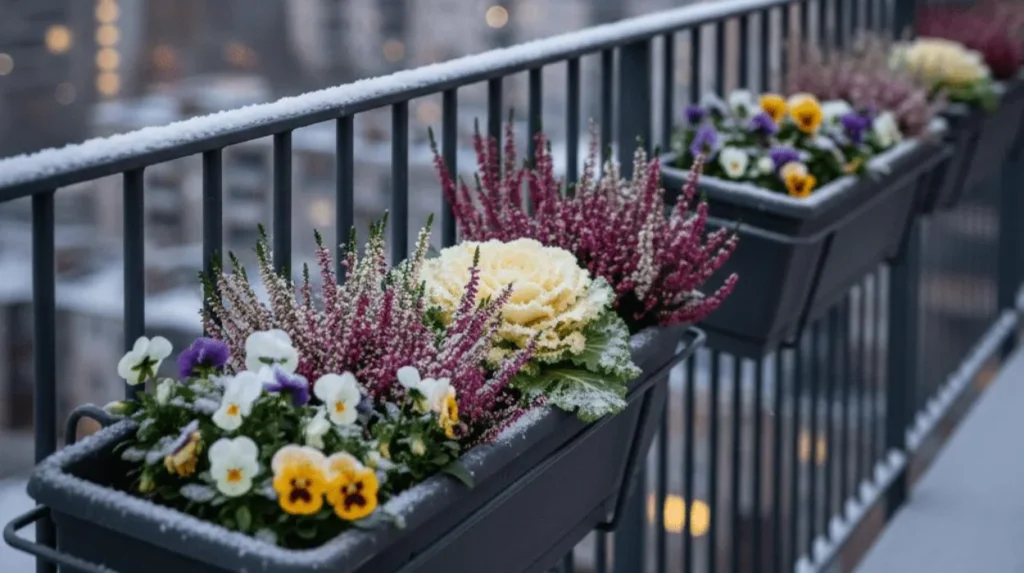
How Can You Design a Small Balcony Garden Without Losing Space?
A successful small balcony garden uses vertical planting, compact containers, organised growing zones and practical furniture. Combining different container heights creates planting capacity without occupying unnecessary floor space, while clear walking routes preserve access and everyday usability.
Small-space garden design requires careful organisation. The objective is to introduce greenery without making the balcony difficult to use.
A useful arrangement combines three growing levels: floor containers, railing-level planters where permitted and vertical growing structures.
Use vertical gardening systems
Vertical gardening uses wall-mounted planters, shelving and freestanding plant stands to increase growing capacity.
Examples include:
- Tiered plant shelves for herbs and flowers.
- Wall-mounted pockets for lightweight plants.
- Freestanding vertical frames for strawberries.
- Narrow trellises for suitable climbing plants.
Vertical systems are particularly useful for narrow balconies.
However, residents must obtain permission before drilling into external walls or attaching fixtures to building structures. Freestanding arrangements are often more appropriate for rented properties.
Choose compact containers
Rectangular troughs fit against walls and along suitable balcony edges. Small individual pots allow residents to separate plants with different watering requirements.
Lightweight plastic, fibreglass and suitable composite materials reduce the weight of empty containers compared with heavier traditional materials.
Container size should match the plant’s root requirements. Small pots dry out quickly, while excessively large containers can retain unnecessary moisture around young plants.
Create functional growing zones
A well-organised balcony separates gardening activities from everyday use.
One section can accommodate edible plants, another can hold ornamental flowers, and a third can provide seating.
For example, a narrow Headingley balcony can use a vertical herb stand near the door, a trough of salad leaves along a sheltered wall and one compact chair in the remaining space.
This arrangement provides greenery while preserving practical access.
Use railings carefully
Rail-mounted planters provide additional growing capacity, but they require secure installation.
Only use approved fixtures that fit the railing correctly. Check lease conditions, building rules and safety requirements before installing them.
Never position unsecured containers where they can fall onto pedestrians, neighbouring balconies or public areas.
What Containers, Compost and Equipment Are Needed for Balcony Gardening?
Balcony gardening requires containers with drainage holes, suitable peat-free compost, appropriate watering equipment and basic gardening tools. The right combination depends on plant type, available weight capacity and growing conditions, with lightweight equipment particularly useful for elevated outdoor spaces.
Choosing the right growing equipment improves plant health and reduces unnecessary maintenance.
Residents do not need a large collection of gardening products. A small starter arrangement usually requires a few containers, compost, a watering can and basic hand tools.
Selecting containers
Different container materials provide different advantages.
Plastic containers are lightweight and retain moisture more effectively than porous terracotta. Fibreglass containers offer another lightweight option. Terracotta provides a traditional appearance but is heavier and dries out more quickly.
Suitable container examples include:
- Rectangular troughs for lettuce and herbs.
- Deep pots for tomatoes.
- Hanging baskets for strawberries and trailing flowers.
- Small pots for individual herbs.
- Tiered planters for mixed ornamental planting.
Every container needs suitable drainage.
Choosing peat-free compost
Compost provides the growing medium that supports plant roots, moisture retention and nutrient availability.
The RHS recommends choosing peat-free compost for container gardening. Commercial options include multipurpose, seed-sowing and specialist growing mixes.
Examples include multipurpose peat-free compost for general planting, seed compost for germination and ericaceous compost for acid-loving plants such as blueberries.
Choose a product suited to the intended crop rather than using one compost type for every plant.
Essential gardening equipment
A practical starter kit includes a small watering can, hand trowel, gardening gloves, pruning scissors and plant labels.
A moisture meter provides additional information about compost conditions, although checking the growing medium with a finger is sufficient for many beginners.
A lightweight watering can is easier to use in confined spaces.
Residents should also keep a small cleaning brush available to remove fallen leaves and spilled compost.
Drainage and water retention
Drainage prevents water from collecting around plant roots.
RHS guidance recommends keeping drainage holes clear and raising containers slightly where necessary to prevent waterlogging.
Pot feet or suitable supports allow excess water to escape beneath containers.
During dry periods, saucers can catch excess water and reduce waste. Remove standing water during wetter conditions to prevent roots remaining saturated.
How Should Balcony Plants Be Watered and Maintained Throughout the Year?
Balcony plants need regular watering, appropriate feeding, pruning and seasonal protection. Containers dry out faster than garden soil because they hold limited compost, while exposed balconies experience additional moisture loss from wind and direct sunlight.
Water management is one of the most important parts of successful container gardening.
Plants growing in the ground access larger volumes of soil and moisture. Container plants depend on the limited growing medium inside their pots.
The RHS recommends checking container moisture regularly during warm weather. Small pots in sunny or windy locations require particular attention.
Watering during spring and summer
Spring and summer are active growing periods for many balcony plants.
Residents should check compost moisture regularly and water when the growing medium begins to dry. During hot weather, some containers require watering twice daily.
Water the compost directly rather than repeatedly wetting leaves. Apply water slowly until excess moisture drains through the container’s drainage holes.
Morning watering is practical because it allows plants to absorb moisture before daytime temperatures increase.
Managing watering during autumn and winter
Cooler weather generally reduces the amount of water plants require.
However, sheltered balconies receive less natural rainfall because overhanging structures prevent water from reaching containers.
Check compost moisture before watering. Avoid leaving containers standing in water during prolonged wet conditions.
Group suitable containers near a sheltered wall during winter to reduce exposure to cold conditions.
Tender plants require additional protection, particularly during frost.
Feeding container plants
Plants gradually use nutrients from their growing medium.
A controlled-release fertiliser provides nutrients over an extended period. Liquid fertiliser is another option for plants that require regular feeding during active growth.
Tomatoes and other productive crops benefit from appropriate feeding once flowering and fruit development begin.
Follow the manufacturer’s instructions to prevent excessive fertiliser application.
Pruning and repotting
Pruning removes damaged growth and helps maintain manageable plant shapes.
Examples include trimming rosemary, removing dead flowers from geraniums and harvesting mint regularly.
Repotting becomes necessary when roots fill the container or compost quality declines. Spring is a suitable time to inspect established plants and replace containers where necessary.
The RHS also recommends refreshing the upper layer of compost annually for established container plantings.
What Can Residents Grow on a Headingley Balcony During Each Season?
Seasonal planting allows Headingley residents to use balconies throughout the year. Spring supports seed sowing, summer provides the main growing period, autumn suits hardy crops and bulbs, and winter focuses on protection and maintaining evergreen plants.
A seasonal planting plan prevents residents from treating balcony gardening as an activity limited to summer.
Different crops have different growing requirements. Selecting plants according to the season improves growing conditions and makes better use of available containers.
Spring: March to May
Spring is a suitable period for preparing containers and starting new plants.
Examples include:
- Radishes and spring onions.
- Lettuce and spinach.
- Parsley and chives.
- Daffodils and tulips.
- Early flowering primroses.
Residents can sow suitable seeds indoors before transferring established seedlings outdoors.
Tender plants should remain protected until the risk of frost has passed.
Summer: June to August
Summer provides the main growing and harvesting period for many edible crops.
Examples include cherry tomatoes, strawberries, basil, coriander, lettuce and compact climbing beans.
Watering becomes especially important during hot and windy weather. Containers in direct sunlight require more frequent moisture checks.
Regular harvesting also encourages continued production in suitable crops.
Autumn: September to November
Autumn is a useful period for preparing containers for colder weather.
Examples include:
- Kale and other suitable hardy leafy vegetables.
- Winter-flowering heathers.
- Hardy ornamental grasses.
- Spring-flowering bulbs.
- Evergreen shrubs in suitable containers.
Remove exhausted summer crops and clean reusable pots before planting new varieties.
Autumn planting also gives suitable perennial plants time to establish roots before winter.
Winter: December to February
Winter gardening focuses on protecting established plants and maintaining healthy containers.
Examples include evergreen shrubs, hardy heathers, winter-flowering plants and appropriately protected bulbs.
Move vulnerable pots to sheltered positions where practical. Protect suitable containers with horticultural fleece and keep drainage holes clear.
Avoid watering frozen compost. Check moisture during milder periods instead.
How Can Small Balcony Gardens Support Wildlife and Biodiversity in Headingley?
Small balcony gardens support urban biodiversity by providing nectar, pollen, shelter and small habitats for wildlife. Flowering herbs, native plants, mixed planting and container ponds introduce ecological resources into residential areas where conventional garden space is limited.
Urban biodiversity describes the variety of living organisms found within towns and cities.
Balcony planting does not replace larger parks, gardens or established wildlife habitats. However, individual containers contribute additional resources within developed neighbourhoods.
The RHS recommends using pots and container habitats to support pollinators and other invertebrates.
Growing plants for pollinators
Pollinators include insects that transfer pollen between flowers. Bees, butterflies and hoverflies are familiar examples.
Residents can grow nectar- and pollen-producing plants in containers.
Suitable examples include lavender, thyme, nasturtiums, heathers and flowering herbs.
Choose a mixture of plants with different flowering periods to provide resources across more of the growing season.
Avoid using pesticides that harm beneficial insects.
Creating small wildlife habitats
A wildlife-friendly balcony includes more than flowering plants.
Dense planting provides shelter for small invertebrates, while an appropriately designed container pond provides a small water habitat.
A miniature water feature must be stable, maintained and positioned safely. Avoid standing water that becomes a mosquito breeding site.
Small groups of pots can also provide sheltered areas for insects.
Choosing environmentally responsible materials
Residents can reduce the environmental impact of balcony gardening through practical purchasing and maintenance choices.
Examples include reusing suitable containers, collecting rainwater where permitted, choosing peat-free compost and avoiding unnecessary plastic products.
The RHS identifies peat-free growing media as an important part of sustainable container gardening.
Responsible gardening also involves selecting plants appropriate to local conditions rather than repeatedly replacing plants that fail.
What Rules and Safety Considerations Apply to Balcony Gardening in Headingley?
Balcony gardening must comply with property agreements, building safety requirements and practical structural limitations. Residents should check landlord permission, lease conditions, balcony weight capacity, drainage arrangements and restrictions on external fixtures before installing planters or permanent gardening equipment.
Balcony gardening in rented accommodation and managed residential buildings requires more planning than gardening in a private ground-level garden.
The legal and contractual position depends on the property and its ownership arrangements.
Rules for rented accommodation
Students and private renters in Headingley should check their tenancy agreements before making changes to balconies.
Some landlords restrict drilling, external attachments, permanent structures and changes to the building’s appearance.
Ask the landlord or letting agent before installing:
- Wall-mounted plant shelves.
- Fixed trellises.
- Railing-mounted containers.
- Permanent irrigation systems.
- External screens or privacy structures.
Freestanding containers offer a more flexible arrangement where permanent alterations are prohibited.
Leasehold and apartment building requirements
Leasehold properties are subject to the terms of their leases.
Some apartment buildings also have management-company rules covering balconies, external appearance, storage and fire safety.
Residents should consult the building management team before introducing large planters or equipment.
Balcony weight and structural safety
The weight of containers increases when compost absorbs water.
A large planter containing wet compost, a mature plant and accumulated rainwater places more load on the balcony than an empty container.
Residents should not estimate structural capacity themselves.
Obtain confirmation of permitted loading from appropriate building documentation or a qualified professional before introducing heavy planting arrangements.
Fire safety and escape routes
Balconies form part of a building’s wider safety arrangements.
Keep doors, access routes and emergency exits clear. Do not store combustible materials or obstruct escape routes with gardening equipment.
Avoid placing pots where they interfere with access for emergency services.
Preventing water damage and falling objects
Balcony planters must remain secure.
Loose containers, hanging baskets and lightweight furniture create hazards during strong winds.
Watering should not cause runoff onto neighbouring properties or public walkways.
Use appropriate trays where permitted and clean up spilled water and compost.
Residents should also avoid dropping soil, leaves or gardening materials from elevated balconies.
What Are the Best Budget-Friendly Balcony Gardening Ideas for Headingley Residents?
Budget-friendly balcony gardening uses affordable containers, reused household materials, seeds, cuttings and compact planting arrangements. Starting with a few essential items reduces initial expenditure while allowing residents to expand their garden gradually as their growing experience increases.
Balcony gardening does not require expensive outdoor furniture or specialist equipment.
Residents can begin with a small collection of containers and gradually introduce additional plants.
Reuse suitable household containers
Clean household containers provide affordable alternatives to purpose-made planters.
Examples include suitable wooden crates, reusable plastic containers and old plant pots.
Containers not designed for gardening require appropriate drainage holes. Materials must also be safe for growing edible plants.
Avoid containers previously used for chemicals, paints or other hazardous substances.
Grow plants from seeds
Seeds are often a cost-effective way to establish an edible garden.
Examples include lettuce, radishes, parsley, chives and nasturtiums.
Residents can sow small quantities at regular intervals rather than planting an entire packet at once.
This approach distributes harvesting and avoids unnecessary overcrowding.
Propagate suitable plants
Propagation involves producing new plants from existing plant material.
Examples include growing mint from cuttings, dividing established chives and taking suitable rosemary cuttings.
Successful propagation reduces the need to purchase mature plants repeatedly.
Start with a compact gardening budget
A basic starter arrangement can include three herb containers, one trough for salad leaves, peat-free compost and a small watering can.
Residents can add strawberries, flowering plants or vertical shelving as space and budget allow.
The priority should be selecting suitable plants and containers rather than purchasing decorative accessories.
How Can Residents Make Balcony Gardens More Sustainable and Productive?
Sustainable balcony gardening combines peat-free compost, responsible watering, reusable containers, suitable plant selection and waste reduction. Productive arrangements prioritise plants that match available sunlight and space, reducing unnecessary resource use while supporting regular harvesting and healthier growing conditions.
Sustainability involves managing materials, water and plant resources responsibly.
A small balcony provides opportunities to practise several sustainable gardening methods without requiring a large outdoor area.
Reduce water consumption
Collect rainwater where suitable collection arrangements are permitted.
Use appropriately sized containers and group plants with similar watering requirements.
Mulching places a protective layer over the compost surface. Suitable materials include bark, gravel and other appropriate organic or mineral coverings.
Mulch reduces moisture loss and helps maintain more consistent growing conditions.
Use peat-free compost
Peatlands are important natural habitats and carbon stores.
Choosing peat-free compost supports efforts to reduce dependence on extracted peat.
Check product packaging carefully. The RHS advises selecting compost specifically labelled peat-free rather than relying on general environmental marketing descriptions.
Reduce gardening waste
Reuse healthy containers and recycle suitable packaging.
Remove dead leaves and plant material regularly. Compost suitable organic waste where an appropriate composting arrangement exists.
Residents without private gardens can investigate communal composting facilities or available local waste services.
Grow edible plants that provide regular harvests
Productive balcony gardens prioritise crops that residents actually use.
Examples include mint for drinks, parsley for cooking, chives for salads, lettuce for sandwiches and strawberries for seasonal fruit.
This approach makes limited planting space more useful.
Combine edible and ornamental planting
A balcony does not need to choose between food production and decorative planting.
A mixed arrangement can include herbs, flowering plants and compact vegetables.
For example, a single rectangular trough can accommodate suitable salad leaves alongside selected edible flowers, provided their sunlight, spacing and watering requirements are compatible.
How Can Residents Create a Practical Balcony Garden in a Small Headingley Flat?
A practical balcony garden begins with a small number of suitable plants, correctly sized containers and a clear layout. Residents should prioritise easy-care herbs, seasonal flowers and compact vegetables before expanding into more demanding crops.
A simple planting plan helps residents avoid overcrowding and unnecessary expenditure.
Consider a typical small Headingley flat balcony measuring approximately 1.5 metres by 3 metres. This is an illustrative layout, not a measurement of a typical local balcony.
The available space can accommodate a compact gardening arrangement.
Example of a compact balcony layout
Area 1: Edible planting
Place two rectangular troughs against a suitable sheltered wall. Grow lettuce, parsley and chives in separate sections.
Area 2: Vertical planting
Use a freestanding plant shelf to accommodate smaller pots. Grow mint, thyme and seasonal flowers.
Area 3: Fruit growing
Position a suitable strawberry container where it receives sufficient sunlight.
Area 4: Seating
Keep one small folding chair and enough clear space for comfortable access.
Area 5: Storage
Use a compact storage box for gloves, hand tools and watering equipment, provided it does not obstruct access.
This arrangement creates a functional outdoor area without filling every available surface with containers.
Example of a beginner planting collection
The planting collection should reflect the balcony’s actual conditions. Residents should replace unsuitable choices rather than attempting to force plants to grow in the wrong environment.
A manageable weekly gardening routine
A simple maintenance routine keeps the garden healthy.
- Monday: Check compost moisture and inspect leaves.
- Wednesday: Remove dead growth and harvest suitable herbs.
- Friday: Check containers, drainage and plant supports.
- Weekend: Clean the balcony, inspect for pests and prepare additional planting where necessary.
Watering frequency should always reflect weather conditions and plant requirements rather than a fixed weekly schedule.
Explore More Area Guide
Seasonal Gardening in Headingley: Urban Home Growing Guide
Headingley Responsible Wildlife Photography Guide
How Does Headingley’s History and Urban Development Relate to Small Outdoor Gardening?
Headingley’s residential development provides the local context for understanding today’s small outdoor spaces. Its historic housing, later apartment conversions and changing residential patterns create different opportunities for balcony gardening, courtyard planting and container-based growing.
Headingley developed from a historic settlement into an established residential and university neighbourhood within Leeds.
Its built environment includes traditional Victorian and Edwardian properties, converted houses, modern residential developments and student accommodation.
These different property types influence the amount and design of available outdoor space.
Older terraced properties frequently have compact rear yards or courtyard arrangements. Converted houses sometimes include shared gardens, while newer flats provide balconies and communal outdoor areas.
The relationship between historic housing and modern residential requirements is relevant when planning small-space gardening.
Residents interested in understanding the area’s architectural development and historic settlement can explore the [Insert Anchor Text for Headingley History and Heritage Article Here].
This historical background provides useful context for understanding how Headingley’s residential landscape has changed and why outdoor gardening opportunities differ between properties.
Gardening in older residential properties
Older buildings require particular attention when residents introduce containers and gardening equipment.
Balconies and external structures have different construction characteristics. Residents should not assume that traditional building materials support the same loads as modern balcony systems.
Courtyards and small rear spaces provide additional opportunities for container planting where balconies are unavailable.
Gardening in modern flats and student accommodation
Modern residential developments often provide compact private outdoor areas.
These spaces are suitable for movable containers, compact furniture and vertical planting systems where permitted.
Students and short-term renters benefit from movable gardening equipment that can be relocated when accommodation changes.
The distinction between private and shared outdoor space is important. Residents should obtain permission before placing equipment in communal gardens or circulation areas.
What Are the Long-Term Benefits of Balcony Gardening in Headingley?
Balcony gardening provides long-term environmental, practical and lifestyle benefits by increasing residential greenery, supporting small-scale food production and improving access to outdoor activities. Its effectiveness depends on responsible maintenance, suitable plant choices and safe use of available space.
Small-scale gardening contributes to a more usable residential environment.
Its benefits extend beyond the appearance of balconies and terraces.
Access to fresh food
Growing herbs, salad leaves and selected vegetables provides convenient access to fresh ingredients.
Residents can harvest small quantities when needed rather than purchasing every ingredient separately.
Examples include harvesting parsley for meals, mint for drinks and lettuce for sandwiches.
Balcony gardening does not replace a full food supply, but it provides a useful supplementary source of fresh produce.
Improved residential surroundings
Plants introduce greenery into built-up residential environments.
Flowering containers, climbing plants and small shrubs improve the visual appearance of balconies and suitable outdoor areas.
Well-maintained planting also helps residents make productive use of underused spaces.
Opportunities for relaxation
Gardening provides a practical outdoor activity that fits around work, study and everyday responsibilities.
A compact balcony with suitable seating and plants creates space for reading, taking breaks and spending time outdoors.
For digital nomads and people working from home in Headingley, a well-arranged balcony also provides a convenient outdoor break area.
Supporting local biodiversity
Flowering containers provide nectar and pollen for insects.
Different plant varieties create small habitats and introduce additional greenery into the urban environment.
Although an individual balcony has limited ecological capacity, multiple planted spaces contribute to a greener residential landscape.
Long-term relevance
Interest in compact urban gardening is closely connected to the practical use of residential space.
As housing needs change, balconies, terraces and courtyards remain useful locations for growing plants.
Container gardening also provides flexibility because individual pots can be moved, replaced or rearranged without redesigning an entire garden.
For Headingley residents, this makes balcony gardening a practical approach to maintaining greenery within a varied urban neighbourhood.
Balcony gardening in Headingley makes it possible to grow flowers, herbs, vegetables and selected fruit crops without requiring a traditional garden.
Successful small-space gardening depends on understanding sunlight, wind exposure, drainage, container size and structural restrictions before introducing plants.
Residents can start with a few herbs and seasonal flowers, then gradually expand into salad crops, strawberries and compact ornamental plants.
Vertical growing systems, lightweight containers and peat-free compost help make limited outdoor spaces more productive.
Regular watering, seasonal maintenance and responsible planting support healthier gardens throughout the year.
Whether living in a Victorian terrace conversion, a modern flat or student accommodation, Headingley residents can use suitable balconies and small outdoor spaces to introduce greenery, support urban wildlife and enjoy practical home gardening.
What plants grow best on a balcony in Headingley?
Herbs, strawberries, lettuce, spinach, lavender, chives and compact tomato varieties grow well on suitable Headingley balconies. Plant selection depends on sunlight, wind exposure, container size and seasonal temperatures.