
Key Points
- The Brudenell Social Club, located on Queen’s Road in the Burley and Hyde Park area of Leeds, continues to draw strong praise from students and independent music enthusiasts.
- Alumni and patrons consistently highlight the venue’s unique blend of vibrant atmosphere, affordable pricing, and diverse live music programming.
- Operating as a community-focused social hub, the establishment manages to bridge the gap between local residents and transient student populations from the University of Leeds.
- Reviewers and visitors note that despite the passage of time and shifting student landscapes, the venue retains its core identity, friendly crowd, and unpretentious charm.
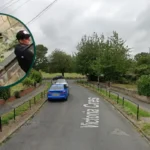
Leeds (The Leeds Times) October 3, 2026 — For many who pass through the lecture halls of West Yorkshire, university life is defined not just by academic pursuits, but by the physical spaces that anchor their social lives outside of campus. Among these, few establishments hold as prominent a place in local folklore as the Brudenell Social Club. Situated on Queen’s Road, this unassuming brick building has long functioned as more than just a local boozer, serving instead as a cultural heartbeat for generations of undergraduates and independent music lovers.
Why Has the Brudenell Social Club Remained a Staple of Student Life in Leeds?
The endurance of the venue lies in its ability to resist the corporate homogenisation that often affects modern nightlife. Patrons frequently remark that walking through the doors offers an immediate sense of familiarity, whether it is someone’s first visit or their five-hundredth.
As noted by local student reviewers sharing their experiences on community platforms, the venue excels across multiple metrics that matter most to undergraduates living on a budget. Visitors regularly highlight the affordability of the drinks, the warmth of the crowd, and an eclectic calendar of events that caters to varied musical tastes. Rather than projecting an exclusive or intimidating persona, the club maintains a welcoming, unpretentious environment where students and long-term local residents mingle seamlessly.
What Makes the Atmosphere and Community Focus Unique?
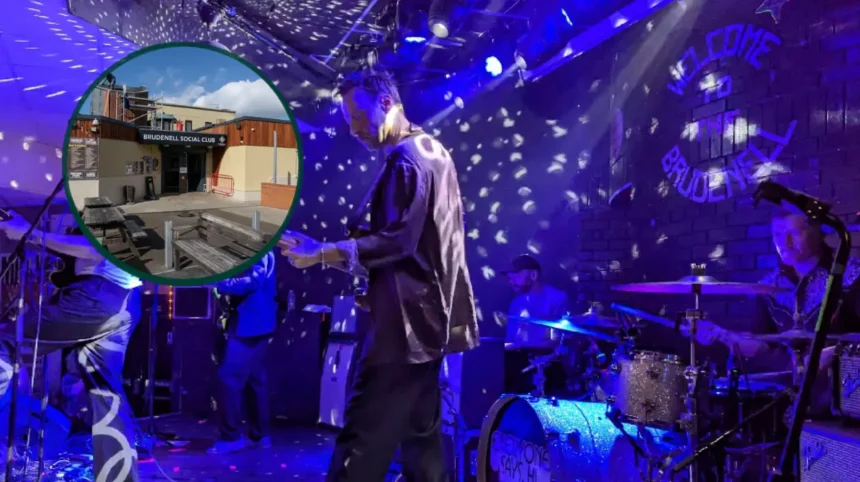
Beyond the pints and the pricing, the physical layout and ethos of the institution play a crucial role in its sustained popularity. Split across multiple rooms—including traditional bar areas, games rooms, and dedicated live performance spaces—the venue adapts effortlessly from a quiet spot for an afternoon drink into a bustling gig venue by nightfall.
Regular attendees emphasize that the venue’s charm is rooted in its dedication to live performance and grassroots arts.
From intimate acoustic sets to high-energy indie and alternative gigs, the calendar reflects a deep-rooted commitment to supporting both emerging talent and established touring acts. This unwavering dedication to music culture ensures that the institution remains culturally relevant long after individual student cohorts have graduated and moved away.
Explore More Area Guide
Headingley Comedy Nights and Stand-Up Events Guide
Headingley Theatre and Performing Arts Guide | Leeds
Background of the Brudenell Social Club Development
The historical context of the Brudenell Social Club dates back to its foundation in 1913 as a gentleman’s social and recreational club in the Hyde Park and Burley area of Leeds. Over the decades, it evolved from its traditional roots into a legendary independent music hub and social enterprise.
While many similar working men’s clubs across the United Kingdom struggled and closed during the latter half of the twentieth century, the Brudenell adapted by embracing the city’s vibrant alternative music scene. It expanded its facilities over time—including the addition of the Community Room in 2017—to accommodate growing crowds and diverse cultural programming, ultimately cementing its status as an iconic northern institution.
Predictions: How This Cultural Endurance Affects Students and Local Communities
The continued vitality of independent cultural spaces like the Brudenell Social Club has a direct positive impact on the student population and the wider Leeds community. For current and prospective university students, the presence of affordable, community-oriented venues provides an essential outlet for social connection, mental well-being, and cultural engagement outside the academic sphere.
Furthermore, by sustaining a venue that prioritises local artists and accessible pricing, the surrounding neighbourhood benefits from a robust local economy and a resilient arts ecosystem that resists urban gentrification, ensuring that future generations of students will find the same welcoming spirit waiting for them outside the university bubble.